oil tankers
World Data Ocean keeps oil tankers in one place: 38 stories so far. The section currently leads with “Singapore-flagged vessel with 2,500 containers sinks in Strait of Hormuz”, “Malaysia restricts tanker traffic and bunkering in new Strait marine protected zone”, and “Tracking the Shadow Fleet: Sanctions Map 22 Vessels Tied to Iran's Oil Network”. A Singapore-flagged container vessel carrying 2,500 containers has sunk in the Strait of Hormuz after being struck by an unidentified projectile and catching fire. Malaysia has taken a measured but decisive step in its newest marine protected zone, restricting tanker traffic and bunkering while imposing speed limits on all vessels. A Global Hub for Ocean Intelligence 4 World Data Ocean is a centralized digital platform where researchers, scientists, and ocean enthusiasts converge to… The list below is every oil tankers story on World Data Ocean, newest first.
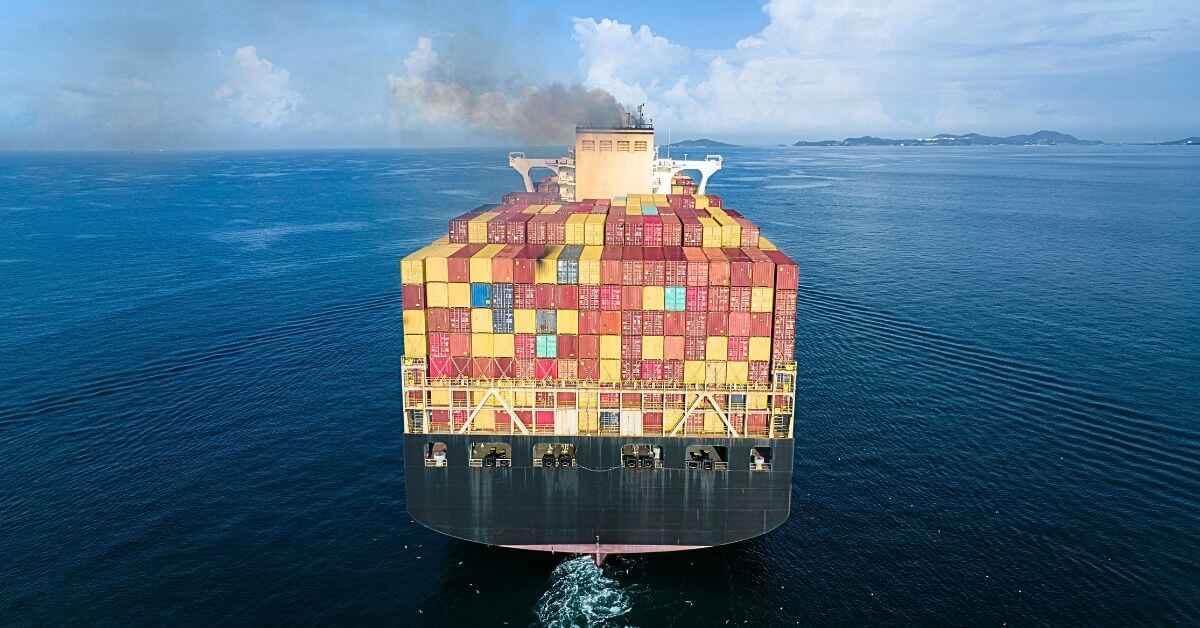
Singapore-flagged vessel with 2,500 containers sinks in Strait of Hormuz
A Singapore-flagged container vessel carrying 2,500 containers has sunk in the Strait of Hormuz after being struck by an unidentified projectile and catching fire. The loss of a major commercial ship in one of the world's most strategically vital waterways demands rigorous, verifiable maritime data. This incident underscores the urgent need for integrated ocean intelligence, a capability central to our coverage of regional security in "Strait of Hormuz Posture Raises Stakes for Maritime Data Verification."
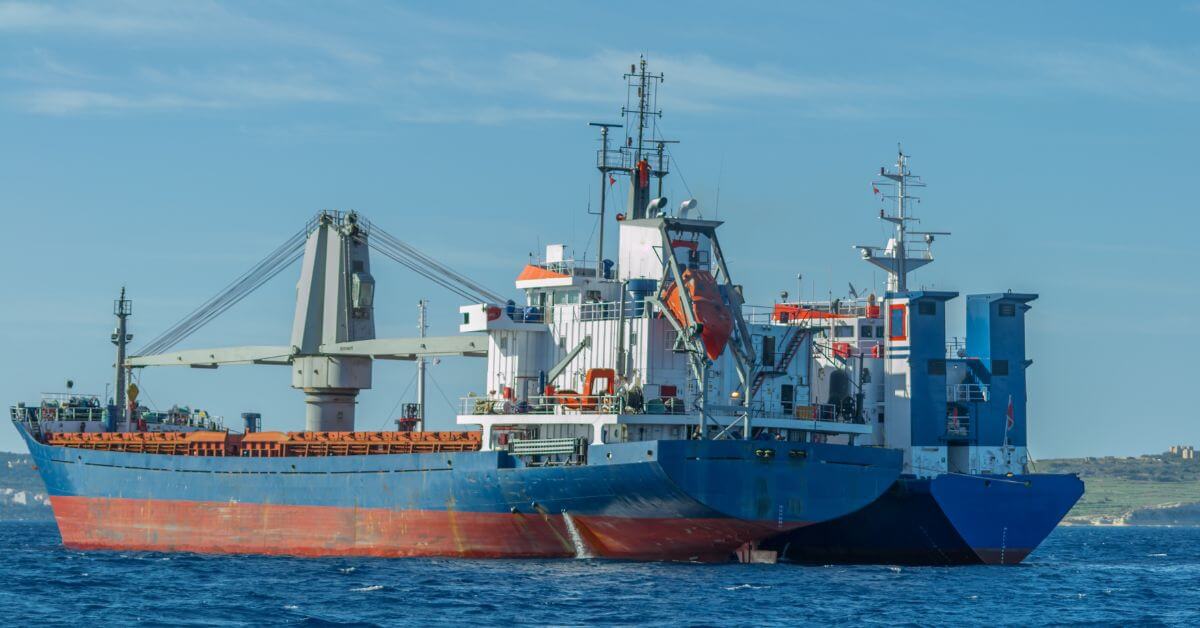
Malaysia restricts tanker traffic and bunkering in new Strait marine protected zone
Malaysia has taken a measured but decisive step in its newest marine protected zone, restricting tanker traffic and bunkering while imposing speed limits on all vessels. Large cargo ships and oil tankers are now forbidden from entering the Strait. This is a calibrated move to protect critical marine habitat without shutting down commerce entirely. For those tracking how citizen science can inform ocean policy, our piece on identifying an unidentified marine object from citizen observations in Tarifa offers a parallel example of community-driven data collection.
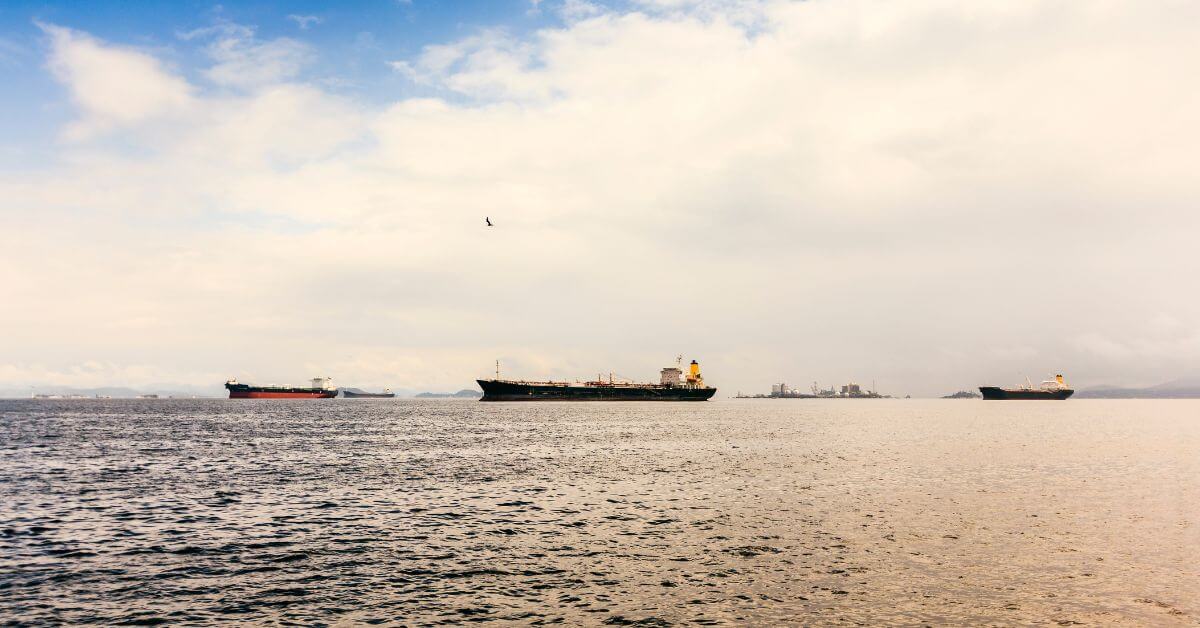
Tracking the Shadow Fleet: Sanctions Map 22 Vessels Tied to Iran's Oil Network
Twenty-two ageing tankers, the core of Iran's remaining shadow fleet, are now mapped and sanctioned. This network moves oil and petroleum products to foreign buyers, circumventing existing restrictions. Tracking these vessels is not academic, it is a measurable step toward enforcing accountability. The recent spike in tanker strikes near the Strait of Hormuz, detailed in our weekly analysis, underscores the escalating risk in these waters. Understanding the fleet's movements is essential for maintaining maritime security.
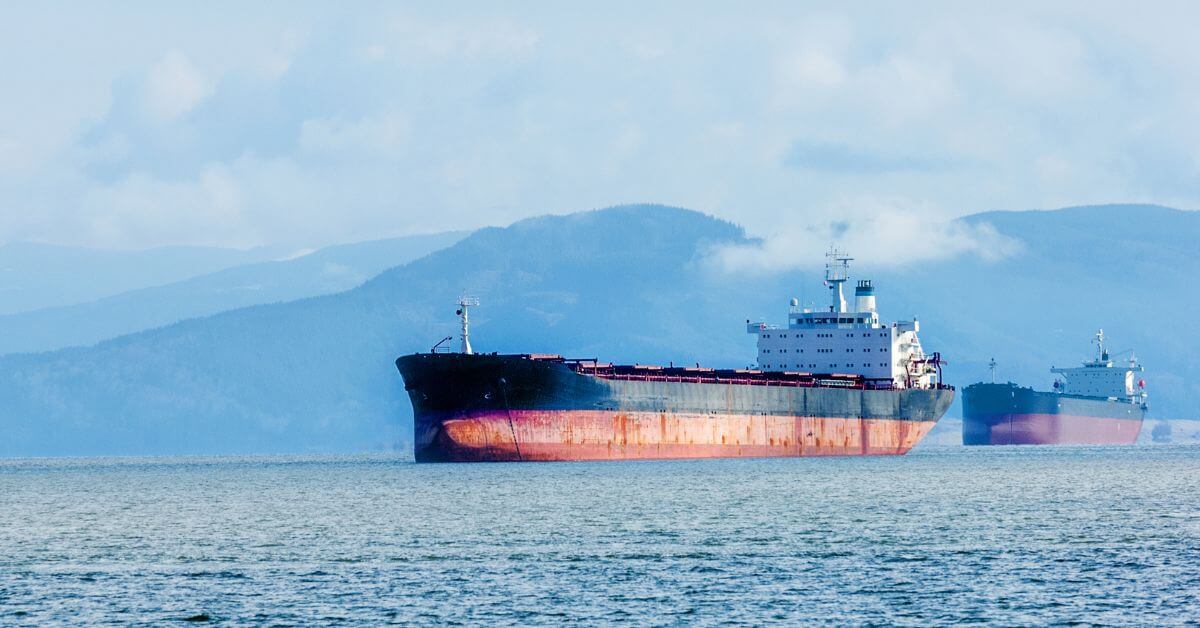
Projectiles Strike Two Tankers Near Strait of Hormuz, UKMTO Reports
Projectiles striking two tankers near the Strait of Hormuz, as reported by UKMTO, underscore the persistent volatility in this critical maritime corridor. Such direct threats to commercial vessels demand rigorous, real-time monitoring and collaborative security frameworks. The incident follows a similar disruption at Yanbu Port, where an unidentified projectile ignited a fire, highlighting a troubling pattern. Understanding these empirical threats is the first step toward developing calibrated responses that protect global shipping and ocean intelligence.
Saudi Arabia Refutes Tanker Acquisition Claims Amid Rising Shipping Costs
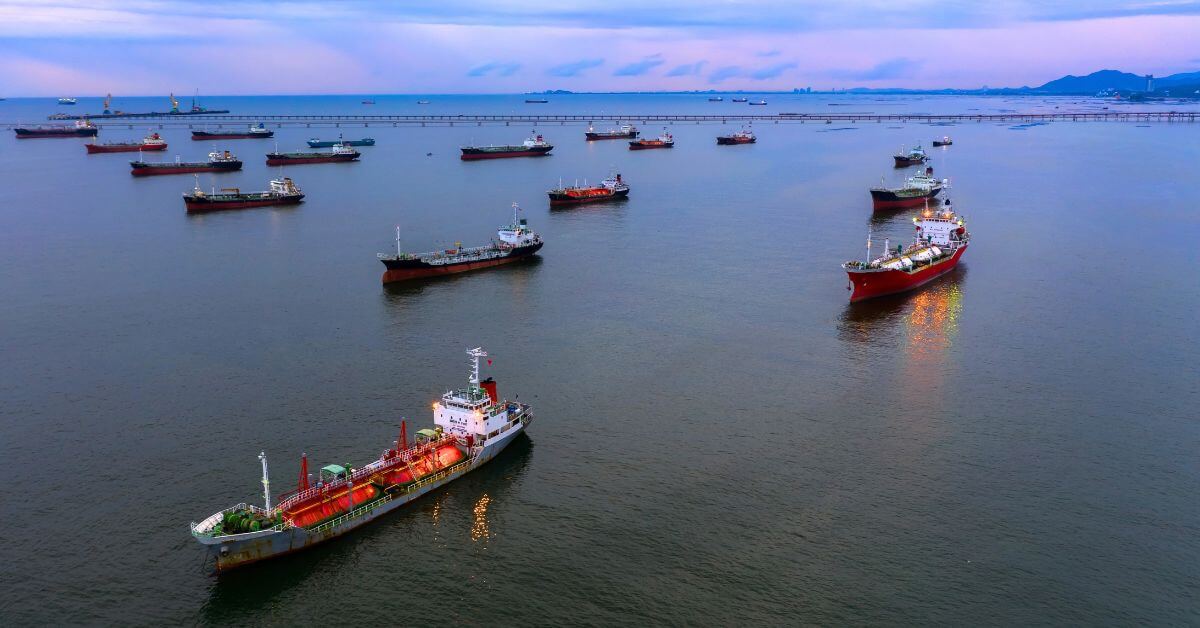
Saudi Arabia has denied reports it purchased 25 oil tankers for $4.5 billion, a claim Iraq linked to rising costs for shipping its crude. The denial carries weight in a region where maritime logistics already face intense pressure. With ship-to-ship transfers in the Gulf of Oman reportedly at full capacity, the stakes for transparent energy trade have rarely been higher. Measured communication matters here; the market is watching, and clarity supports stability.
Escalating Tensions: Iran Issues Warnings to Tanker Crews in Persian Gulf
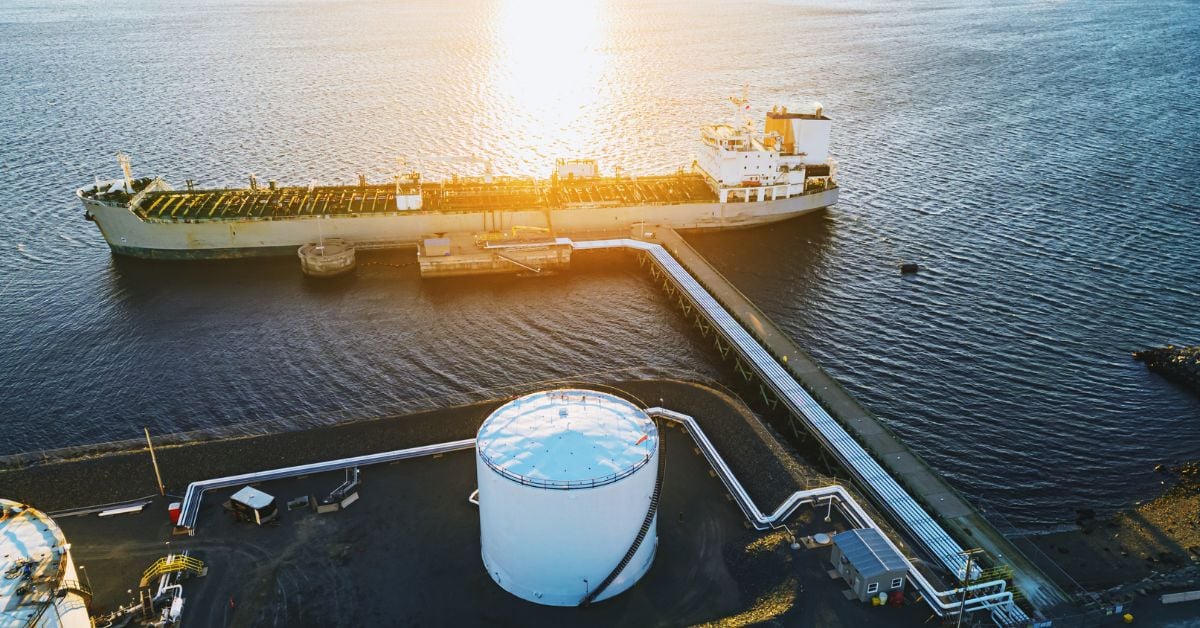
Iran's Islamic Revolutionary Guard Corps Navy has warned tanker crews near Kuwaiti and Bahraini ports to abandon their vessels. This escalation injects measurable risk into an already volatile Persian Gulf. Regional maritime stability is not a theoretical concern, it is a climate indicator of geopolitical friction. For deeper context on how such tensions intersect with energy routes, see our related coverage on "Phased Negotiations Aim to Ease Restrictions on Strait of Hormuz." Understanding these pressures is essential for calibrating both security and environmental responses.
Escalation in Strait of Hormuz: Maritime Traffic Disrupted by Reported Attacks
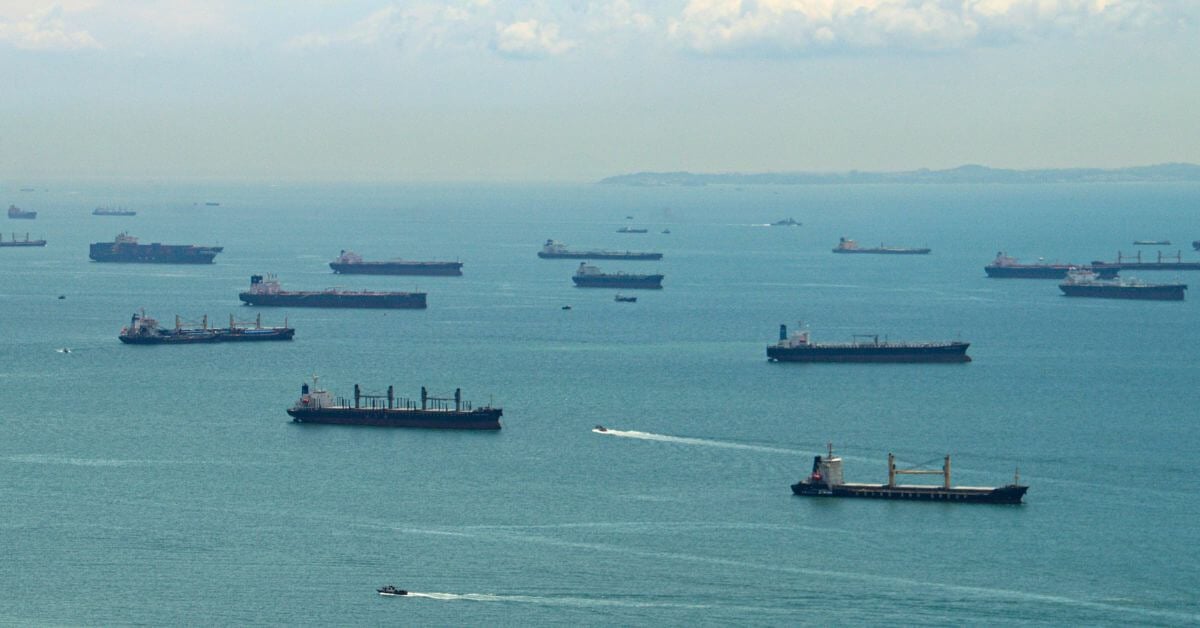
Reports of multiple merchant vessels struck in the northern Gulf and Gulf of Oman signal a dangerous escalation in the Strait of Hormuz. Maritime traffic is now disrupted, and the immediate consequences for global energy flows are measurable. This is not a moment for alarmist speculation, but for empirical observation. For deeper analysis on regional capacity pressures, readers may consult our related report on Gulf of Oman STS transfers maxing out amid rising Saudi oil exports.
Escalation in Persian Gulf: U.S. Responds to Iranian Maritime Actions
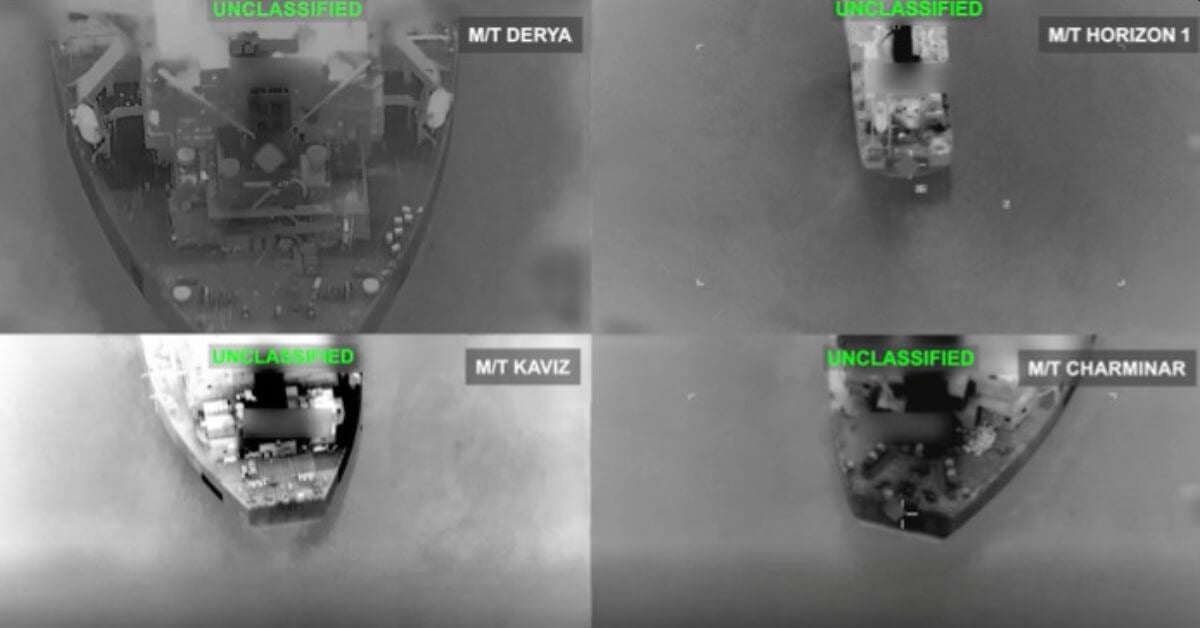
Before the strikes, U.S. forces instructed crews to leave the tankers, a measured step that prioritizes human safety over escalation. CENTCOM confirmed the vessels were left inoperable, signaling a calibrated response to Iranian maritime actions. The Persian Gulf remains a flashpoint where empirical monitoring and integrated intelligence are essential. For deeper context on global naval strategy, our article on India's projected fleet expansion examines how nations are preparing for these contested waters. Understanding drives protection.
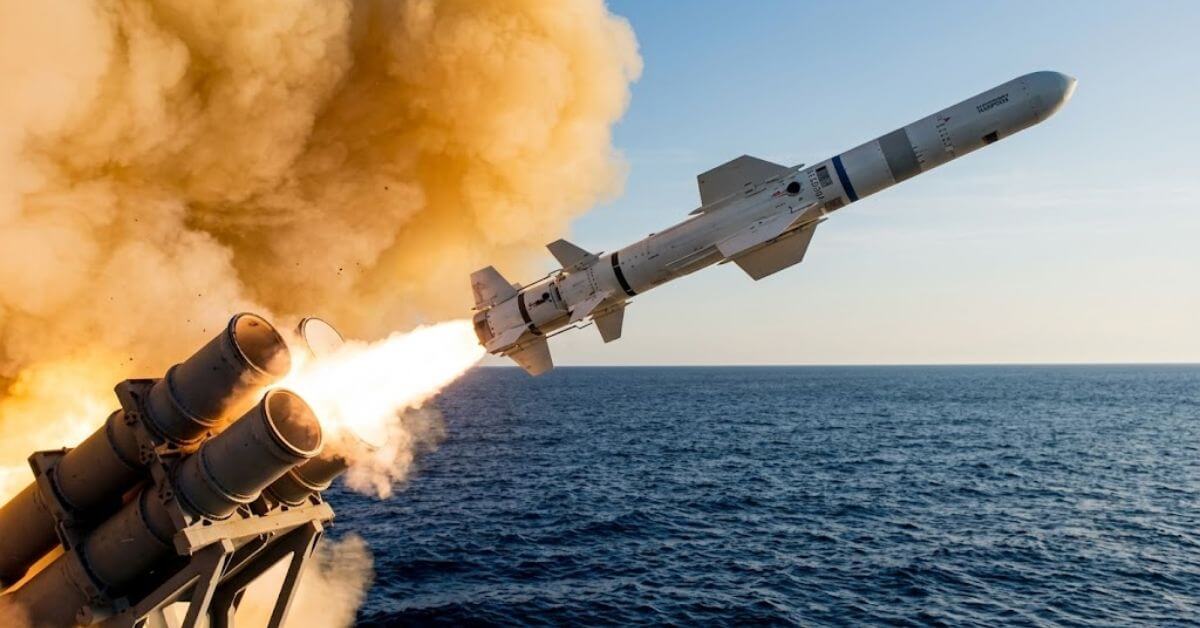
Escalation in Strait of Hormuz: Iran Tests Missile Near U.S. Navy.
Iran's IRGC announced a missile test near a U.S. aircraft carrier and destroyer in the Strait of Hormuz, a calibrated escalation that demands measured analysis. This is not alarmism; it is a real-time indicator of strategic friction in a waterway that carries a fifth of global oil. Such actions validate the urgency of integrated maritime monitoring. For deeper context on regional oil flows, see our related article on Gulf of Oman STS transfers operating at maximum capacity. Understanding drives protection.
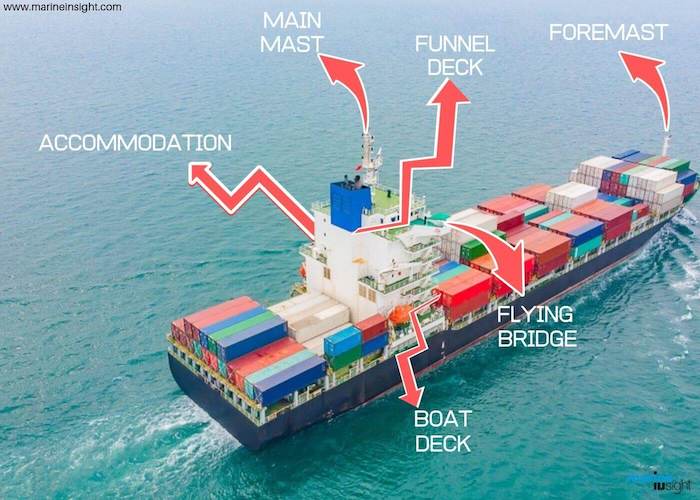
Understanding Ship Anatomy: Key Components and Maritime Terminology
A ship's anatomy is a study in precision, where every component from bow to stern serves a purpose. The hull provides the foundation, the deck frames operations, and the bow and stern define direction and stability. Understanding these elements is not just technical knowledge; it is the language of maritime safety and efficiency. We break down the core parts and essential terminology clearly.
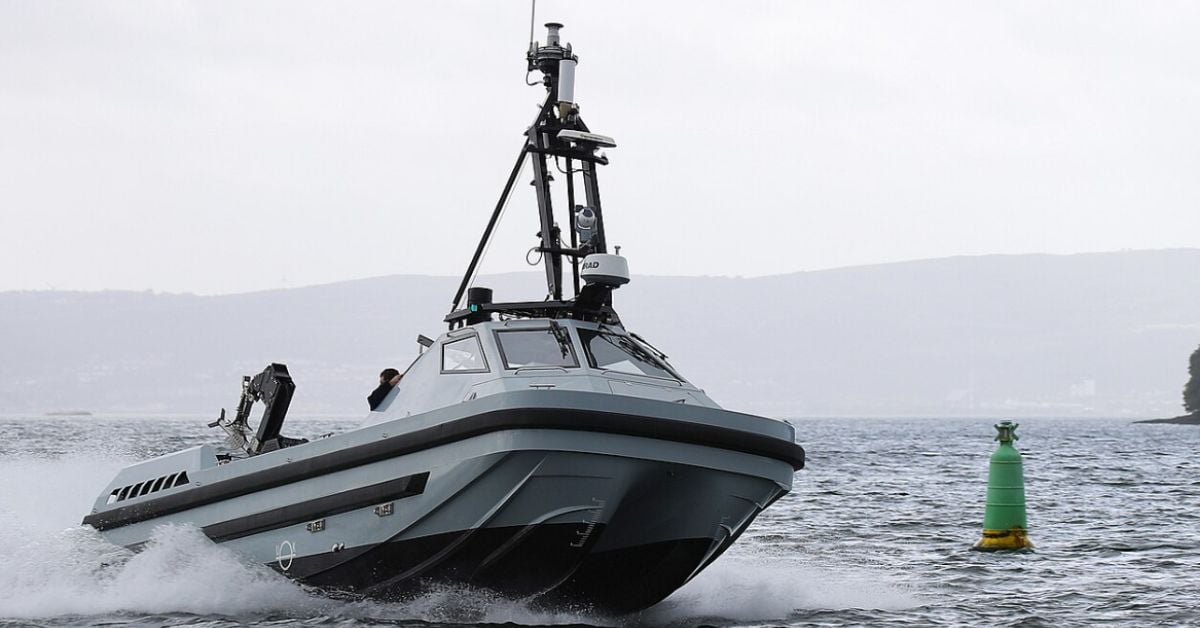
Disputed Incident: Iran Claims Attack on U.S. Unmanned Vessel in Hormuz.
Iran's claim that it attacked an unmanned U.S. vessel in the Strait of Hormuz marks another calculated escalation in a waterway already strained by maximum-capacity oil transfers. The move, framed as a response to a vessel entering a restricted area, underscores how quickly regional tensions can tip into direct confrontation. For a region where phased negotiations and multilateral pressure are already in play, this incident adds a volatile new variable.
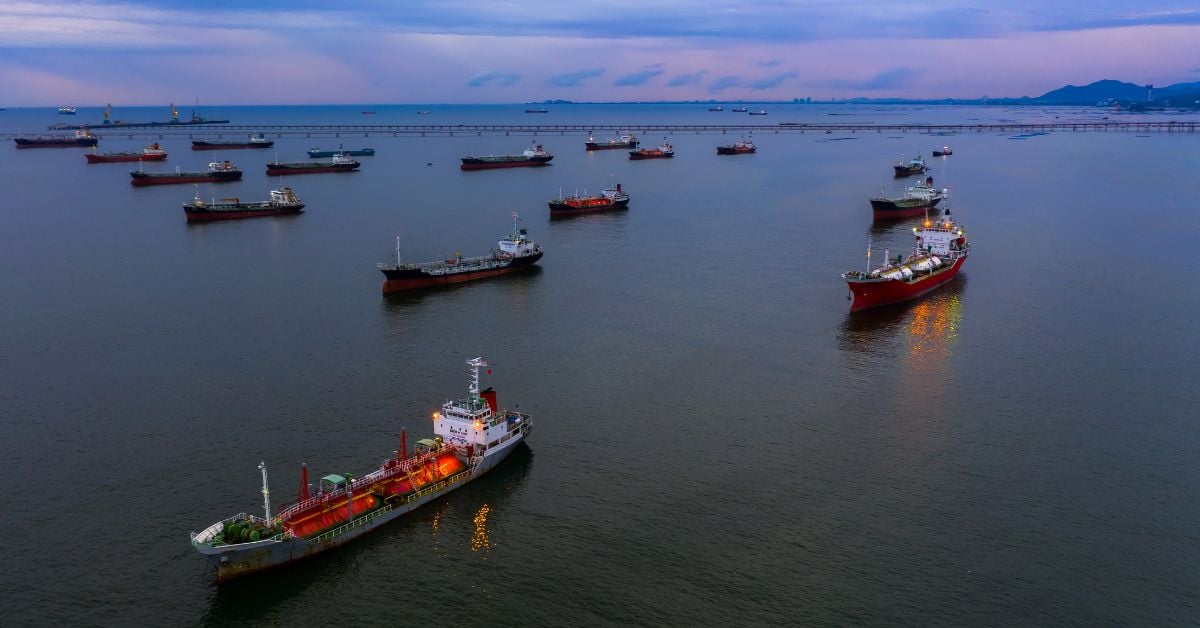
Naval Escort Ensures Oil Transit Through Strait of Hormuz.
On Tuesday, 40 tankers carrying roughly 18 million barrels of crude moved through the Strait of Hormuz under U.S. Navy escort, a measured show of force that underscores how vital this corridor remains to global energy stability. The transit proceeded without incident, but the escort is a reminder that maritime security is not automatic. For those tracking the region's shifting dynamics, our coverage of phased negotiations to ease restrictions on the Strait offers useful context. Reliable passage here is not just strategic; it is foundational.
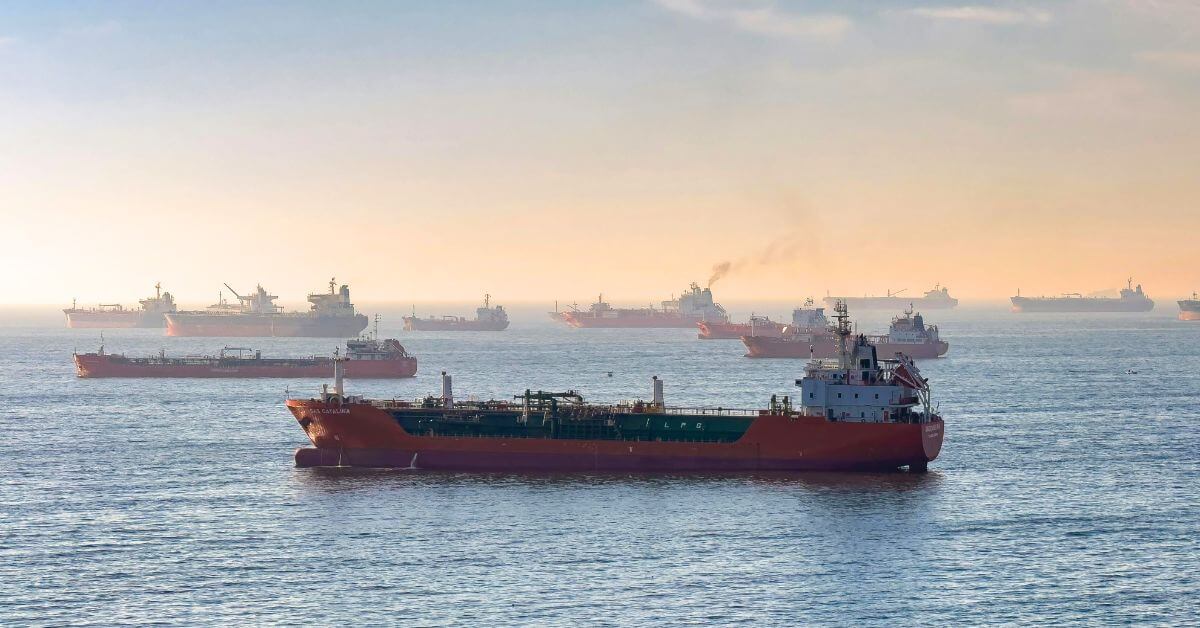
Escalation in Hormuz: U.S. Targets Iranian Tankers Amid Rising Tensions
For the first time, U.S. forces have directly targeted Iranian tankers in response to attacks on commercial shipping in the Strait of Hormuz. The escalation marks a decisive shift in how Washington is policing one of the world's most critical maritime chokepoints. Measured, but unmistakable, the action signals that the rules of engagement have changed. As pressure builds across the region, the implications for oil flows and navigation are immediate.
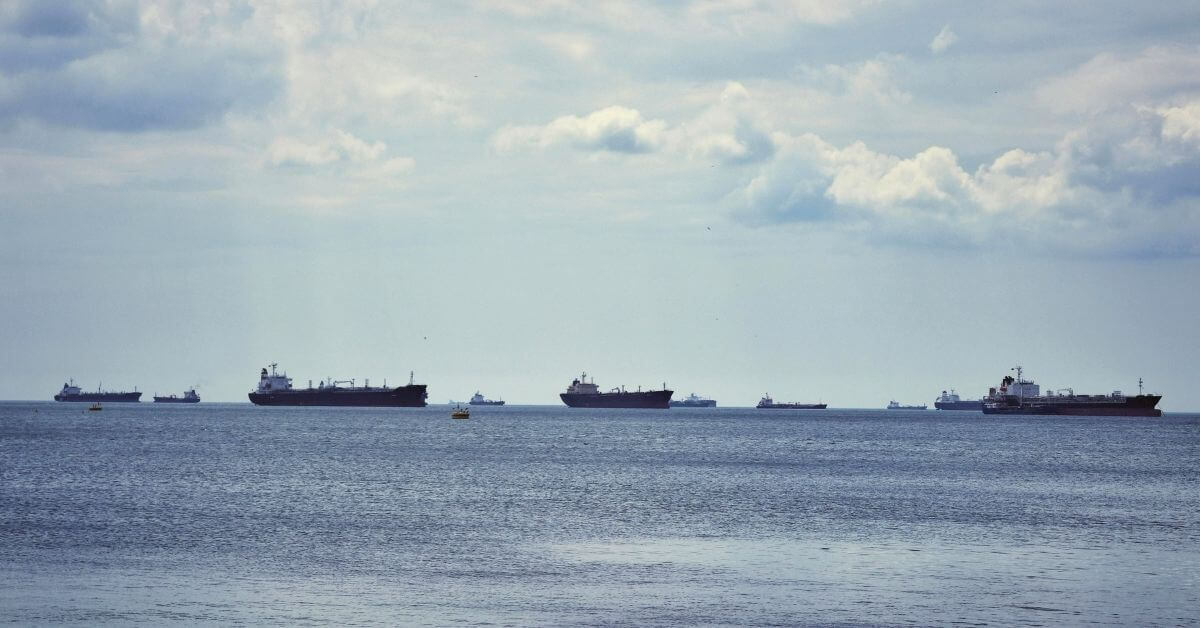
Maritime Traffic Shifts: Iran Intercepts Vessels Near Strait of Hormuz.
The Strait of Hormuz has become a chokepoint under pressure, with more than 1,500 oil tankers and 1,700 commercial vessels transiting the designated route before the war began in January 2026. Now, Iran's interceptions of vessels near these waters signal a hardening reality. This is not alarmism; it is measured observation. Disruptions here carry global consequences, and understanding the pattern matters. For broader context, our related piece on Gulf of Oman STS transfers offers a useful lens on how regional capacity is straining.

AIS Data and Fuzzy Logic Model Assess Vessel Emissions Impact in Ports
Vessel carbon emissions in port waters are not evenly distributed, and Qingdao Port's September 2022 AIS and meteorological data reveal where the burden falls. A hierarchical fuzzy logic model, built on that data, weighs direct and indirect factors like offshore distance and ecological sensitivity. The result: harbor districts and wharves bear the highest impacts, led by oil tankers, container vessels, and passenger ships. This approach gives ports a calibrated, measurable way to target supervision.

Iran Escalates Strait of Hormuz Control with Shipping Restrictions.
Iran's new Strait of Hormuz authority moved late Sunday to impose shipping restrictions, a warning issued directly via social media. The move tightens control over a waterway that carries roughly a fifth of global oil supply. It is a calculated escalation, one that raises the stakes for every nation dependent on that passage. Coordination matters here; our related coverage on Gulf of Oman STS transfers maxing out underscores how strained regional logistics have already become. The pressure is measurable, and it is mounting.

Easing Tensions: Iran Permits Iraqi Oil Tankers Through Strait of Hormuz
Iran's decision to permit some Iraqi oil tankers through the Strait of Hormuz follows repeated diplomatic requests from Baghdad, a measured step toward reducing friction in a waterway that carries a fifth of global oil supply. The move signals pragmatism, not capitulation, and it aligns with broader efforts to stabilize regional energy flows. For those tracking the Gulf's intricate logistics, this is a welcome, if conditional, easing.

Shipping Corridor Established: U.S. Facilitates Oil Flow Through Hormuz
The U.S. military has quietly established a shipping corridor through the Strait of Hormuz, moving millions of barrels of oil daily. It is a measured, logistical response to a volatile region, and one that carries real strategic weight. The move underscores the practical realities of maintaining energy flow when diplomatic channels remain fragile. For context on how pressure is building nearby, our related piece, "Gulf of Oman STS Transfers Max Out Amid Rising Saudi Oil Exports," offers a clearer picture of the strain.

Shipping Routes Shift: Chinese Tankers Navigate Geopolitical Risks.
Chinese and Hong Kong-owned tankers are now turning to ship-to-ship transfers in the Gulf of Oman and near Fujairah, a quiet but telling adjustment to shifting geopolitical pressures. The maneuver is practical, measured, and speaks to how rapidly maritime strategy adapts when routes tighten. This is not alarmism; it is logistics under constraint. For deeper context on how regional chokepoints are evolving, our related coverage on Gulf of Oman STS transfers maxing out offers useful grounding.

Novorossiysk Port Attack Disrupts Grain Exports, Impacting Global Supply.
The strike on Novorossiysk damaged two grain terminals and killed three people, including a child, with 24 more injured. This is not just an assault on infrastructure; it is a direct hit to the global food supply chain. When a major export hub is compromised, the ripple effects are felt in markets and ports far beyond the Black Sea. For those tracking the broader patterns of disruption, our coverage of Russia's export revenue calibration offers useful context.

Drone Strikes on Oil Tankers Cease Following US Concerns.
The United States' intervention appears to have worked. Ukrainian drone strikes on oil tankers carrying Kazakh crude have ceased, following Washington's concerns last month that these attacks were disrupting global oil markets. The pause is a pragmatic acknowledgment that maritime security and economic stability are intertwined. For those tracking the ripple effects of naval conflict, this is a meaningful development. Russia's own maritime posturing remains a separate concern, as our coverage of suspected drone operations in the Mediterranean makes clear.

Seized Vessels' Fate: Sanctioned Oil Tankers Scrapped in India.
Two sanctioned oil tankers, the Era and the Lileo, once known by multiple names in a shadowy trading history, have been scrapped in India. Their dismantling signals a quiet, practical resolution to sanctions pressure. It is a measured outcome, not a spectacle, and it underscores how global compliance mechanisms are reshaping vessel lifecycles. For context on maritime infrastructure shifts, our piece on integrated subsea cables enhancing Indian Ocean connectivity offers a broader view of regional logistics. Enforcement, it seems, is working.

Black Sea Maritime Stability: Ukraine Suspends Attacks Following U.S. Dialogue
Ukraine's decision to suspend attacks on non-Russian oil tankers and critical Black Sea infrastructure, including pipelines vital to Kazakhstan's exports, follows direct U.S. dialogue. This is a calibrated pause, not a retreat from deterrence. It signals a measurable step toward de-escalation in a region where maritime risk has compounded geopolitical tension. The move invites scrutiny of how negotiated restraint can hold alongside continued strikes. For broader context on regional energy flows, our analysis of Gulf of Oman STS transfers offers a useful parallel.

Integrated Shipping Lanes: Iran and Oman Calibrate Transit Through Hormuz.
Iran and Oman have agreed on the transit routes ships will use through the Strait of Hormuz, a calibrated step toward stabilizing one of the world's most critical maritime chokepoints. The arrangement signals practical diplomacy at work, replacing uncertainty with measurable coordination. For shippers and nations alike, this is ocean intelligence in its most actionable form: clear lanes, agreed parameters, and a shared commitment to keeping trade moving.