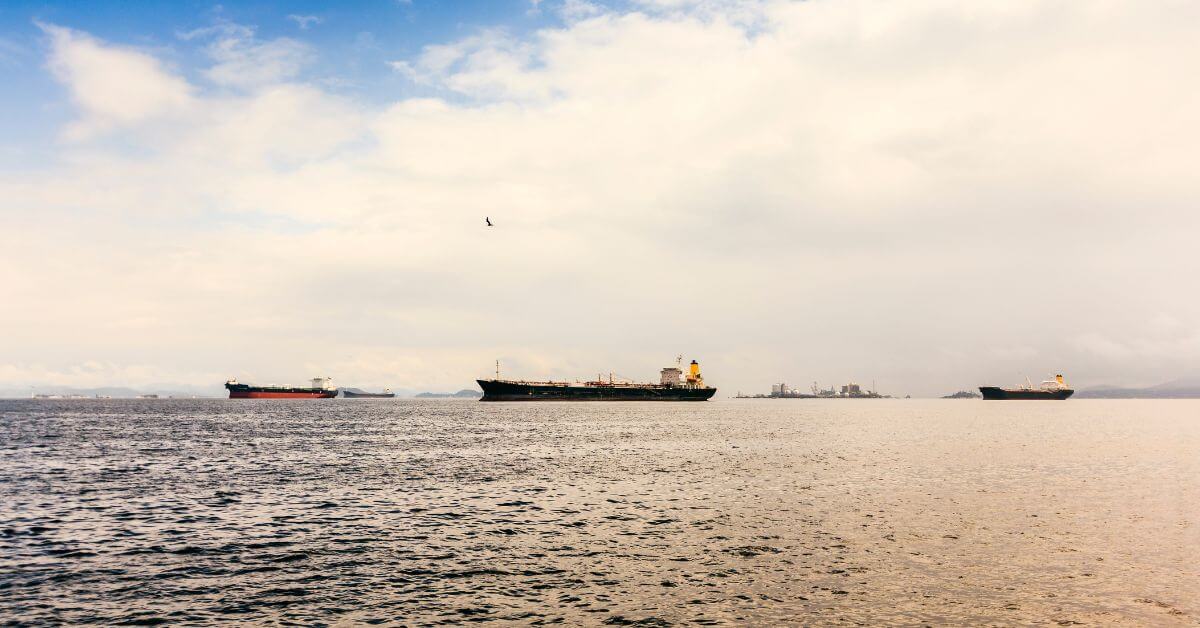
Sanctions are a blunt instrument, but this latest round against Iran's shadow fleet is a precise, calibrated strike on the financial arteries of its oil trade. The Treasury's designation of 22 vessels, 27 companies, and six individuals under Operation Economic Outcast is not a symbolic gesture; it is an empirical acknowledgment that the sanctions evasion network has become the primary engine of Iran's petroleum revenue. The practical consequence for our readers, maritime insurers, charterers, and compliance officers, is that the risk map has shifted. A vessel's flag, registry, or opaque ownership structure is no longer a gray-zone ambiguity but a measurable liability.
The detail that matters most is the granularity of the evidence. The Treasury did not simply name tankers; it quantified their cargoes: the Comoros-flagged PARITOSH carrying over 100,000 barrels of bitumen, the Panama-flagged STARWAY moving more than three million barrels of naphtha since 2025, and the Bahamas-flagged GAS LUCKY transporting 500,000 barrels of ethylene. This is ocean intelligence at its most actionable. It tells the market that the data ecosystem now tracks not just vessel positions but product types and volumes, making it harder for operators to claim ignorance. For anyone in the logistics chain, the message is clear: due diligence must now extend to cargo origin and historical movement patterns, not merely the vessel's current location. The recent uptick in weekly tanker strikes near the Strait of Hormuz and the reported projectile strike on a tanker off Qatar shows that this pressure campaign is unfolding in a theater where physical risk and financial risk are converging.
What makes this action strategically significant is the removal of HAKUNA MATATA and PINOCCHIO from the sanctions list. This is not a clerical update; it is a calibrated signal that the U.S. is willing to reward exit from the shadow fleet. Vessels that are sold to compliant operators or U.S.-linked entities can be rehabilitated. That creates a measurable incentive for shipowners to sever ties with Iranian networks, a dynamic that could fragment the fleet faster than blanket designations alone. The broader campaign under Executive Order 13902, which targets Iran's petroleum sector, is now reaching into the secondary layers of management companies and trading firms across Turkiye, China, the UAE, and the Marshall Islands. The inclusion of the Marshall Islands is particularly telling, given its role as a major flag state, and it reinforces that registry choice is now a compliance decision, not a convenience.
The open question for our readers is whether this enforcement intensity will persist. The Treasury has threatened foreign financial institutions with secondary sanctions, and the loss of access to the U.S. financial system is a credible deterrent. But the shadow fleet is adaptive, and the cargoes are still moving. Watch the next OFAC designation cycle for whether the Treasury begins targeting the insurers and classification societies that keep these ageing tankers operational. That would be the next logical step in cutting the network's logistical lifeline, and it would transform compliance from a reactive checklist into a continuous, real-time obligation. For now, the takeaway is direct: any vessel, company, or financier touching Iranian petroleum is no longer a peripheral concern but a named, quantified target.