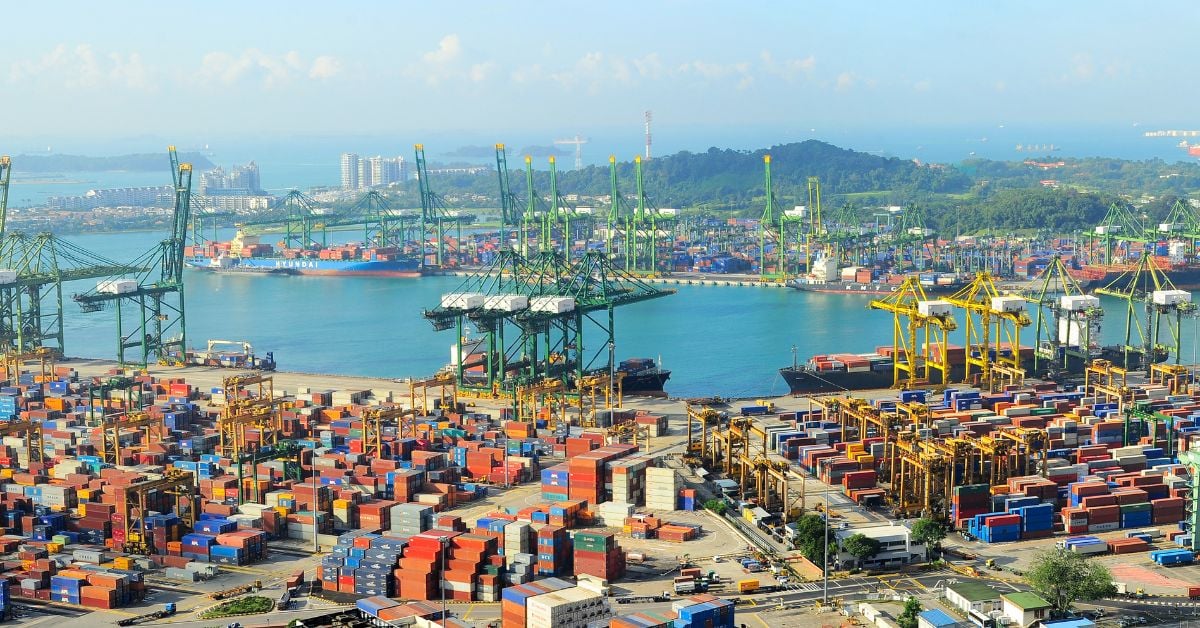
A single Indian port moving nearly a million metric tonnes of cargo in 24 hours is not merely a national record, it is a measurable signal that ocean commerce is scaling with purpose. Kandla Port's achievement of handling 9,63,951 metric tonnes in a day, surpassing its own September 2026 record by over 60,000 tonnes, reflects operational gains that matter far beyond Gujarat's coastline. This is not about hype; it is about validated capacity growth in a system that underpins global supply chains. For our readers, researchers tracking trade flows, policymakers calibrating infrastructure investment, and logistics professionals seeking real-time benchmarks, the data from Kandla offers a concrete indicator of how maritime economies are adapting under pressure.
The numbers are empirical and worth examining. The port's operating income rose 11.5% to Rs 3,144.31 crore in 2025-26, while ship traffic increased 6.6% to 160.11 million tonnes. Those figures align with broader trends we have observed in New Seaborne Trade Data Charts Global Economic Currents, where UNCTAD's latest statistics confirm that seaborne trade volumes are recovering and reconfiguring. Kandla's record also invites comparison with emerging infrastructure elsewhere. In West Africa, recent agreements to explore a 10,000-hectare deep-sea port and special economic zone, as covered in A Measured Step Forward for West African Maritime Infrastructure, suggest a parallel recognition that port capacity and integrated economic zones are linked levers for trade growth. Kandla's Special Economic Zone, established in 1956 as Asia's first, remains a working model of that integration.
What distinguishes this milestone, however, is the port's simultaneous investment in decarbonisation. Kandla is the first Indian port to operate a green hydrogen plant producing 140 tonnes annually, and a green methanol plant is under construction. It has also commissioned the country's first electric tugboats, generating zero emissions. These are not symbolic gestures; they are calibrated moves toward measurable sustainability in a sector that accounts for roughly 3% of global greenhouse gas emissions. For ocean intelligence practitioners and climate indicator analysts, this dual focus, scaling throughput while reducing carbon intensity, represents a replicable template. The question is whether other major ports can match the pace.
The takeaway is direct: Kandla's record is a data point, not a headline. It shows that growth in ocean commerce can be measured in tonnes, revenue, and emissions reduction simultaneously. The detail to watch is whether the port's green hydrogen output and electric tugboat fleet scale in proportion to its cargo volume gains. If they do, this becomes more than a national milestone, it becomes a longitudinal case study in how industrial ports can align economic output with climate indicators.