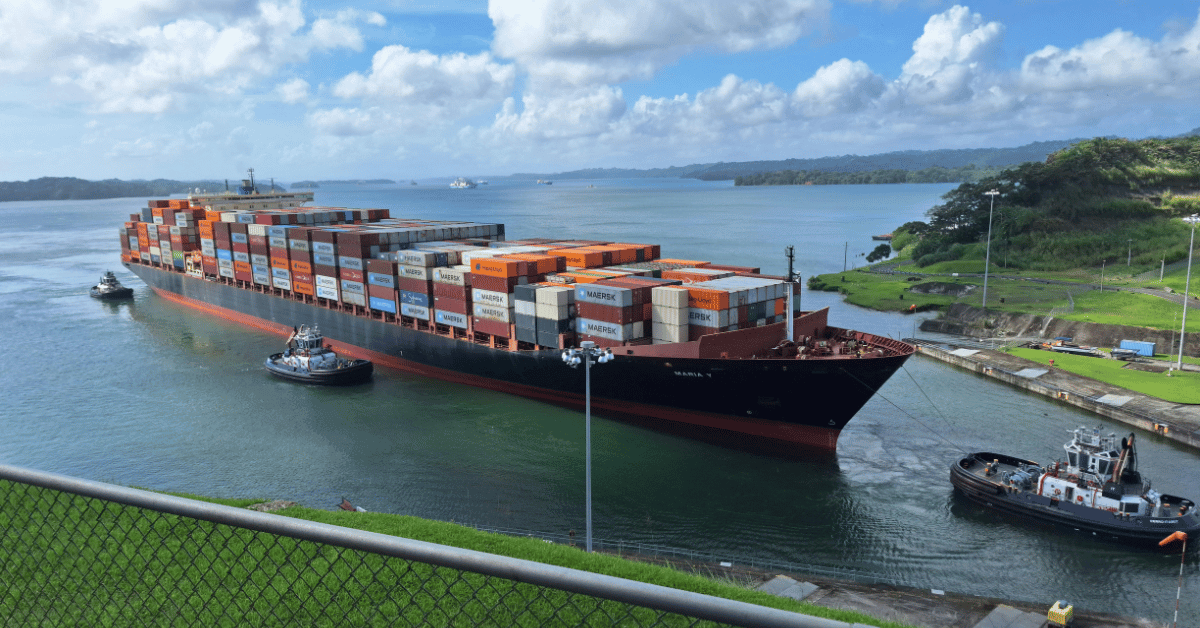
The Panama Canal's expansion of its Long-term Slot Allocation program is a quiet but decisive vote for predictability over improvisation in global shipping. By opening 558 advance transit slots for early 2027 across both the Neopanamax and Panamax locks, the Canal is not just selling reservations; it is selling a scheduling horizon that the industry desperately needs. This is a practical, measurable response to the climatic volatility that has exposed how fragile just-in-time logistics truly are.
The move matters most for the operators who have been navigating the twin pressures of drought restrictions and shifting trade patterns. The LoTSA Neopanamax program offers 270 slots, while the new Panamax pilot adds 288, all concentrated in the dry season from January to April. That timing is deliberate. It gives carriers the ability to lock in capacity before the hydrological uncertainty of the year takes hold, transforming what has often been a reactive scramble into a strategic decision. This aligns with the broader signals we are tracking across global commerce, from Kandla Port's Record Cargo Day Signals Measured Growth in Ocean Commerce to the shifting currents in New Seaborne Trade Data Charts Global Economic Currents. The pattern is consistent: ports and chokepoints are building resilience through advanced planning, not hoping for better weather.
What is particularly telling is the design of the Panamax pilot. It operates under a single flexibility level, a simpler structure than the Neopanamax tiering. That suggests the Canal is testing whether smaller operators, who may lack the dedicated planning teams of the mega-carriers, will engage with forward contracting. The sealed-bid mechanism, with the same tie-breaking rules as the existing program, keeps the process transparent and empirical. It is not a giveaway; it is a market instrument. The remaining capacity will still flow through the regular Reservation System and Auction, so LoTSA is an addition, not a replacement. This is calibrated expansion, not a leap into the unknown.
The open question is whether the secondary market for these slots will behave. Advance booking creates a new asset class in transit rights, and the value of those rights will fluctuate with water levels and freight rates. We will be watching how the November 2026 competitions price these packages, and whether the dedicated customer service team can handle the complexity of what is essentially a futures market for canal passage. The concrete point to track is the spread between LoTSA prices and the auction prices for the same period. If the gap widens, it will reveal whether the program is delivering genuine reliability or simply shifting the speculation upstream. For now, the Canal has made a sound, forward-looking bet: in a world where water availability is a climate indicator, the most valuable commodity is certainty.