evacuation
evacuation at World Data Ocean is a file of 19 stories. The newest of them: “Coast Guard Medevac Responds to Medical Need 86 Miles Off Hawaii”, “Escalation at Sea: Vessel Intercepted During Medevac in Contested Waters”, and “Injured crew evacuated after fire erupts aboard tanker in Strait of Hormuz”. Eighty-six miles off Hawaii, the U.S. A Philippine Coast Guard medevac turned into an escalation at sea when patrol vessel BRP Cabra was intercepted while attempting to evacuate a servicemember in contested waters. A Global Hub for Ocean Intelligence 4 World Data Ocean is a centralized digital platform where researchers, scientists, and ocean enthusiasts converge to… The list below is every evacuation story on World Data Ocean, newest first.
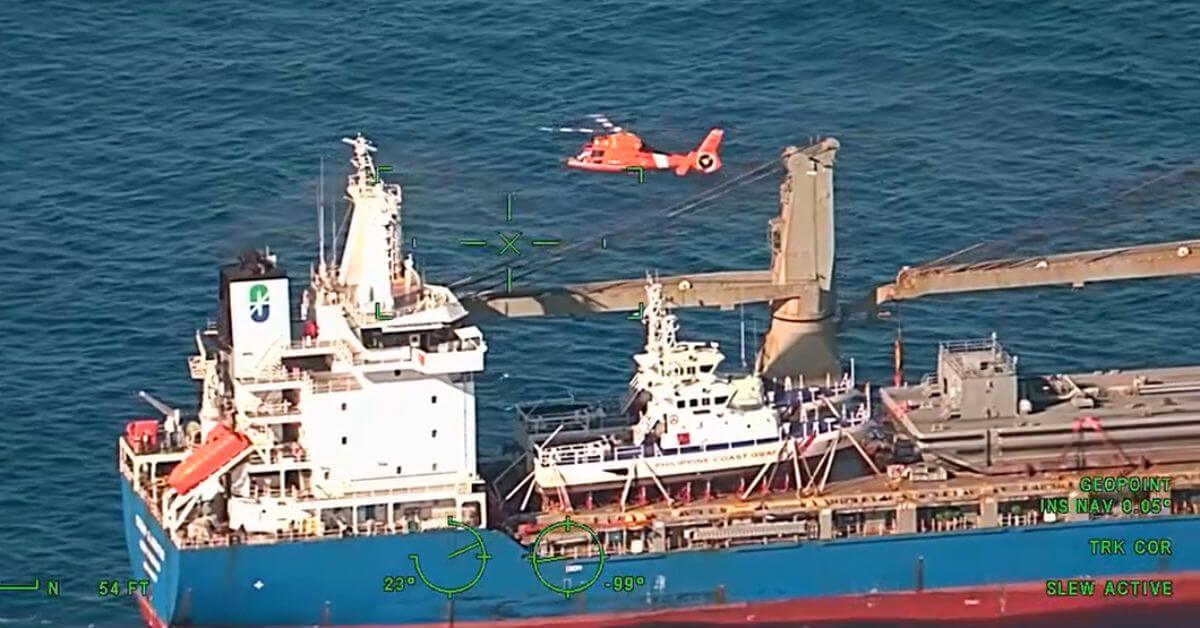
Coast Guard Medevac Responds to Medical Need 86 Miles Off Hawaii
Eighty-six miles off Hawaii, the U.S. Coast Guard evacuated a sick crew member from a U.S.-flagged cargo ship on Wednesday, October 7. This medevac is a reminder that even far from shore, human need demands immediate, coordinated response. Such operations rely on the same integrated data ecosystems that help us track threats like the 350 million tons of annual plastic waste documented in our related coverage, "Tracking 350 million tons of annual plastic waste to its ocean sink."
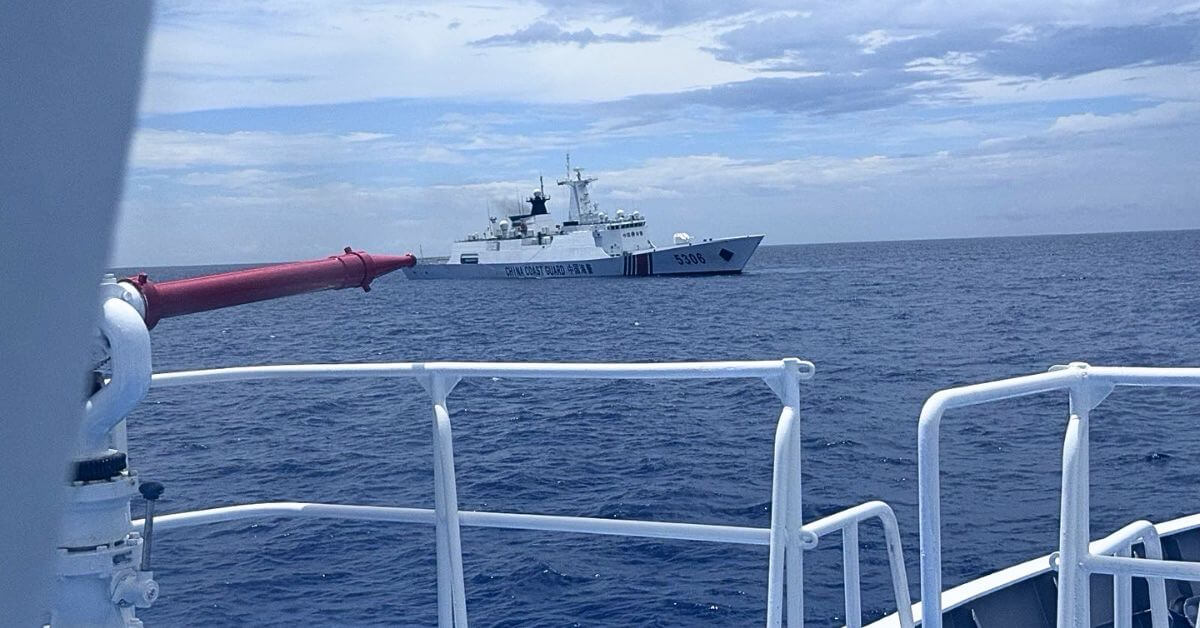
Escalation at Sea: Vessel Intercepted During Medevac in Contested Waters
A Philippine Coast Guard medevac turned into an escalation at sea when patrol vessel BRP Cabra was intercepted while attempting to evacuate a servicemember in contested waters. The incident underscores how even humanitarian operations can become flashpoints where maritime boundaries are disputed. Our coverage of rising tanker attacks near the Strait of Hormuz, including "Weekly tanker strikes near Strait of Hormuz reach highest count in years," shows this is part of a broader pattern of increasing risk across globally significant waterways.
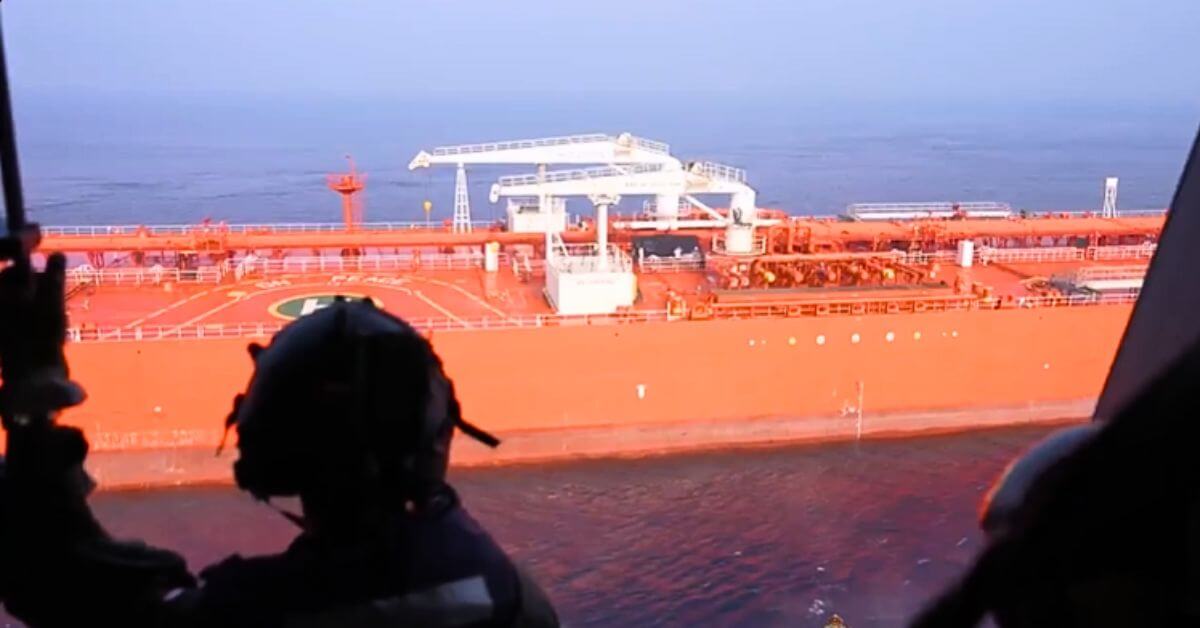
Injured crew evacuated after fire erupts aboard tanker in Strait of Hormuz
A fire and an attack on a tanker in the Strait of Hormuz injured 12 of its 19 crew members, prompting an evacuation confirmed by Oman's Ministry of Defence. This is not an isolated incident. The same volatile waters that demand calibrated maritime security now test the resilience of global trade routes. For deeper context on regional diplomatic efforts, see our coverage of "India Proposes Measured Maritime Truce to Protect Black Sea Shipping."
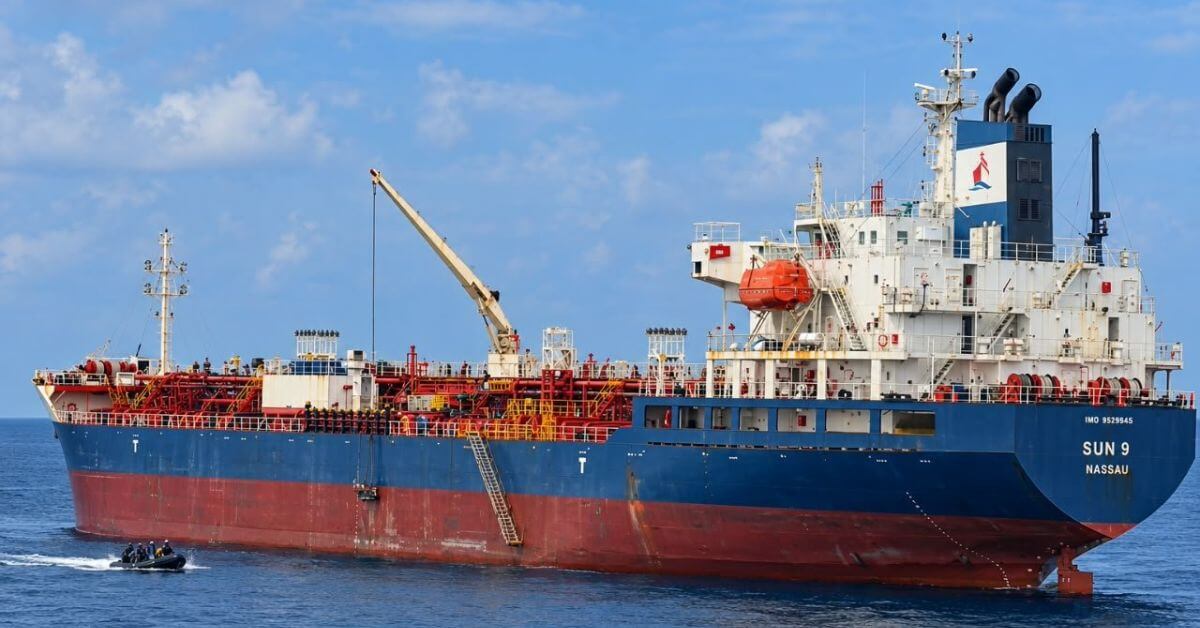
Coordinated response enables medical evacuation in Andaman Sea transit
A coordinated response turned hours of uncertainty into a single, precise operation. The Indian Navy evacuated an injured Vietnamese citizen from the merchant ship MT Sun 09 during transit in the Andaman Sea. This is what integrated maritime capability looks like: validated protocols, real-time decision-making, and a shared commitment to safety across international waters. Understanding drives protection. For deeper coverage on maritime security, see our report on delayed confirmations of five IRGC vessel incidents in the Strait of Hormuz.
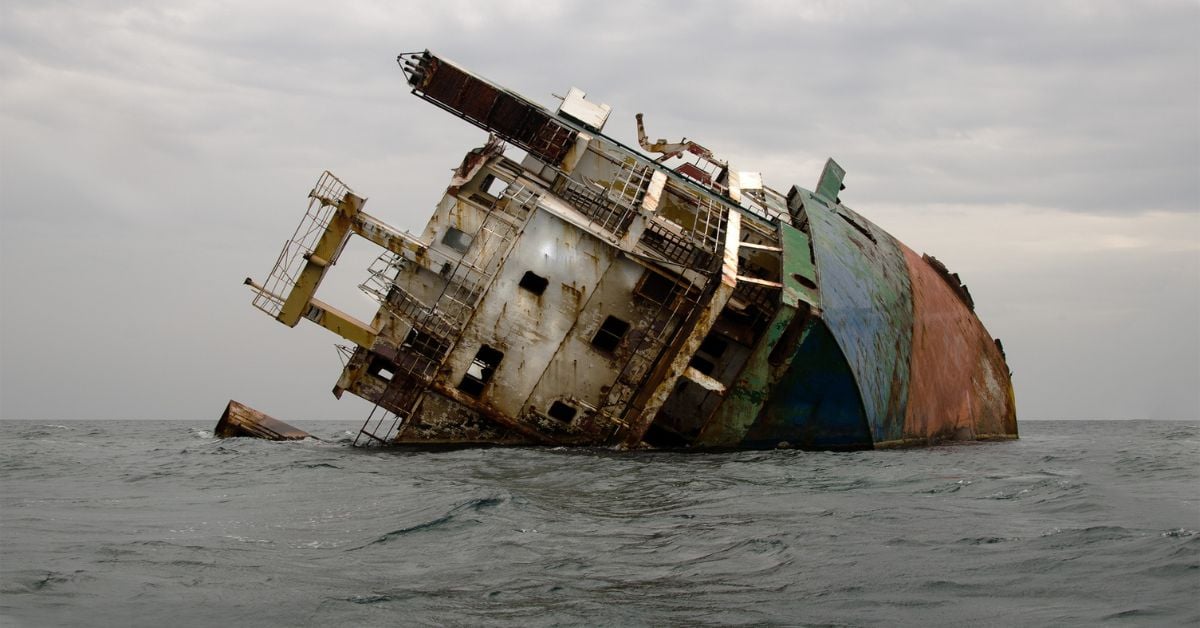
Overloaded vessel capsizes on Lake Kivu, second fatal sinking in a week
The Kisheki village head confirms what we already know too well: overloading kills. A vessel carrying more than 50 people has capsized on Lake Kivu near Idjwi Island, the second fatal sinking in a week. This is not an accident; it is a predictable failure of oversight. Empirical data on vessel capacity exists. Ignoring it costs lives. For deeper context on regional maritime tragedies, see our coverage of the Lake Tanganyika sinking. Understanding drives protection.

River Floods Displace Cruise Ship Into Nepal's Narayani Bridge
A tourist cruise ship was swept into Nepal's Narayani Bridge after days of relentless rainfall swelled the Narayani River. This is not a distant anomaly, it is a measurable consequence of shifting climate indicators. Such events underscore why integrated, real-time ocean and river data matter. Understanding drives protection. For deeper context on how data-enabled responses save lives, see our coverage of "Ocean Data Enables Swift Rescue of Injured Seafarer Near Andamans."
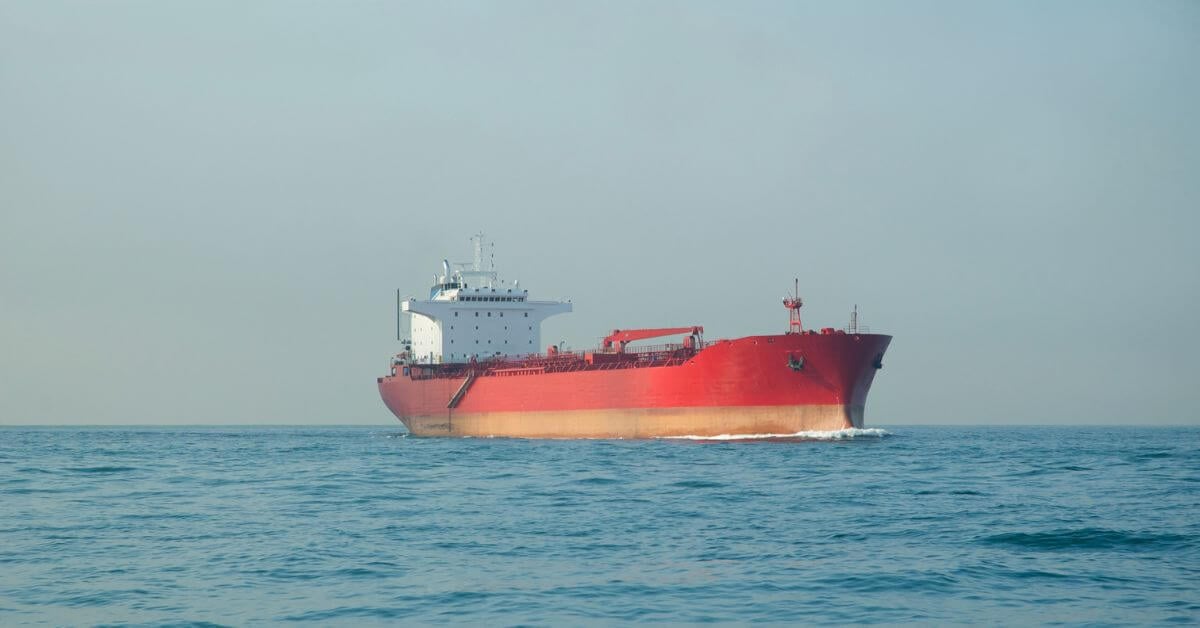
Drone Strike Impacts LPG Tanker Near Strait of Hormuz.
A Liberia-flagged LPG tanker carrying nine Indian seafarers was struck by a drone while sailing eastbound outside the Strait of Hormuz. The incident underscores how vulnerable commercial shipping remains in a waterway that carries a third of the world's liquefied gas. Precision matters here: every attack raises the cost of transit, and the ripple effects are measurable. For context on the region's mounting pressure, our related coverage in "Phased Negotiations Aim to Ease Restrictions on Strait of Hormuz" outlines the diplomatic stakes.
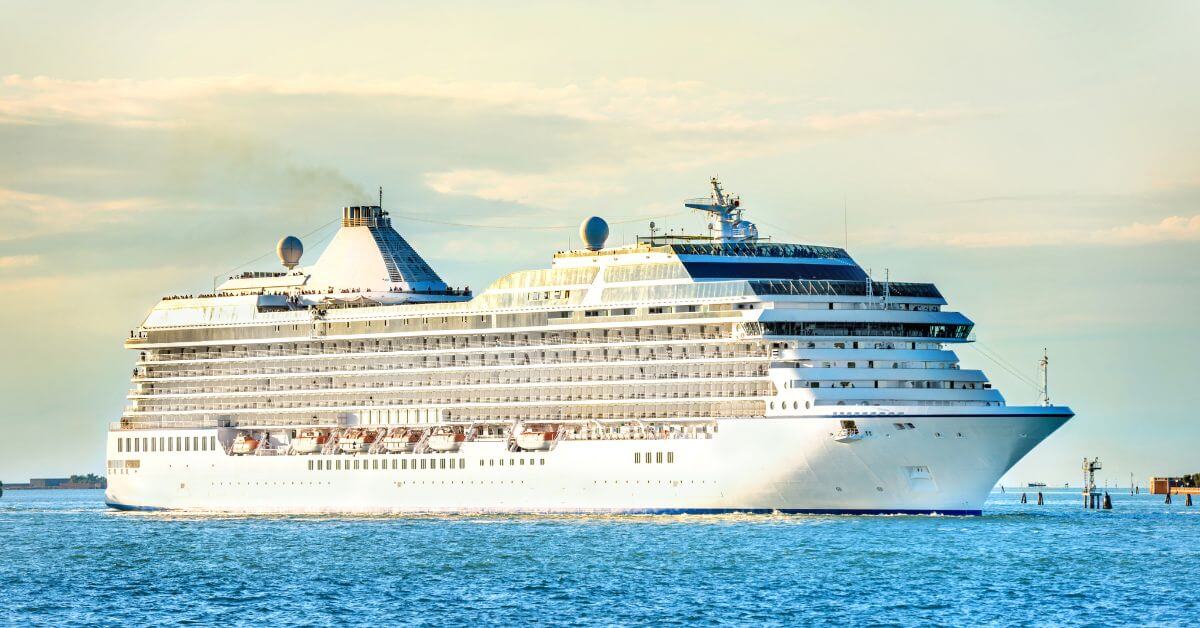
Evacuation Underway: Fire Prompts Response on Cruise Ship Near Denmark
An evacuation is underway after a fire alarm prompted a response to a cruise ship near Denmark, with police, firefighters, and Danish Emergency Management Agency personnel dispatched to the vessel. The situation underscores how quickly maritime incidents escalate, even in well-monitored waters. It is a reminder that preparedness is not optional at sea. For context on how fires have impacted other voyages this season, our related coverage on the Cargo Ship Fire Prompts Evacuation Near Mykonos offers a parallel. We will update as details emerge.
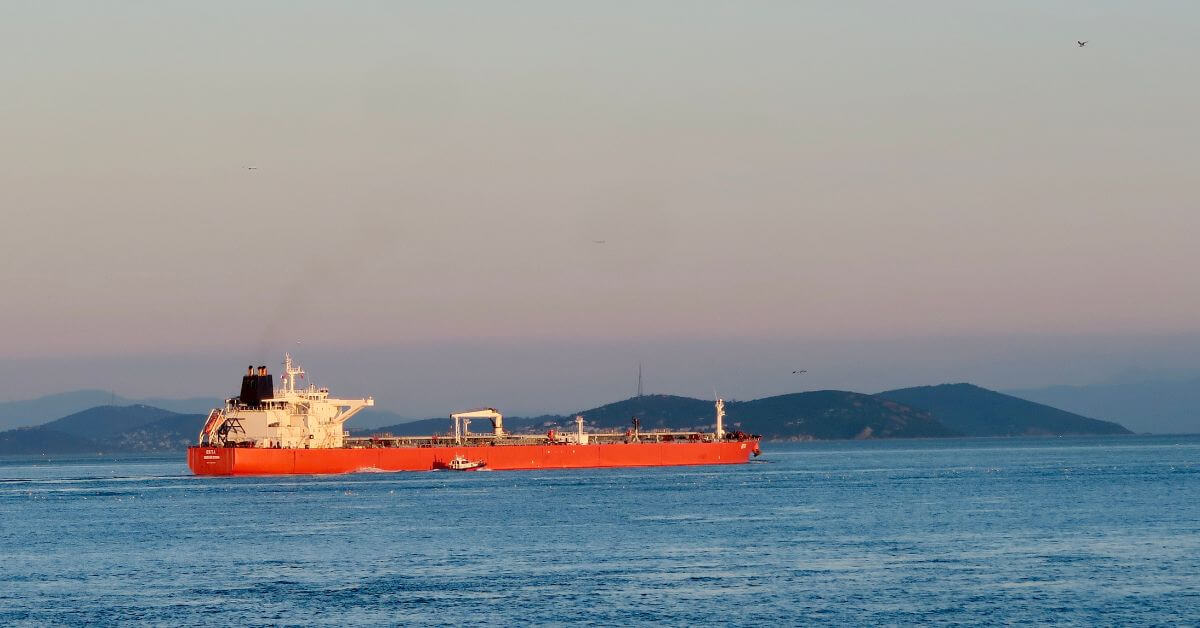
India Establishes Support Network to Safeguard Seafarers in Conflict Zones
India has moved to protect those who carry global commerce through unstable waters, establishing a support network for seafarers in conflict zones. The initiative addresses distress alerts, medical aid, and family communication during emergencies, practical, measurable safeguards for a dangerous reality. This is a purposeful step, and it aligns with the broader maritime momentum seen in our coverage of Paradip Port's designation as a Mega Port. Protecting the people at sea is as essential as expanding the infrastructure they serve.
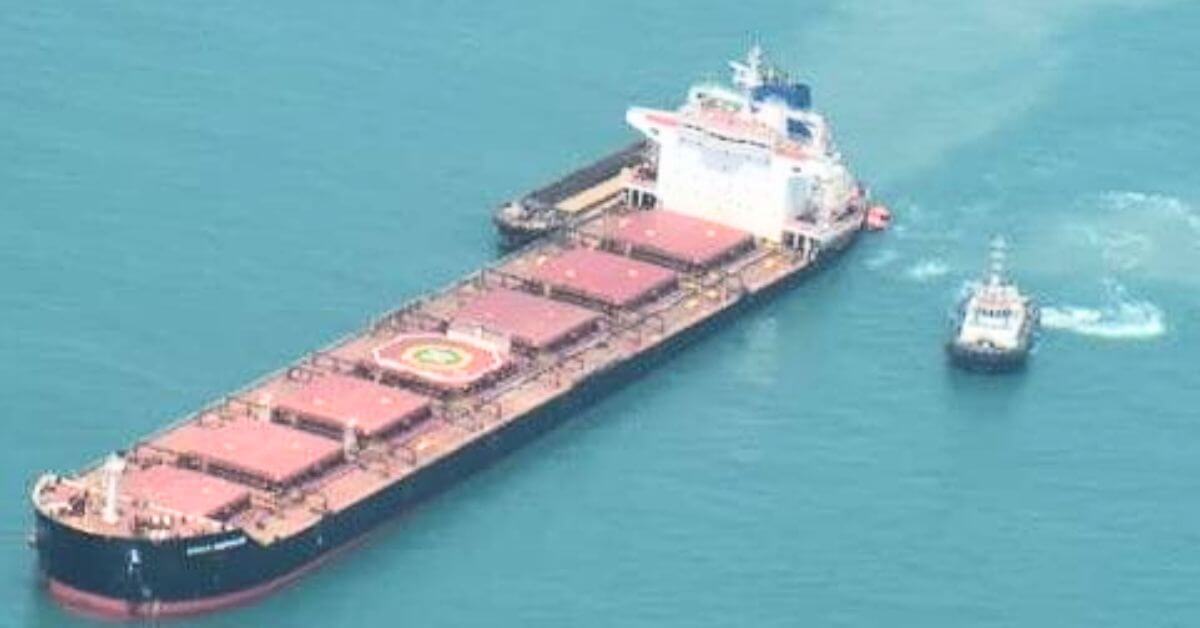
Crew Rescued After Merchant Ship Collision Near India’s Coast.
A collision off India's coast forced the evacuation of 21 crew members from the merchant vessel MV KMAX EMPEROR. The Coast Guard's rapid response prevented a greater crisis, but this incident underscores the persistent risks in busy shipping lanes. Maritime safety demands continuous vigilance, not just reaction. For deeper context on related maritime emergencies, read our coverage of the cargo ship fire near Mykonos, each event reminds us that ocean intelligence must extend to human safety at sea.
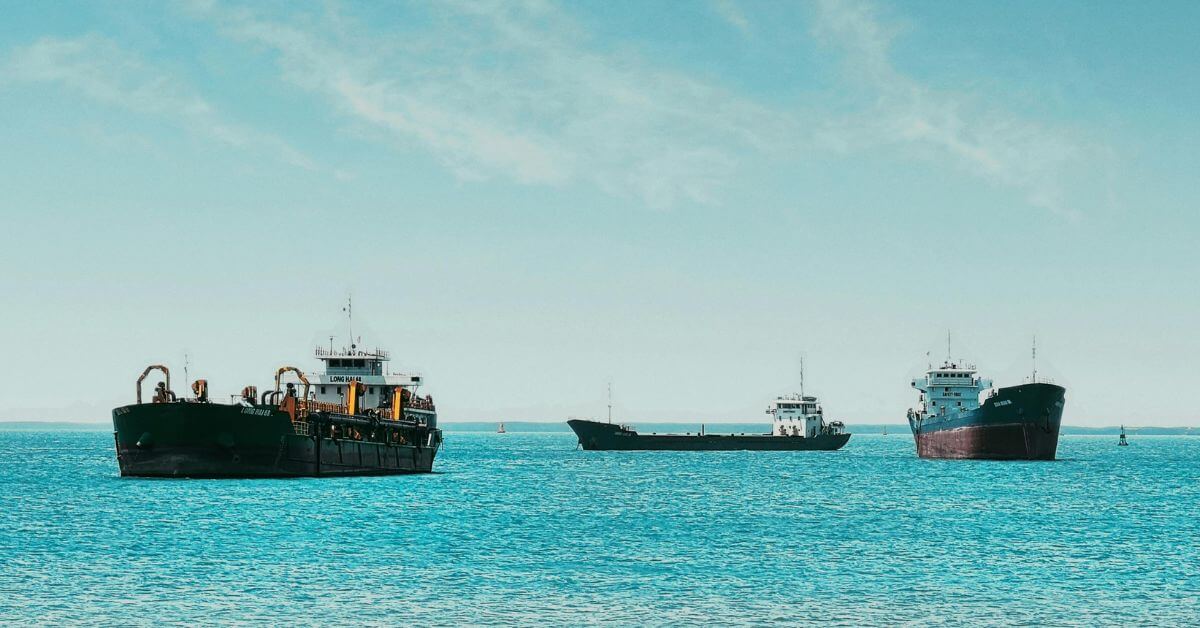
Shipping Lanes Under Scrutiny: Indian Crews Affected by Gulf Region Attacks
Three foreign-flagged vessels with Indian crew members were struck on September 8 and 9 as West Asia conflict escalates into shipping lanes. These attacks validate what we have long measured: maritime corridors are becoming direct targets. The crews are not combatants, they are professionals navigating volatile waters. Understanding drives protection, and this incident demands calibrated, empirical scrutiny. For deeper context on regional shipping pressures, our coverage of the Strait of Hormuz negotiations offers integrated analysis.
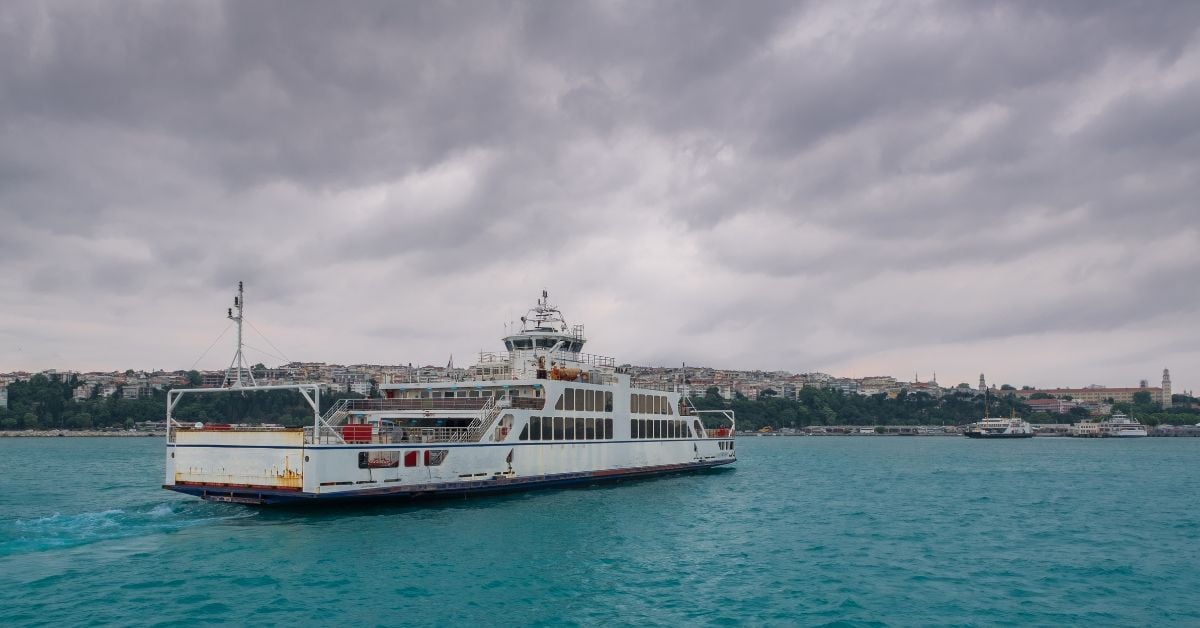
Ferry-Tanker Collision Near Penang Injures 21; Six Critically Conditioned
A collision between a ferry and a tanker off Malaysia's Penang Port has left 21 people injured, six of them in critical condition, authorities confirmed. Incidents like this underscore how swiftly maritime operations can turn perilous, even in familiar waters. The priority now is the stability of those severely hurt and a clear-eyed investigation into what went wrong. For context on how real-time ocean intelligence supports emergency response, our earlier piece, "Ocean Data Enables Swift Rescue of Injured Seafarer Near Andamans," offers a relevant parallel.
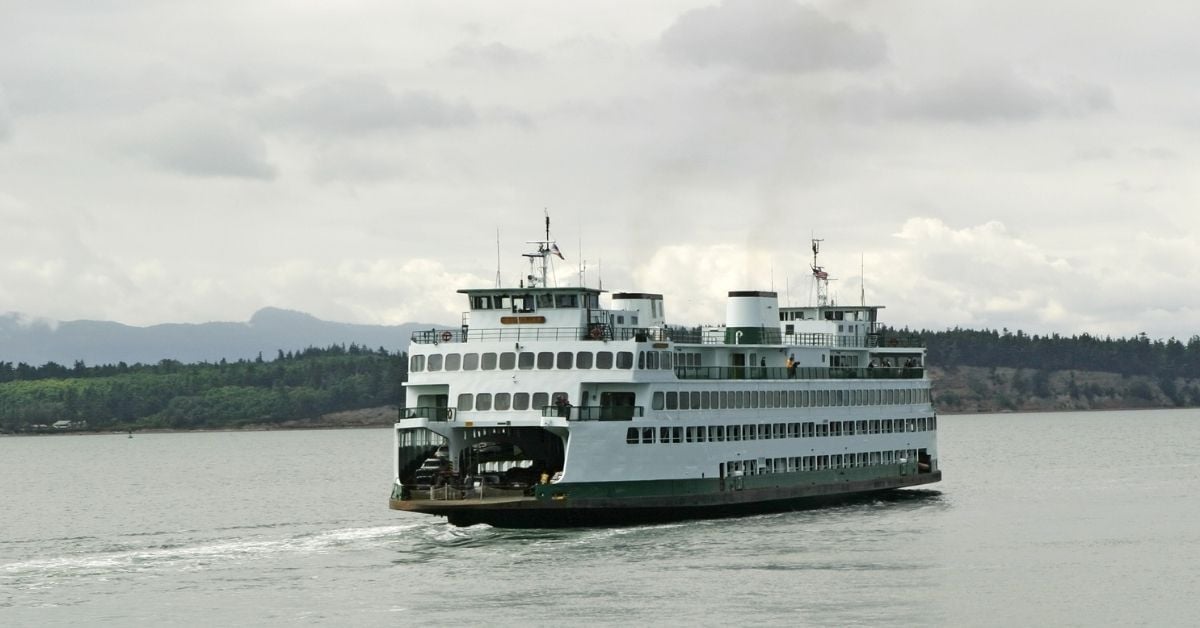
Investigation Launched After Ferry Sinking Claims Eight Lives Near Cyprus
Seven people are now detained after the sinking of the passenger ferry *FILO Jet* off Kyrenia, a tragedy that claimed eight lives. The speed of the detentions suggests investigators are moving with purpose, though many questions remain about how a vessel in coastal waters met such a fate. The loss underscores that maritime safety demands constant vigilance, not just compliance. For broader context on regional risks, our coverage of the cargo ship fire near Mykonos offers a relevant comparison. We will follow this investigation closely.
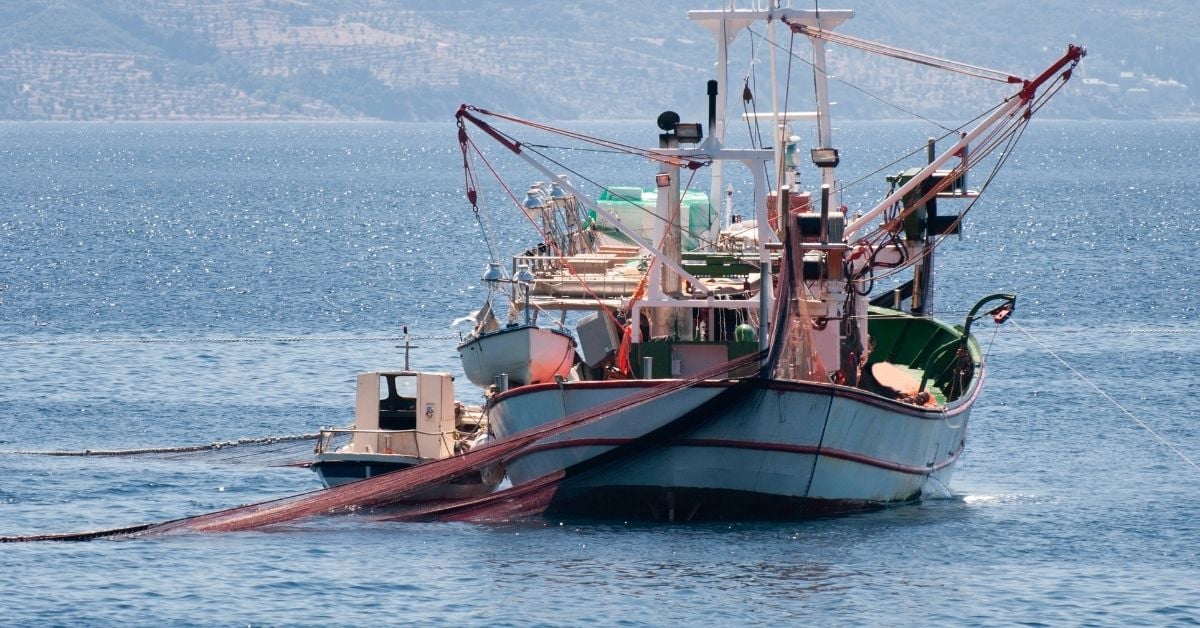
Russian Fishing Vessel Partially Sinks at Montevideo Port
A Russian-flagged fishing vessel partially sank while berthed at Uruguay's Port of Montevideo after losing stability, a reminder that maritime risks persist even in protected harbors. The incident underscores how quickly operational stability can unravel, though the crew's status remains unconfirmed. Such events invite scrutiny of port-side protocols and vessel condition, especially as our coverage of the *Bulk Carrier Freed After Prolonged Grounding Near Gladstone* shows similar challenges elsewhere.

Rotterdam Refinery Explosion: Incident Highlights Risks in Petrochemical Storage
A fatal explosion at a Port of Rotterdam petroleum storage facility has killed one worker and left six others seriously injured, according to local authorities. The incident underscores the inherent volatility of petrochemical storage, a risk that demands constant vigilance across global supply chains. As we track these operational hazards, related coverage on ship-to-ship transfers in the Gulf of Oman highlights how pressure on fossil fuel logistics continues to mount.

Chinese Naval Fleet Deploys for Enhanced Maritime Security in Key Waters
The Chinese Naval Fleet's deployment, featuring the guided-missile destroyer Kunming, frigate Yueyang, and supply ship Luomahu, is a calibrated move toward enhanced maritime security in key waters. This is not about posturing; it is about maintaining measurable readiness where sea lanes demand vigilance. The integration of surface and support vessels reflects a practical approach to stability. For context on regional pressures, our recent coverage of the Gulf of Oman STS Transfers Max Out highlights how maritime chokepoints are already straining. Understanding these dynamics drives protection.

Drone Attacks Leave Bulk Carrier Adrift in Black Sea
A German-owned bulk carrier is adrift in the Black Sea after a drone attack on August 5, 2026, a stark reminder that commercial shipping remains in the crosshairs of regional conflict. The vessel, Emil, now sits vulnerable, its crew's fate uncertain. This incident underscores a troubling reality: maritime routes are no longer safe passageways but potential targets.

Search and Rescue Underway Following Vessel Incident at Wuhan Port
Search and rescue operations are underway at Yangluo Port in Wuhan after an explosion and fire were reported onboard an LNG dual-fuel container ship, leaving one crew member missing. The incident underscores the inherent risks that persist even as maritime technology advances toward cleaner fuels. We track these events closely, not for spectacle, but because each incident offers empirical lessons for improving safety protocols.

Black Sea Attack Injures Crew, Disrupts LPG Delivery to Ukraine
An attack on an LPG tanker bound for the Ukrainian port of Reni has injured three crew members, adding another layer of risk to already volatile Black Sea shipping lanes. The incident disrupts critical propane deliveries and underscores how maritime commerce remains a direct target in this conflict. Reliable data streams are essential here; without them, assessing threats and protecting seafarers becomes guesswork.