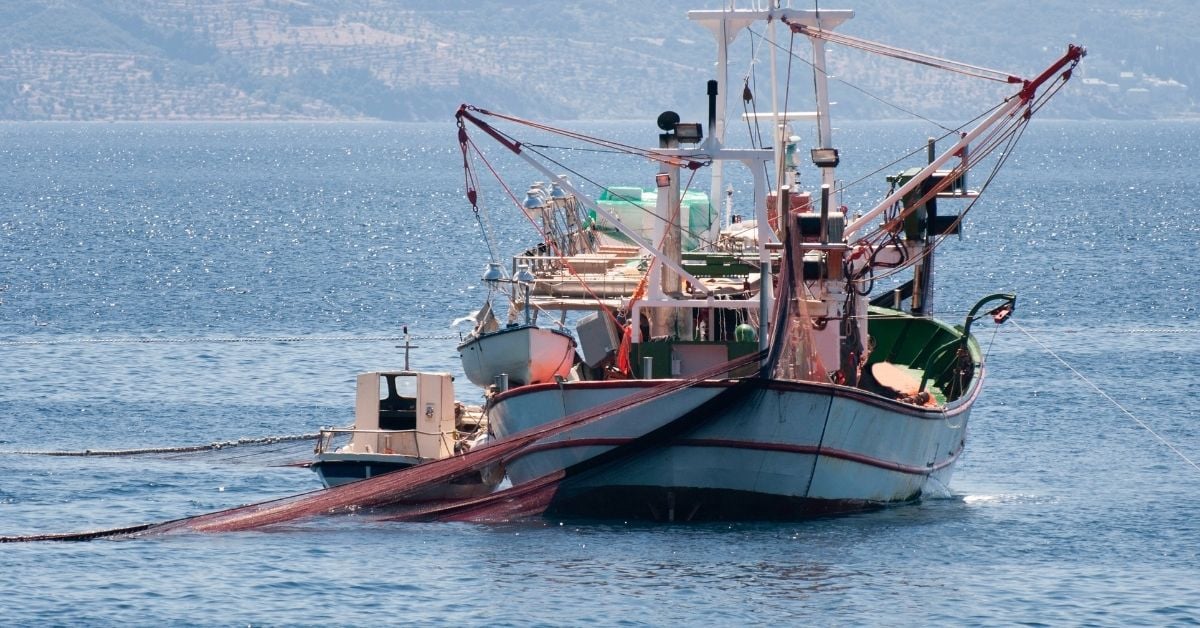
A fishing vessel flagged to Russia partially sank at the Port of Montevideo after losing stability while berthed. The incident, reported without casualties or major pollution, is a quiet reminder that maritime risk does not announce itself with alarms. It happens in port, alongside the pier, in the hours between arrivals and departures. This is not the dramatic grounding of a bulk carrier or the violence of a missile strike, but it carries the same underlying lesson: the margin between routine and emergency is thinner than we like to admit.
We have seen the heavier end of that spectrum recently. A bulk carrier spent six days aground near Gladstone, Australia, before being refloated, and a cargo ship sailing under the flag of Antigua and Barbuda was attacked in the Black Sea with fatal consequences. Those stories command attention because they involve large vessels, active conflict, or prolonged rescue efforts. But a fishing vessel losing stability in a sheltered port is a different kind of event. It is not a headline about geopolitics or a dramatic salvage operation. It is a systems failure in a controlled environment, which makes it arguably more instructive. If a ship can list and settle at a berth, without warning or extreme weather, then every operator should ask what else in their own procedures is being taken for granted.
The practical takeaway for our readers is not about the vessel itself, but about the assumptions it exposes. Ports are not passive backdrops; they are part of the operational envelope. Stability is not a one-time calculation performed at departure. It changes with loading, ballast, fuel consumption, and even the movement of crew and gear on deck. The Montevideo incident suggests that a vessel can reach a port in acceptable condition and still become a recovery operation hours later. That should push owners, charterers, and port authorities to treat mooring watches and in-port stability checks with the same rigor as open-water navigation. The related reports we have covered recently underline this point: whether the risk is a hard grounding in Queensland or a fatal attack in the Black Sea, the common thread is that preparedness is not optional. It is the only thing standing between a routine call and a casualty.
What we would tell a reader who asks about this story is straightforward: do not wait for the investigation report to review your own procedures. If you operate fishing vessels, ask when the last stability test was run with actual cargo weights. If you manage a port, verify that your monitoring protocols catch a slow list before it becomes a permanent one. If you are a crew member, trust your observations about unusual motion or sound, because the data you report might be the only early warning available. The specific cause here will come out in due course, but the structural lesson is already visible. The ocean does not need to be stormy to be dangerous, and a ship does not need to be miles offshore to be at risk. The next incident will happen somewhere, and it will likely happen in a place where everyone assumed it could not. That is the detail to watch: not just what happened in Montevideo, but whether any port or operator changes their behavior because of it.