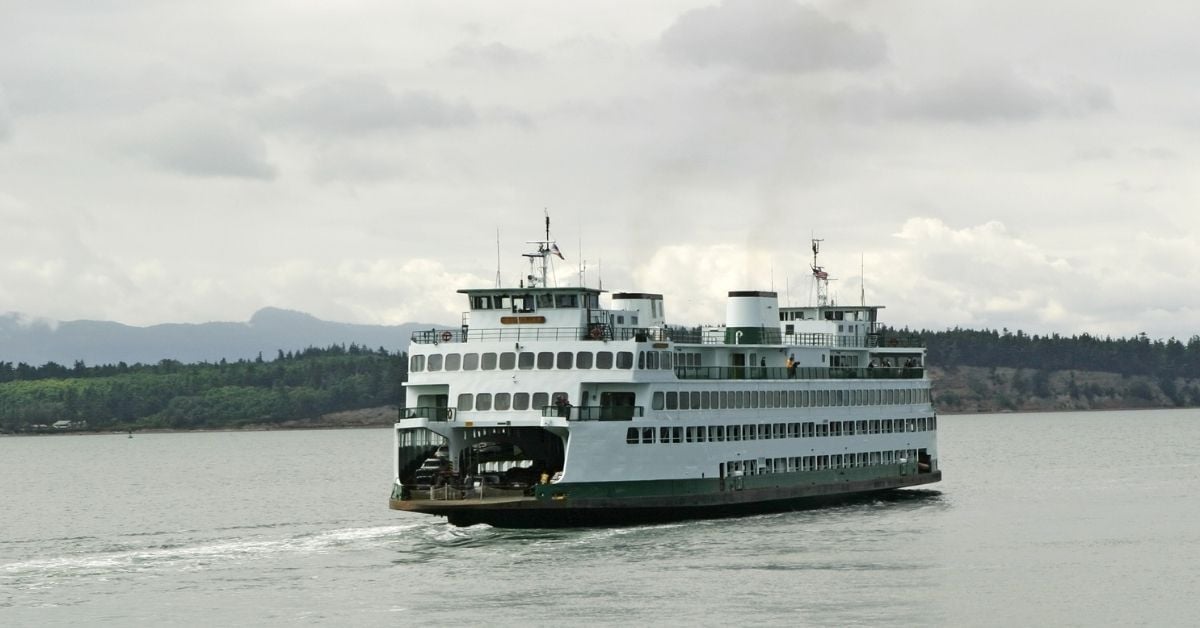
The sinking of the passenger ferry *FILO Jet* off Kyrenia, with eight lives lost and seven individuals now detained, is not an isolated incident. It lands in a troubling pattern of maritime emergencies across the Eastern Mediterranean this season. We have recently seen a Cargo Ship Fire Prompts Evacuation Near Mykonos; Incident Under Investigation and a Bulk Carrier Freed After Prolonged Grounding Near Gladstone, Australia, yet the loss of a passenger vessel carries a distinct weight. This is not about hulls and cargo; it is about the contract between operator and passenger, a bond that should be ironclad.
Our take is blunt: the detention of seven people signals that authorities suspect this was not merely a tragic accident but a failure of protocol, oversight, or judgment. For our readers, this is a practical warning. When you book passage on a ferry, you are not just buying a ticket across the water. You are placing trust in a chain of responsibility that includes the captain, the crew, the owning company, and the flag state. The investigation will determine where that chain broke, but the immediate lesson is that effective safety culture cannot be calibrated after a disaster. It must be integrated into every pre-departure checklist and every emergency drill.
The related incidents this month reinforce a sobering truth: the maritime environment is unforgiving of complacency. A fire on a cargo ship forces a rapid evacuation; a grounding halts a bulk carrier for days. Each incident is a data point. However, a ferry sinking with fatalities is a different category of failure because it involves the most vulnerable participants: passengers who have no control over the vessel's operation. We would tell any reader who asks: do not wait for the official report to understand the risks. Scrutinize the safety record of the operator you choose, and support regulatory bodies that conduct unannounced inspections. The value of a life is not measurable in a balance sheet, but the cost of negligence is.
The specific detail to watch now is the legal outcome for the seven detained. Their actions, or lack thereof, will be dissected to set a precedent for accountability. A clear takeaway from this tragedy: robust enforcement after an incident is necessary, but it is a failure of the system if it is the only enforcement that occurs. The ocean demands respect, and the industry must validate that respect with action. We will be watching to see if this leads to concrete changes in how passenger ferries are managed, or if it becomes another footnote in a season of avoidable losses.