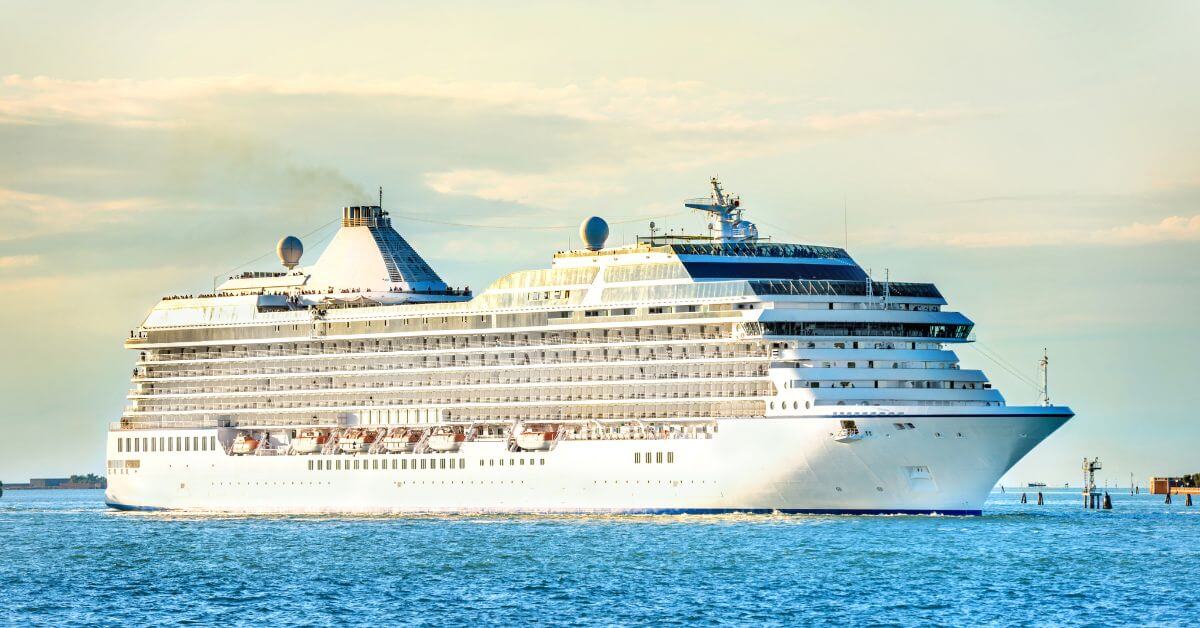
A fire aboard the cruise ship *Amadea* off the coast of Denmark triggered an evacuation of 320 passengers, with police, firefighters, and the Danish Emergency Management Agency responding after the alarm was raised. The incident is a stark reminder that the ocean remains an unpredictable environment, even for the most modern vessels. It follows a pattern of recent maritime emergencies, including a Cargo Ship Fire Prompts Evacuation Near Mykonos; Incident Under Investigation and a Fatal Attack on Cargo Ship Highlights Black Sea Shipping Risks, which together underscore the persistent dangers that define life at sea. These events are not isolated; they are data points in a larger pattern that demands our attention.
The response to the *Amadea* fire was swift, and that is precisely the point. In the maritime domain, minutes matter, and the difference between a contained incident and a catastrophe is often the readiness of the crew and the speed of coordinated shore-based support. What stands out here is not the fire itself, which can start from a range of mechanical or human factors, but the fact that the evacuation was ordered and executed without reported chaos. That speaks to drilled procedures, but also to a culture of preparedness that must be maintained long after a ship leaves port. We cannot treat this as a one-off event, especially when the same week brings news of a second endangered whale found dead on a cruise ship bow in Alaska. The ocean is a system of interconnected risks, and every incident, whether a fire or a collision, reveals something about our collective readiness.
Our take is direct: this is not a time for complacency or for pointing fingers at the cruise line. It is a moment for the industry to treat every alarm as a lesson, and for regulators to ask whether current safety protocols are calibrated to real-world conditions, not just compliance checklists. For passengers, the practical takeaway is equally clear: know the safety briefings, know where the muster stations are, and understand that a ship is not a floating hotel but a complex machine operating in a harsh environment. For the industry, the question is whether we are using events like these to build a more integrated data ecosystem, one that can predict and prevent failures before they escalate.
What we would tell a reader who asks us about this story is simple: pay attention to the patterns, not just the headlines. The *Amadea* fire is a validation of why continuous investment in fire suppression, crew training, and real-time monitoring is not optional. The specific consequence to watch is how the Danish authorities and the cruise operator frame the cause of the fire in the coming weeks. If the investigation points to a systemic issue, we should expect calls for stricter standards. If it was an isolated fault, the lesson is still to keep drilling. The ocean gives no second chances, and the difference between a well-executed evacuation and a tragedy is the quiet work done long before the alarm sounds. That is the metric we should all be watching.