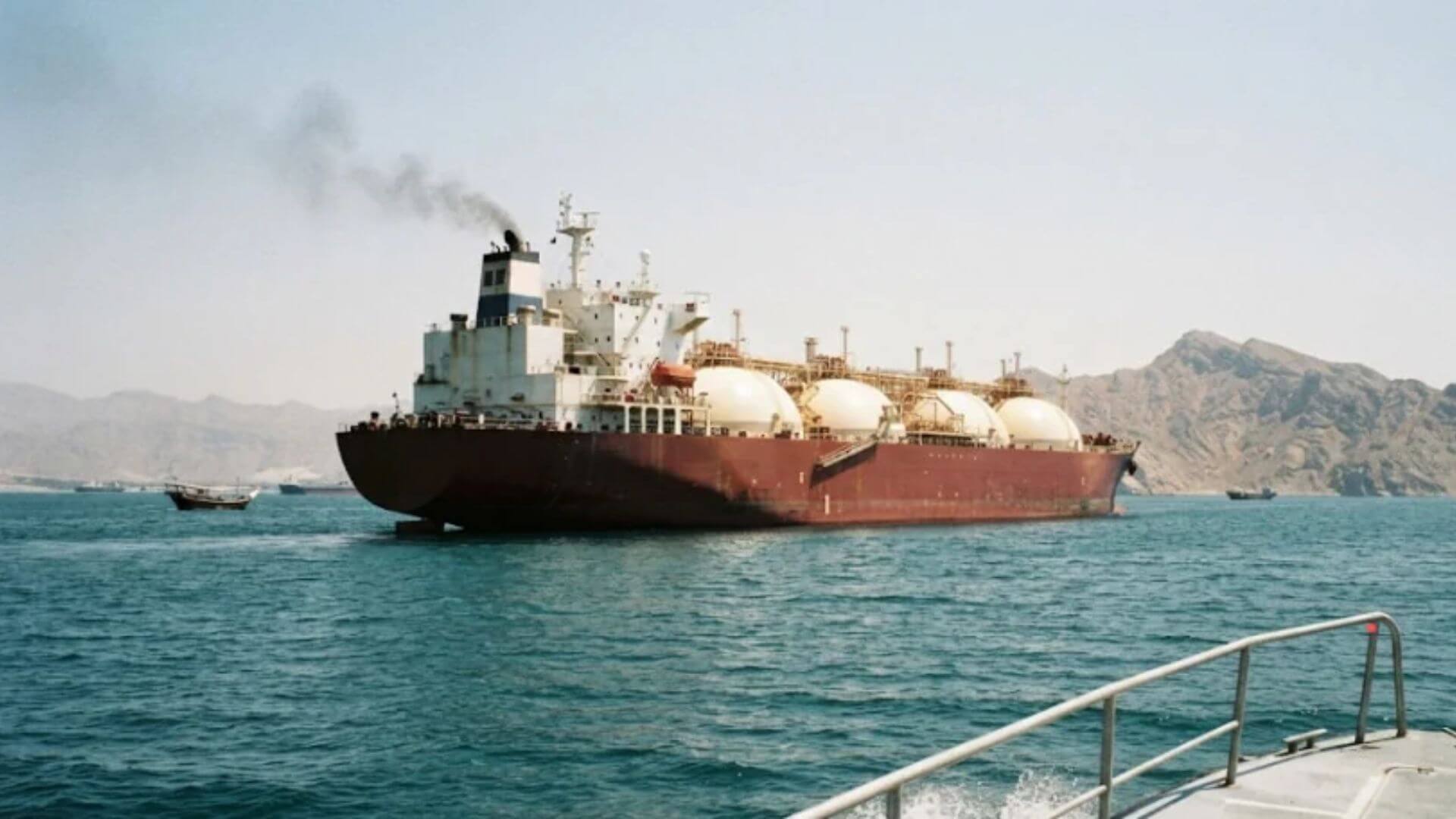
The Strait of Hormuz is not a laboratory where we can afford to learn by failure, it is a chokepoint where every incident produces measurable consequences for global energy flows, crew safety, and marine ecosystems. The November 16 missile strike on the LPG tanker *Tara Gas* that ignited an engine-room blaze and forced the evacuation of 25 seafarers, including 24 Indian nationals, is a clear empirical signal that the security architecture in these waters is failing. This is not an isolated event; it is the 17th recorded incident this month alone, part of a pattern described as continuing Iranian attacks on commercial vessels while the United States enforces a naval blockade of Iranian ports. The fact that all crew members were evacuated safely, as confirmed by Indian Minister Sarbananda Sonowal, is a testament to onboard emergency protocols, not to the sustainability of the current security environment.
This incident sits alongside two other recent developments that together paint an integrated picture of maritime risk and response. The Three carrier strike groups now converge in Middle Eastern waters signals a calibrated military buildup, yet the *Tara Gas* attack shows that naval presence alone does not prevent asymmetric strikes on commercial tonnage. Meanwhile, the Rescue in the Black Sea: Drone Strike Capsizes Cargo Vessel Off Bulgaria demonstrates that the weaponization of commercial shipping is not confined to one region, it is a global pattern demanding integrated, real-time data ecosystems for threat detection and response. For the ocean intelligence community, the *Tara Gas* fire is a data point that must be validated against broader climate and security indicators: a burning LPG tanker releases both greenhouse gases and local pollutants, and the UK Maritime Trade Operations centre has already stated that the extent of damage and any environmental impact remain unknown.
Our take is straightforward: the industry cannot treat these attacks as political theater. Every missile strike that disables a vessel introduces measurable risk to crew, cargo, and the marine environment. The 25 crew members aboard *Tara Gas* are safe, but that outcome is not guaranteed in the next incident. The Indian government's monitoring of the situation and its contact with the ship's management company are appropriate, but they are reactive. What is needed is a shift toward predictive ocean intelligence, peer-reviewed, longitudinal data on attack patterns, vessel movements, and environmental baselines that can inform routing decisions before a missile is launched. The India Charts $10 Billion Course to Top 5 Global Shipbuilding Rank ambition is forward-thinking, but new tonnage will operate in the same dangerous waters unless the integrated data ecosystem improves.
The concrete question that remains unanswered is whether the *Tara Gas* fire has released any LPG or fuel into the water column, and whether the engine-room blaze compromised the vessel's structural integrity. Until UKMTO or a third party provides those empirical measurements, the full cost of this strike, human, economic, and environmental, remains uncalibrated. That is the detail to watch.