India's ambition to secure nearly USD 10 billion in investment for five new shipbuilding clusters is a signal worth reading closely. This is not merely an industrial expansion; it is a calibrated bet on the ocean as a strategic domain. For our readers, whether you track climate indicators, maritime logistics, or the evolution of ocean intelligence, this move reconfigures the map of who builds what on the water. The fact that global players like Samsung Heavy Industries and HD Hyundai attended the India Shipbuilding Investment Conclave 2026, alongside the recent launch of HD Hyundai's 600-ton crewless warship, suggests a convergence worth watching: A 600-ton unmanned warship signals a new era in ocean intelligence. India's greenfield clusters could become the assembly points for the next generation of autonomous and semi-autonomous vessels, not just conventional hulls.
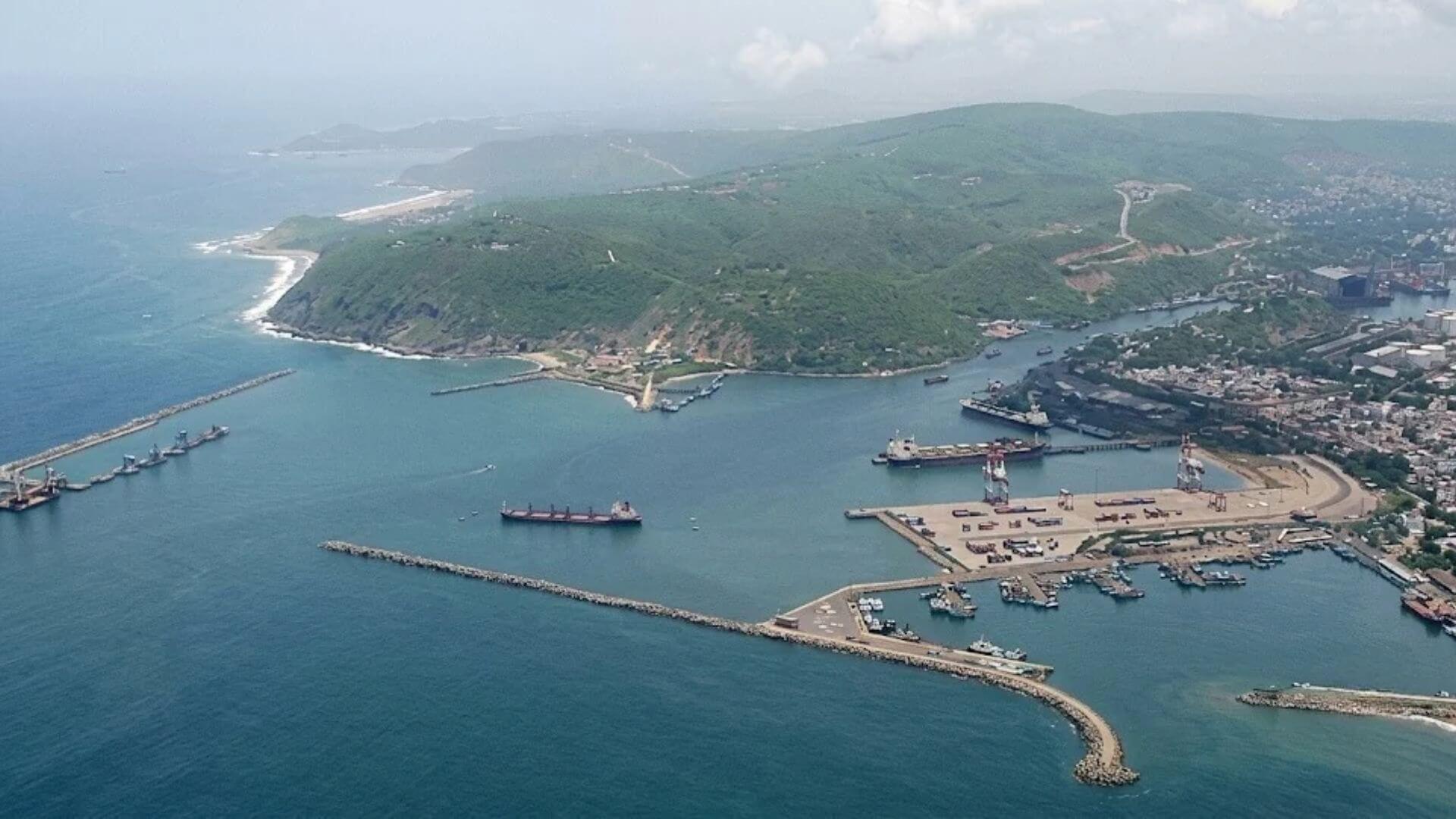
The numbers are concrete. India's domestic demand sits at over 400 ships, with an active order pipeline of more than 150 vessels valued at over USD 1.7 billion. Critically, over 80% of that order value comes from exports. That export orientation is what distinguishes this push from earlier shipbuilding efforts. The proposed clusters in Dugarajapatnam (Andhra Pradesh), Kuchhadi (Gujarat), Kendrapada (Odisha), Dighi (Maharashtra), and Thoothkudi (Tamil Nadu) are positioned to serve global shipping lines, not only the Indian fleet. This aligns with the broader strengthening of India's role in the Eastern Maritime Gateway, as seen in the recent development of four new ports in Andhra Pradesh: Four New Ports Strengthen Andhra Pradesh's Role in the Eastern Maritime Gateway. The infrastructure being built now, modern facilities, ready-to-use land, and joint Centre-state coordination, is designed to integrate into an integrated data ecosystem of global trade routes.
What this means in practical terms: India is aiming for a top-five global shipbuilding rank by 2047, but the intermediate target of top ten by 2030 is the more revealing benchmark. That timeline forces a question about capacity. Building five clusters simultaneously requires validated supply chains for steel, propulsion systems, and skilled labor. It also demands empirical data on port readiness and environmental impact, something the recent empirical confirmation of crew safety after a projectile strike on a crude tanker off the UAE reminds us is never optional: Empirical data confirms crew safety after projectile strike on crude tanker off UAE. For policymakers and investors, the open question is whether these clusters will be designed for modular, repeatable vessel construction or for bespoke, high-value naval and research ships. The answer will determine whether India becomes a volume player or a precision specialist.
The specific detail to watch is the order pipeline's export composition. If 80% of current value is already foreign, then these clusters are not built for domestic substitution, they are built for global integration. That makes the success of the clusters dependent on international shipping cycles, trade policy, and maritime security in the Indian Ocean. India's shipbuilding ambition is measurable, and the first real data point will come when the first keel is laid in one of these five zones. Until then, the plan is a hypothesis. The ocean will test it.