engine room fire
World Data Ocean keeps engine room fire in one place: 7 stories so far. The section currently leads with “A single Strait of Hormuz crossing now costs $64 million in insurance”, “Missile Strike Ignites Engine-Room Blaze in Hormuz, Crew of 25 Evacuates Safely”, and “Empirical data confirms crew safety after projectile strike on crude tanker off UAE”. A single Strait of Hormuz crossing now costs $64 million in insurance, up from $54,000 before the war. A missile strike in the Strait of Hormuz has ignited an engine-room blaze aboard an LPG tanker, forcing its 25 crew members to evacuate safely. A Global Hub for Ocean Intelligence 4 World Data Ocean is a centralized digital platform where researchers, scientists, and ocean enthusiasts converge to… The list below is every engine room fire story on World Data Ocean, newest first.
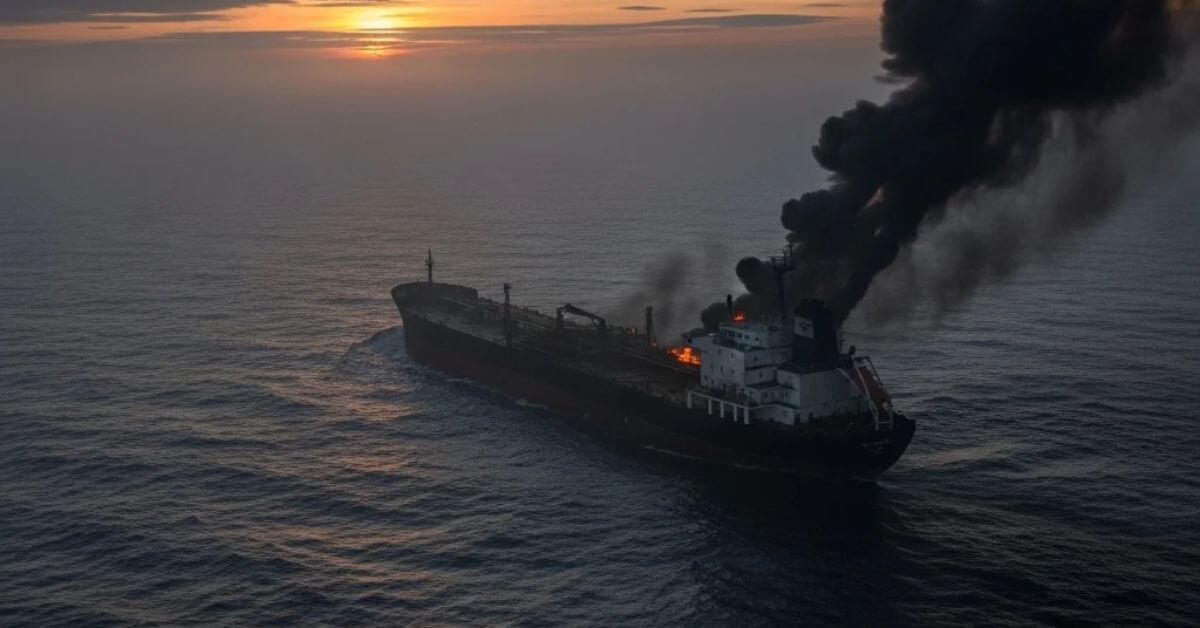
A single Strait of Hormuz crossing now costs $64 million in insurance
A single Strait of Hormuz crossing now costs $64 million in insurance, up from $54,000 before the war. Acting US Navy Secretary Hung Cao delivered that staggering figure to senators, quantifying a risk that reshapes global maritime strategy. This is not an abstract geopolitical tension, it is a measurable cost that recalibrates shipping economics overnight. For context on how naval posture is adapting, see our related coverage of the carrier presence shifts as the Middle East force reduces to two vessels.
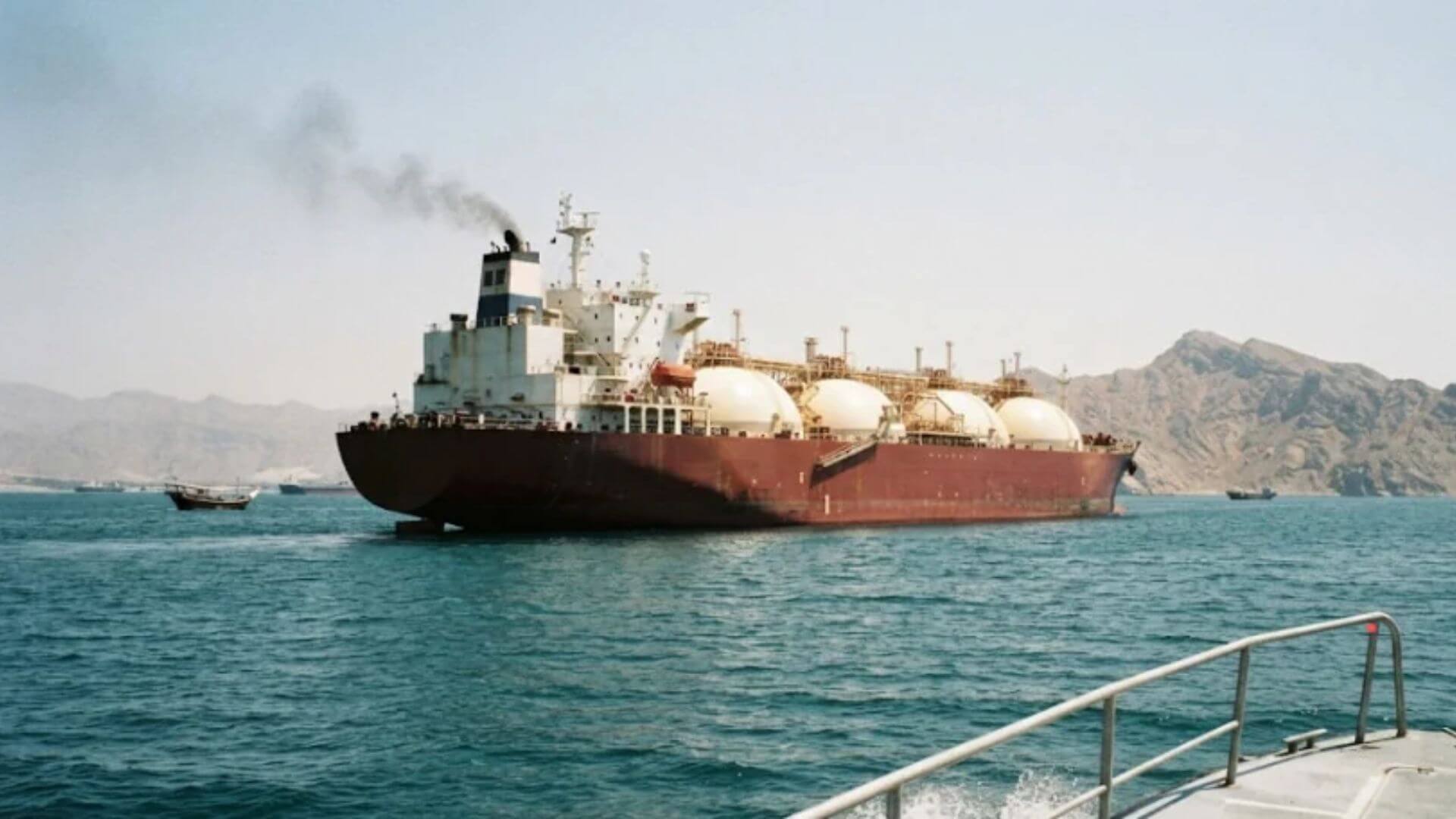
Missile Strike Ignites Engine-Room Blaze in Hormuz, Crew of 25 Evacuates Safely
A missile strike in the Strait of Hormuz has ignited an engine-room blaze aboard an LPG tanker, forcing its 25 crew members to evacuate safely. Maritime security firm Vanguard Tech confirmed the attack on November 16, 2026. This incident underscores the escalating risks to commercial shipping in a waterway that handles a third of the world's seaborne oil. For deeper context on regional naval posture, see our related coverage of *Three carrier strike groups now converge in Middle Eastern waters*.
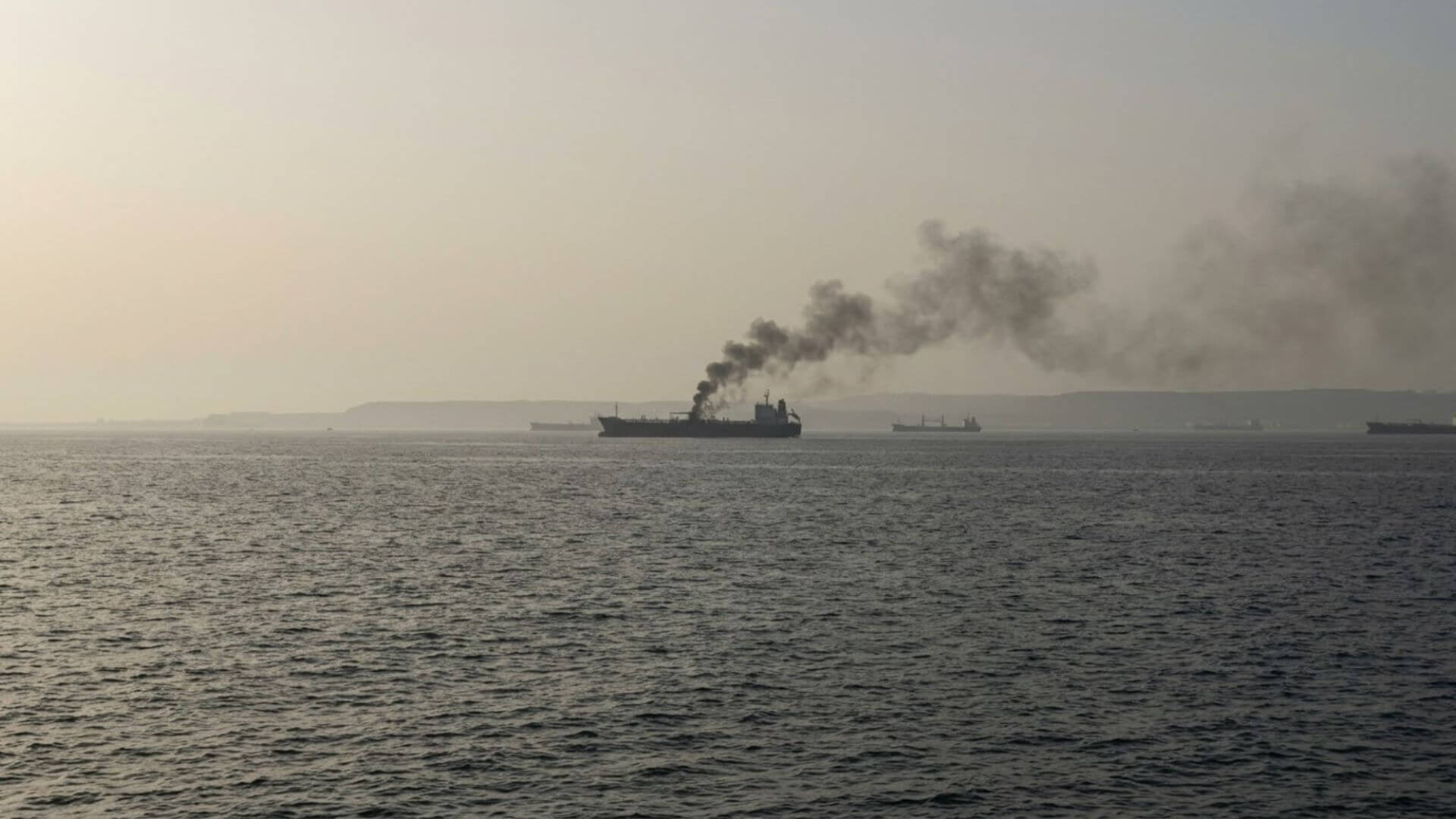
Empirical data confirms crew safety after projectile strike on crude tanker off UAE
On November 11, 2026, a projectile struck a Liberia-flagged crude oil tanker carrying 22 seafarers off the UAE port of Mina Saqr. Empirical data now confirms that all crew members are safe, a measurable outcome that underscores the critical importance of validated maritime safety protocols. This incident follows recent regional hazards; our coverage of "Enforcing maritime safety in the Strait of Hormuz saves lives and ensures data integrity" explores the systemic safeguards needed to protect seafarers and preserve ocean intelligence.
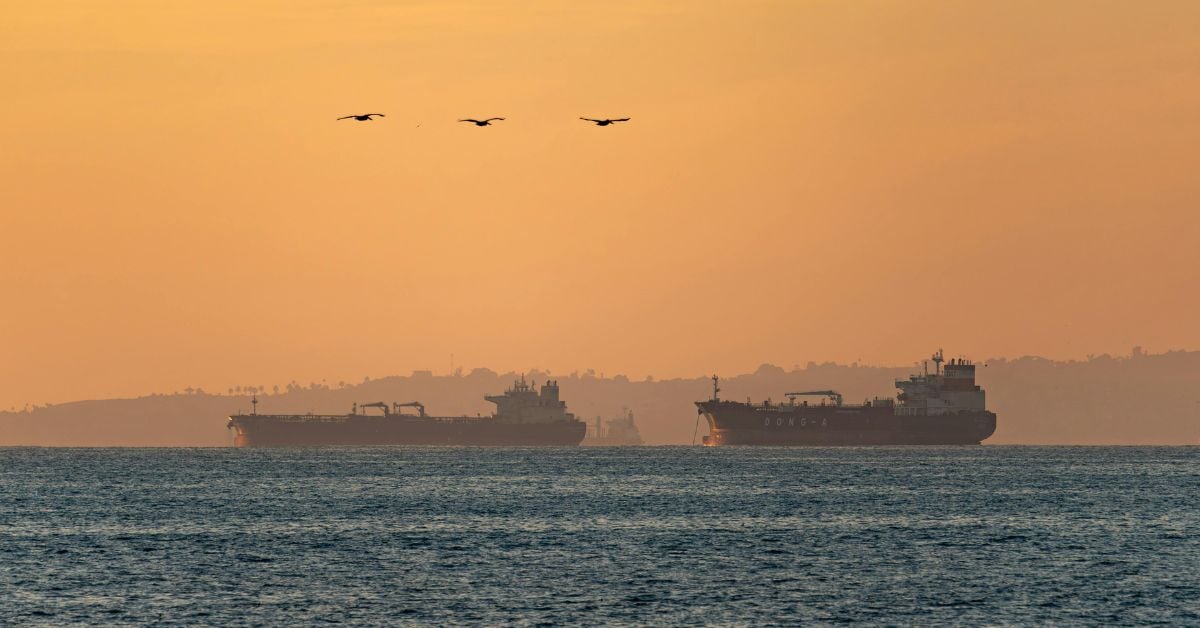
Redirected Iranian naval tactics target Gulf shipping lanes with limpet mine strikes
Iran has redirected its naval strategy in the Gulf, broadening attack areas with limpet mine strikes on commercial shipping lanes. This tactical shift, executed under the threat of fresh US and Israeli strikes, escalates a dangerous pattern of asymmetric maritime warfare. Understanding drives protection, and this development demands calibrated, real-time monitoring. For deeper context on escalating threats to commercial vessels, see our coverage of the drone strike that sank a Greek container ship in the Black Sea.

Blackout-Hit Car Carrier Experiences Temperature Increase in Panamanian Waters
A crewless, blacked-out car carrier is drifting in Panamanian waters with a rising internal temperature, a scenario that demands precise, coordinated intervention. When a vessel loses all electrical power, every minute without restoration introduces new variables. This is not a time for alarm, but for calibrated response. For related analysis on maritime risk, see our coverage of the cargo ship fire near Mykonos. Understanding drives protection, especially when no crew remains aboard.

Engine Room Fire Aboard Reefer Ship at Port of Wilmington.
Emergency teams responded to an engine room fire aboard the *Dole Colombia*, a Bahamas-flagged reefer ship at Delaware's Port of Wilmington on August 10, 2026. The incident underscores how quickly operational risks can emerge, even in port. Response efforts were immediate, and the situation was contained. For context on maritime security challenges, our related piece, "Maritime Interdictions Yield 25,000 Pounds of Cocaine, Supporting Ocean Security," highlights how agencies are also tackling broader threats at sea.

Engine Room Fire Aboard Car Carrier Reported Off Costa Rica
At 1:09 p.m. local time, the U.S. Coast Guard Southwest District received an Inmarsat distress alert from a car carrier reporting an engine room fire off Costa Rica. The incident underscores the persistent risks facing modern shipping, where mechanical failure can escalate swiftly into a safety emergency. Response efforts are now underway, though details remain limited. For broader context on recent maritime fire incidents, our coverage of the cargo ship fire near Mykonos offers a comparable case.