Missile attack
11 stories filed under Missile attack on World Data Ocean. The newest of them: “Validated Data: Eight Marines Injured in Strait of Hormuz Missile Strike”, “Escalation in Strait of Hormuz: Iran Tests Missile Near U.S. Navy.”, and “Red Sea Attack: Seafarers' Remains Transferred for Repatriation.”. Eight US Marines were injured when an Iranian anti-ship cruise missile struck their vessel in the Strait of Hormuz. Iran's IRGC announced a missile test near a U.S. A Global Hub for Ocean Intelligence 4 World Data Ocean is a centralized digital platform where researchers, scientists, and ocean enthusiasts converge to… The list below is every Missile attack story on World Data Ocean, newest first.
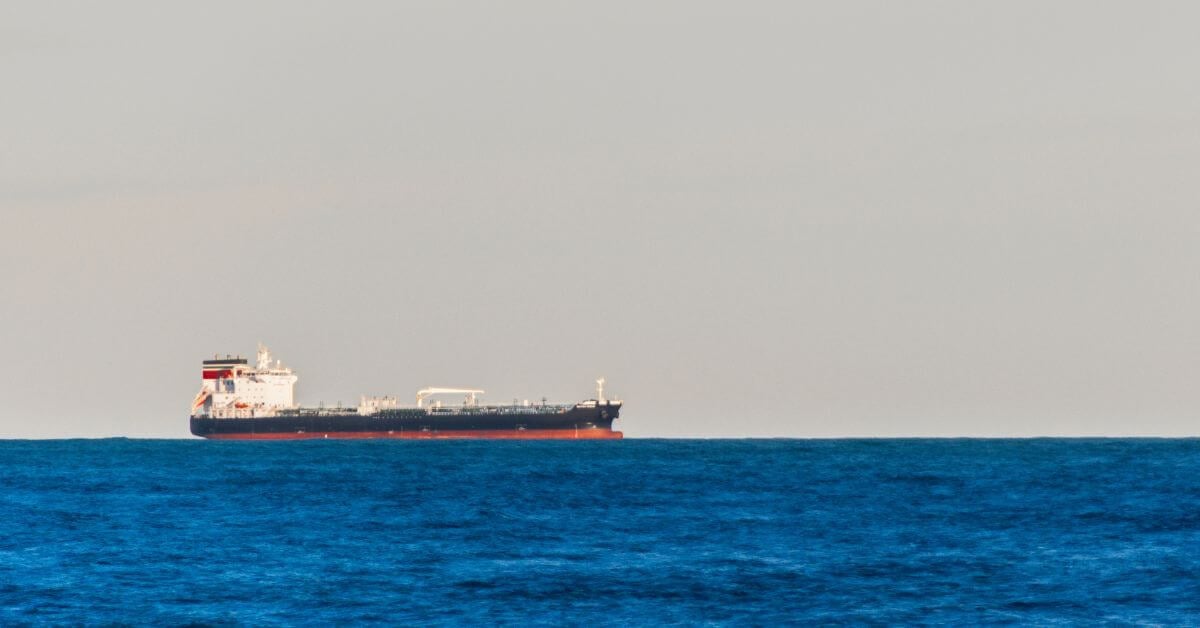
Validated Data: Eight Marines Injured in Strait of Hormuz Missile Strike
Eight US Marines were injured when an Iranian anti-ship cruise missile struck their vessel in the Strait of Hormuz. This is a measurable escalation in a waterway already under strain. Validated data from the incident underscores the human cost of strategic friction. Understanding these risks requires an integrated view of regional activity. Our coverage of the recent Gulf of Oman STS transfers offers further context on the pressures shaping this maritime corridor.
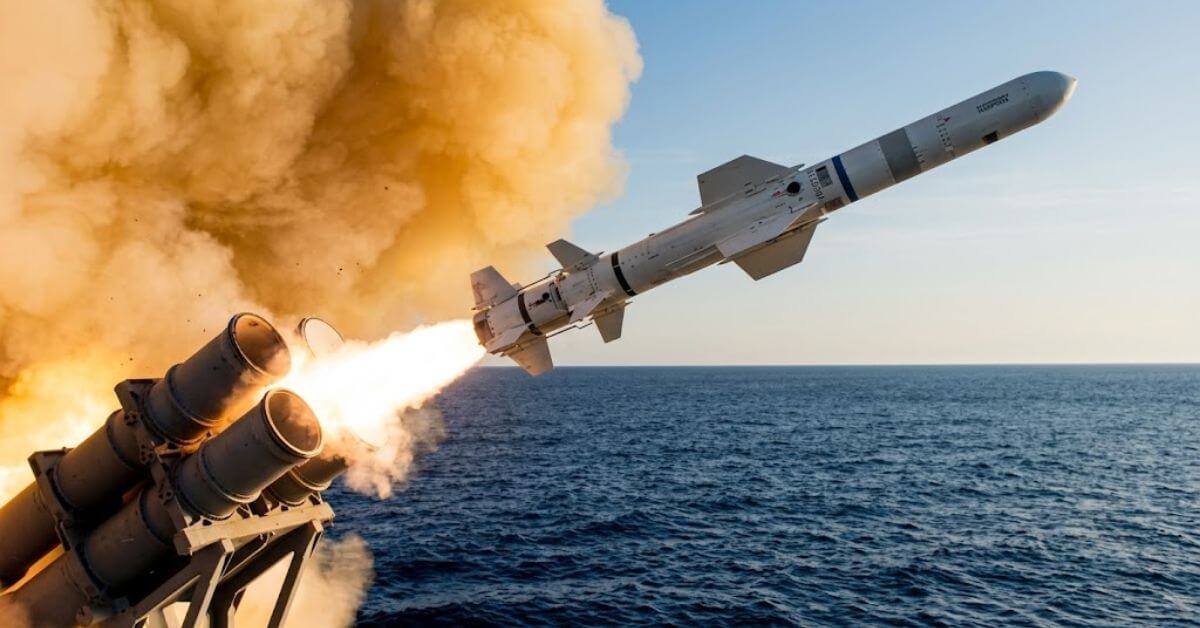
Escalation in Strait of Hormuz: Iran Tests Missile Near U.S. Navy.
Iran's IRGC announced a missile test near a U.S. aircraft carrier and destroyer in the Strait of Hormuz, a calibrated escalation that demands measured analysis. This is not alarmism; it is a real-time indicator of strategic friction in a waterway that carries a fifth of global oil. Such actions validate the urgency of integrated maritime monitoring. For deeper context on regional oil flows, see our related article on Gulf of Oman STS transfers operating at maximum capacity. Understanding drives protection.

Red Sea Attack: Seafarers' Remains Transferred for Repatriation.
The transfer of four seafarers' remains from Yemen to Saudi Arabia marks a somber step toward closure for families awaiting repatriation after the Houthi missile attack. This is the human cost beneath the headlines, and it underscores why maritime security cannot be treated as a sidebar issue. The Gulf of Oman STS Transfers Max Out Amid Rising Saudi Oil Exports shows how regional pressures ripple through shipping networks, but today we focus on the lives lost and the dignity of their final journey.

UAE Suspends Trade with Iran Following Missile Incident Dispute
The UAE's decision to suspend trade with Iran lands with the weight of a diplomatic ultimatum, though its foundation appears shaky. Esmaeil Baghaei, Iran's foreign ministry spokesperson, dismissed the accusation as baseless, a rebuttal that sharpens rather than resolves the tension. This dispute unfolds against a fragile backdrop of maritime pressure, where the Strait of Hormuz remains a flashpoint. Readers tracking the broader reopening efforts may find context in our related coverage, "Phased Negotiations Aim to Ease Restrictions on Strait of Hormuz.

Vessel Attack in Bab El-Mandeb: Egypt Denies Link to Damaged Ship
A Houthi missile strike on a commercial vessel in the Bab El-Mandeb Strait has left six dead and ten injured, with Egypt denying any link to the damaged ship. The attack underscores the fragile calculus of maritime security, where a single launch can ripple across trade routes and diplomatic lines. Egypt's response is measured, but the incident sharpens the question of who truly polices these waters.

Red Sea Tensions Rise: Houthis Report Strike on Saudi Vessel
The latest Houthi claim of a strike on a Saudi vessel lands with familiar weight, arriving just days after a missile attack killed six crew members aboard the cargo ship *Tihamah* in the Bab al-Mandeb Strait. Each incident tightens the knot on maritime security, and the pattern is measurable. These are not isolated provocations; they are pressure points on a route that sustains global trade.

Missile Attack on ADNOC Vessel Highlights Regional Maritime Risks
On August 8, 2026, a missile attack on an ADNOC vessel crossing the Strait of Hormuz underscored the fragility of regional maritime routes. The incident is a measured reminder that shipping lanes remain exposed to geopolitical friction. Such strikes do not occur in isolation; they strain the integrated data ecosystems that monitor these waters. For context on diplomatic efforts, our related piece, "Phased Negotiations Aim to Ease Restrictions on Strait of Hormuz," outlines ongoing talks.

Thermal Data Links Jebel Ali Port Fire to Fuel Storage Facility.
NASA thermal imagery has pinpointed a fire at a warehouse near Jebel Ali Port, linking the blaze to a fuel storage and transfer facility. The data offers a stark, empirical view of an incident with immediate implications for regional energy logistics. This is exactly the kind of event where real-time ocean intelligence and thermal monitoring prove their worth, not as abstract tools, but as calibrated eyes on critical infrastructure.

Missile Strike Impacts LPG Tanker in Strait of Hormuz Waters
A missile strike has struck an LPG tanker near the Strait of Hormuz, according to the Forward Seamen's Union of India, as the vessel made its way toward the Persian Gulf. The incident underscores the fragile security calculus in a waterway that carries a third of global liquefied gas trade. For seafarers, the risk is not abstract; it is measured in steel, fire, and the open sea. This is why infrastructure like the Seafarers' Welfare Centre at Goa's Mormugao Port matters more than ever.

Seafarers Await Rescue: UN Urges Action in Critical Strait.
The Strait of Hormuz is not a headline; it is a holding pattern for thousands of lives. The International Maritime Organization reports that roughly 6,000 seafarers remain stranded aboard hundreds of ships, waiting for a resolution that cannot come soon enough. This is not an abstract geopolitical impasse; it is a human logjam with real consequences. The urgency is measurable, and the call for action is clear.

Strait of Hormuz Attack Impacts Maritime Traffic, Claims One Life.
Missile strikes against the Mombasa and Al Bahiyah have set fires ablaze in the Strait of Hormuz, claiming one life and disrupting the flow of maritime traffic through a waterway that carries a fifth of global oil. The UAE Ministry of Defence confirmed the attacks, underscoring how fragile this strategic chokepoint has become. This incident adds to the pressure on shipping lanes already strained by regional tensions.