US Coast Guard
World Data Ocean keeps US Coast Guard in one place: 6 stories so far. The section currently leads with “Cyber Intrusion Compromises Oil Tanker Propulsion Off Texas Coast”, “Search Efforts Continue After 40 Rescued, 2 Lost Off Mona Island”, and “Chinese Research Vessels Operate Near Alaskan Coast, Raising Security Concerns”. A fully loaded oil tanker lost propulsion control off the Texas coast this summer after hackers breached its digital steering systems. A makeshift vessel capsized off Mona Island, leaving two dead and at least 40 rescued, with search efforts still underway. A Global Hub for Ocean Intelligence 4 World Data Ocean is a centralized digital platform where researchers, scientists, and ocean enthusiasts converge to… The list below is every US Coast Guard story on World Data Ocean, newest first.
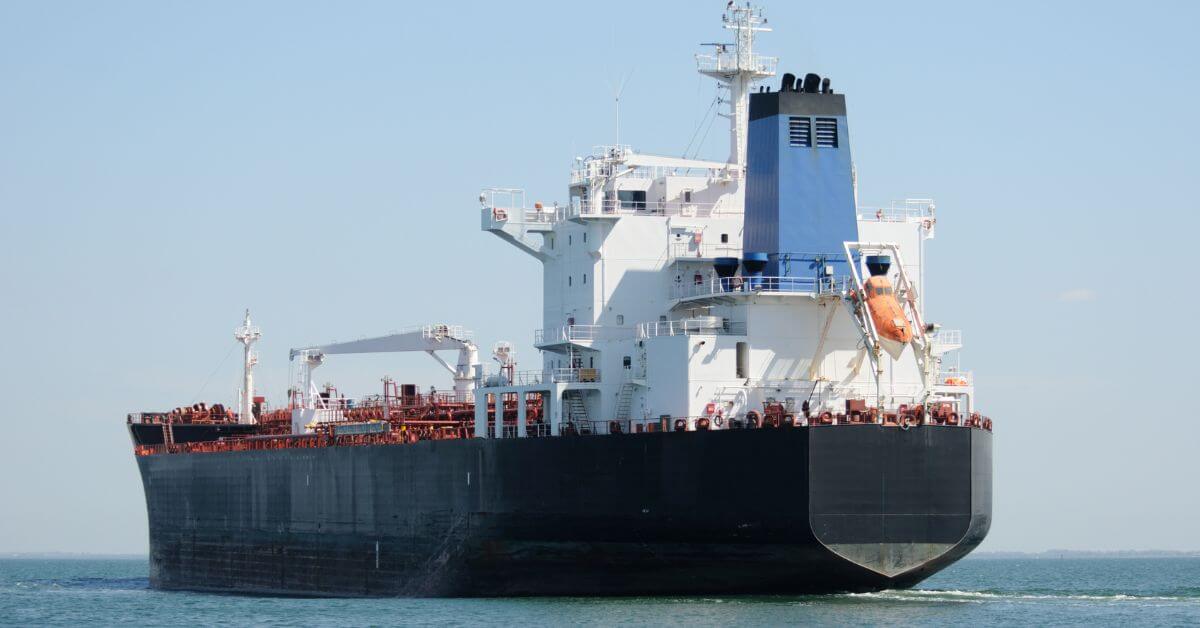
Cyber Intrusion Compromises Oil Tanker Propulsion Off Texas Coast
A fully loaded oil tanker lost propulsion control off the Texas coast this summer after hackers breached its digital steering systems. This is not a theoretical risk. The incident confirms what maritime security experts have long warned: critical ocean infrastructure remains dangerously exposed. Understanding drives protection, and this event demands we integrate cybersecurity into our ocean intelligence frameworks. For deeper context on evolving maritime threats, see our coverage of the Black Sea tanker fire.
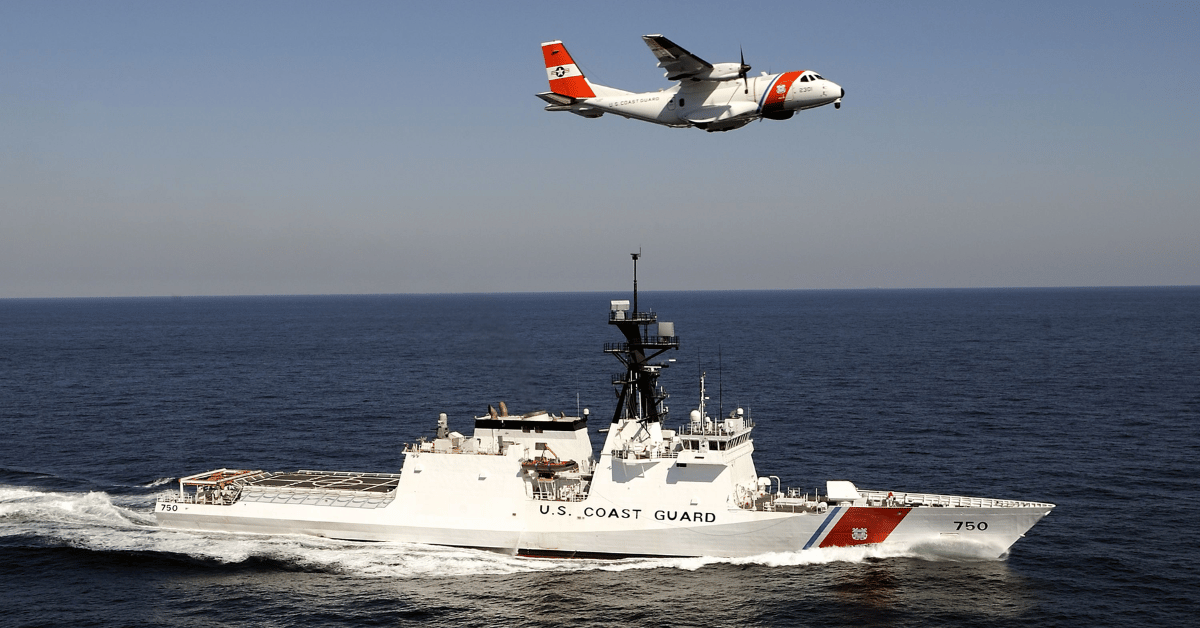
Search Efforts Continue After 40 Rescued, 2 Lost Off Mona Island
A makeshift vessel capsized off Mona Island, leaving two dead and at least 40 rescued, with search efforts still underway. Each maritime tragedy underscores the urgent need for integrated data ecosystems that can improve real-time response. For deeper context on how such events unfold, readers may explore our coverage of the "Tragedy on Lake Tanganyika: 41 Dead in Congolese Vessel Sinking." These are not isolated incidents; they are measurable climate indicators demanding empirical action. Understanding drives protection.
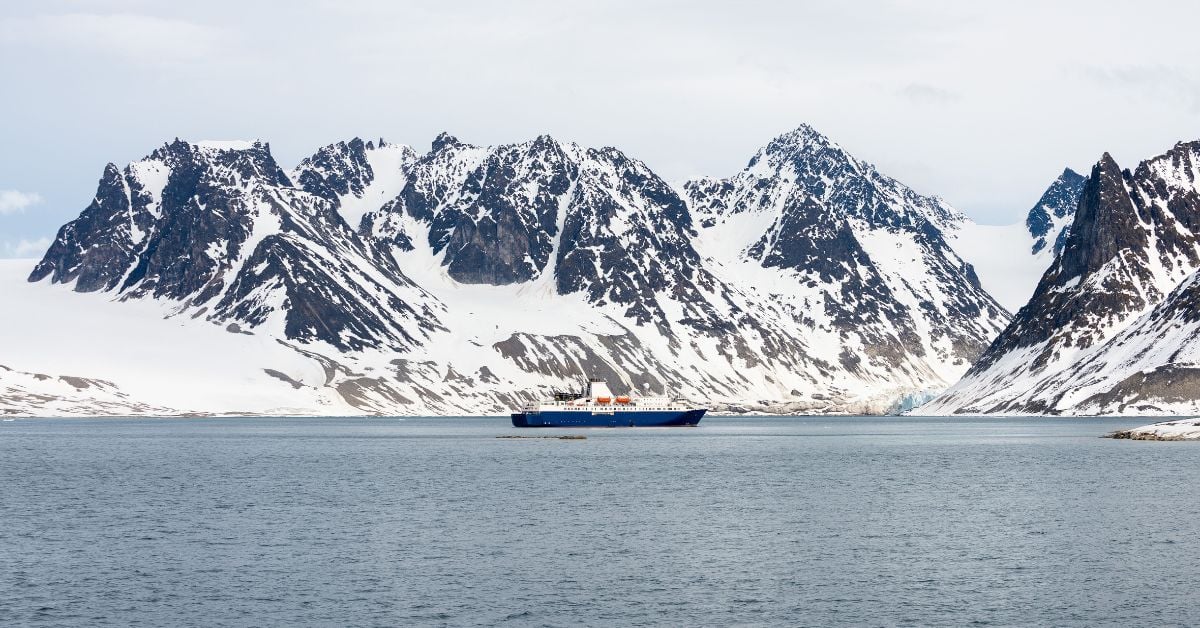
Chinese Research Vessels Operate Near Alaskan Coast, Raising Security Concerns
The presence of Chinese research vessels near the Alaskan coast signals a new layer of complexity in Arctic oversight. The United States views these operations as a potential security concern, and that reaction is measured, not alarmist. For those tracking maritime strategy, this is not abstract posturing; it is a concrete development in a region where access and influence are tightening. We should monitor these transits closely, because in the Arctic, presence itself is a form of leverage.

Blackout-Hit Car Carrier Experiences Temperature Increase in Panamanian Waters
A crewless, blacked-out car carrier is drifting in Panamanian waters with a rising internal temperature, a scenario that demands precise, coordinated intervention. When a vessel loses all electrical power, every minute without restoration introduces new variables. This is not a time for alarm, but for calibrated response. For related analysis on maritime risk, see our coverage of the cargo ship fire near Mykonos. Understanding drives protection, especially when no crew remains aboard.

Solomon Islands, U.S. Coast Guard Formalize Maritime Security Partnership.
The Solomon Islands and U.S. Coast Guard have formalized a maritime security partnership, anchored by a planned ship-rider agreement. This move arrives as Washington intensifies its Pacific engagement, countering China's expanding influence. It is a pragmatic step, one that prioritizes operational trust over rhetoric. For readers tracking regional dynamics, our related coverage on integrated subsea infrastructure shifting Indian Ocean connectivity offers useful context on how strategic ties are being redrawn. Measured, deliberate, and necessary, this agreement reflects the quiet work of building lasting maritime order.

Chinese Research Vessel Transits U.S. Waters, Signals Arctic Expansion.
The Chinese research icebreaker Xue Long has transited U.S. waters, crossing the extended continental shelf in the Bering Sea. This is not a routine passage; it signals a deliberate expansion into Arctic waters. The move carries weight for ocean intelligence, where measured, transparent activity shapes regional understanding. We track these movements because they are empirical markers of shifting marine access. For context on how maritime routes are being recalibrated elsewhere, see our related coverage in "Russia Calibrates Export Revenue for Northern Sea Route Icebreaker Fleet."