China
99 stories filed under China on World Data Ocean. The newest of them: “Mapping the Human Factors Behind Maritime Accidents Through Systematic Review”, “Measured progress: Indonesia's extreme poverty reduction mirrors China's rapid gains”, and “Measuring China's role in validated extreme poverty decline”. Human error drives most maritime accidents, yet the underlying causal factors remain stubbornly difficult to map systematically. Indonesia's extreme poverty reduction has been nearly as rapid as China's, a measured and validated progress that deserves close attention. A Global Hub for Ocean Intelligence 4 World Data Ocean is a centralized digital platform where researchers, scientists, and ocean enthusiasts converge to… The list below is every China story on World Data Ocean, newest first.

Mapping the Human Factors Behind Maritime Accidents Through Systematic Review
Human error drives most maritime accidents, yet the underlying causal factors remain stubbornly difficult to map systematically. A new systematic review of 65 eligible studies confirms that the Human Factors Analysis and Classification System has matured beyond simple accident classification into a genuinely integrated analytical tool. Researchers in China and Türkiye are leading this growth, combining HFACS with probabilistic and data-driven methods. For deeper context on how human factors shape risk models, see our related study *Quantifying human factors in vessel loss-of-control risk models*.
Measured progress: Indonesia's extreme poverty reduction mirrors China's rapid gains
Indonesia's extreme poverty reduction has been nearly as rapid as China's, a measured and validated progress that deserves close attention. While China's steep decline often dominates global narratives, Indonesia's trajectory shows that significant, empirically grounded gains are achievable beyond a single economic powerhouse. This is not a competition but a shared, encouraging signal. For deeper context on the broader dynamics at play, see our related article, "Measuring China's role in validated extreme poverty decline."
Measuring China's role in validated extreme poverty decline
Between 1990 and 2015, the world saw a remarkable decline in extreme poverty, with China contributing nearly three-quarters of that progress. This raises a critical question: was the global decline only due to China? Our analysis shows that even without China, the rest of the world still achieved measurable, though slower, poverty reduction. Understanding this distinction is essential for calibrating effective policy. For deeper context, see our related story on China's income data showing near-threshold high-income status.
China's income data shows near-threshold high-income status
China's income data now places the country just below the high-income threshold, a near miss that signals genuine progress and persistent challenge. This measured advance reflects decades of calibrated economic transformation. Understanding such empirical milestones drives protection of development gains. For deeper context on global turning points, our analysis on global population trends reaching a measurable turning point in 2023 offers parallel insights into the world's shifting benchmarks.
Tracking the nations with the largest share of historical CO₂ emissions
A small number of nations account for the vast majority of historical CO₂ emissions. The United States leads, followed by the broader European Union and China, yet cumulative responsibility looks very different from annual rankings. This distinction matters for climate equity. Understanding these validated, empirical differences in contribution is essential for calibrating global action. For a complementary perspective on how economic pressures reshape regions, see our related piece on uneven house price surges across EU member states.
China's electric vehicle acceleration offers measurable data for global climate indicators
China's electric vehicle adoption is accelerating faster than in the European Union or the United States, providing validated, real-world data for global climate indicators. This measurable shift demonstrates how policy and innovation can align to reduce emissions at scale. For deeper context on the nations that have shaped our carbon legacy, see our related analysis, "Tracking the nations with the largest share of historical CO₂ emissions." Understanding these trajectories is essential for informed ocean stewardship.
Tracing cobalt from Congo's mines to China's refineries maps the supply chain
Cobalt's journey from the mines of the Democratic Republic of Congo to China's refineries is a supply chain that demands transparency. Most of the world's cobalt is mined in the DRC, but nearly all refining happens in China. This geographic decoupling creates measurable risks, and opportunities, for traceability. Understanding these flows is essential for building a truly integrated data ecosystem around critical minerals. For deeper context on how global shifts reshape our climate indicators, see our related piece on Africa's projected population doubling by 2070.
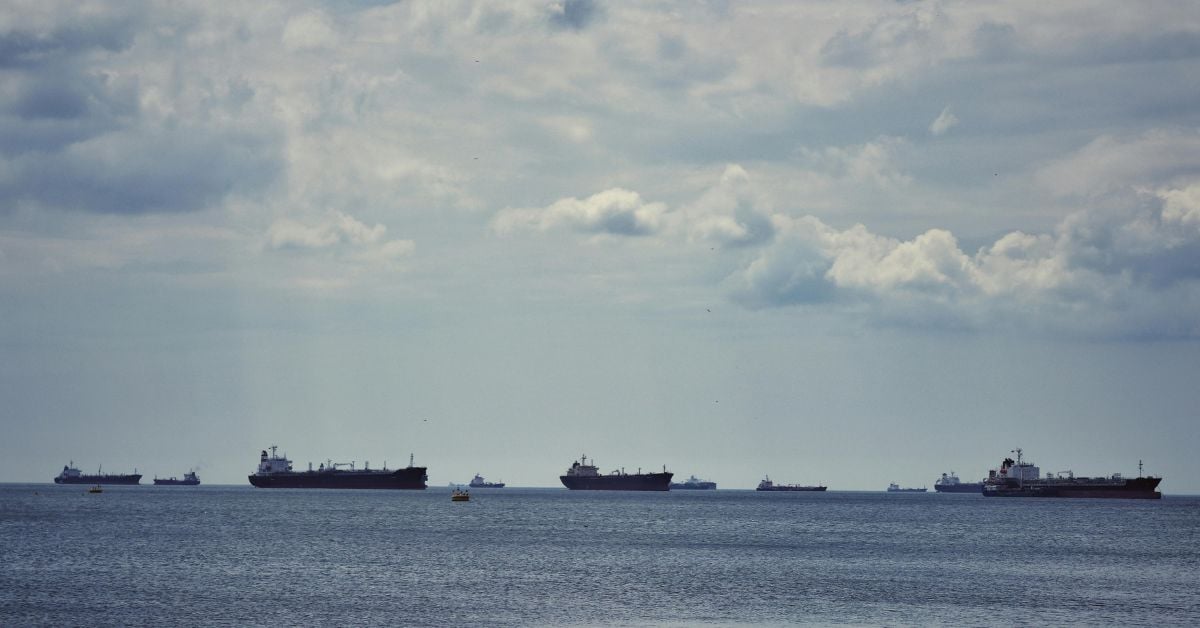
Stranded Iranian Vessels Off Sri Lanka Test Supply Limits and Sanctions Calculus
At least 19 Iranian cargo vessels sit idle off Sri Lanka, their fuel, food, and water supplies running low. This is not merely a logistical standoff; it tests the limits of supply-chain resilience and the calculus of international sanctions. The stranded ships highlight how geopolitical pressures ripple through global trade networks. Our related coverage on how divergent population trajectories reshape climate indicators offers a broader context for understanding such interconnected pressures.
Divergent population trajectories reshape global climate indicators
India, China, Europe, and the United States are charting profoundly different demographic futures, and these divergent population trajectories are reshaping global climate indicators. As some nations age and others grow, the pressure on resources and emissions shifts in measurable ways. Understanding these calibrated, real-time changes is essential. For deeper context, our piece on the aging global population doubling by mid-century explores how these demographic shifts are reshaping coastal systems.
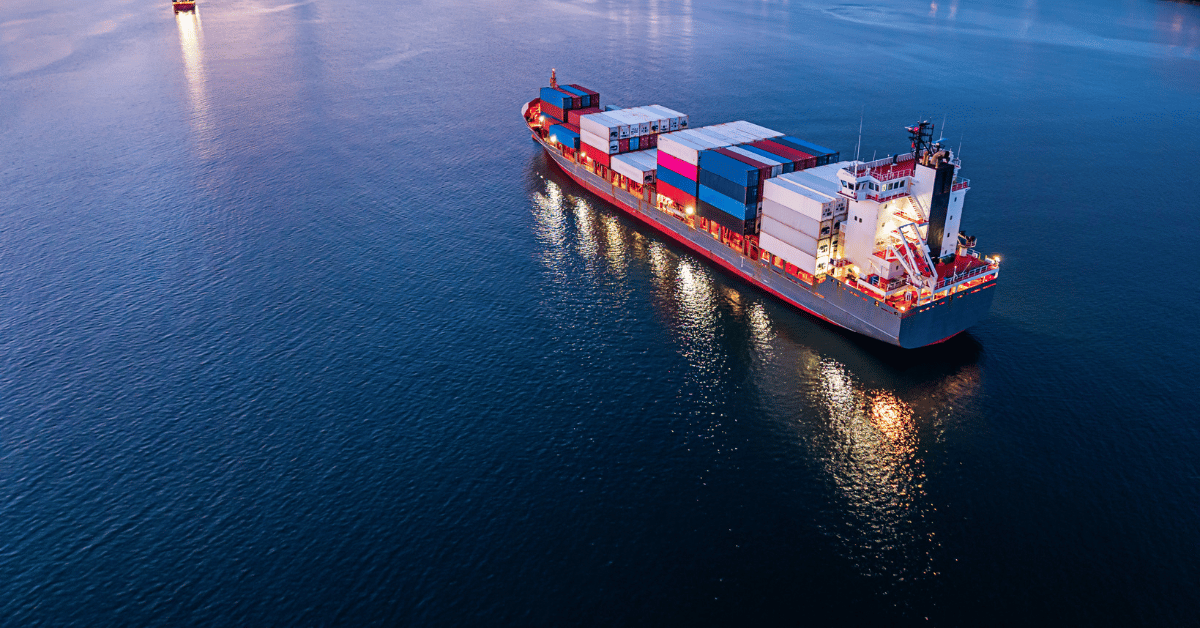
Northern Sea Route Logs 14,000 TEUs in Eight Pre-Winter Transits
14,000 TEUs moved through the Northern Sea Route in eight pre-winter transits, carrying energy equipment, power batteries, and new electric vehicles. These are not speculative projections, they are validated, measurable cargo flows demonstrating the Arctic's growing role in global logistics. As sea ice models evolve, understanding these shifts becomes essential. For deeper context on how we refine such environmental baselines, see "Refining sea ice models to capture fractal features reshapes estimates of Arctic marine production."
Measuring Coastal China's Resource Efficiency with Integrated Frontier Models
Measuring coastal China's resource efficiency demands more than isolated metrics, it requires an integrated frontier model that captures the full spectrum of environmental and economic pressures. By calibrating empirical data with measurable outcomes, this approach validates what we already suspect: sustainable growth depends on transparent, repeatable analysis. The same logic that drives our ocean intelligence work, from submerged servers to autonomous platforms, applies here. Understanding drives protection, and that begins with knowing exactly how efficiently we use what we have.
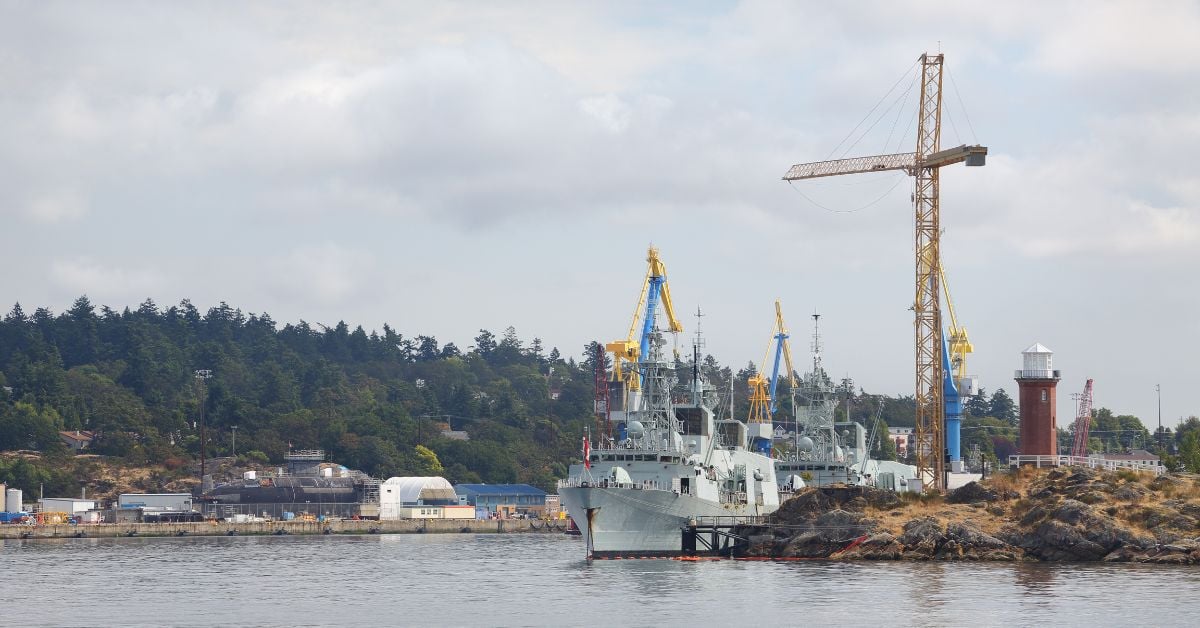
A mothership for underwater drones signals a new era in ocean intelligence
A 5,000-ton mothership designed to deploy underwater drones is taking shape in Beijing, signaling a new era in ocean intelligence. This vessel represents a calibrated leap in our capacity for real-time, integrated data collection from the sea. Understanding drives protection, and this platform promises to deliver the empirical, validated observations we urgently need. For deeper context on autonomous observation, see our coverage of the "4500-Meter Autonomous Robot Extends South China Sea Observation Reach."

China Submerges AI Data Center in Ocean Floor Deployment
China submerges an AI data center on the ocean floor, a move that prioritizes speed and cooling efficiency over the land-based debates stalling U.S. projects. This deployment demands rigorous validation. How safe is a submerged digital infrastructure against pressure, corrosion, and real-time operational risks? The answer matters for the entire integrated data ecosystem. For deeper context on ocean system shifts, our coverage of a century of ocean intelligence revealing a measurable current slowdown provides essential reading.
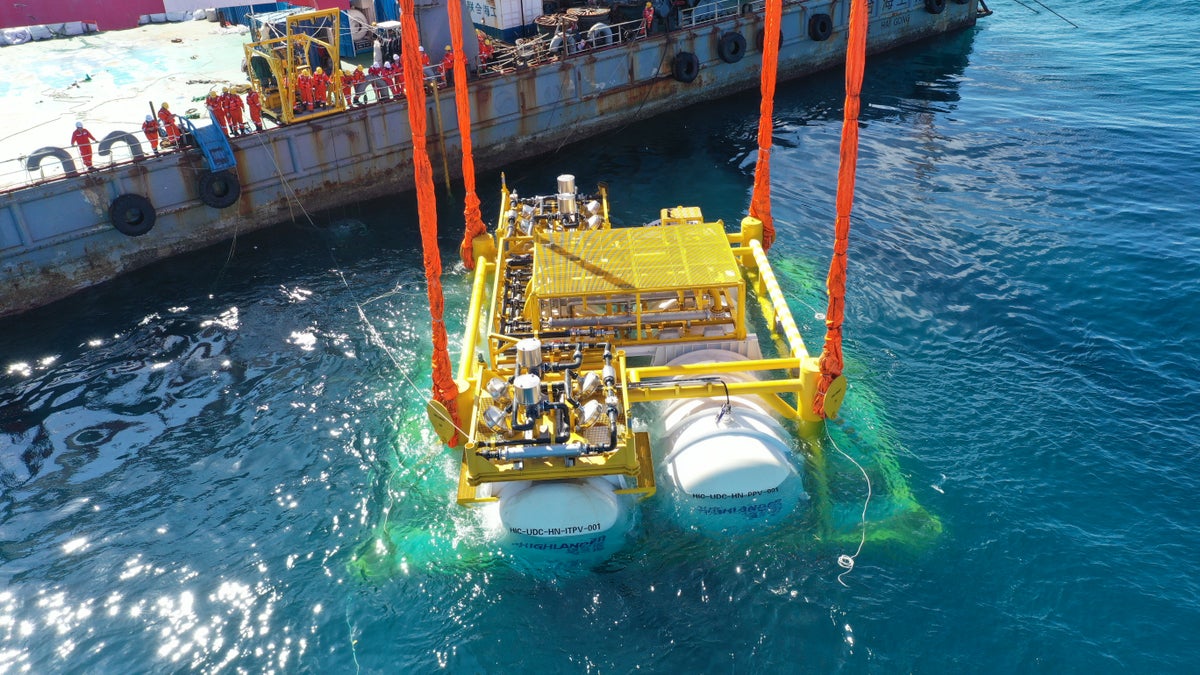
Submerged servers validate a new frontier for efficient ocean intelligence
Submerged data centers validate a new frontier for efficient ocean intelligence. China's deployment of ocean-cooled servers is not a speculative experiment, it is a measurable step toward integrating computing infrastructure with the marine environment. This approach addresses a real constraint: the energy cost of keeping processors cold. For a fuller picture of how life and energy move through these systems, see our related mapping of life's mass across oceans, land, and deep subsurface.
Clustering coastal cities from incomplete data to sharpen marine tourism strategy
Classifying coastal tourism cities by tourist arrivals is essential for differentiated marine management, yet incomplete data often undermines the effort. This paper tackles that gap directly with a grey relational clustering method grounded in decision-theoretic rough sets. By separating perfect and missing data, it preserves groupings where records are complete while assigning uncertain cases to a boundary region rather than forcing them into clusters. The result: three distinct development modes among 11 Chinese coastal cities, offering practical, calibrated guidance for marine tourism strategy.
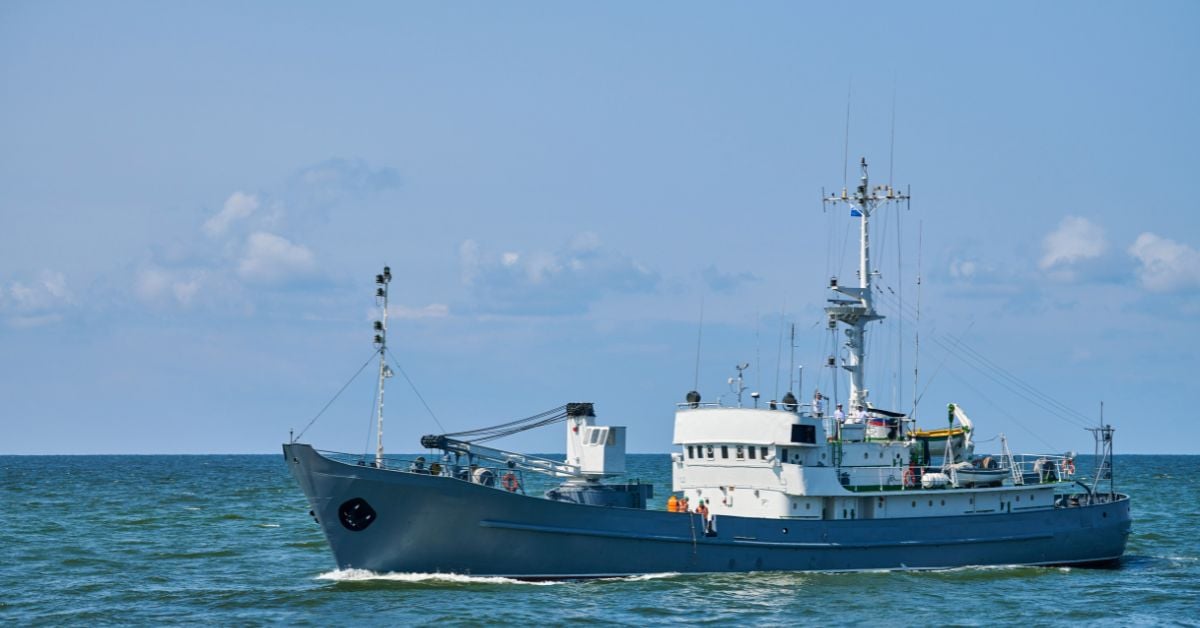
Undersea Cable Integrity Questioned After Reported Location Falsification Incident
A Chinese vessel reportedly falsified its location while operating near undersea cables in Philippine waters. That is not a technical glitch, it is a breach of maritime trust. When vessel identity data becomes unreliable, the integrity of critical infrastructure like undersea cables faces real risk. This incident demands empirical accountability. For further insight into how precise positioning shapes ocean industries, see our related coverage of "Precision at sea advances Asia-Pacific offshore wind by 2029."
Digital Economy's Measured Impact on Marine Progress Across China's Coast
China's coastal provinces are discovering that digitalization and marine economic health rise together, though the relationship is more conditional than a simple win. Our new study, covering 11 regions from 2014 to 2023, confirms a positive baseline link between digital economy growth and high-quality marine development. Yet the association weakens under stricter statistical scrutiny, and green innovation intensity only matters past a threshold. This is exploratory evidence, not certainty.
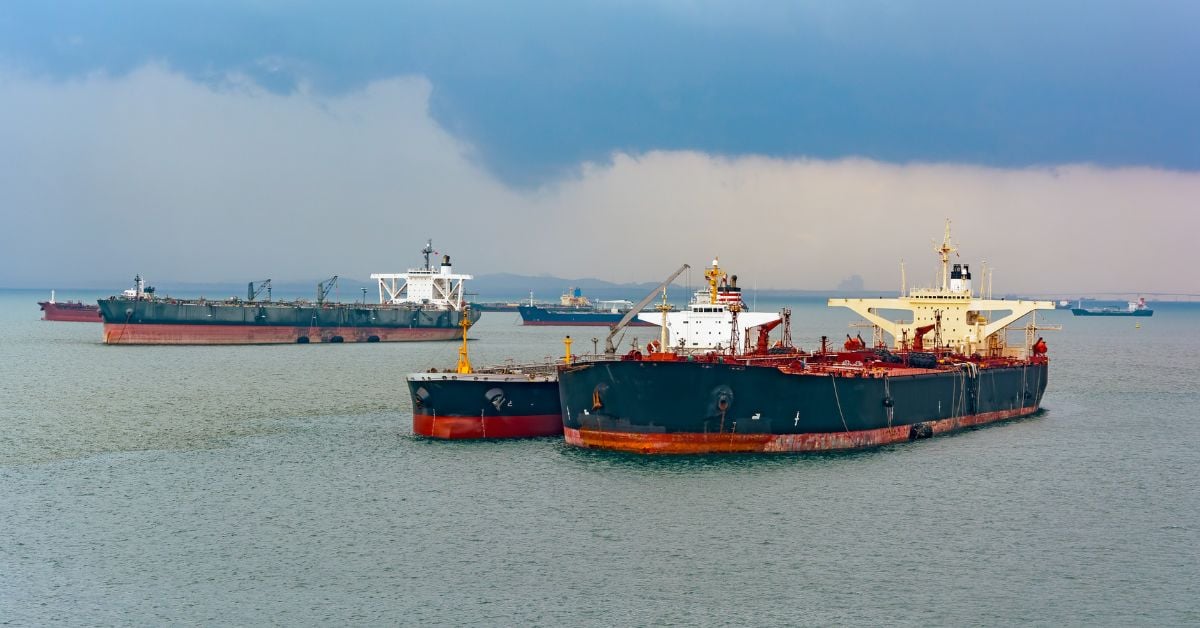
Gulf of Oman STS Transfers Max Out Amid Rising Saudi Oil Exports
Ship-to-ship transfers in the Gulf of Oman have reached maximum capacity, with traders and analysts pointing to surging Saudi crude exports as the driving force. This operational ceiling underscores how swiftly regional logistics can tighten when cargo volumes climb. The strain is a measurable signal of shifting energy flows, one that demands calibrated attention from those tracking maritime trade. For context on broader infrastructure pressures, our piece on integrated subsea systems in the Indian Ocean offers a useful parallel.

Integrated Subsea Infrastructure Shifts to Enhance Indian Ocean Connectivity
The Indian Ocean is becoming the new backbone of global data flow, with integrated subsea infrastructure now shifting away from China's route. This move directly benefits India, positioning it as a key hub in a network that carries 99% of the world's data. The strategic realignment is measurable and immediate. For those tracking the region's growing commercial pulse, our related piece on Gulf of Oman STS Transfers Max Out Amid Rising Saudi Oil Exports offers further context on how this ocean's corridors are tightening.
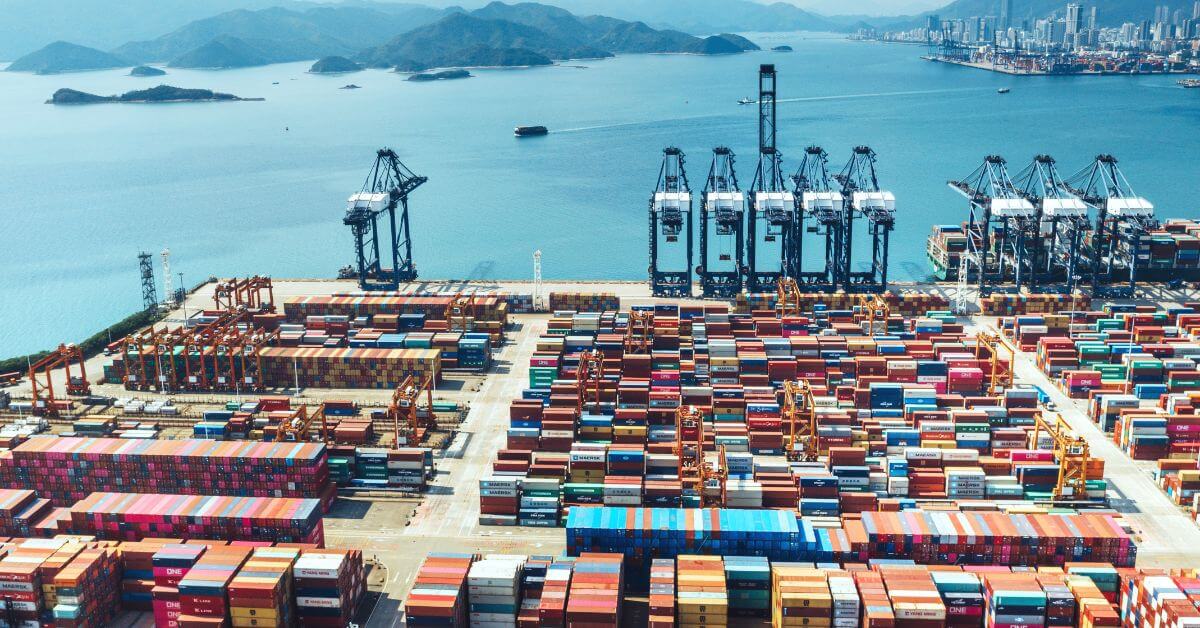
Record Port Activity Reflects Rising Chinese Exports Amid Trade Uncertainty
Record port activity tells a clear story: Chinese exports are rising even as trade uncertainty persists. The 7.279 million twenty-foot equivalent units handled in the week to September 20 marks a measurable high, one that signals resilience rather than retreat. We read this as a sign that global demand for Chinese goods remains calibrated to real needs, not speculative stockpiling. For context on how trade routes are shifting elsewhere, our piece on the Gulf of Oman STS transfers shows similar pressure points.

China’s New Nuclear Carrier Signals Extended Naval Operations Capability
China's newest aircraft carrier, reportedly nuclear-powered, is built to outlast and outgun U.S. carriers in deployment length and ammunition capacity. That is a deliberate statement of extended naval reach, not a boast. The strategic logic is clear: endurance wins contests. For readers tracking how maritime power shifts ripple through global trade, our related piece on Gulf of Oman STS transfers maxing out shows the same pressure points in action. Understanding these moves is how we measure what comes next.
Storm Surge Costs in Coastal China Reveal Complex Economic Impacts
Storm surge losses in China's coastal provinces are not linear, and new panel data from 2011 to 2023 confirms it. The study finds that while hazard intensity and economic exposure drive direct damages, adaptive capacity consistently cushions the blow, yet only up to a point. Once storm intensity crosses a threshold, the amplifying effect sharpens. Notably, no single factor explains low losses; instead, distinct combinations, such as the Defense Strategy-Driven or Comprehensive Resilience-Driven pathways, emerge. This complexity matters.

New Zealand Vessels Traverse Taiwan Strait En Route to Philippines Exercise
Two New Zealand naval vessels transited the Taiwan Strait on Sept. 18, bound for a joint exercise with the Philippines. The move signals a quiet but deliberate expansion of maritime collaboration across the Indo-Pacific, one that prioritizes operational presence over provocation. For those tracking the region's shifting security architecture, this passage is a measured data point, not a headline. It complements our coverage of integrated subsea infrastructure shifting toward the Indian Ocean, where strategic connections are being redrawn.
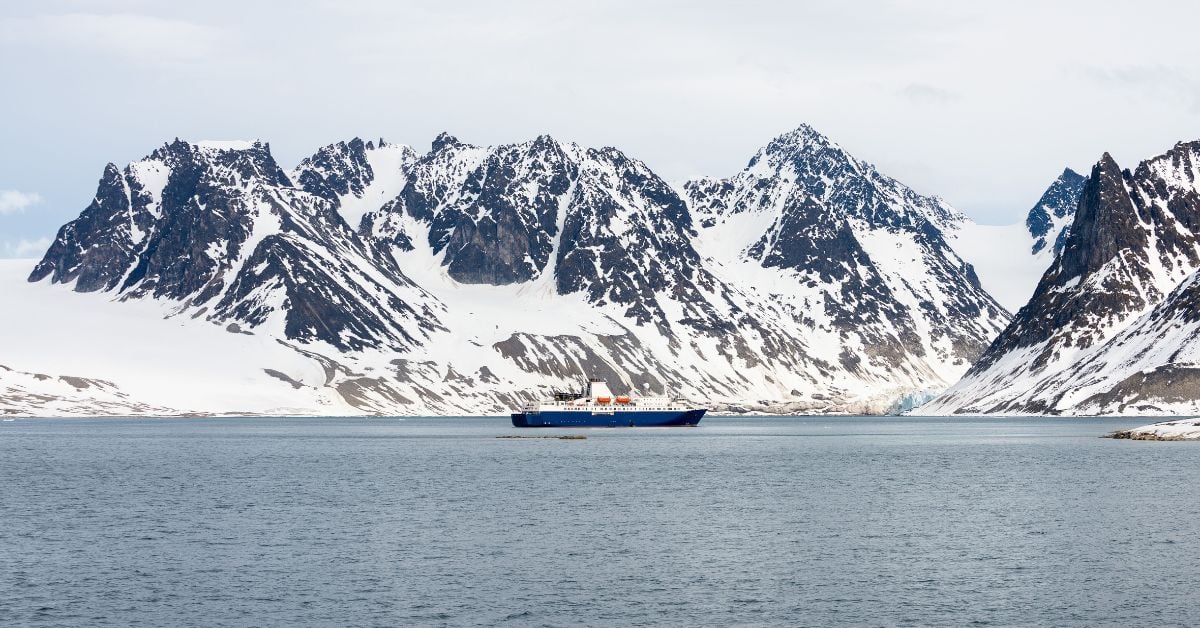
Chinese Research Vessels Operate Near Alaskan Coast, Raising Security Concerns
The presence of Chinese research vessels near the Alaskan coast signals a new layer of complexity in Arctic oversight. The United States views these operations as a potential security concern, and that reaction is measured, not alarmist. For those tracking maritime strategy, this is not abstract posturing; it is a concrete development in a region where access and influence are tightening. We should monitor these transits closely, because in the Arctic, presence itself is a form of leverage.