navy
12 stories filed under navy on World Data Ocean. The newest of them: “Longitudinal deployment of USS Abraham Lincoln concludes, validating extended naval readiness”, “X-Bow Systems to develop next-gen solid rocket booster under Navy contract”, and “Tragic incident off Manori highlights risks of unregulated vessel access”. Three hundred twenty-two days at sea. Solid rocket propulsion is entering a new chapter, and X-Bow Systems is now at the center of it. A Global Hub for Ocean Intelligence 4 World Data Ocean is a centralized digital platform where researchers, scientists, and ocean enthusiasts converge to… The list below is every navy story on World Data Ocean, newest first.
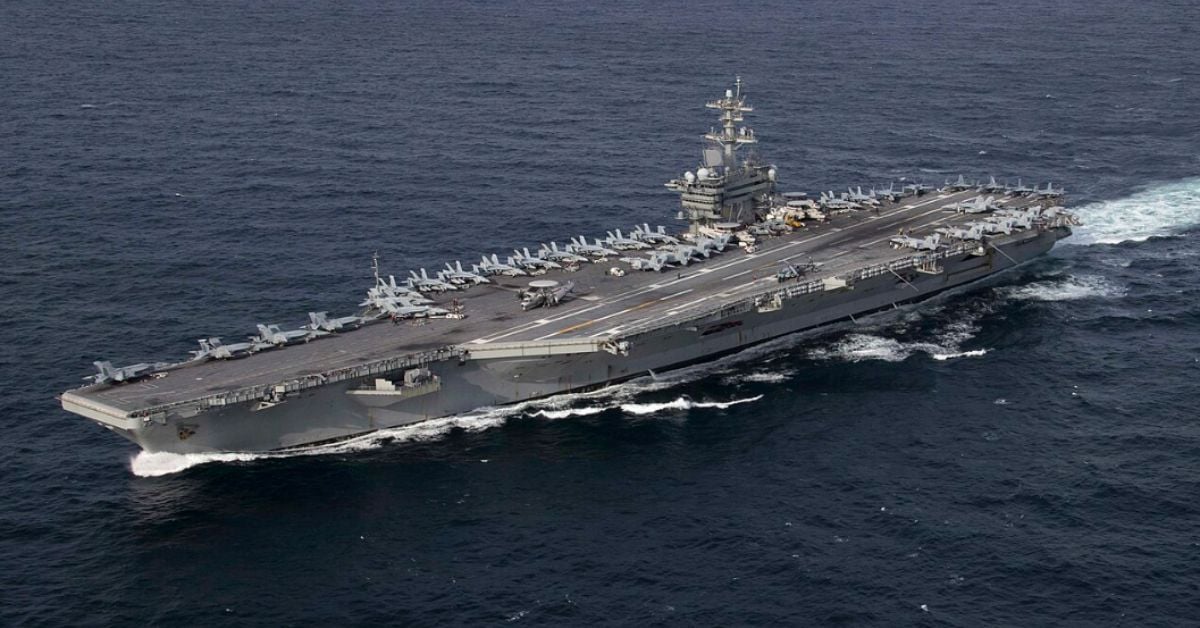
Longitudinal deployment of USS Abraham Lincoln concludes, validating extended naval readiness
Three hundred twenty-two days at sea. The USS Abraham Lincoln has returned home, concluding a longitudinal deployment that validates extended naval readiness. This isn't just a homecoming; it's a measured, empirical proof point for sustained maritime operations under real-world pressure. The data from this record deployment strengthens our understanding of long-duration readiness. For deeper analysis of the operational metrics, see our related piece on "265 days at sea: validated data from a record naval deployment."
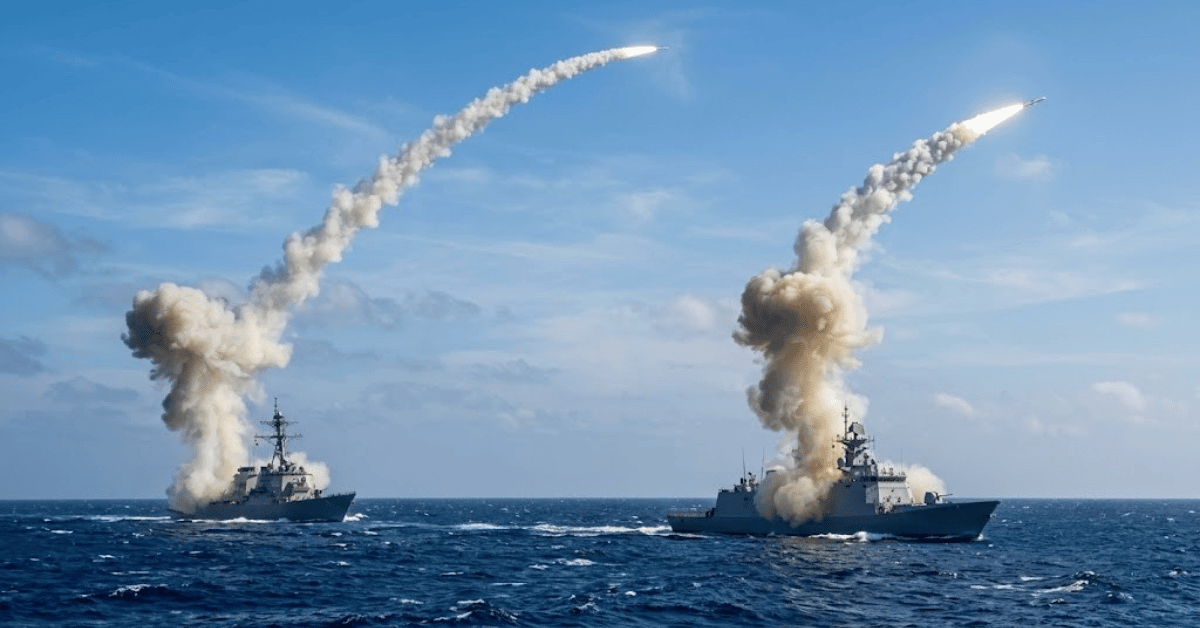
X-Bow Systems to develop next-gen solid rocket booster under Navy contract
Solid rocket propulsion is entering a new chapter, and X-Bow Systems is now at the center of it. The company has secured a potential $69.7 million U.S. Navy contract to develop and qualify a next-generation solid rocket motor booster, a move that signals a deliberate push toward more agile and scalable production methods. This is not just another defense award; it is a measured bet on modernizing a critical capability.
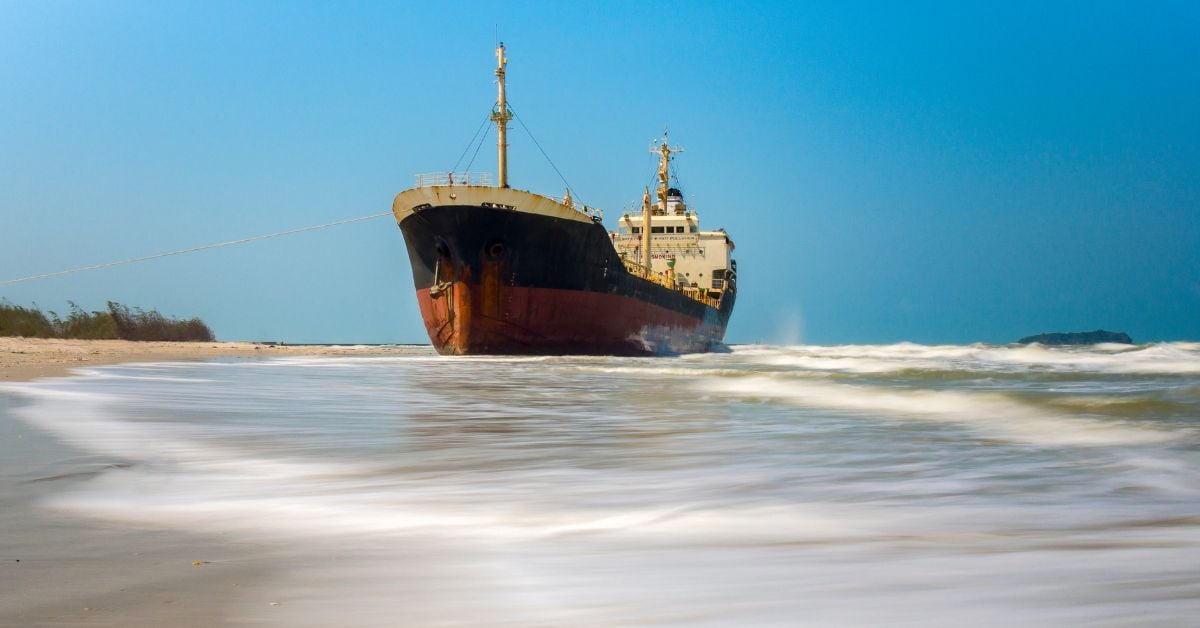
Tragic incident off Manori highlights risks of unregulated vessel access
Four thieves lost their lives off Manori while attempting to steal copper pipes from an unmanned grounded tanker. This is not a statistic, it is a preventable tragedy born from unregulated vessel access. When ships sit abandoned in coastal waters, they become hazards: environmental, navigational, and now, fatal. These deaths underscore a systemic failure in maritime security protocols. For deeper context on vessel groundings and coordinated rescue responses, see our coverage of the *Coast Guard Response Validates Real-Time Rescue Coordination Off Odisha*.
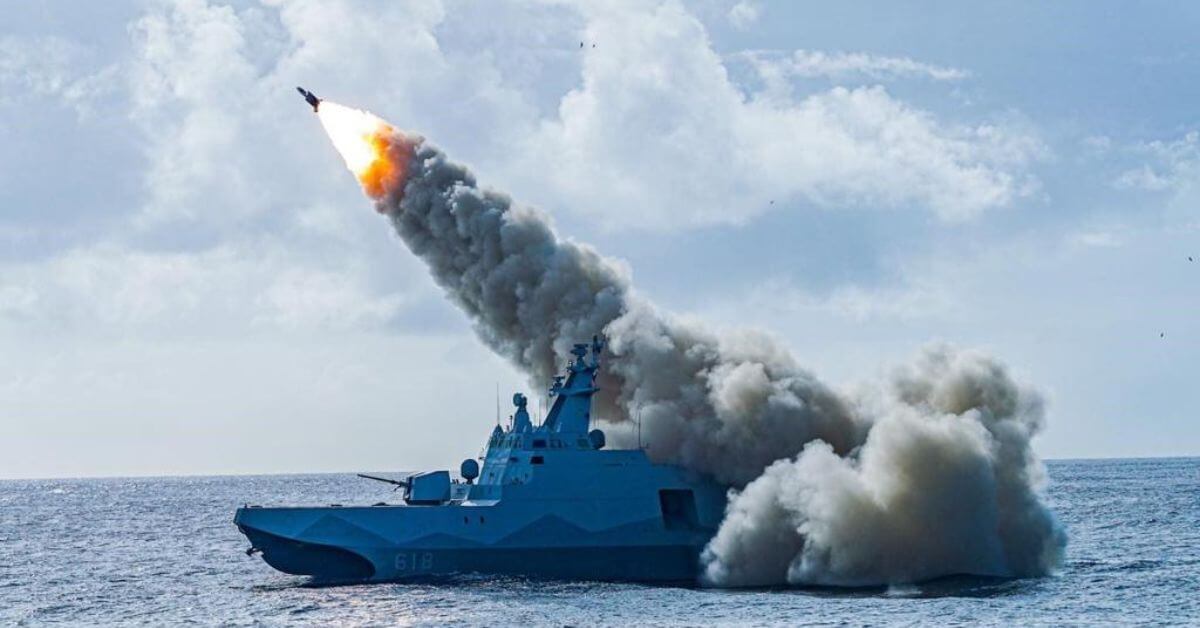
Taiwanian Exercise Validates Supersonic Missile Capability Against Naval Target
On September 18, Taiwan sank a decommissioned navy frigate with anti-ship missiles during a three-day exercise in Pingtung, validating supersonic missile capability against naval targets. The precision speaks to measurable progress in defense readiness, a point worth watching closely. Regional maritime activity remains a live thread, as seen in our coverage of New Zealand vessels transiting the Taiwan Strait en route to a Philippines exercise. These events underscore a shared focus on security, though each story stands on its own facts.
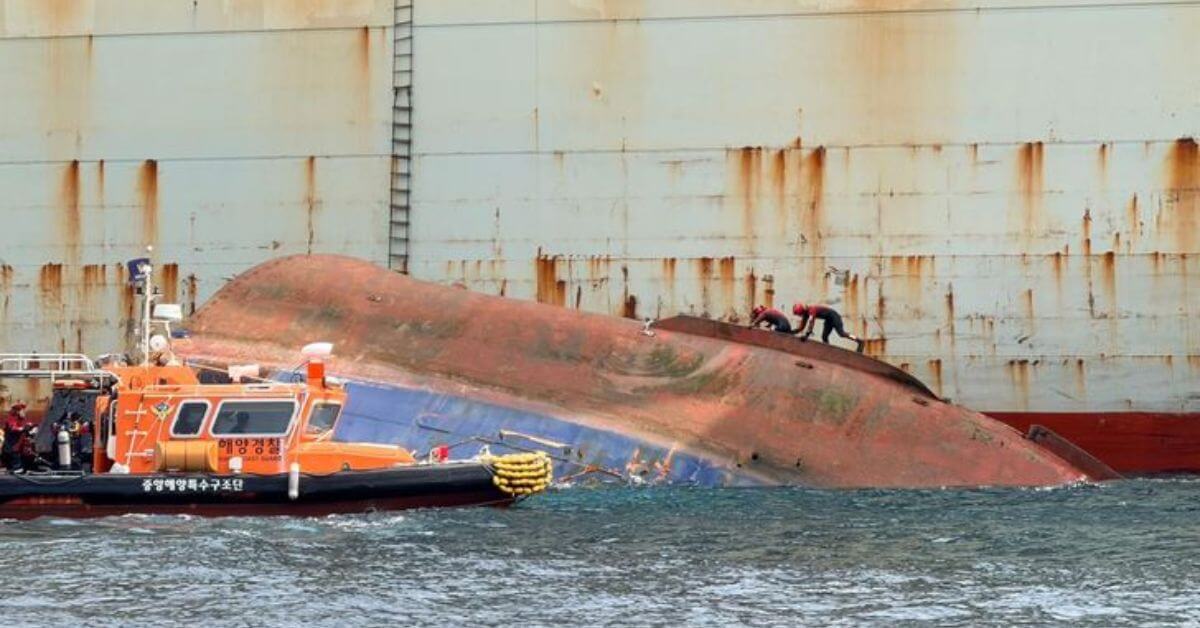
Investigation Launched After Tugboat Sinking Leaves Five Crew Missing
A tugboat with eight crew members is now the subject of an investigation after it sank, leaving five missing. The TNS Catcher went down with one survivor who climbed to its top as it submerged. This incident underscores the persistent dangers faced by maritime workers, even in routine operations. For context on how authorities respond to such tragedies, see our coverage of the submerged fishing vessel and identified remains off Rhode Island.
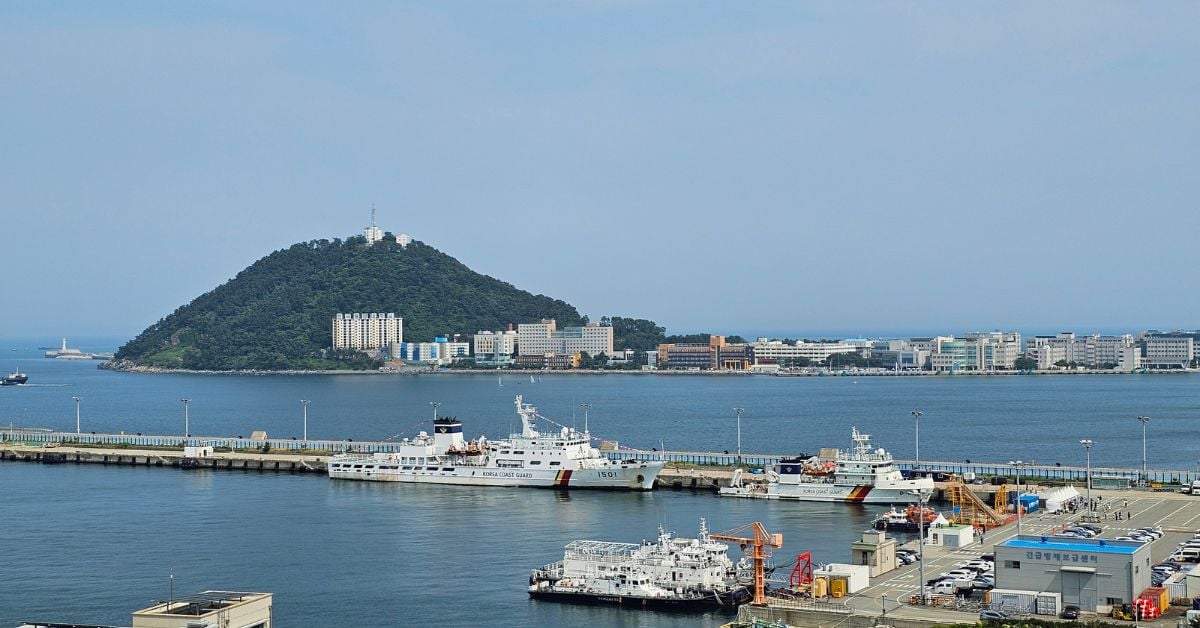
Tugboat Sinking Near Busan: Search Underway for Six Missing Crew.
A 286-tonne tugboat capsized and sank east of Oryukdo Island, leaving six crew members missing. The TNS Catcher went down at roughly 1:29 p.m., fully disappearing beneath the surface by 3:27 p.m. Search operations are underway, and every minute matters in these waters. Maritime emergencies like this remind us how quickly conditions can turn. For broader context on recent incidents, our coverage of the cargo ship fire near Mykonos offers a similar case of rapid response.

Kennedy Carrier Trials Begin Amid Shift in Navy Propulsion Strategy
The USS John F. Kennedy has begun acceptance sea trials, yet the Navy's propulsion strategy is already pivoting. President Trump's order to strip EMALS from the future USS Doris Miller in favor of steam catapults signals a deliberate retreat to proven technology. It is a pragmatic, if conservative, choice. While innovation drives us forward, reliability remains the anchor of operational readiness. For deeper context on how global shipbuilders are adapting their own capabilities, see our coverage of Cochin Shipyard's recent design expansion.

Extended Deployment Highlights Crew Wellbeing Challenges Aboard USS Abraham Lincoln
Two hundred sixty days at sea. Ten thousand launches. One and a half million pounds of ordnance expended. The USS Abraham Lincoln's extended deployment is a measurable demonstration of endurance, yet it also places crew wellbeing at the forefront of operational planning. This is the reality of sustained naval power in a complex security environment. For a deeper look at how nations are extending their maritime reach, our recent analysis of China's new nuclear carrier is a useful comparison.

Extended Deployment Strains Navy Families; Return Date Urged.
Two hundred fifty days at sea, and still no return date. The families of the crew and Marines aboard the USS Abraham Lincoln are pressing senior officials for clarity as the carrier's Middle East deployment stretches past its expected limits. That is a long time to hold position, and the human cost of such extended operations deserves more than vague timelines.

Rapid 3D Printing at Sea: Enhancing Naval Operational Independence
Aboard naval vessels, the ability to print a critical component on demand transforms readiness. This trial directly targets the logistical bottleneck of shore-based supply chains, putting manufacturing power into the crew's hands. It is a practical step toward operational independence, reducing wait times for essential parts. The implications for sustained maritime presence are significant. For broader context on how navies are adapting, our related piece, "India Projects Expanded Naval Fleet to Navigate Evolving Maritime Landscape," offers further perspective.

Search Efforts Continue for Missing After Ferry Fire Near Indonesia
The search continues off Indonesia's Madura Island, where the ferry Mutiara Sentosa 2 caught fire, leaving five dead and 41 missing. Each hour at sea complicates the rescue, yet the operation remains methodical. Vessel fires demand swift, calibrated response, and this one is no exception. We've tracked similar maritime emergencies, such as the cargo ship fire near Mykonos, which underscores how quickly onboard crises escalate. For now, our focus stays on the crews, the families waiting, and the hard data still emerging from the water.
From Sonar Tech to Oceanographer: Charting a New Course.
Nine years of submarine sonar work is not a typical starting point for an oceanography degree, but it is a calibrated one. That experience in acoustic analysis and operational decision-making translates directly into the data-heavy reality of modern marine science. For anyone transitioning from military service, especially a trans woman, the academic culture can feel like a different world, but the technical foundation is a genuine asset. Geospatial analysis is a natural fit. It is a viable path, provided you find the right lab culture.