Iran war
Iran war at World Data Ocean is a file of 9 stories. The newest of them: “Tragedy in the Gulf: Filipino Seafarer Lost in Tanker Explosion”, “Naval deployments extend to 11 months, reshaping operational timelines at sea”, and “Ministry Detects Oil Spill as UAE Beaches Close for Cleanup”. The explosion aboard the MT Velos Sapphire that killed a Filipino seafarer in the Persian Gulf is a stark reminder of the human cost woven into global maritime routes. Eleven months at sea reshapes what deployment means, for sailors and for families. A Global Hub for Ocean Intelligence 4 World Data Ocean is a centralized digital platform where researchers, scientists, and ocean enthusiasts converge to… The list below is every Iran war story on World Data Ocean, newest first.

Tragedy in the Gulf: Filipino Seafarer Lost in Tanker Explosion
The explosion aboard the MT Velos Sapphire that killed a Filipino seafarer in the Persian Gulf is a stark reminder of the human cost woven into global maritime routes. Every validated loss demands accountability, not just condolences. This tragedy echoes broader instability in the region, where the Strait of Hormuz Conflict Claims 25 Seafarers, Thousands Stranded, as documented by the IMO. Understanding these empirical patterns drives protection.
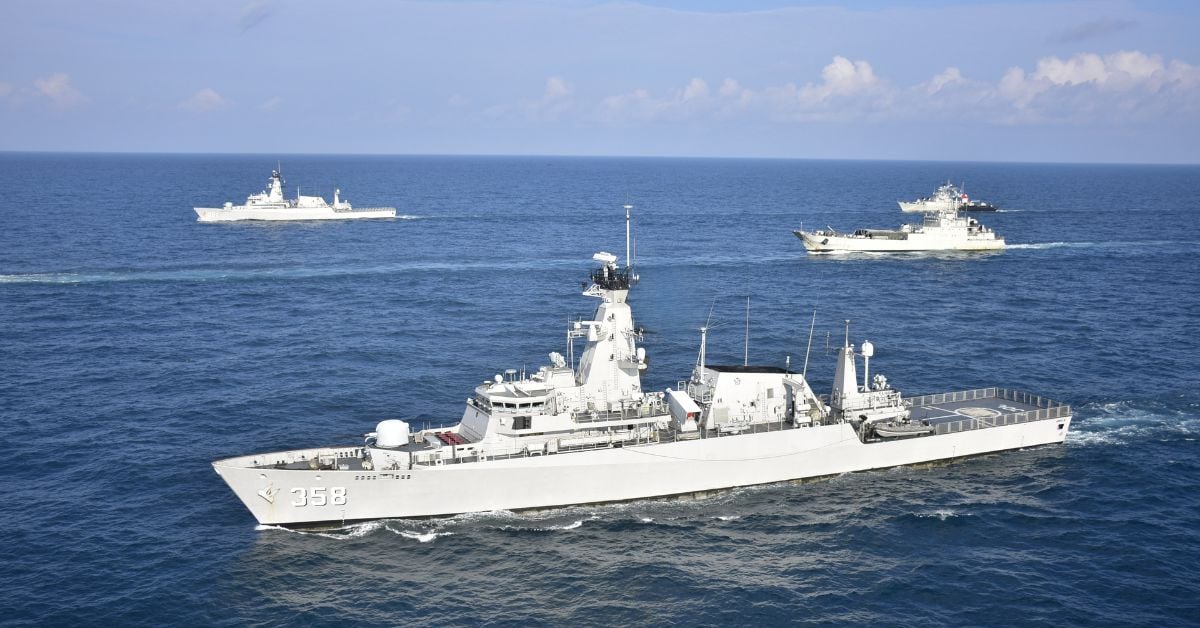
Naval deployments extend to 11 months, reshaping operational timelines at sea
Eleven months at sea reshapes what deployment means, for sailors and for families. The U.S. Navy has made clear this is not temporary. Longer operational timelines are now the standard, demanding a recalibration of readiness and resilience. This is not merely a logistical shift; it is a human one. For deeper context on the human cost of extended duty, see our coverage of rising mental health risks for young seafarers in validated annual data. The ocean demands more. We must measure what that costs.
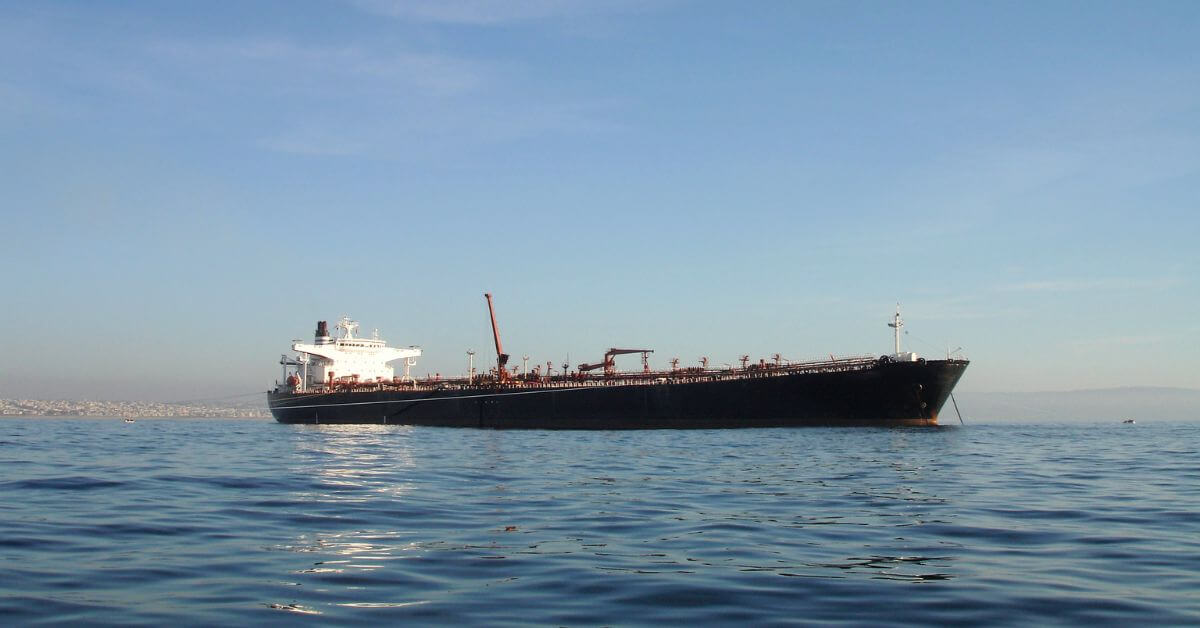
Ministry Detects Oil Spill as UAE Beaches Close for Cleanup
On Friday, the Ministry of Climate Change and Environment confirmed its monitoring system detected an oil spill, prompting beach closures across the UAE for cleanup. This is a measured, empirical response to a real-time event, exactly the kind of validated data that should drive swift action. Understanding drives protection. For deeper context on maritime accountability, see our related coverage on fake ship registries and the risks they pose to seafarers.
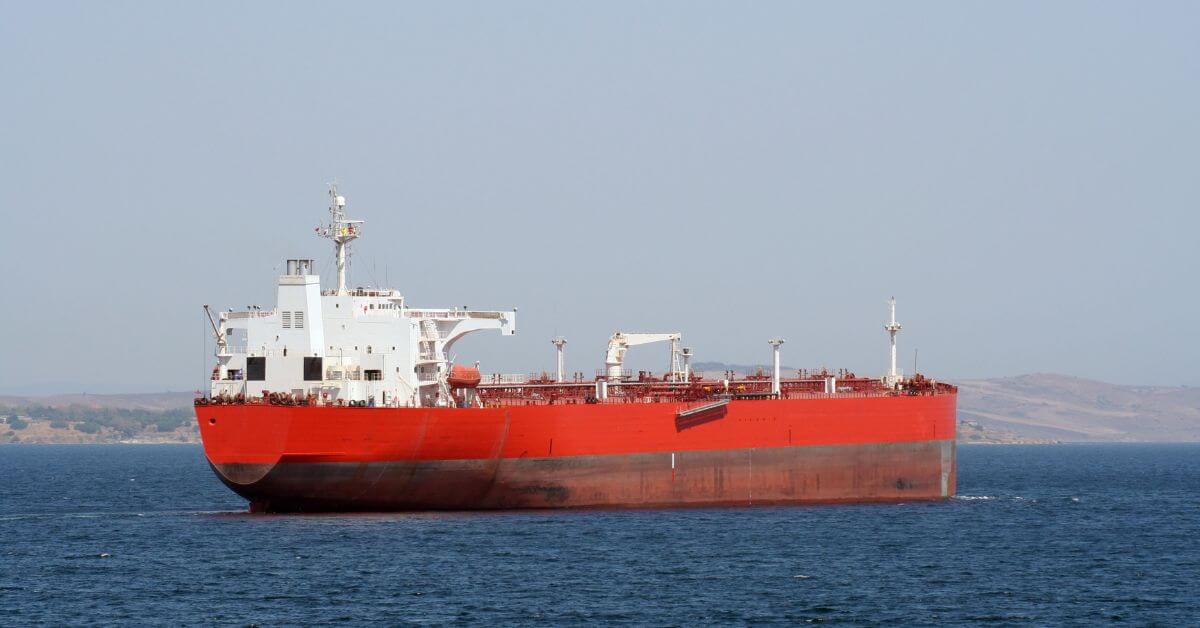
Rethinking sanctions on shadow tankers to steady global freight rates
A calibrated adjustment to sanctions on shadow tankers could steady global freight rates by allowing certain previously restricted vessels to carry oil and petroleum products not banned under US sanctions. This measured approach prioritizes market stability without compromising enforcement integrity. For deeper context on how maritime regulations shape trade friction, our related coverage of "Maritime fees signal friction in trade amid climate and shipping integration" explores similar dynamics.
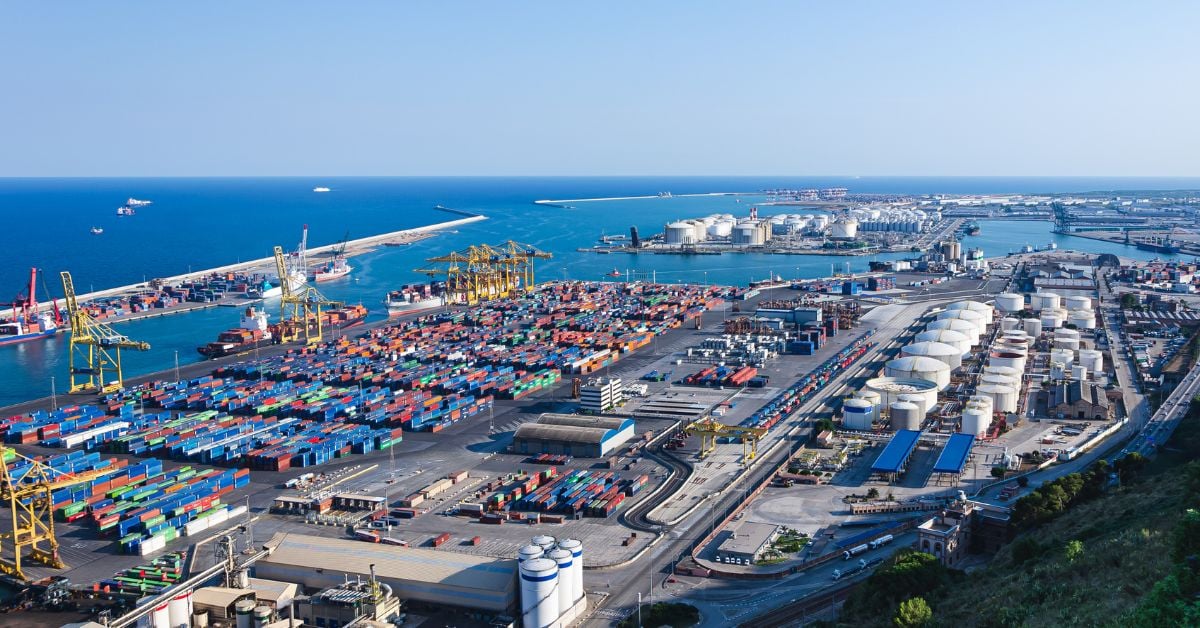
Maritime fees signal friction in trade amid climate and shipping integration
A $200,000 fee per Spanish cargo ship arriving at U.S. ports signals growing friction where maritime trade meets climate policy and shifting alliances. The U.S. Federal Maritime Commission's move injects measurable cost into a system already under pressure from sanctions enforcement and fleet integration. These rising barriers demand calibrated responses. For deeper context, our coverage of the Panama Registry's removal of three tankers tied to Iranian oil illustrates how maritime governance is tightening globally.
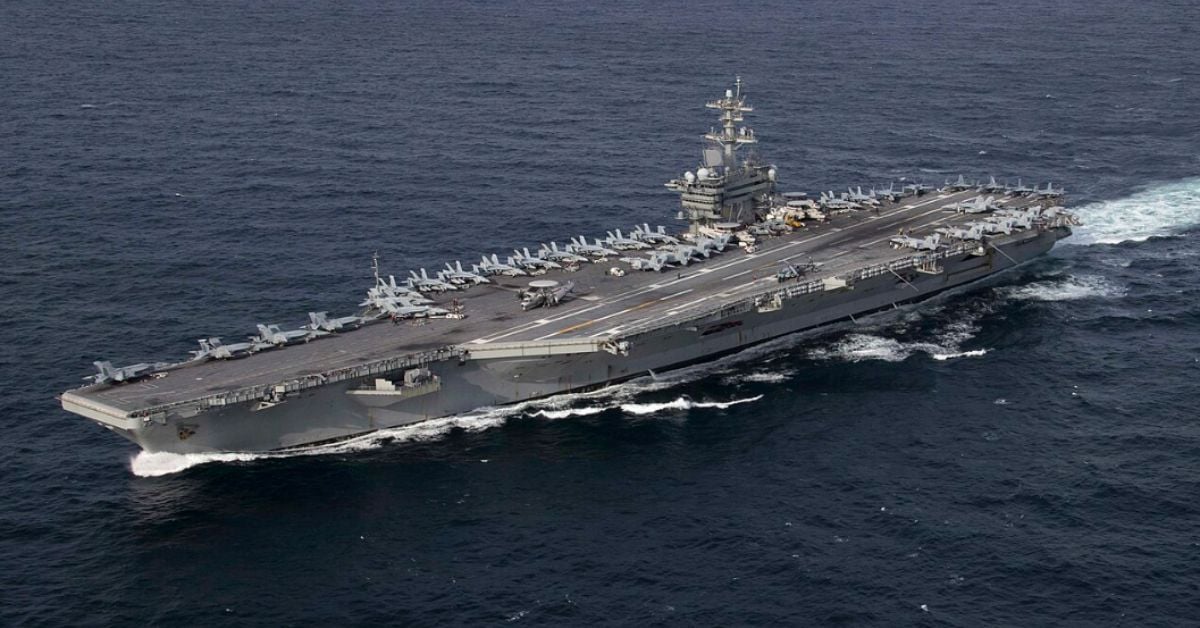
Longitudinal deployment of USS Abraham Lincoln concludes, validating extended naval readiness
Three hundred twenty-two days at sea. The USS Abraham Lincoln has returned home, concluding a longitudinal deployment that validates extended naval readiness. This isn't just a homecoming; it's a measured, empirical proof point for sustained maritime operations under real-world pressure. The data from this record deployment strengthens our understanding of long-duration readiness. For deeper analysis of the operational metrics, see our related piece on "265 days at sea: validated data from a record naval deployment."
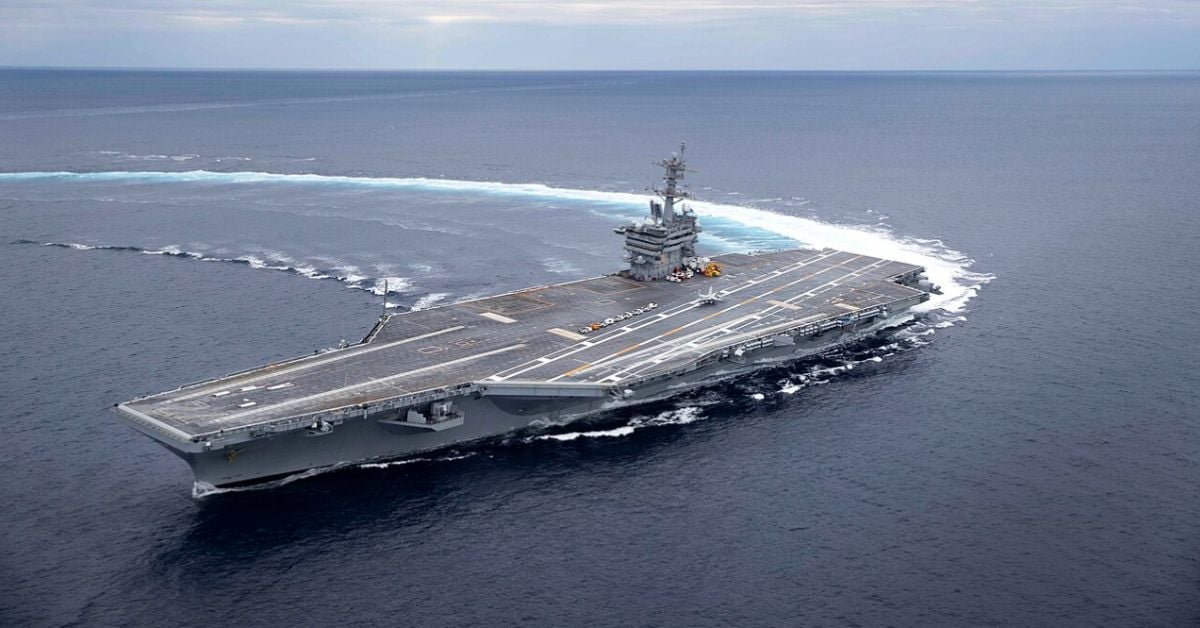
Longest carrier deployment in decades signals shifting maritime demands
A 320-day deployment is not routine; it is a signal. The USS *Nimitz*'s return to California after the longest carrier deployment in decades reflects shifting maritime demands in the Iranian theatre. Extended presence at sea validates the operational endurance of the Nimitz-class, but it also raises empirical questions about crew sustainability and fleet readiness. For deeper context on fleet modernization, see our coverage of the John F. Kennedy's 99% completion ahead of its 2027 handover.
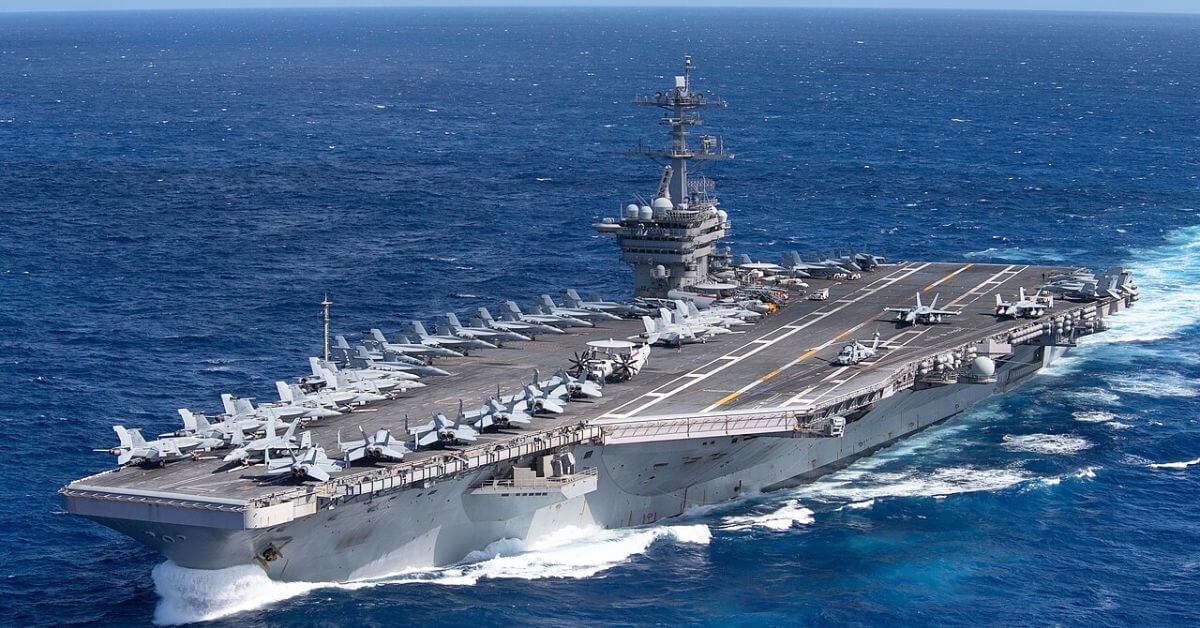
US Naval Deployments Continue as Middle East Operations Extend to Eighth Month
The USS Theodore Roosevelt carrier strike group departed San Diego on Sunday, with the USS Makin Island amphibious readiness group following a day later, extending US naval deployments in the Middle East into an eighth month. Sustained presence reflects measured, strategic commitment, not escalation theater. For context on regional risk, our coverage of projectiles striking tankers near the Strait of Hormuz underscores why such deployments remain calibrated responses to measurable threats. Operational endurance matters, but the data driving these decisions matters more.

Attack on Cargo Ship Near Yemen Claims 6 Lives, Injures 10
A second strike on the cargo ship Tihamah near Yemen has killed six people and injured ten, with four crew members dying in the initial attack and two rescuers killed in a subsequent hit. These are not abstract numbers; they are lives lost in a volatile corridor. The incident underscores how fragile maritime security remains in the region, a reality that demands rigorous, data-driven monitoring.