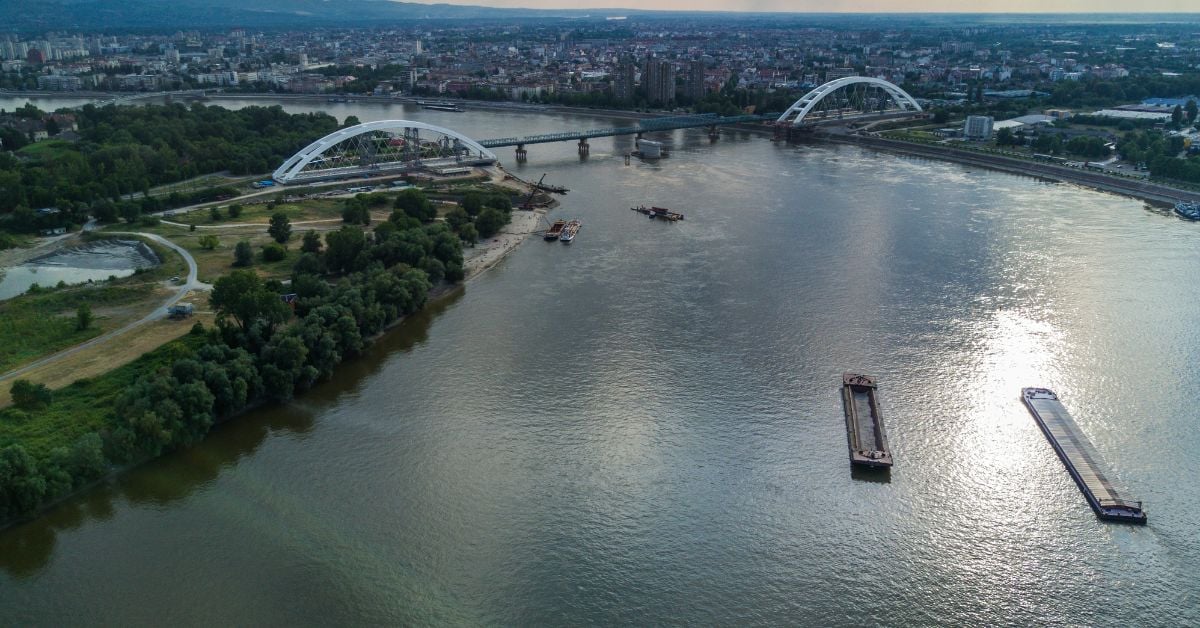
Seventy vessels now sit idle, waiting for access to the Sulina Canal and the Ukrainian grain ports beyond. The bottleneck is not a matter of weather or mechanical failure; it is the direct consequence of a conflict that continues to weaponize logistics. For those of us who track ocean intelligence, this is not an isolated incident but a recurring pattern. The Strikes Target Ports and Vessels in Confirmed Military Action and the Fatal Attack on Cargo Ship Highlights Black Sea Shipping Risks are not distant headlines; they are the operational context for every stalled hull in this queue.
The practical reality for our readers, particularly those in shipping, insurance, and agricultural logistics, is that the Danube route is no longer a reliable alternative. It is a chokepoint where risk is calculated in days lost and contracts broken. The data we have is clear: 70 vessels represent a significant amount of grain, but the delay is not just about tonnage. It is about the predictability of the global food supply chain. When we see a queue like this, we are seeing the failure of a system that was supposed to offer resilience. The related Ukraine Supports India’s Initiative for Black Sea Shipping Routes suggests diplomatic efforts are being made, but diplomatic momentum rarely translates into immediate berth availability. We would tell a reader asking for advice: do not assume this backlog clears quickly, and factor in extended dwell times for any cargo routed through the Sulina approach.
What concerns us most is the normalization of this disruption. A year ago, 70 ships waiting would have been a global story. Today, it is a line item. That acceptance is dangerous. It signals that the market is pricing in a permanent state of friction, which in turn reduces the incentive for the kind of integrated data ecosystems we need to reroute dynamically. The empirical takeaway here is that the Black Sea and Danube region remain the most volatile nodes in the maritime grain network. For shippers, the specific consequence to watch is the demurrage bill. These delays are not neutral; they carry costs that will ultimately be passed to the end consumer. We would suggest that any operator with cargo in this queue should be reviewing force majeure clauses now, not when the next attack or infrastructure failure hits. The question we are left with is not whether the grain will move, but at what accumulated cost to the vessels waiting, the ports under threat, and the global markets that depend on both.