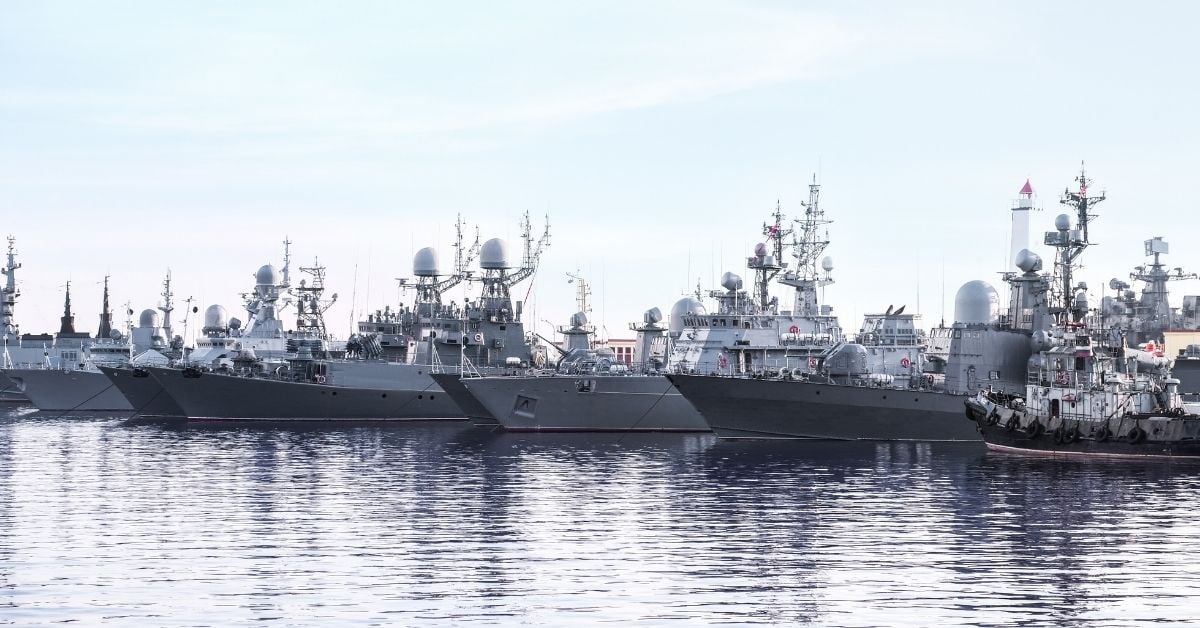
Six months of sustained patrols in the Indian Ocean have produced a measurable result: pirate activity remains contained. That is not a small achievement. Combined Task Force 151, operating under a multinational mandate, has demonstrated what calibrated, integrated naval coordination can accomplish in one of the world's most consequential shipping lanes. The deployment did not rely on a single dramatic interdiction or a headline-grabbing rescue. Instead, it delivered something more valuable: a consistent, empirical suppression of piracy risks across a vast maritime domain. For shipping companies, insurers, and coastal states, this is ocean intelligence in its most practical form.
The success matters beyond the immediate security metrics. Consider how this connects to the wider regional picture. The same waters that hosted this task force are experiencing a surge in ship-to-ship transfers linked to rising Saudi oil exports, as traders push capacity in the Gulf of Oman to its limits. More vessels, more transfers, and more concentrated traffic mean more vulnerable targets. Meanwhile, the recent 48-hour hijacking of a US-sanctioned tanker, resolved only after Puntland forces intervened, shows how quickly instability can surface when maritime security is uneven. The task force's record does not erase those risks. It does, however, buy time for the broader systems that depend on these routes to adapt. And with integrated subsea infrastructure now shifting across the Indian Ocean to improve connectivity, the strategic stakes of keeping these waters open have never been clearer.
Our take is straightforward: this deployment proves that multinational cooperation works when it is backed by a clear mandate and measurable objectives. But we should not mistake a successful six-month window for a permanent solution. Piracy is a chronic condition, not an acute one. The moment patrols thin or coordination weakens, the calculus shifts again. We would tell any reader watching this closely to track two things: the operational tempo of follow-on deployments and whether the intelligence-sharing architecture built during this mission becomes institutionalized. The ships will rotate. The threat will evolve. The question is whether the integrated data ecosystem that made this success possible remains in place.
What stands out is the quiet competence of the effort. No grand pronouncements, no alarmist rhetoric. Just validated results from a coalition that understood the mission. The takeaway worth quoting: consistent maritime patrols, informed by real-time data and peer-reviewed tactics, remain the most reliable deterrent against piracy's return. The concrete point to watch is whether the task force's model gets extended to other high-risk corridors, particularly the Red Sea and the waters off the Horn of Africa. If the next deployment maintains the same rigor, the Indian Ocean's security gains will hold. If not, the window of stability closes faster than any patrol schedule can respond to.