supply chain
World Data Ocean keeps supply chain in one place: 31 stories so far. The section currently leads with “Tracing cobalt from Congo's mines to China's refineries maps the supply chain”, “New Pacific missile-tracking vessel set for 2030 launch under shipyard agreement”, and “Validated Data to Calibrate Roll Damping on Large Container Ships”. Cobalt's journey from the mines of the Democratic Republic of Congo to China's refineries is a supply chain that demands transparency. A new missile-tracking vessel for the U.S. A Global Hub for Ocean Intelligence 4 World Data Ocean is a centralized digital platform where researchers, scientists, and ocean enthusiasts converge to… The list below is every supply chain story on World Data Ocean, newest first.
Tracing cobalt from Congo's mines to China's refineries maps the supply chain
Cobalt's journey from the mines of the Democratic Republic of Congo to China's refineries is a supply chain that demands transparency. Most of the world's cobalt is mined in the DRC, but nearly all refining happens in China. This geographic decoupling creates measurable risks, and opportunities, for traceability. Understanding these flows is essential for building a truly integrated data ecosystem around critical minerals. For deeper context on how global shifts reshape our climate indicators, see our related piece on Africa's projected population doubling by 2070.
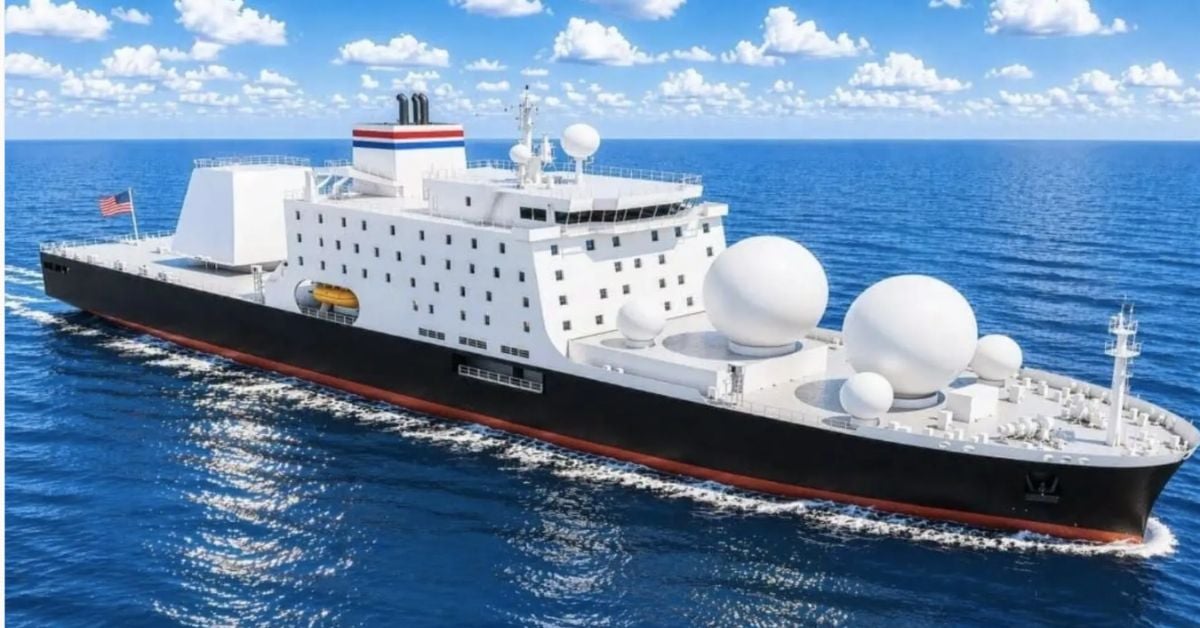
New Pacific missile-tracking vessel set for 2030 launch under shipyard agreement
A new missile-tracking vessel for the U.S. Navy is set for launch by 2030, following a shipyard agreement between Hanwha Philly Shipyard and TOTE Services. This marks a measured, strategic investment in Pacific maritime awareness. For deeper context on evolving naval capabilities, see our coverage of the Ohio-class submarine relocation, which signals a similarly deliberate shift in regional posture. Understanding drives protection, and this vessel adds a calibrated layer of ocean intelligence.
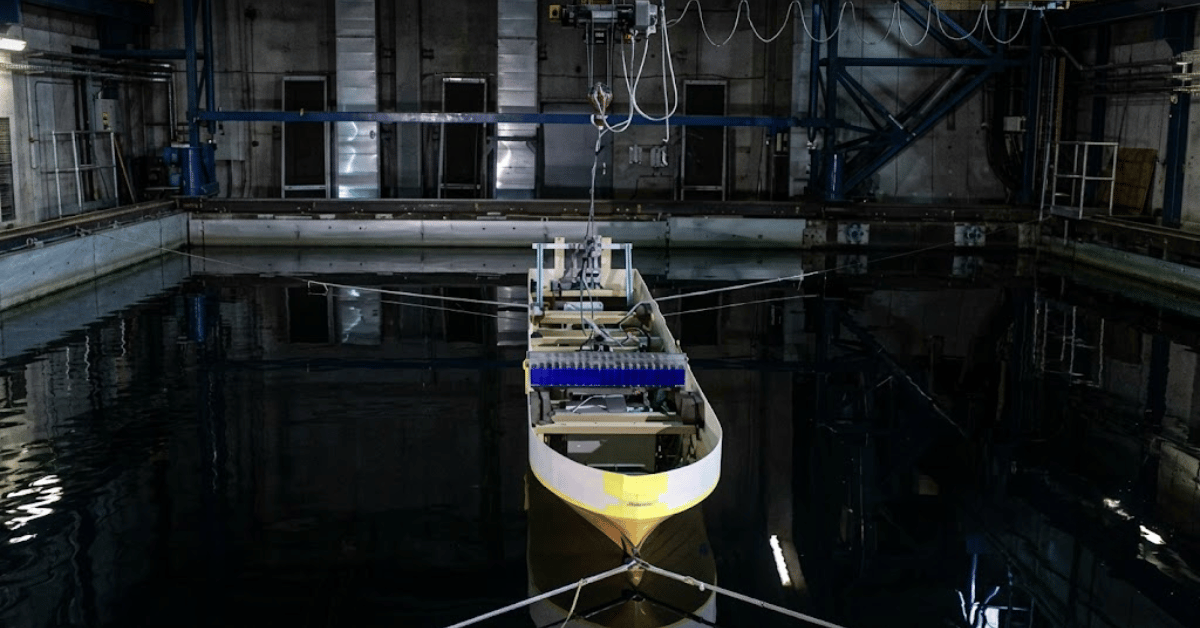
Validated Data to Calibrate Roll Damping on Large Container Ships
Real-world data from a large container ship is now being used to validate how roll damping tanks reduce rolling at sea. ONE and ClassNK have launched a joint study grounded in empirical, measurable performance. This is the kind of calibrated, peer-reviewed work that turns ocean intelligence into safer, more efficient shipping. For another example of validated marine data driving progress, see our coverage of the hydrogen tanker *Kikou Maru* and its successful sea trials.
New Seaborne Trade Data Charts Global Economic Currents
New seaborne trade statistics from UNCTAD now chart global economic currents with empirical precision, offering a measurable view of how goods move across the world's oceans. This data matters. Validated shipping flows reveal not just commerce but climate indicators, the pulse of a system under pressure. For deeper context on what this boom means for ocean resilience, see our related coverage on measuring the longevity of a booming ocean economy through integrated climate indicators. Understanding drives protection.
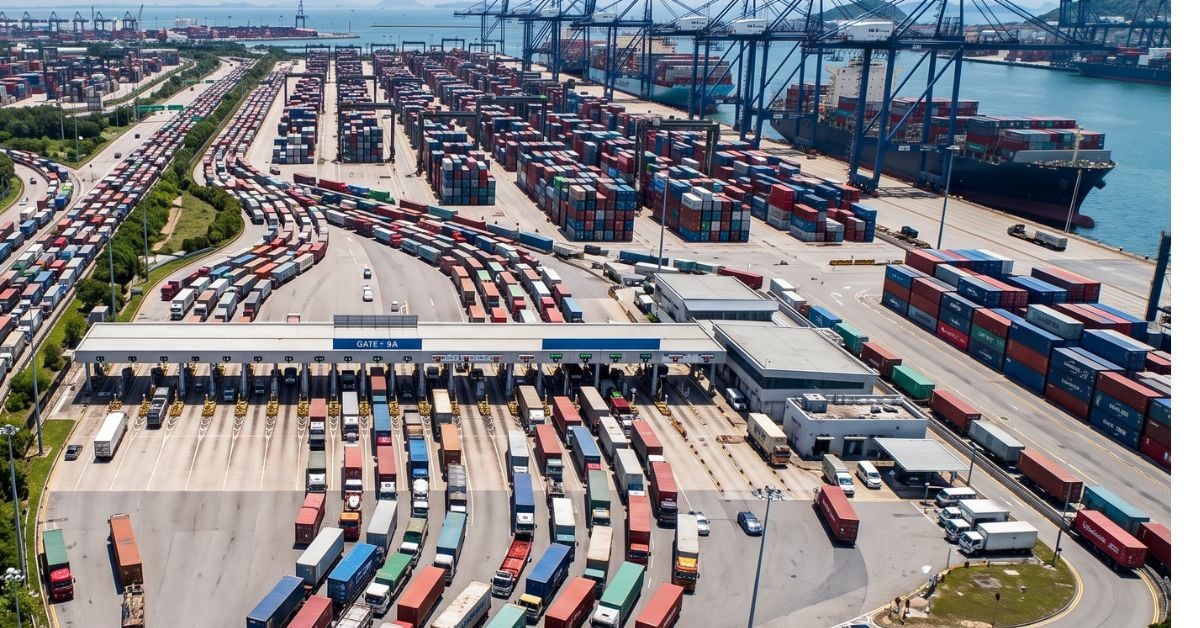
Gate Delays Expose Critical Link in National Trade Flow
A single container gate may appear unremarkable, yet its operational rhythm sets the tempo for national trade flow. When delays accumulate at this critical juncture, the ripple effect on export-import volumes is immediate and measurable. We see this bottleneck as a calibrated indicator of broader supply-chain health. Understanding this link is not optional; it is essential for integrated logistics planning.
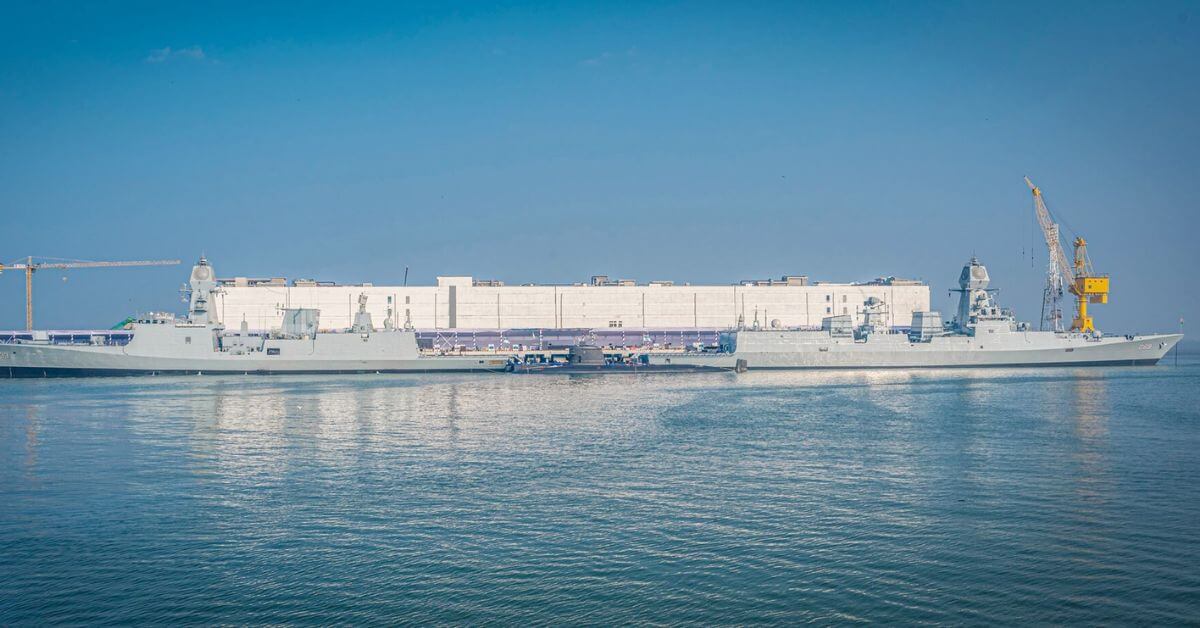
India's Shipbuilding Cluster Set to Drive Economic Growth and Job Creation
A new shipbuilding cluster in Maharashtra is projected to generate roughly 90,000 jobs, according to the state government's Tuesday announcement. This is the kind of measurable, long-term investment that builds economic resilience while strengthening India's maritime capabilities. Job creation at this scale signals more than industrial growth; it reflects a calibrated commitment to coastal development. For readers tracking parallel progress, our coverage of Cochin Shipyard's recent design equity stake offers useful context on how Indian shipbuilders are expanding their expertise.
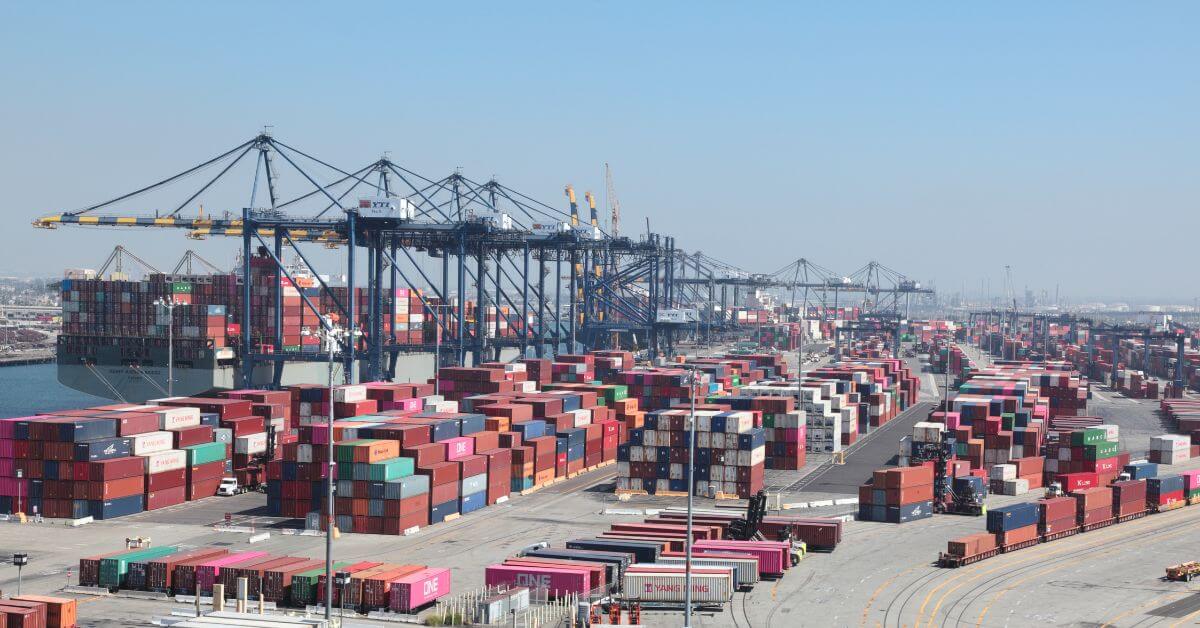
U.S. Ports See Continued Strength with 1.88M TEUs Moved in August
August's throughput of 1.88 million TEUs marks a 2% gain over last year, landing the port its fifth-busiest month in 115 years. Consistency like this signals more than resilience; it reflects a data-driven logistics ecosystem operating at scale. Sustained volume at this level supports broader ocean intelligence efforts, from cargo tracking to climate monitoring. For context on how maritime security intersects with these operations, our coverage of Maritime Interdictions Yield 25,000 Pounds of Cocaine underscores the layered realities of ocean stewardship.

Mundra Port Resumes Operations After Strike Impacts Global Shipping.
Mundra Port has resumed operations after a strike disrupted cargo flows, with major carriers including MSC, Hapag-Lloyd, ONE and CMA CGM notifying customers of delays. This interruption underscores the fragility of global supply chains when critical nodes falter. Reliable port activity is measurable, and its disruption sends real-time ripple effects across markets. For deeper context on India's maritime infrastructure, see our coverage of Paradip Port's designation as a Mega Port.

Mitigating Supply Chain Risk: KPC Enables Ship-to-Ship Transfers.
Kuwait Petroleum Corporation is offering buyers ship-to-ship transfers beyond the Strait of Hormuz, a measured response to a volatile chokepoint. This is not panic, it is calibrated risk management. By moving cargo to safer waters, KPC keeps supply chains operational without relying on diplomatic breakthroughs. We have explored the limits of this approach in "Gulf of Oman STS Transfers Max Out Amid Rising Saudi Oil Exports," which underscores that capacity, not will, now defines the region's resilience.
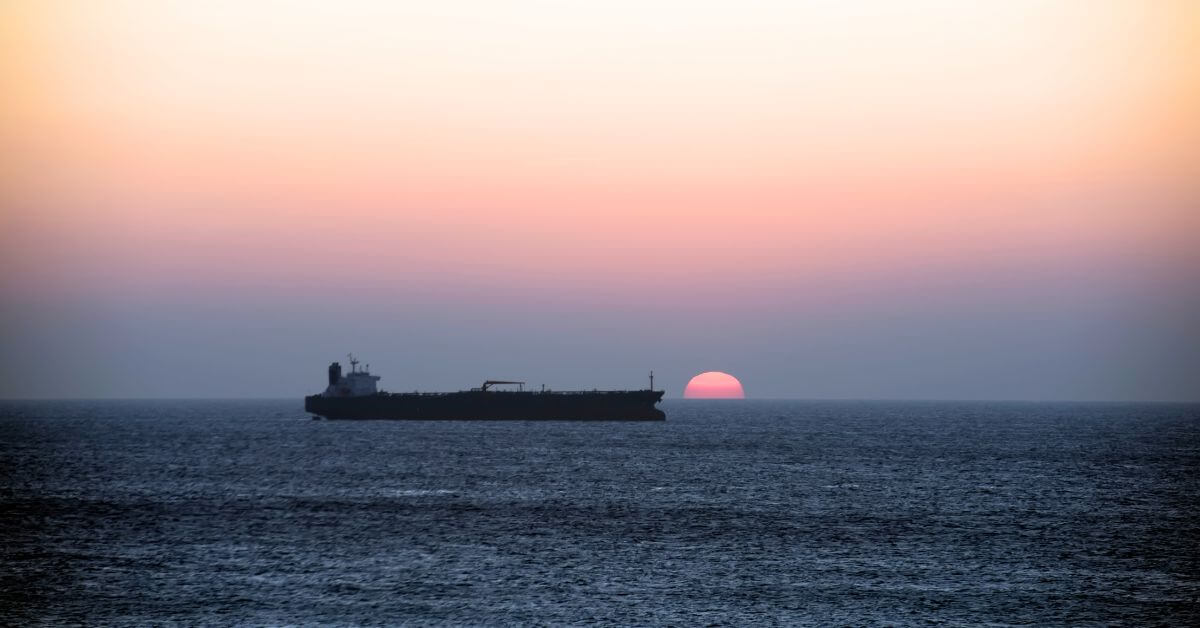
Maritime Trade Faces Fragmentation Amid Sanctions and Evolving Regulations
Maritime trade now confronts fragmentation as sanctions and evolving regulations reshape global shipping routes. Over 80% of the world's goods move by sea, so these shifts carry measurable consequences for supply chains and economies. This is not a moment for alarm, but for calibrated observation. Our recent coverage of the Royal New Zealand Navy's sanctions-monitoring deployment illustrates how nations are adapting. Understanding these dynamics is essential, integrated ocean intelligence helps us track the real-time impact on trade flows and climate indicators alike.
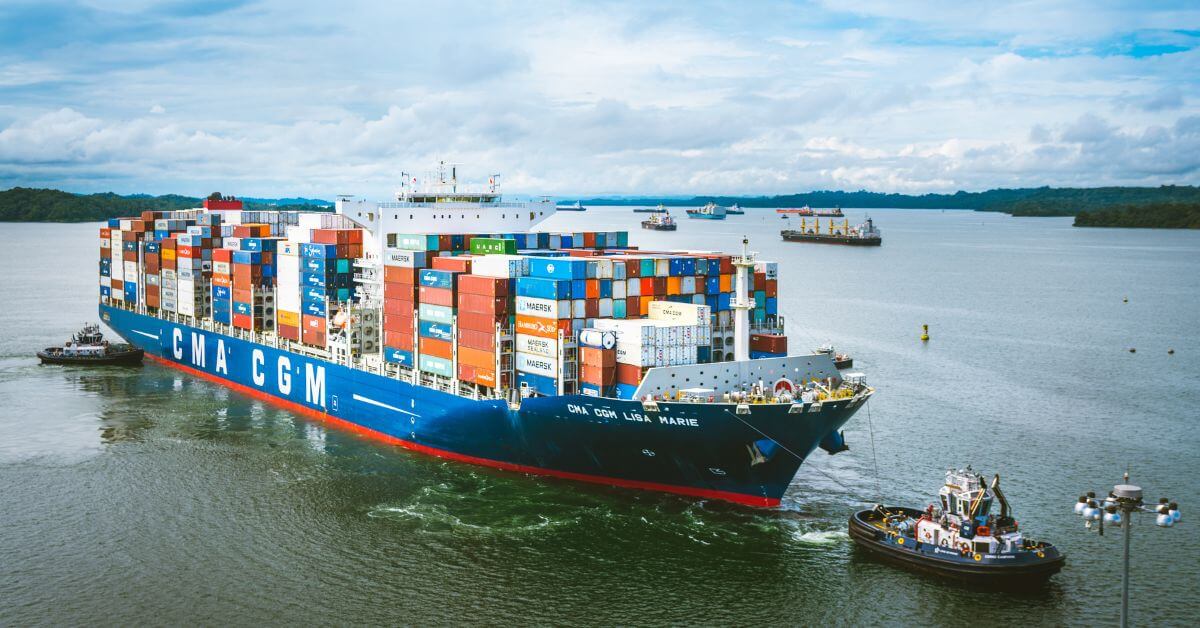
Samsung Alleges Shipping Act Violations by CMA CGM.
Samsung Electronics America has filed a complaint with the U.S. Federal Maritime Commission against CMA CGM, alleging Shipping Act violations. The move signals growing tension between major shippers and carriers over contractual accountability. It is a reminder that ocean intelligence must include legal scrutiny, not just logistical performance. As global supply chains face mounting pressure, disputes like this one carry real consequences.
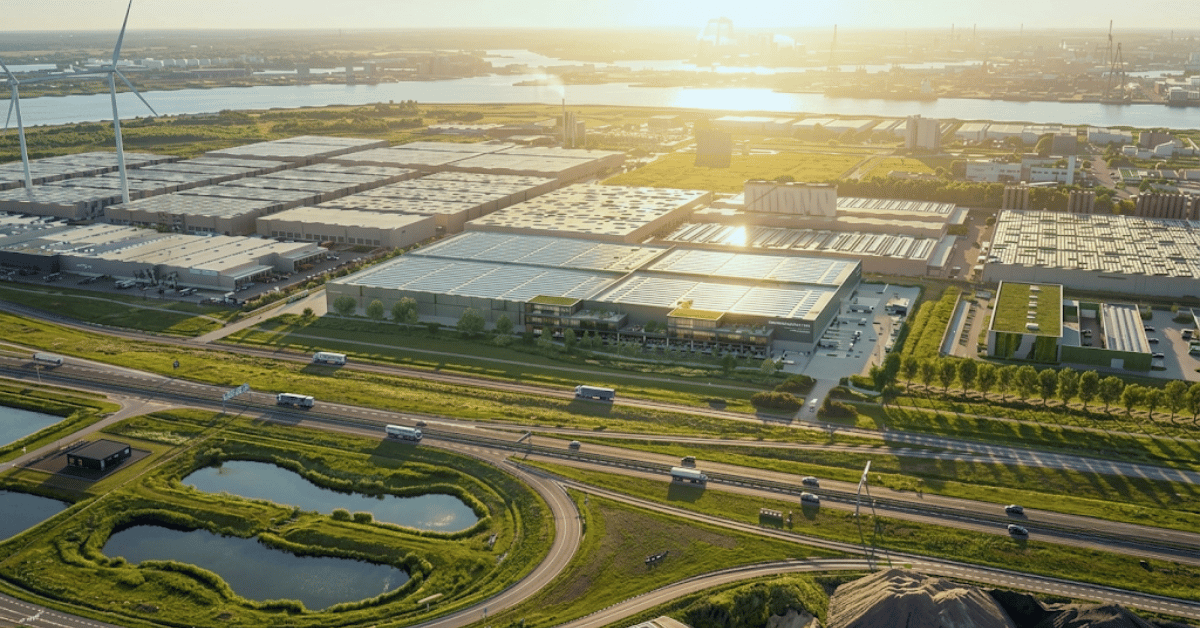
Integrated Logistics Enhance Antwerp’s Cold Chain Capacity.
DP World's EUR 100 million investment in a new temperature-controlled logistics hub at the Port of Antwerp is a calibrated response to rising global demand for cold chain integrity. This expansion strengthens an integrated data ecosystem, ensuring perishable goods move from ship to shelf with measurable precision. It reflects a forward-thinking commitment to infrastructure that supports both trade and sustainability. For broader context on global logistics resilience, see our coverage of Mundra Port's recent operational challenges.
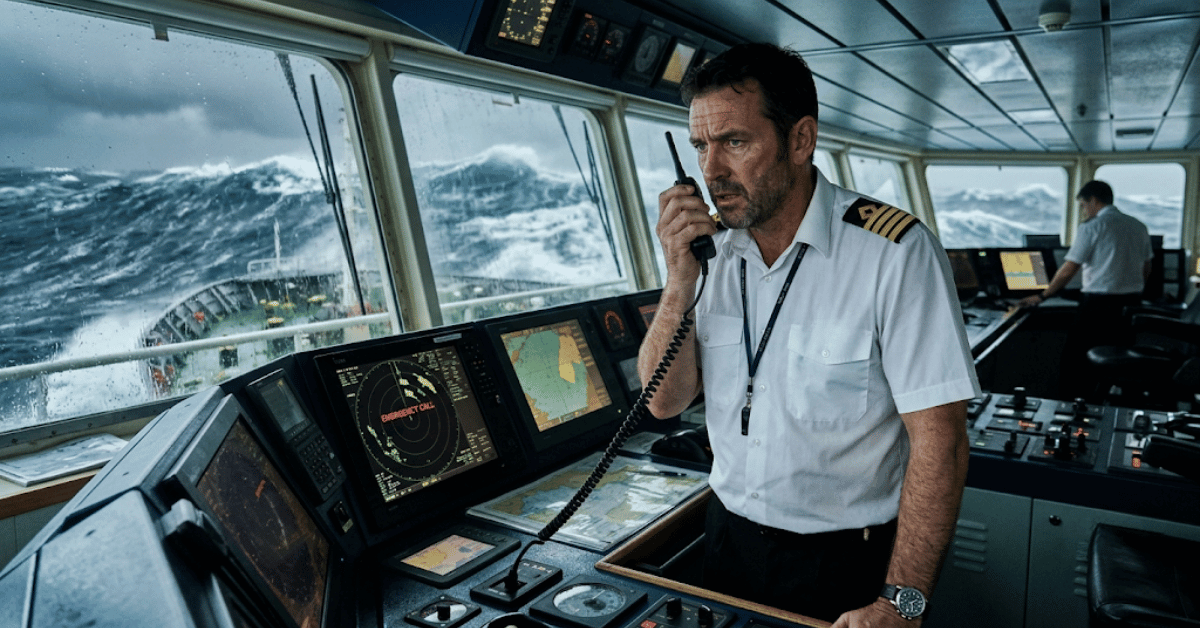
Data-Driven Insights Predict Maritime Emergencies, Highlighting Weather Risks
Weather emerges as the dominant force in maritime safety, according to Inmarsat's analysis of 106,975 safety broadcasts. The data is clear: urgent warnings stem most frequently from weather-related risks, reinforcing that preparedness begins with environmental awareness. This is actionable intelligence for an industry where foresight saves lives. For readers tracking operational resilience, our coverage of Russia's icebreaker fleet strategy offers a complementary perspective on how nations are calibrating infrastructure against Arctic conditions. Understanding these patterns is not optional; it is the foundation of safer seas.
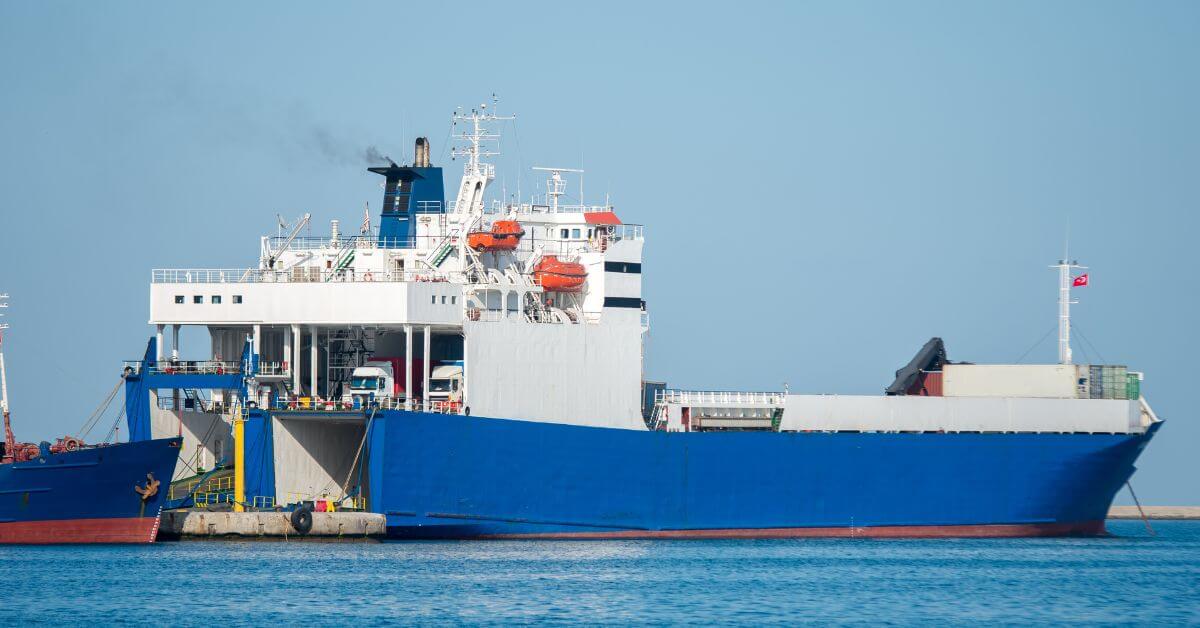
Shipping Constraints Impact Indian Automotive Exports Amid Geopolitical Shifts
India's automotive export engine is idling at the dock. The vessels required to move finished cars out of Indian ports are falling short of demand, a shortage that arrives amid shifting geopolitical currents. This is not a logistical footnote; it is a constraint that will test supply chain resilience. For a sector already navigating global turbulence, the scarcity of shipping capacity adds a measurable layer of pressure. The challenge is clear: without sufficient carriers, momentum stalls.
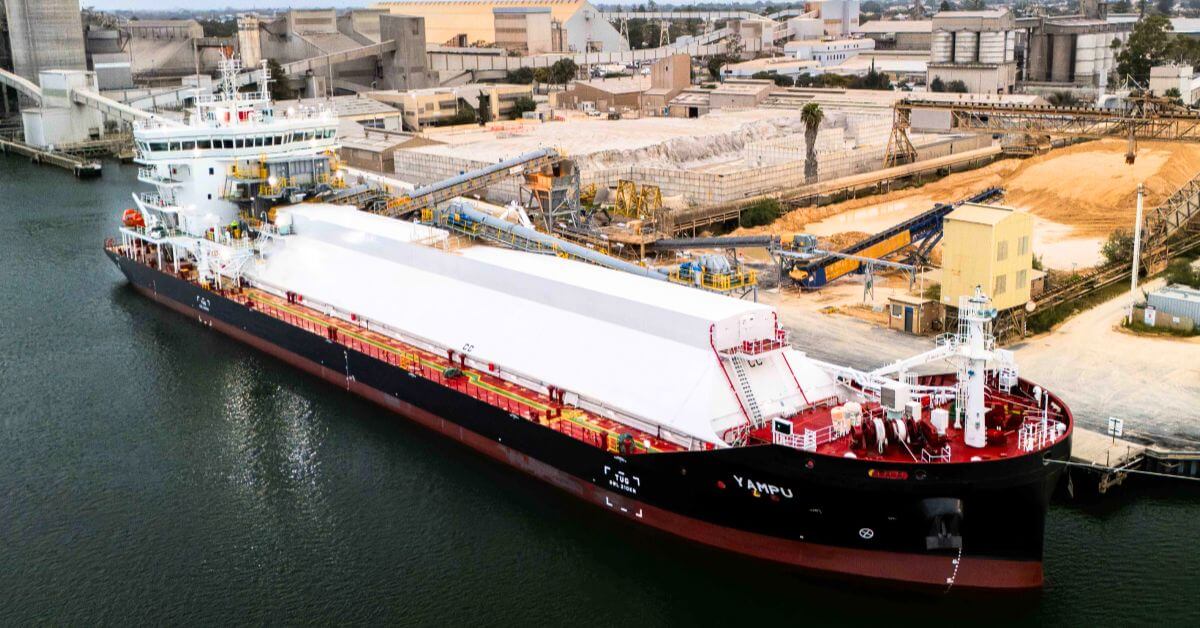
Optimized Limestone Transport: New Vessel Boosts Capacity and Sustainability.
A 35% increase in annual limestone carrying capacity is a measurable step forward for sustainable material transport. Adbri's new vessel, set to replace MV Accolade II, delivers that gain without compromising operational efficiency. This is the kind of practical, validated progress that moves ocean logistics closer to its climate commitments. For context on how vessel movements intersect with coastal risk, our recent coverage of the bulk carrier freed near Gladstone offers a timely look at the region's operational challenges.
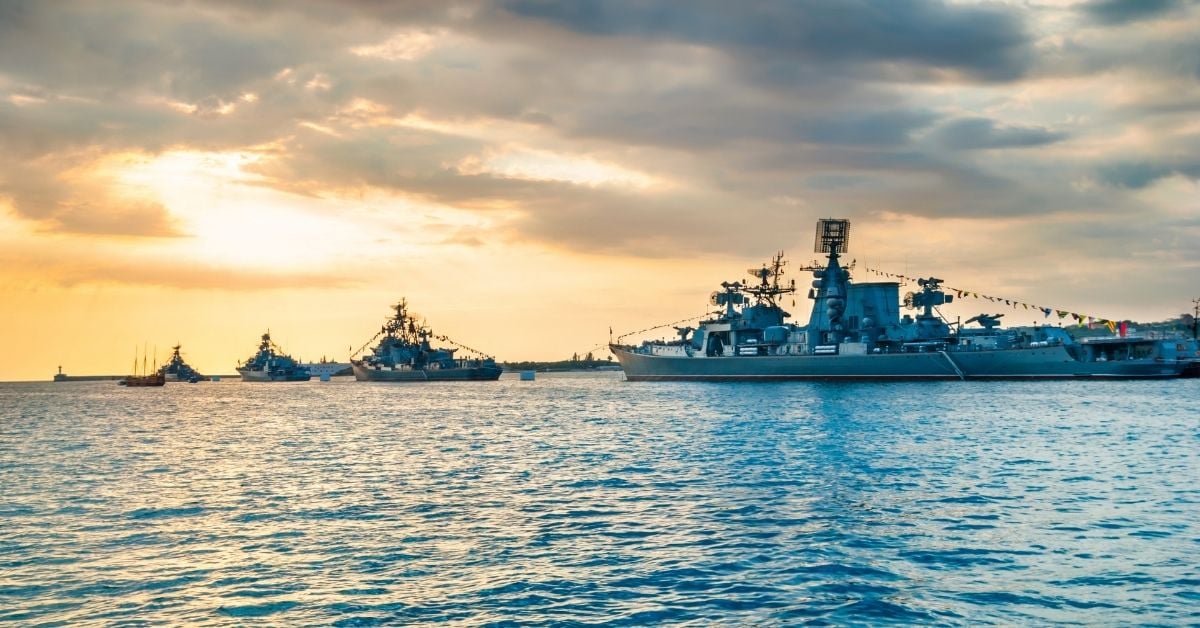
Accelerated Submarine Readiness: Navy Calibrates 3D-Printing Standards
The U.S. Navy's new technical guidelines for 3D printing mark a deliberate step toward standardizing additive manufacturing across submarine design, repair, and maintenance. This is not flashy hardware; it is calibrated process, and that matters. Precision in fabrication demands precision in standards, especially when operational readiness is the goal. Standardization here means fewer delays and more resilient supply chains. For context, our coverage of the *Collaborative Shipbuilding Initiative Advances Ocean Data Capabilities in India* shows similar industrial momentum globally.
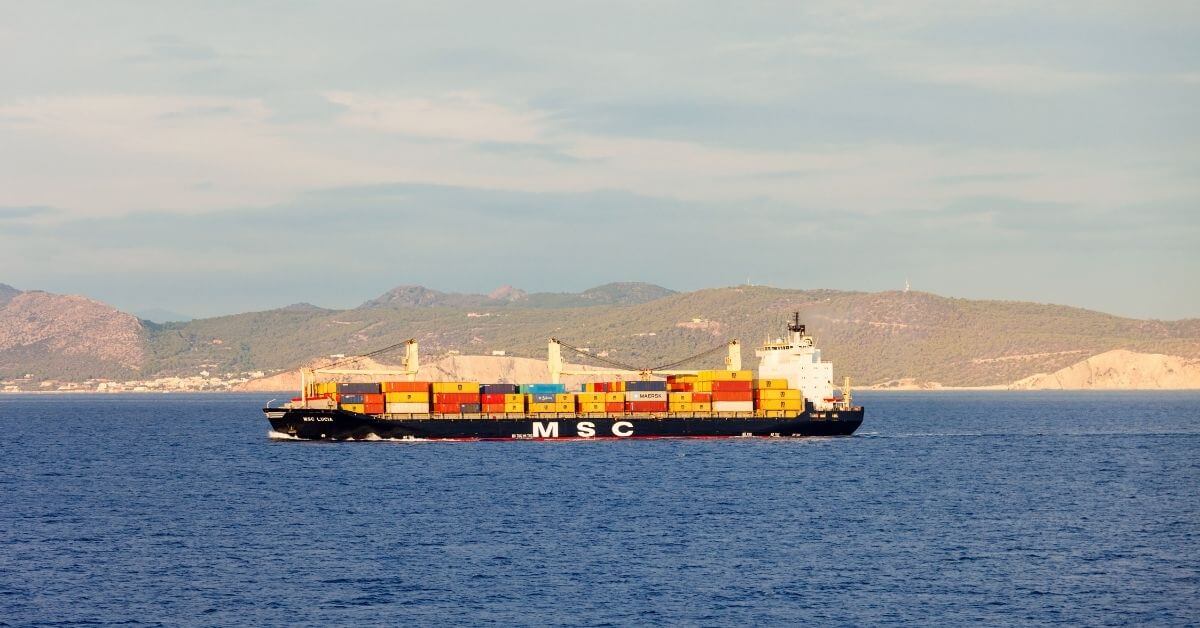
Shipping Giant Pauses Bookings at Russian Port Following Vessel Attack
The MSC Ulsan III, a Panama-flagged vessel built in 2004, now sits at the center of a commercial pause. Shipping Giant has halted bookings at Russian ports following the attack on the ship, a decisive move that prioritizes operational safety over market reach. The vessel's capacity of roughly 2,700 TEUs underscores the logistical weight behind this decision. It is a measured response to a volatile situation, reinforcing that maritime security is non-negotiable.
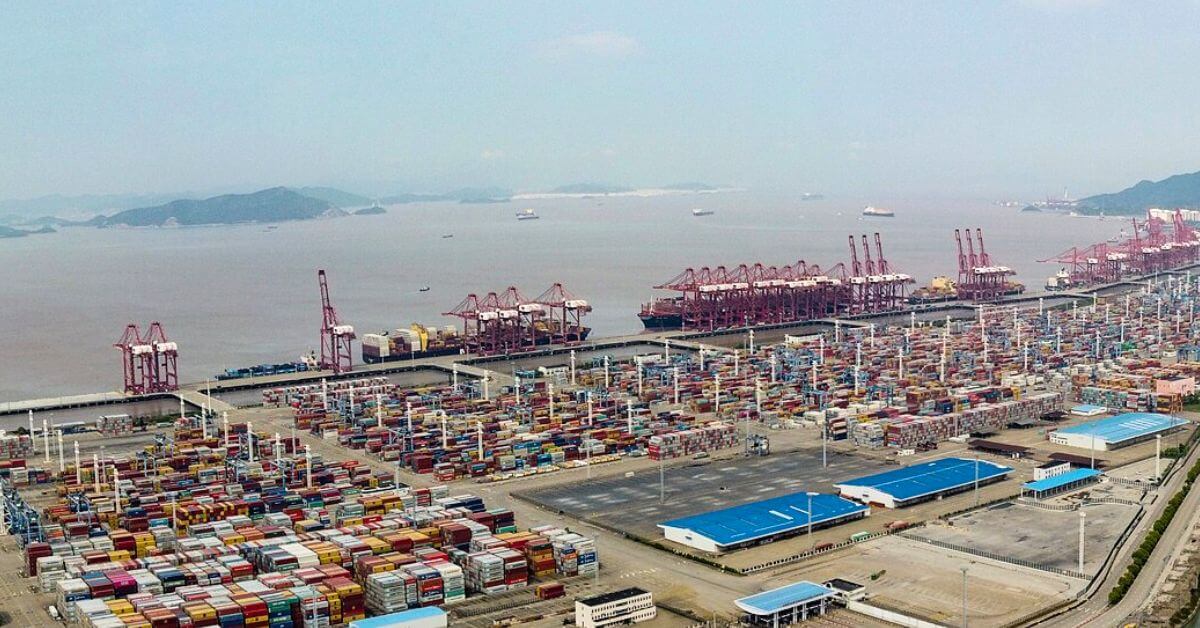
Ningbo-Zhoushan Port Surpasses Singapore, Securing Second Place Globally.
Ningbo-Zhoushan Port moved up the global ranks with 22.90 million TEU in the first half of 2026, an 8.8% year-on-year gain that places it second worldwide. This is what measured, data-driven progress looks like. Singapore's loss is not a setback but a signal of shifting trade currents. For readers tracking maritime momentum, our related piece on Paradi Port's new Mega Port status offers useful context. Growth at this scale demands calibrated investment, and China's port network is delivering it.

Australia Advances AUKUS Submarine Program with New Shipyard Construction
The Henderson shipyard's new construction phase marks a deliberate step in Australia's 20-year commitment to host nuclear-powered attack submarines. This is infrastructure built for the long haul, not a headline. The project's value lies in its patience and precision, turning a West Australian port into a credible maintenance hub. For readers tracking maritime logistics, our coverage of the bulk carrier freed near Gladstone reminds us that Australian waters demand both advanced capability and practical resilience. This program answers that demand with measured intent.

Record Container Volume Signals Continued Growth at Port of Los Angeles
The Port of Los Angeles moved more than 1 million TEUs in June, its busiest June in 118 years. That is not a rounding error; it is a calibrated signal. Record container volume reflects sustained demand and operational resilience, even as global supply chains recalibrate. We track these numbers because they are measurable indicators of economic momentum, not abstract figures. For broader maritime context, our coverage of Paradip Port's designation as a Mega Port complements this picture of expanding trade infrastructure.

Record-Breaking Green Methanol Bunkering Fuels Sustainable Shipping in Shanghai
A single bunkering operation in Shanghai has set a global record for green methanol supply, marking measurable progress in the shipping sector's shift toward lower-carbon fuels. The scale of this milestone is significant, but the real signal is repeatability: the more ports integrate green methanol into routine logistics, the faster the industry can move beyond pilot projects. For broader context on regional energy flows, our coverage of Gulf of Oman STS transfers offers a useful contrast in how different fuel systems are evolving.

Leveraging Civilian Shipping: China Assesses Fleet for Potential Military Use
China's call for a detailed survey of its civilian shipping fleet signals a pragmatic step toward integrating commercial capacity into national defense. Li's request for a vessel database reflects a methodical approach, one grounded in measurable readiness rather than speculation. This move aligns with broader maritime trends, as seen in our related coverage of Gulf of Oman STS transfers maxing out. The ocean is a shared operating environment, and understanding its assets is part of responsible stewardship. Calibrated preparation, not alarm, defines this strategic review.
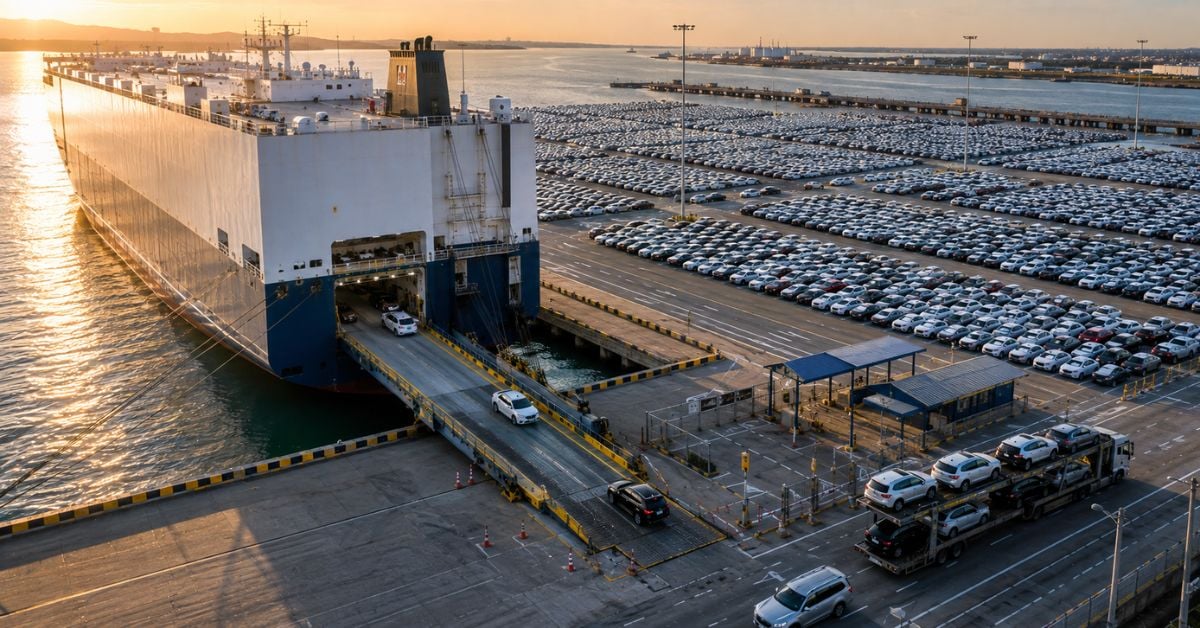
Real-Time Visibility: Optimizing Terminal Operations with Modern TOS Systems
A terminal's true competitive edge lies in its ability to see clearly. Modern Terminal Operating Systems integrate machinery, workflows, and departments into a single, calibrated view, delivering real-time visibility into both current activity and what must happen next. This isn't about flashy dashboards; it's about measurable, operational intelligence. For those exploring how data ecosystems drive efficiency, our coverage of integrated subsea cables shows a similar principle at scale. Understanding the flow of information is the first step to mastering it.

MSC Vandya's Size Meets Depth Limits at Port Everglades
At 143,521 gross tons and 1,200.2 feet in length, the MSC Vandya has arrived at Port Everglades, testing the limits of what the facility can accommodate. Its 13,050-TEU capacity underscores how modern shipping continues to scale up. This is a clear signal of sustained demand for efficient cargo movement. For context on this momentum, our piece on record port activity highlights how Chinese exports are driving similar surges elsewhere. The Vandya's visit is another measurable data point in that ongoing story.