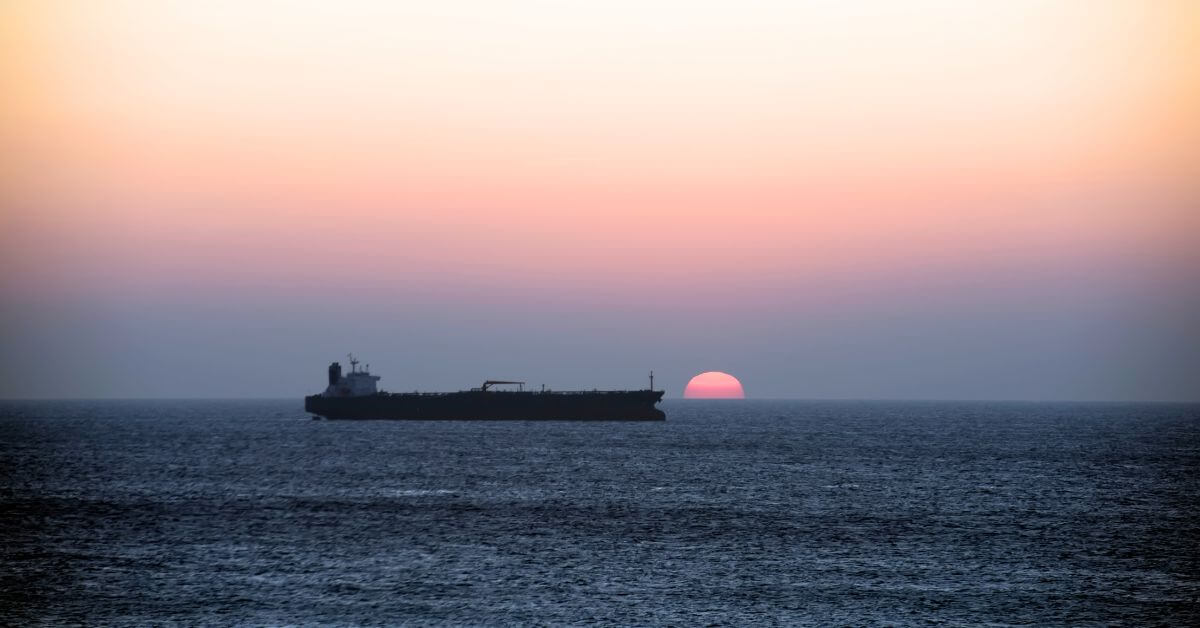
Over 80% of global trade moves by sea, yet the system designed to keep that flow steady is showing cracks. Sanctions-evasion networks and diverging regulatory frameworks are pulling maritime trade toward a two-tier structure, one for compliant operators and another for those willing to skirt the rules. This fragmentation is not a theoretical risk; it is already reshaping shipping routes, insurance costs, and supply-chain planning. For anyone who relies on ocean intelligence to make decisions, the question is no longer whether fragmentation will happen, but how to measure its real-world impact.
Consider what we are seeing. A Royal New Zealand Navy task group recently completed a three-month deployment monitoring possible violations of UN sanctions, a sign that enforcement is becoming more active and more visible. That work, detailed in Kiwi Frigate Monitors Sanctions, Enhancing Global Maritime Security Intelligence, shows how governments are responding to the rise of so-called shadow fleets. Meanwhile, Saudi Arabia redirected oil exports through Oman, a move that eased supply concerns and dropped oil prices by 1.2%, as reported in Saudi Arabia Redirects Oil Exports; Global Supply Concerns Ease. And drought-driven reductions in canal transits, outlined in Reduced Canal Transits: Drought Impacts Global Shipping Routes., are compounding the pressure on routes that were already under strain from geopolitical friction. Together, these stories point to a maritime system where transparency is eroding even as the demand for it grows.
Our take is straightforward: the emergence of a two-tier maritime system is a data problem as much as a policy problem. When vessels obscure their ownership, change flags frequently, or operate outside standard insurance frameworks, the empirical signals that underpin ocean intelligence become harder to calibrate. Real-time tracking, peer-reviewed analytics, and integrated data ecosystems are only as reliable as the inputs they receive. If a growing share of global shipping is effectively invisible to standard monitoring, then climate indicators, supply-chain forecasts, and risk assessments all carry a widening margin of error. This is not alarmism; it is a measurable gap in validated information.
What would we tell a reader who asks about this? Watch the insurance markets. When underwriters start pricing two-tier risk, one rate for compliant vessels, another for those linked to sanctions-evasion networks, that is the moment fragmentation becomes a concrete cost. The specific takeaway here is that transparency is not a luxury; it is a prerequisite for any data-driven approach to ocean stewardship. Without it, the very concept of ocean intelligence loses its grounding in calibrated, longitudinal evidence.
The open question is whether the regulatory community can move fast enough to close the data gap before the two-tier system hardens into permanence. That is the detail to watch: not the headlines about sanctions, but the quiet divergence in how shipping data is collected, shared, and trusted.