U.S. Ports See Continued Strength with 1.88M TEUs Moved in August
August container volume at the ports of Los Angeles and Long Beach reached a significant 1.88 million twenty-foot equivalent units (TEUs), demonstrating continued resilience in the U.S. supply chain. This figure…
·5 min read·Marine Insight
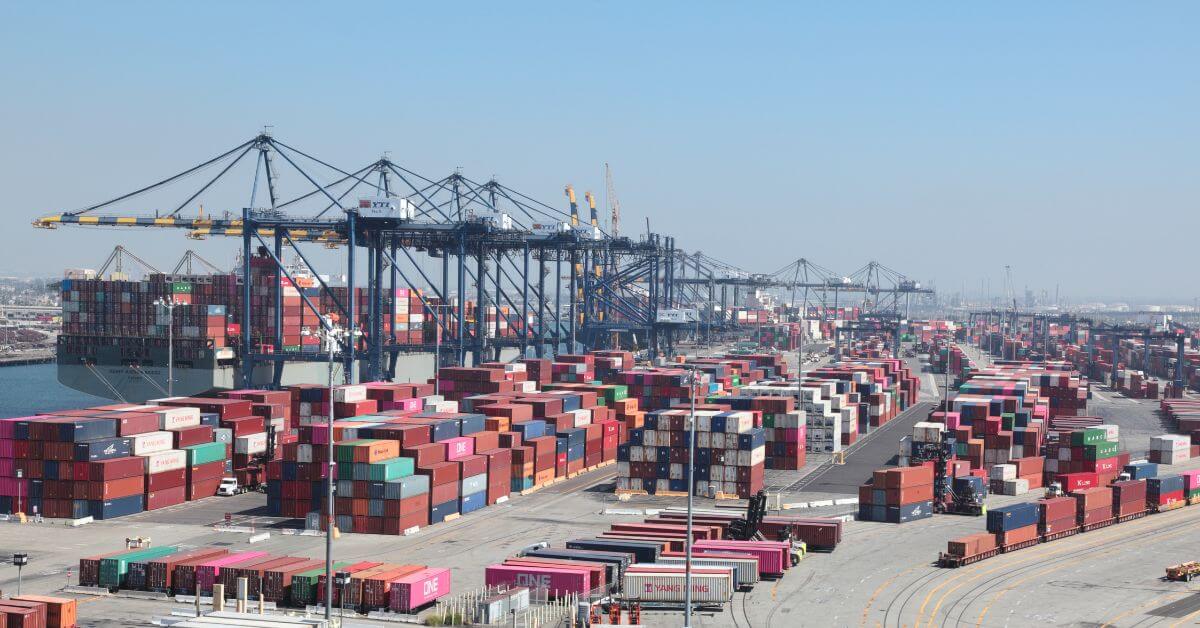
Image for representation purposes only
The Port of Long Beach handled 919,992 twenty-foot equivalent units (TEUs) in August, its busiest August on record. Shippers continued to adjust their supply chains as tariffs and geopolitical uncertainty affected the trade environment.
August volume was 2% higher than in the same month last year. It was also the fifth-busiest month in the port’s 115-year history.
Imports rose 3.6% year over year to 456,100 TEUs. Exports also increased, rising 4% to 99,754 TEUs.
The port moved 364,138 empty containers in August, down 0.39% from a year earlier. Long Beach uses empty-container movements as an indicator of future import traffic.
“Our August numbers tell us that shippers continue to adapt to tariffs and geopolitical uncertainty and are confident in the Port of Long Beach’s ability to deliver,” Chief Executive Noel Hacegaba said in a release.
Long Beach handled 6,678,078 TEUs in the first eight months of 2026. That was 1.3% more than during the same period in 2025.
The strong August result came as the neighbouring Port of Los Angeles also reported high cargo volumes.
Los Angeles handled 955,907 TEUs in August. Its combined volume for June, July and August was more than 2.9 million TEUs, making it the busiest three-month period in the port’s history.
The two San Pedro Bay ports handled nearly 1.88 million TEUs between them in August.
The Port of Los Angeles reported its three-month record just days after Long Beach announced its busiest August.
At Long Beach, higher import and export volumes helped make up for the small drop in empty-container movements.
The August figures show that cargo owners continued to use the Southern California gateway while dealing with changing tariff policies and geopolitical uncertainty.