scientists
10 stories filed under scientists on World Data Ocean. The newest of them: “Deep-sea survey confirms 200,000 leaking barrels of Cold War radioactive waste”, “A national river assessment pinpoints specific restoration needs for aquatic life”, and “A twelve-thousand-fossil record links oxygen to the rise of complex life”. Two hundred thousand barrels of Cold War-era radioactive waste are now visibly leaking on the Atlantic seafloor. Every river and stream in the contiguous United States has now been graded, and the results are specific. A Global Hub for Ocean Intelligence 4 World Data Ocean is a centralized digital platform where researchers, scientists, and ocean enthusiasts converge to… The list below is every scientists story on World Data Ocean, newest first.
Deep-sea survey confirms 200,000 leaking barrels of Cold War radioactive waste
Two hundred thousand barrels of Cold War-era radioactive waste are now visibly leaking on the Atlantic seafloor. A new deep-sea survey confirms what many feared: this historical dumping was never truly contained. The measured data are sobering, but they also empower action. This is not an alarm, it is empirical evidence demanding a calibrated, global response. Understanding drives protection. For more on how we track ocean pollutants, see our coverage of "Seafloor sediment confirmed as a vast plastic pollution reservoir."

A national river assessment pinpoints specific restoration needs for aquatic life
Every river and stream in the contiguous United States has now been graded, and the results are specific. This national assessment identifies exactly what each waterway needs to support aquatic life, from targeted repairs to broader restoration efforts. It is a measurable, peer-reviewed step toward integrated water management. Understanding drives protection, and this kind of empirical data gives us a clear starting point. For more on how deep-time records inform environmental change, see our coverage of the twelve-thousand-fossil record linking oxygen to complex life.
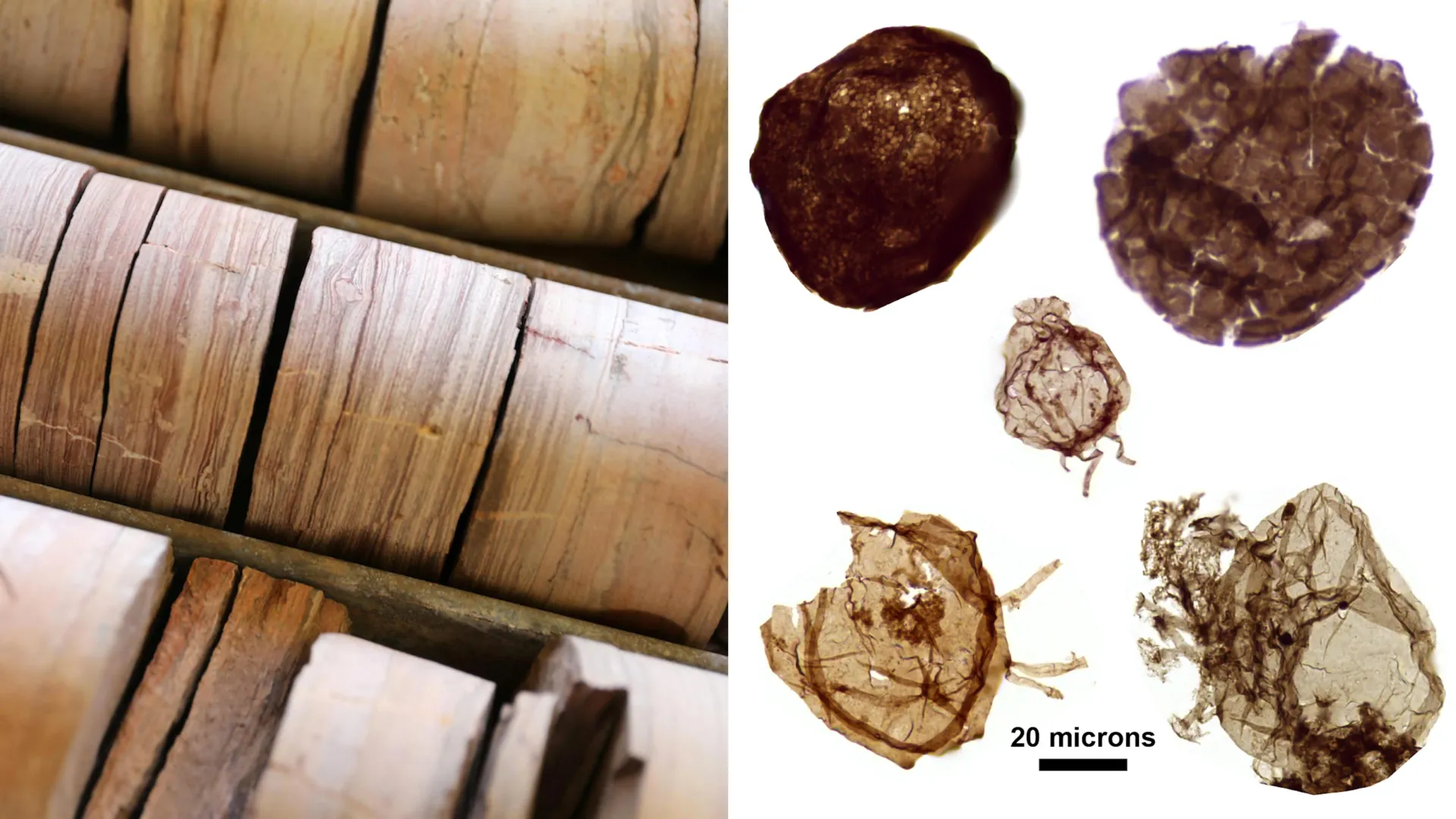
A twelve-thousand-fossil record links oxygen to the rise of complex life
Twelve thousand fossils from ancient Australian rocks now offer the most direct evidence yet that oxygen enabled complex life to emerge. These early eukaryotes flourished in coastal mudflats and open seas, but only where oxygen was present. Oxygen-free zones hosted only simpler microbes. This empirical record strengthens a long-held hypothesis with measurable, validated data. For deeper context on how environmental factors shaped early life, see our coverage of "Magma and microbial activity may rewrite a 2-billion-year-old carbon signal.
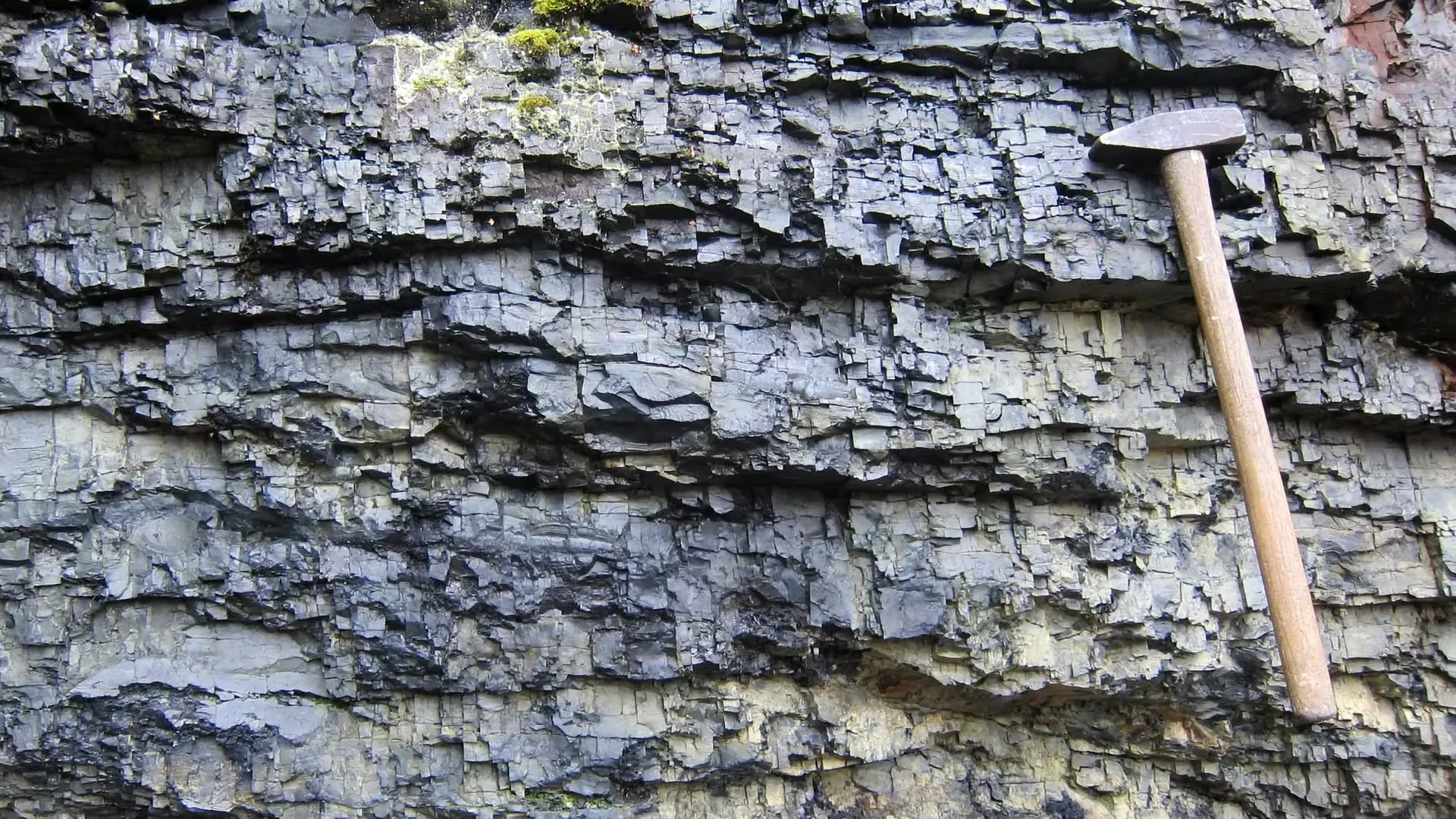
Magma and microbial activity may rewrite a 2-billion-year-old carbon signal
A 2-billion-year-old chemical signature, long read as a planetary turning point, may instead record a quieter, more local story. Scientists found that magma, hydrocarbons, and methane-eating microbes could have produced the signal, not a global shift in Earth's carbon cycle. That distinction matters. It asks us to revisit assumptions about oxygen's rise with calibrated caution. For more context on how Earth's systems respond to pressure, our piece on El Niño's unprecedented ocean warming offers a useful parallel. Understanding drives protection.
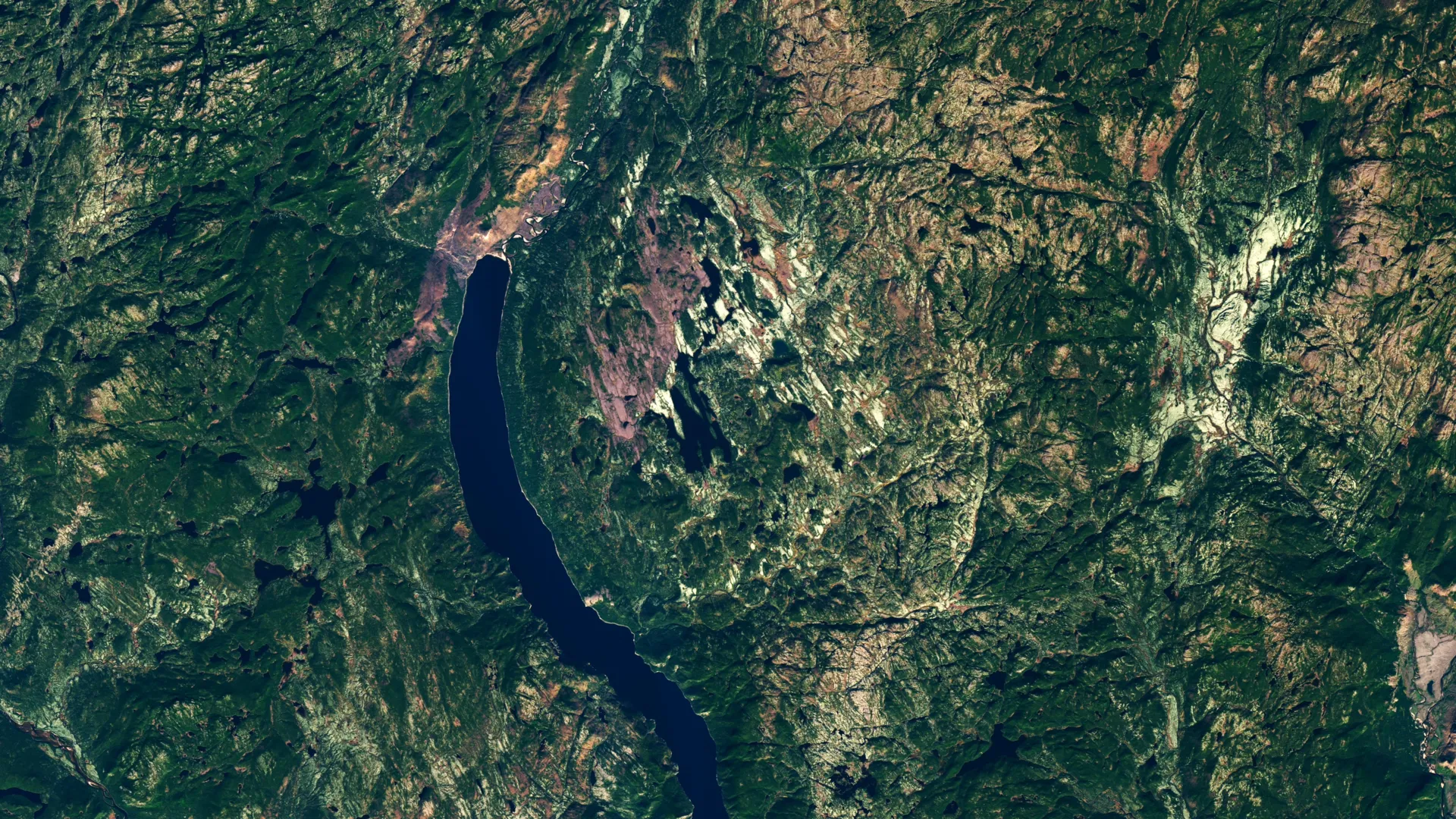
Ancient Impact Crater, 390 Million Years Old, Identified in Quebec
A chance glance at satellite maps for a camping trip has yielded a 390-million-year-old secret. An amateur astronomer's discovery in Quebec led scientists to confirm a 25-kilometer-wide impact crater, evidenced by shatter cones. It is a striking reminder that Earth's history is written in plain sight. For those tracking planetary forces, this find complements our coverage of Cascadia's Subduction Zone Reveals a Fragmented Tectonic Process, adding another layer to our understanding of the planet's dynamic, violent past.
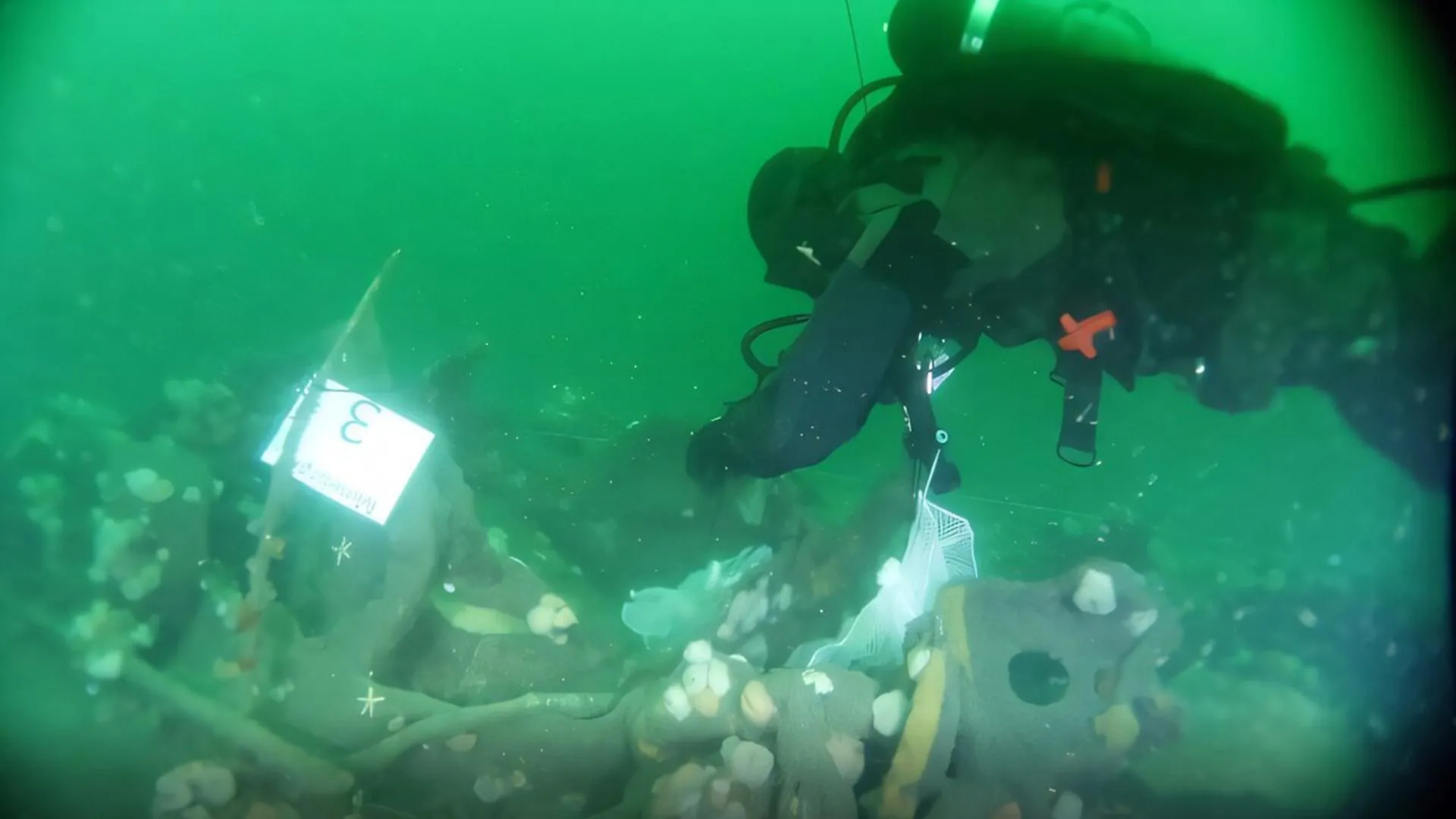
Centennial TNT Leak Highlights Risks from Historic Submarine Wrecks
A century after sinking, a World War I submarine wreck off Denmark is leaking TNT into the surrounding water, seabed, and marine life. This is not a distant historical footnote, it is a measurable, real-time warning. Thousands of similar corroding wrecks could pose growing environmental risks. Understanding drives protection. For deeper coverage of maritime challenges, see our related article on India's expanded naval fleet, which reflects the evolving pressures on our oceans.
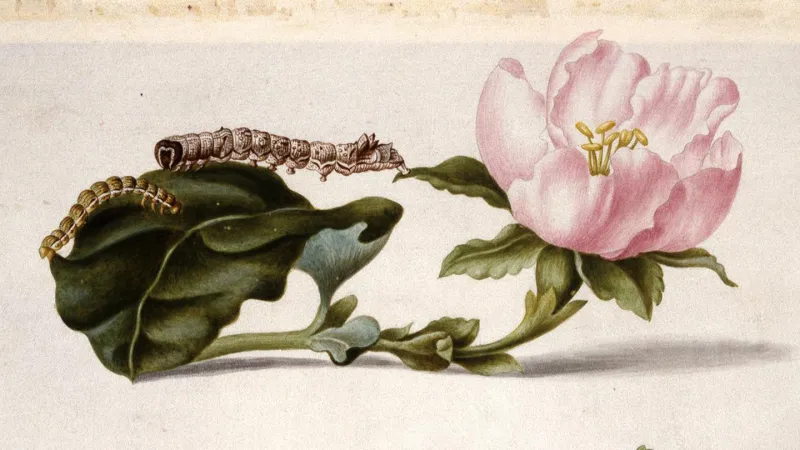
Revealing Scientific Insights Hidden Within Historical Artworks
A 17th-century seascape hanging in a Dutch museum holds more than artistic mastery, it contains a hidden record of ocean conditions. Scientists and art historians are now collaborating to extract empirical data from historic paintings, treating each canvas as a calibrated observation of past climate indicators. This innovative integration of art and ocean intelligence transforms cultural artifacts into measurable scientific tools. Understanding drives protection. For deeper context on marine research pathways, see our related coverage on navigating a marine studies degree.
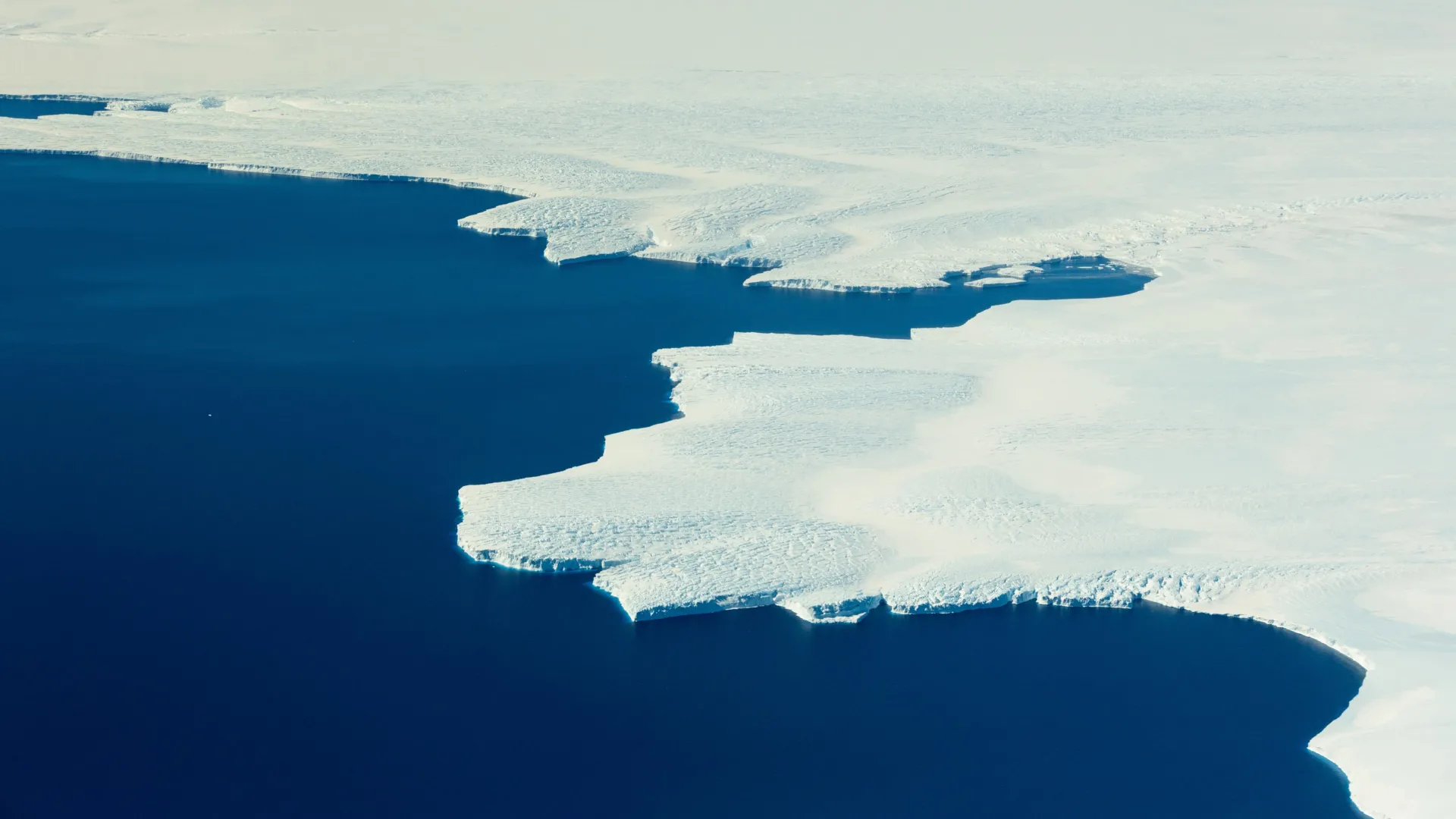
Unexpected Snowfall Drives Record Ice Gain in East Antarctica
Between 2021 and 2023, East Antarctica gained 695 billion tons of ice, a measurable, empirical anomaly driven by tropical ocean warming thousands of miles away. This record snowfall temporarily slowed Antarctica's long-term decline, but it does not reverse the larger trend. Understanding these atmospheric feedback loops is essential for calibrating our climate models. For deeper context on how warming reshapes global systems, see our coverage of "Atlantic Circulation Weakens: Global Climate Reshaping Predicted."
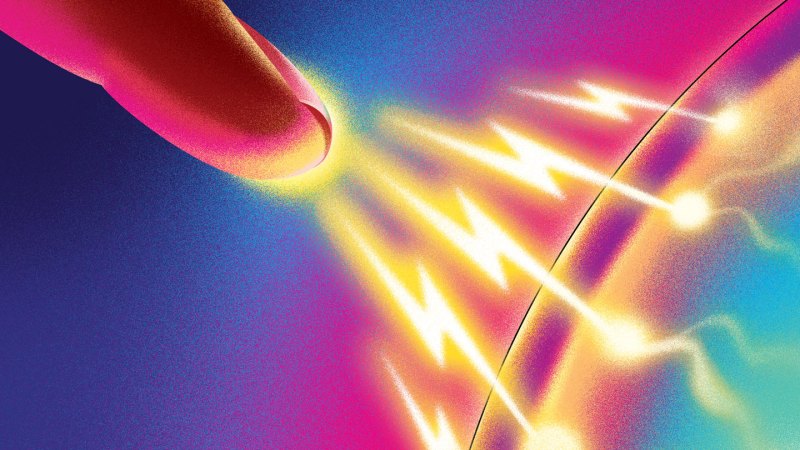
Unraveling the Mystery: Scientists Investigate the Origins of Static Electricity
Static electricity is everywhere, yet science cannot fully explain it. A quirky group of researchers is determined to change that. Their investigation matters, not only for curiosity's sake, but because understanding this everyday phenomenon could unlock deeper principles of charge and matter. The work is methodical, playful, and long overdue. For those drawn to foundational puzzles, this pairs well with our coverage of how magma and microbial activity may rewrite a 2-billion-year-old carbon signal.
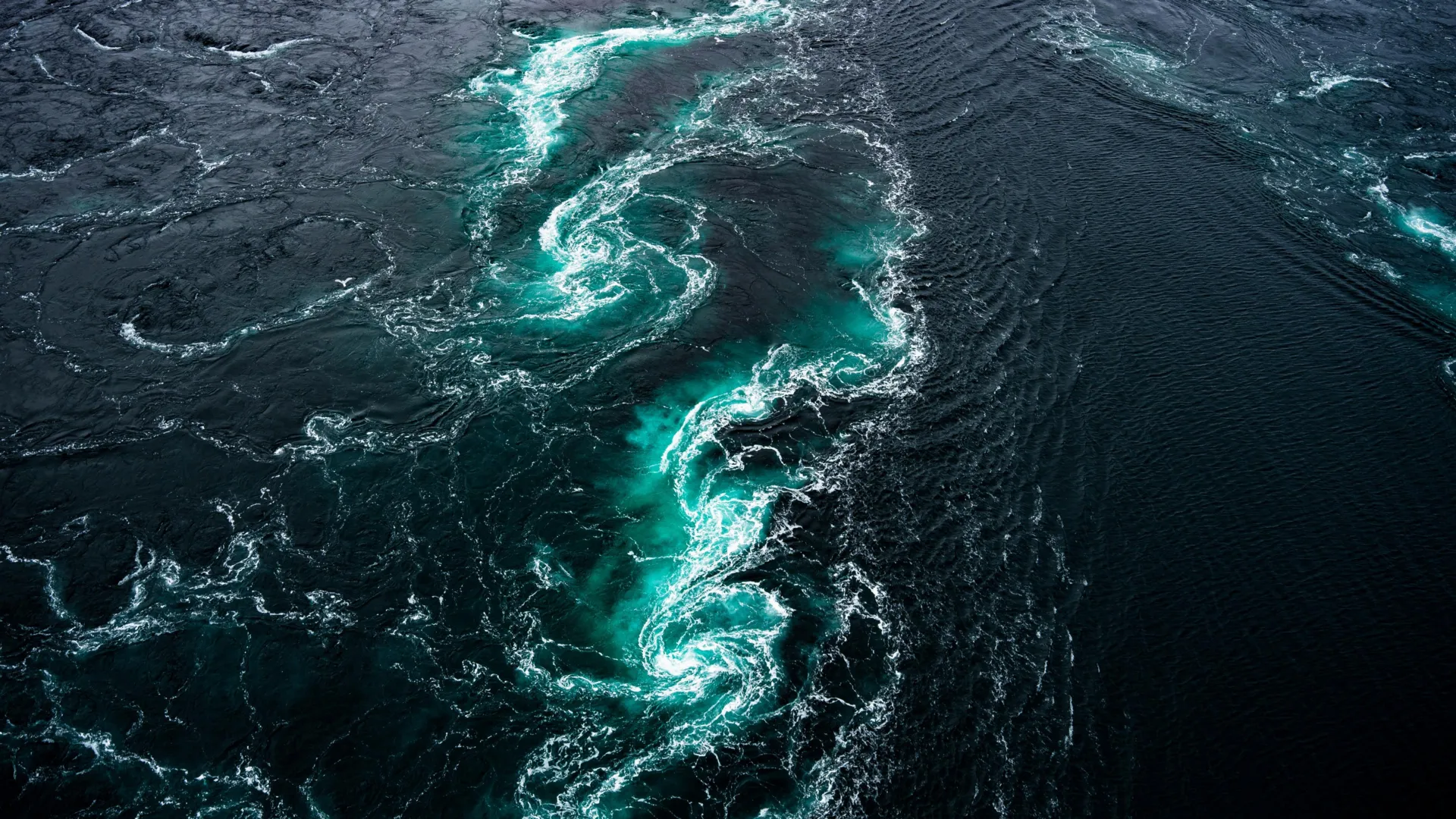
Rapid Warming Threatens Atlantic Circulation’s Stability
The pace of warming may be the deciding factor for the Atlantic Meridional Overturning Circulation. New research indicates that rapid temperature rise, similar to today's trajectory, can push this massive system past a tipping point far earlier than gradual change would allow. The finding reframes our understanding of climate thresholds. For a broader perspective on how we track these shifts, our related piece, "Atlantic Circulation Weakens: Global Climate Reshaping Predicted," offers additional context.