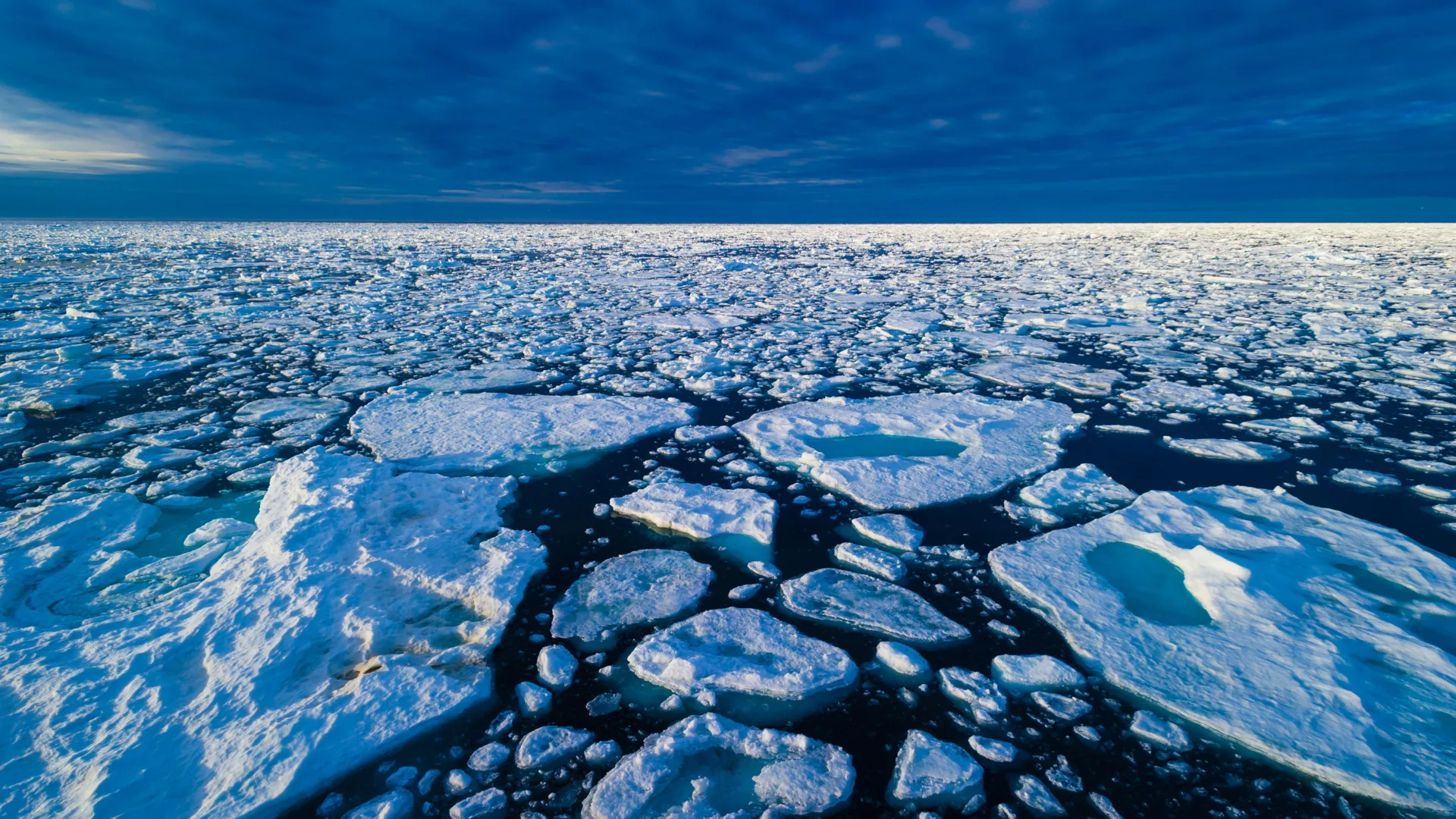
The past is speaking to us, and its message is urgent: Arctic winter sea ice may vanish far sooner than our models have been telling us. A new study, which reads climate clues locked in ocean sediments from 6,000 years ago, projects that future winter ice coverage could be roughly one million square kilometers smaller than earlier predictions. This is not a marginal revision; it is a recalibration of our expectations for a system we thought we understood. For anyone working in ocean intelligence or coastal policy, this finding demands a practical re-evaluation of the timelines we use for planning.
The methodology is what makes this result so compelling. By validating modern climate models against empirical, longitudinal data from ancient sediments, researchers have effectively stress-tested our projections against a real-world analogue. This is the kind of calibrated, peer-reviewed evidence that moves a conversation from speculation to measurable risk. It echoes a theme we have explored in other contexts, whether in Reducing Risk in Shared Waters: Evidence-Based Guidelines for Shark Encounters or in tracking the accelerating retreat of alpine ice in Switzerland's glacier loss accelerates to nearly 20% in five years. In each case, the pattern is the same: direct observation and historical data are forcing us to shorten our timelines. The Arctic is no exception.
Our opinion is plain: this study should not be read as a cause for alarm but as a call for precision. The difference of one million square kilometers of winter ice is not an abstract number. It represents a concrete shift in albedo, in ocean-atmosphere heat exchange, and in the seasonal habitat available for species that depend on ice cover. For researchers and policymakers who rely on integrated data ecosystems to model climate indicators, this finding means that assumptions about winter ice persistence must be updated now, not later. The window for action is narrowing, and the data is telling us to move with greater urgency, not greater panic.
The specific takeaway is this: any infrastructure, conservation plan, or shipping route designed around previous winter ice projections is already operating on outdated assumptions. The question we must ask ourselves, and our models, is whether our monitoring systems are ready to track this accelerated change in real time. From orbit to ocean floor, we have the tools. The sediment record has given us the warning. What remains to be seen is how quickly we integrate this new evidence into our operational reality.