nautical miles
nautical miles at World Data Ocean is a file of 37 stories. The newest of them: “1.2 billion dollar contract launches 30 unmanned vessels for naval ocean intelligence”, “A mothership for underwater drones signals a new era in ocean intelligence”, and “6,000-nautical-mile delivery signals a new chapter for ocean-going vessel”. A $1.2 billion contract will deploy 30 medium unmanned surface vessels for naval ocean intelligence, a calibrated investment in autonomous maritime capability. A 5,000-ton mothership designed to deploy underwater drones is taking shape in Beijing, signaling a new era in ocean intelligence. A Global Hub for Ocean Intelligence 4 World Data Ocean is a centralized digital platform where researchers, scientists, and ocean enthusiasts converge to… The list below is every nautical miles story on World Data Ocean, newest first.
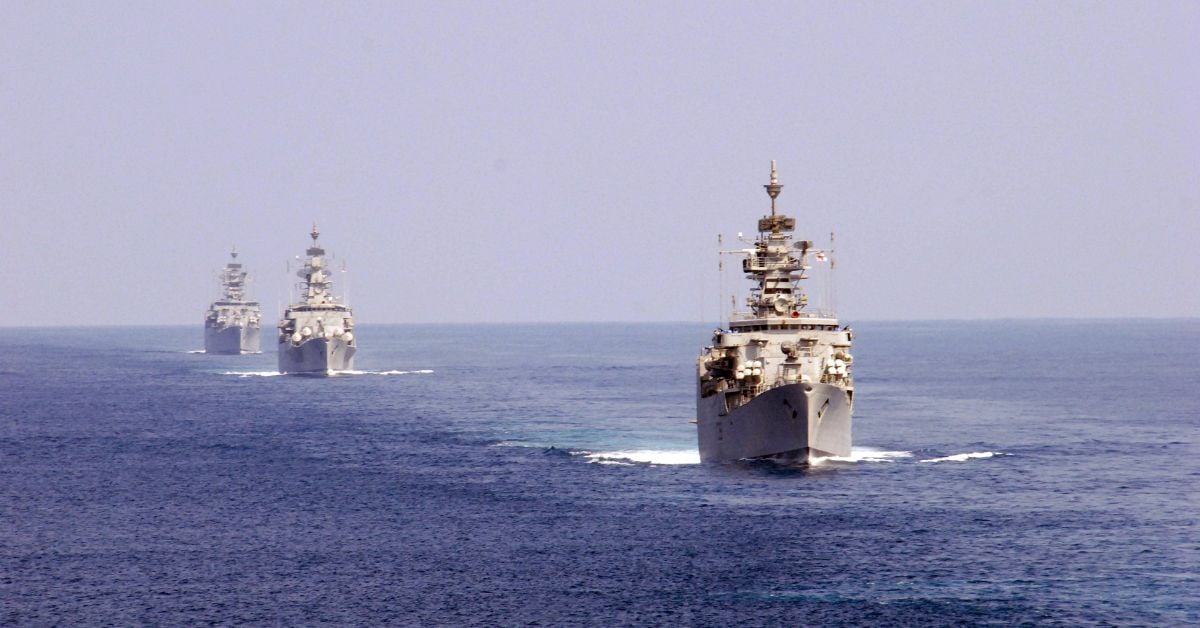
1.2 billion dollar contract launches 30 unmanned vessels for naval ocean intelligence
A $1.2 billion contract will deploy 30 medium unmanned surface vessels for naval ocean intelligence, a calibrated investment in autonomous maritime capability. The U.S. Navy awarded the procurement to three companies, signaling an integrated data ecosystem is taking physical form. This is not speculative; it is measurable, real-time deployment. For deeper context on how unmanned systems operate alongside crewed forces, see our coverage of the autonomous surface vessel that joined a carrier strike group in a historic first.
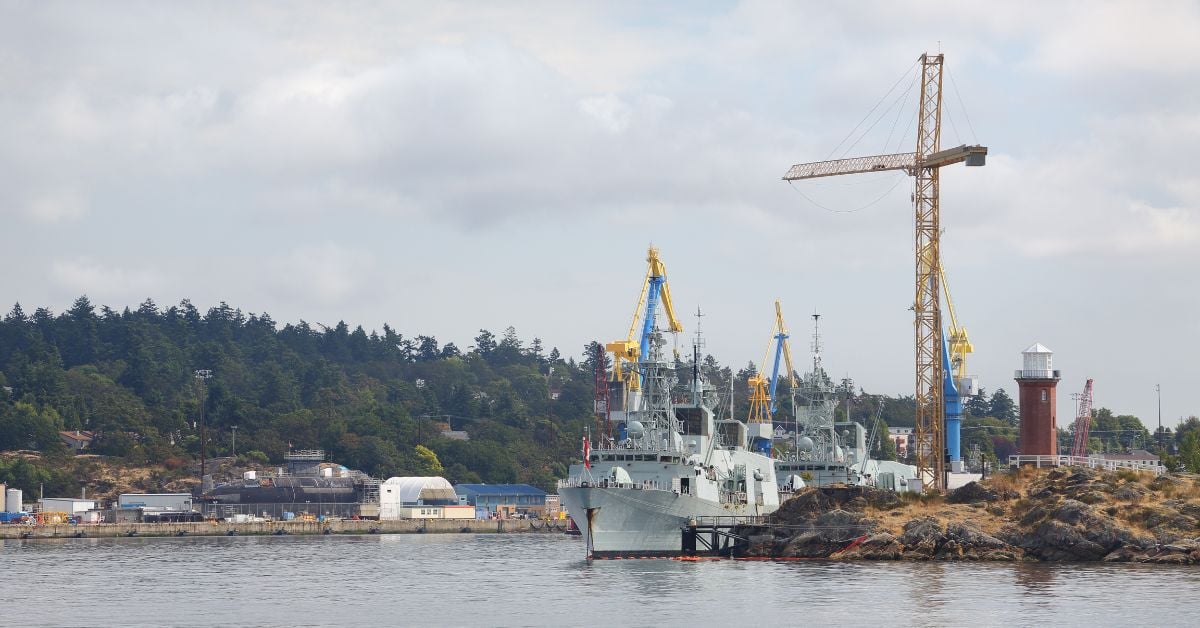
A mothership for underwater drones signals a new era in ocean intelligence
A 5,000-ton mothership designed to deploy underwater drones is taking shape in Beijing, signaling a new era in ocean intelligence. This vessel represents a calibrated leap in our capacity for real-time, integrated data collection from the sea. Understanding drives protection, and this platform promises to deliver the empirical, validated observations we urgently need. For deeper context on autonomous observation, see our coverage of the "4500-Meter Autonomous Robot Extends South China Sea Observation Reach."
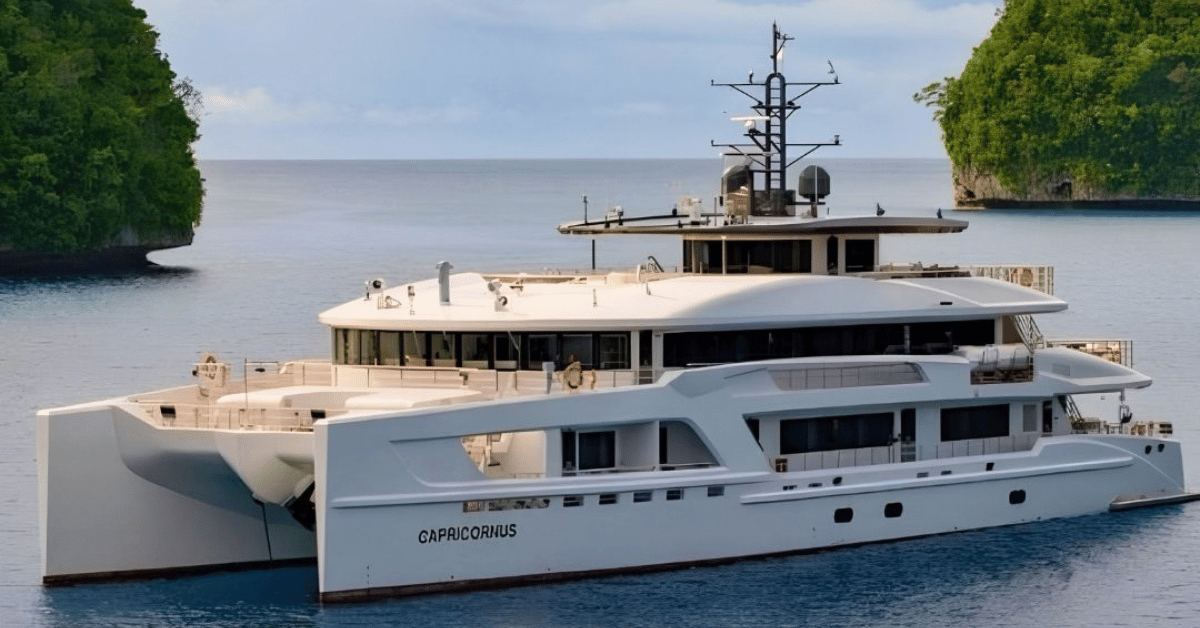
6,000-nautical-mile delivery signals a new chapter for ocean-going vessel
A 6,000-nautical-mile delivery is not merely a transit; it is a statement of capability. Azurine's completion of this voyage with a 909 GT catamaran from Thailand to Turkey, now entering a major transformation, validates the growing reach of efficient ocean transport. This measured achievement aligns with the urgent need for safer global shipping, readers may find our coverage of the *New Coalition Charts Measurable Course for Safer Global Shipping* a timely companion to this story.
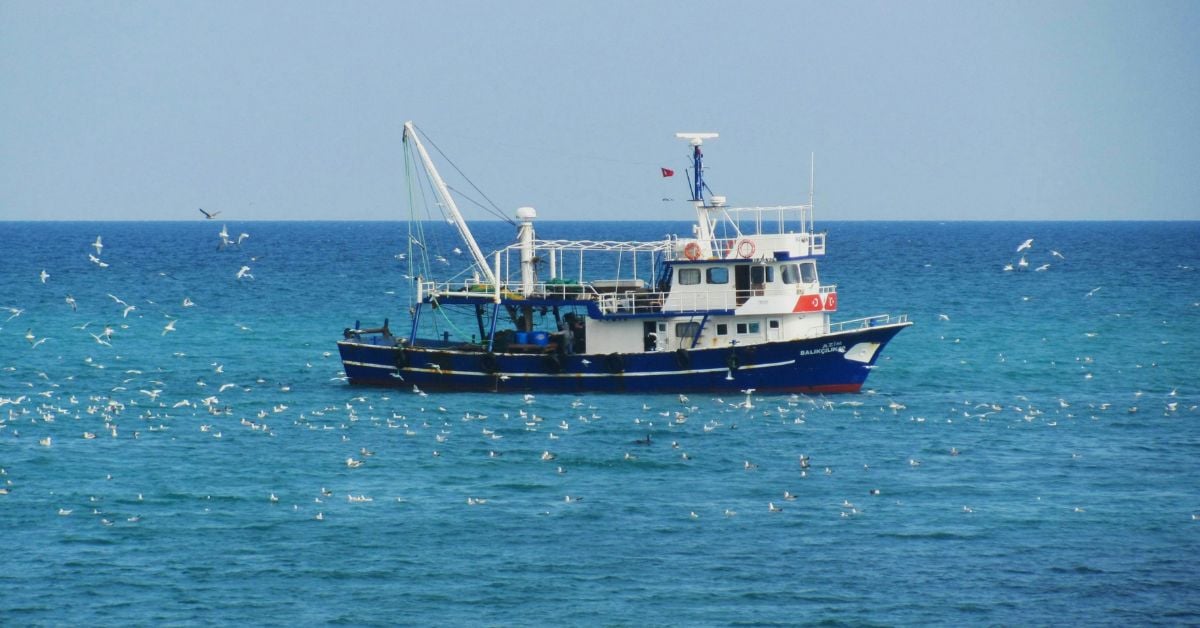
Submerged Fishing Vessel Located, Human Remains Identified
More than five years after the *Emory Jay* went down off Rhode Island on New Year's Day 2019, the vessel has been located, along with human remains identified as one of the fishermen. Closure, even partial, is a form of progress, but it underscores how slowly the sea surrenders its answers. This find is a reminder that ocean intelligence is built on persistence.
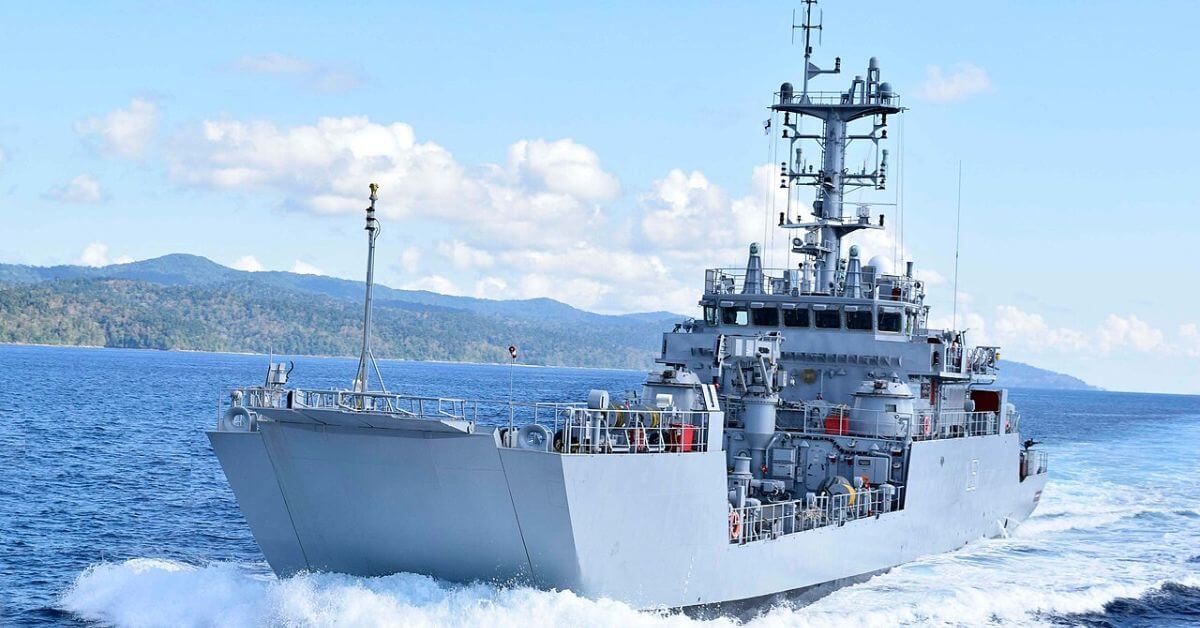
Indian Navy Explores Domestic Innovation for Amphibious Fleet Expansion
The Indian Navy's Request for Information for six new Landing Craft Utility Mk V vessels signals a deliberate shift toward domestic shipbuilding, a move that strengthens both operational reach and industrial self-reliance. This is not merely procurement; it is an investment in sovereign capability. As the service projects a larger fleet toward 2040, as detailed in our related article on India's naval expansion, such steps ensure readiness remains anchored in homegrown innovation. We see this as a practical, forward-looking decision.
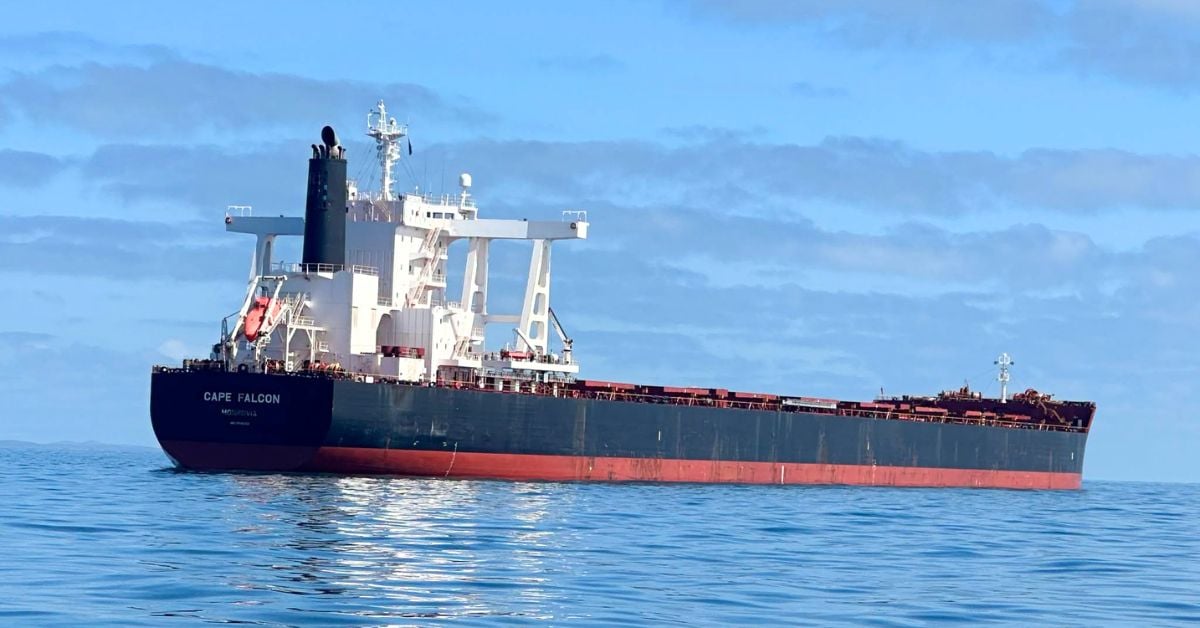
Refloating Efforts Unsuccessful; Bulk Carrier Remains Grounded Near Gladstone
The Cape Falcon remains firmly aground near Gladstone, with two refloat attempts failing to move the Liberian-flagged bulk carrier. The setback underscores how unforgiving coastal conditions can be, even for modern vessels. Patience and precision will be required before the ship returns to open water. For broader context on how such incidents unfold, our related coverage of prolonged groundings, including "Bulk Carrier Freed After Prolonged Grounding Near Gladstone, Australia," offers useful perspective.
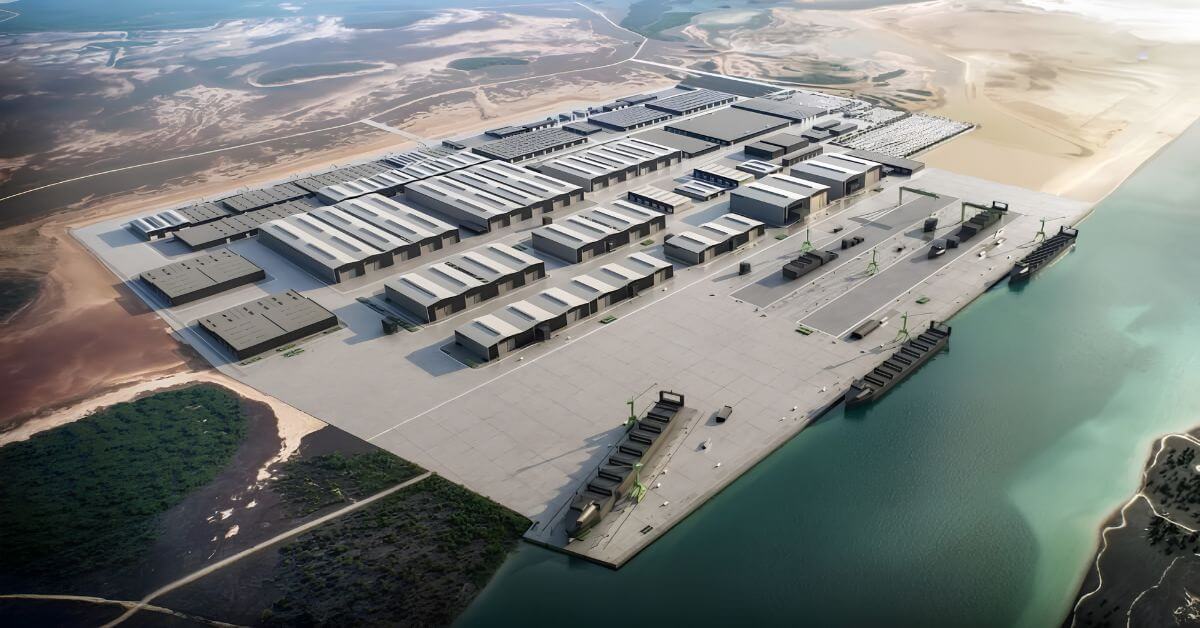
Port Alpha Shipyard to Build Navy Landing Craft, Boosting Ocean Data Access
Port Alpha Shipyard in Texas will build the Navy's next landing craft under a firm fixed-price agreement, an OTA award that anchors production on the U.S. Gulf Coast. This vessel marks the yard's first such contract, a practical step for naval mobility. Shipbuilding decisions like this carry weight beyond hulls; they shape ocean intelligence. For broader context on maritime capability, see our coverage of China's New Nuclear Carrier Signals Extended Naval Operations Capability. Measured investment in construction is how data-driven stewardship gains ground.
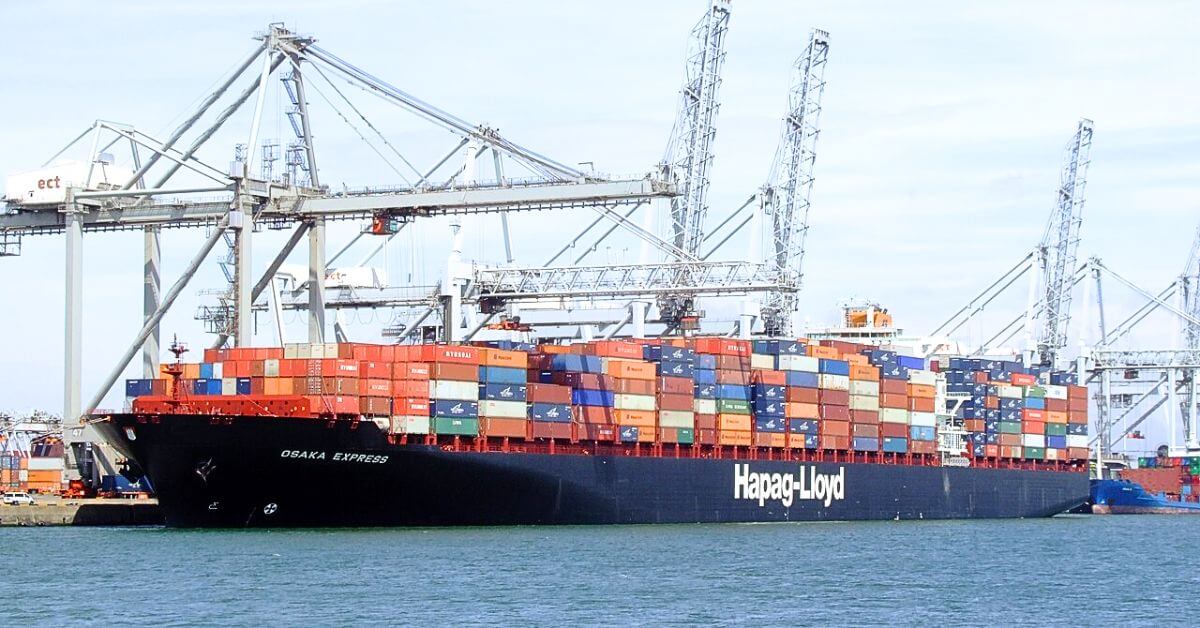
Shipping Services Return to Suez Canal Amid Ongoing Risk Assessments
Maersk's decision to reroute four services, AE5, AE11, AE12, and ME2, back through the Suez Canal marks a calculated return, not a careless one. The shift from the Cape of Good Hope reflects ongoing risk assessments that remain unresolved, a measured step rather than a full retreat to normalcy. It is a pragmatic move, grounded in operational data, and we respect that caution.
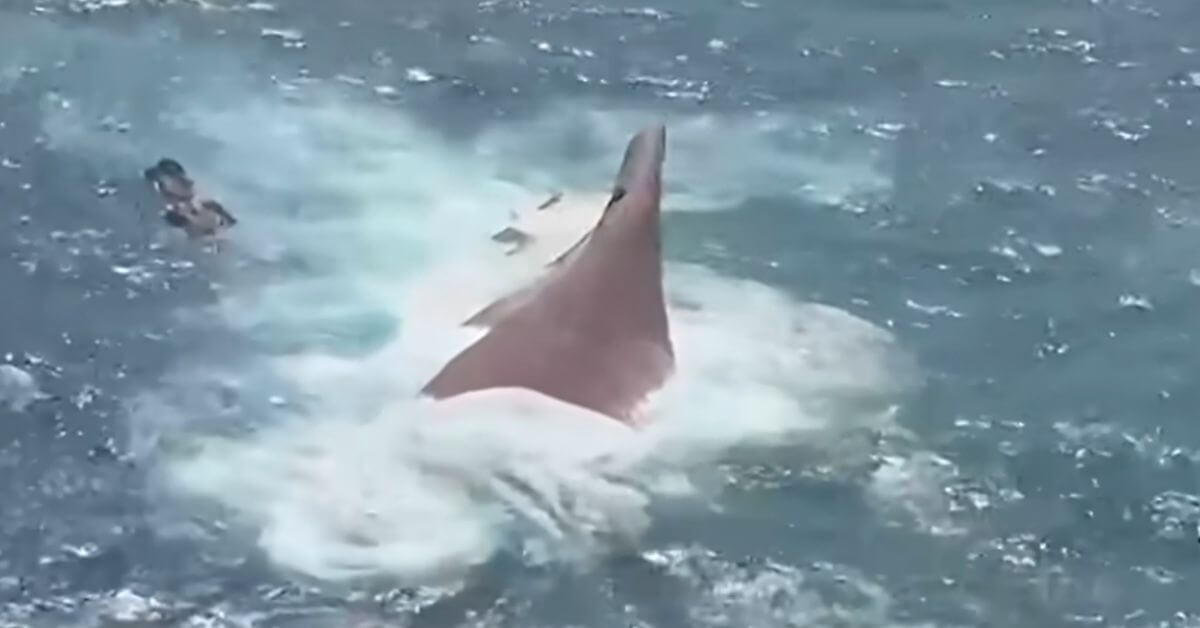
Long Wait, Perilous Seas: Search Continues for Missing After Ferry Incident
The search for the 129 people still missing after the ferry incident pressed on Tuesday, with rescuers battling rough seas and strong winds. This is a grim reminder that the ocean's mercy is not granted easily. The conditions are unforgiving, and every hour matters. Our thoughts are with the families enduring this agonizing wait. For more on maritime dangers, see our coverage of the bulk carrier freed near Gladstone. The sea spares no one, and the work of finding answers is far from over.
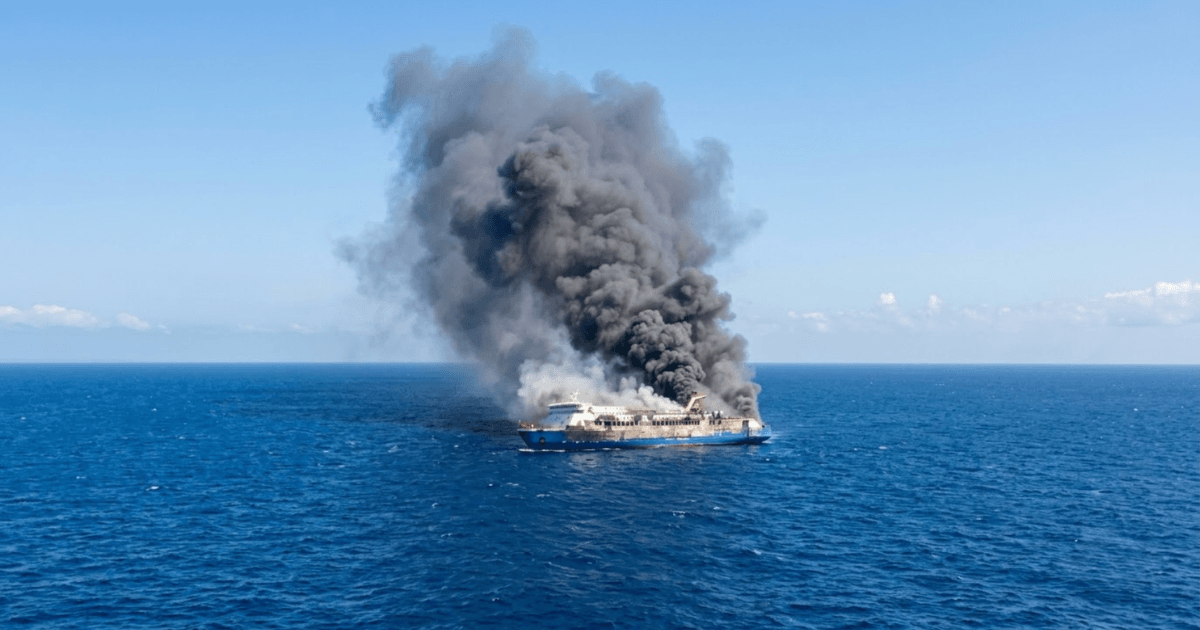
Search Intensifies as Ferry Sinking Leaves 140 Missing in Java Sea
A ferry lost contact in the Java Sea, leaving 140 people missing and one confirmed dead. Indonesian search teams have evacuated 103 of the 243 passengers aboard the *Virgo Transport 8*, but the operation intensifies as hours pass. Each maritime incident demands rigorous, empirical analysis to improve safety protocols. Understanding drives protection. For deeper context on recent shipping dangers, see our coverage of the cargo ship fire near Mykonos.

Blackout-Hit Car Carrier Experiences Temperature Increase in Panamanian Waters
A crewless, blacked-out car carrier is drifting in Panamanian waters with a rising internal temperature, a scenario that demands precise, coordinated intervention. When a vessel loses all electrical power, every minute without restoration introduces new variables. This is not a time for alarm, but for calibrated response. For related analysis on maritime risk, see our coverage of the cargo ship fire near Mykonos. Understanding drives protection, especially when no crew remains aboard.

Gulf of Aden Sees First Reported Piracy Incident Since August.
The Gulf of Aden has recorded its first piracy incident since August, a sobering reminder that maritime security remains fragile. This hijacking, the 25th worldwide since the start of 2026, underscores the persistent vulnerability of critical shipping lanes. Measurable threats like this demand calibrated, data-driven responses, not alarm. For broader context on regional maritime pressures, see our report on how Gulf of Oman STS transfers have maxed out amid rising Saudi oil exports. Understanding these interconnected risks is the first step toward effective ocean stewardship.

Shipping Caution Advised: Incident Near Strait of Hormuz Impacts Transit
The UKMTO's warning on September 10 is a measured but necessary response to an incident near the Strait of Hormuz. Vessels in that corridor now face heightened risk, and the call for cautious transit and reporting of suspicious activity reflects a reality we cannot ignore. This is not alarmism, it is empirical caution. For deeper context on the pressures shaping this waterway, our article "Phased Negotiations Aim to Ease Restrictions on Strait of Hormuz" examines the diplomatic efforts underway. Understanding drives protection.

MSC Baltic III Salvage Operation Advances Following Grounding Near Newfoundland
On February 15, 2025, the *MSC Baltic III* lost power 12 nautical miles from Newfoundland's Bay of Islands, grounding a vessel that now demands a measured, data-driven salvage response. This is not a moment for alarmism. It is an opportunity to apply integrated ocean intelligence, where real-time conditions and validated protocols guide every decision. Understanding drives protection. For deeper context on maritime risks, see our coverage of the "Centennial TNT Leak Highlights Risks from Historic Submarine Wrecks."
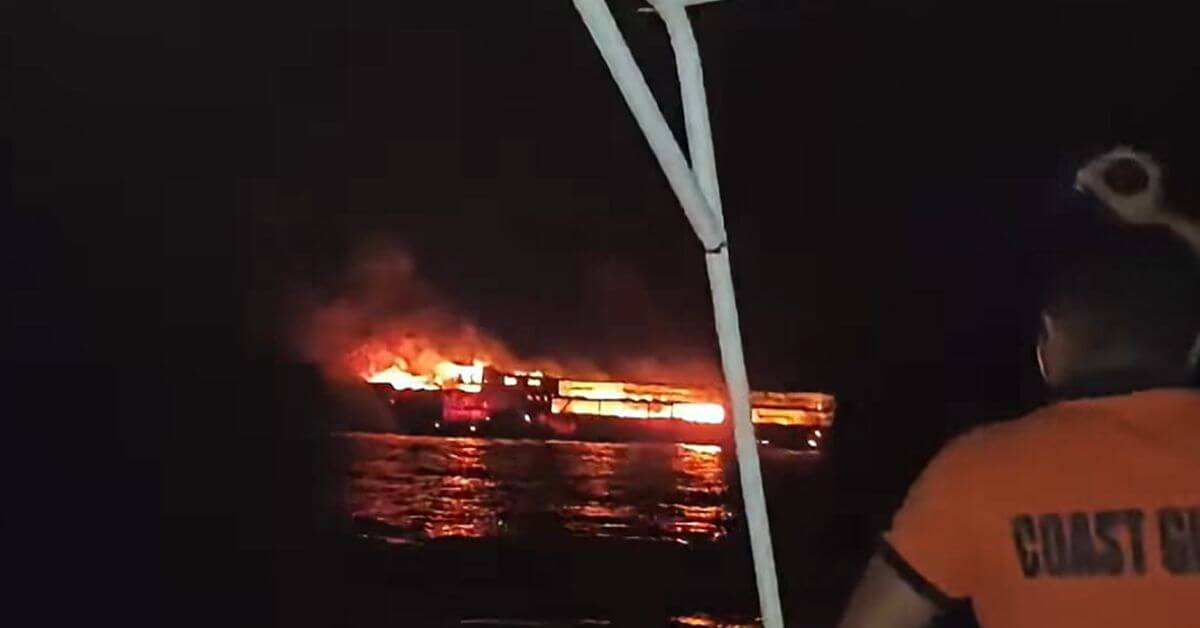
Philippines Ferry Fire: Search Underway for Dozens Missing at Sea
A fire erupted aboard the MV June Aster at 6:45 p.m. on September 9, while the ferry sailed from Manila to Coron in Palawan province. A search is now underway for dozens still missing at sea. These incidents demand rigorous, data-driven investigation. For deeper context on maritime emergencies, see our coverage of the recent cargo ship fire near Mykonos. Understanding these patterns is essential to improving safety protocols across global shipping lanes.
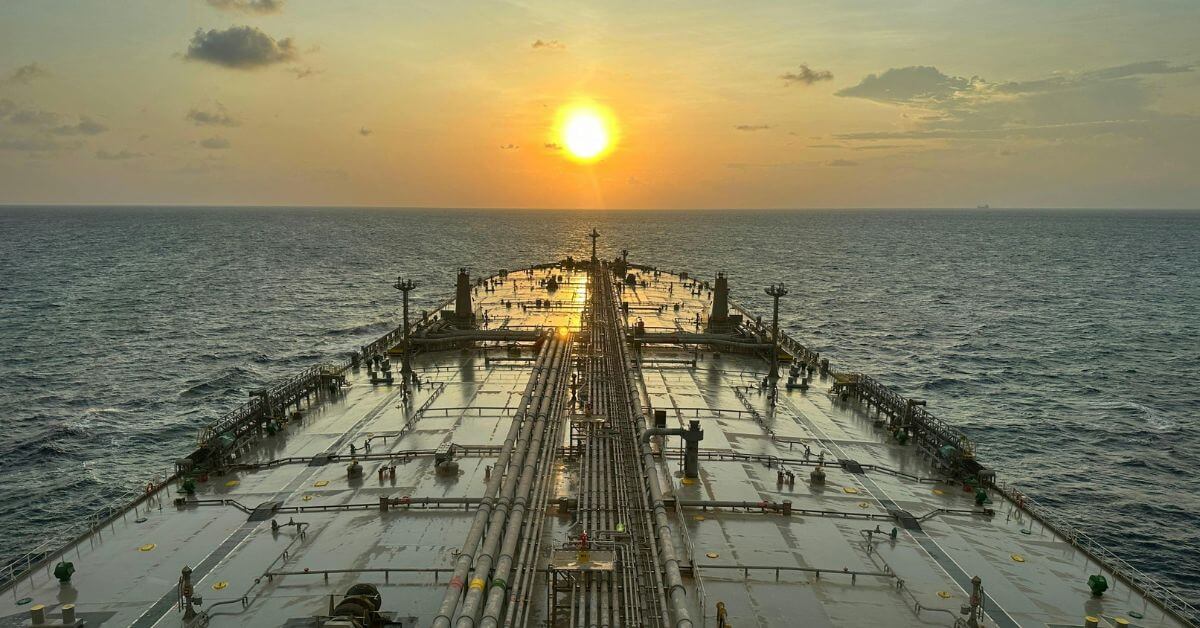
Incident Aboard Tanker Near Dubai Results in Fatality, One Missing.
A single death and a missing crew member now mark an incident aboard a tanker at anchor near Dubai. Peninsula confirmed the fatality but has not disclosed its cause. Maritime safety demands transparency, and the silence here is notable. For broader context on recent vessel emergencies, readers may turn to our coverage of the cargo ship fire near Mykonos. Each incident underscores the persistent risks at sea and the need for rigorous, empirical investigation.
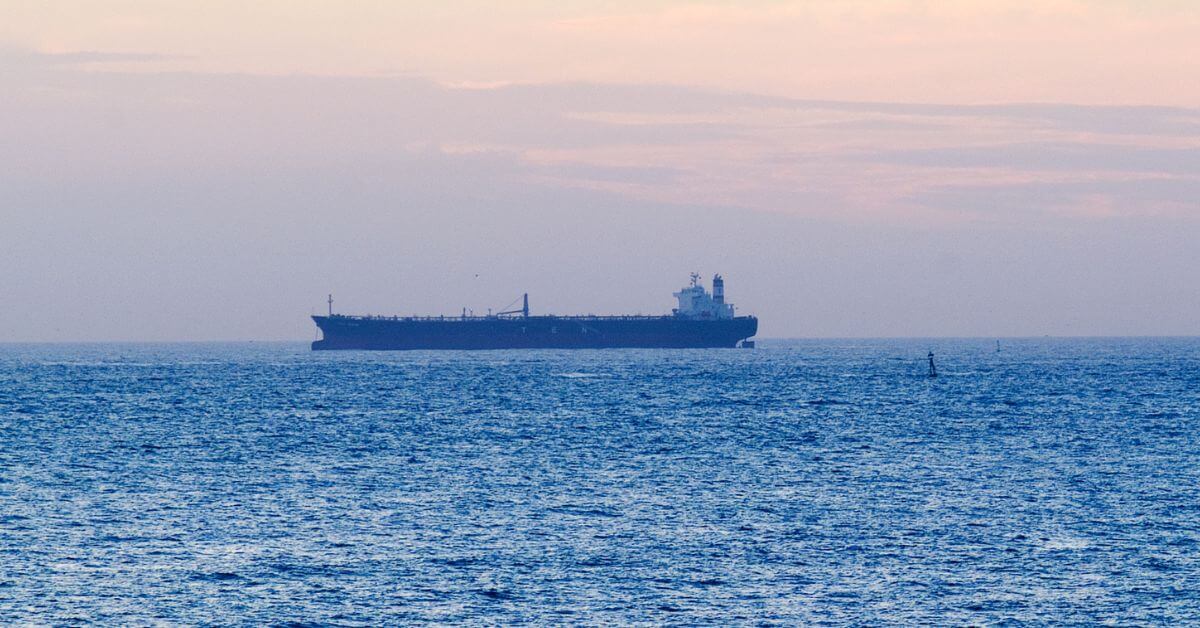
Strait of Hormuz Attack: Incident Highlights Regional Maritime Risks
Two Filipino crew members were killed in the attack on a Bahri vessel near the Strait of Hormuz. This is not an isolated incident; it is a measurable data point in a region where maritime risks are escalating. The human cost is validated by empirical reports from Saudi Arabia's shipping company. Understanding these threats drives protection of global trade routes. For deeper context, our article "Gulf of Oman STS Transfers Max Out Amid Rising Saudi Oil Exports" examines related capacity pressures.
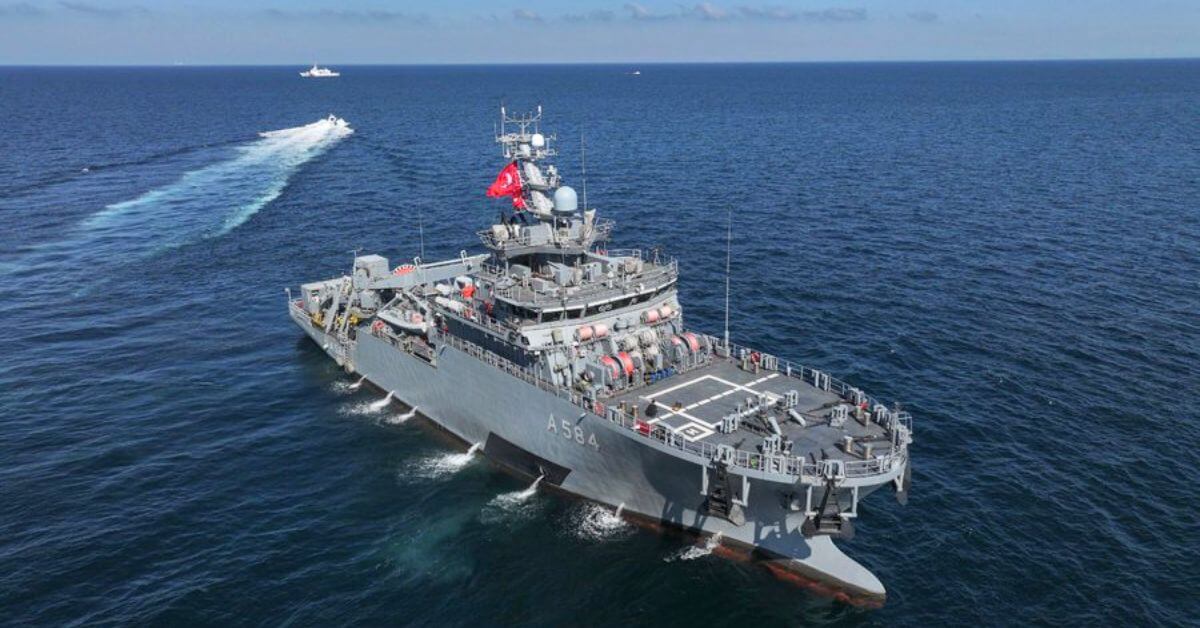
Search Continues for Crew After Collision and Sinking Near Istanbul
A collision in the dark hours near Istanbul has sent a search into motion. The Tugberk Imamoglu struck the Turkish-flagged Alsu at roughly 3 a.m. local time on Wednesday, Sept. 2, and crew members remain unaccounted for. The incident underscores how quickly maritime operations can shift from routine passage to response. For those tracking the human element of ocean intelligence, this is a sobering reminder that data and vigilance must always serve safety first. We continue to follow the search as it unfolds.
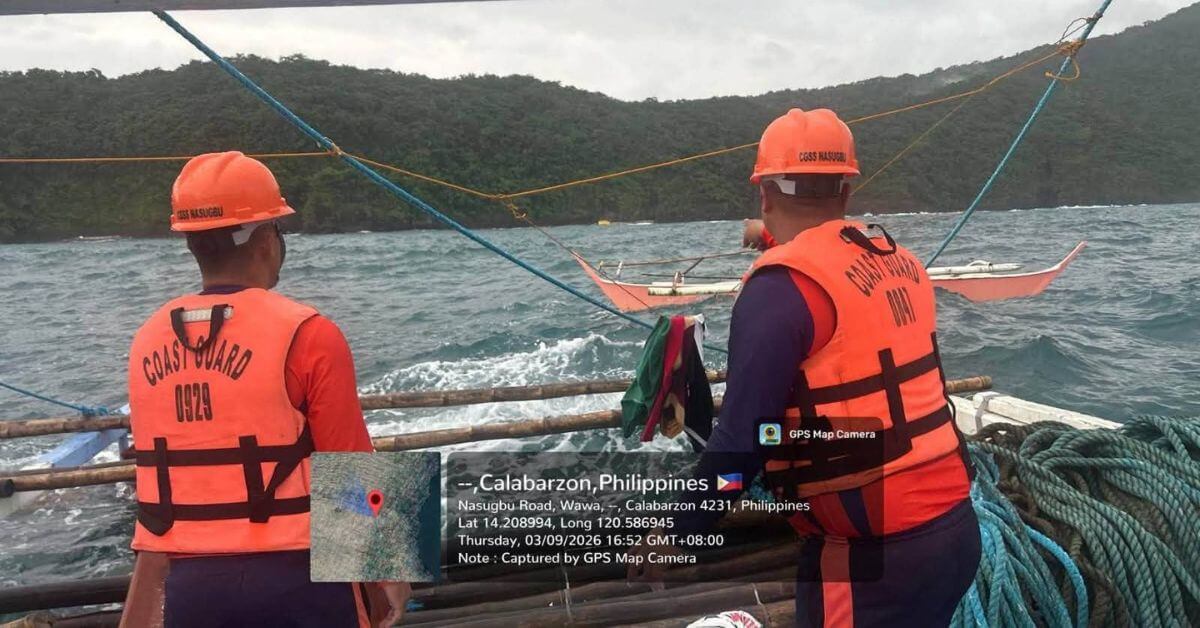
Container Spill Near Philippines: Coast Guard Responds, Monitors Ocean Impact
The Coast Guard has launched recovery operations after containers fell into the sea near Hamilo Point in Nasugbu, Batangas, with response teams now monitoring the ocean impact. Swift action matters here, though the scale of the challenge is considerable. Containers at sea are not just navigational hazards; they carry consequences for marine ecosystems that can outlast the immediate response. For deeper context on maritime incidents, our piece on the cargo ship fire near Mykonos offers a parallel look at how authorities handle unfolding emergencies.
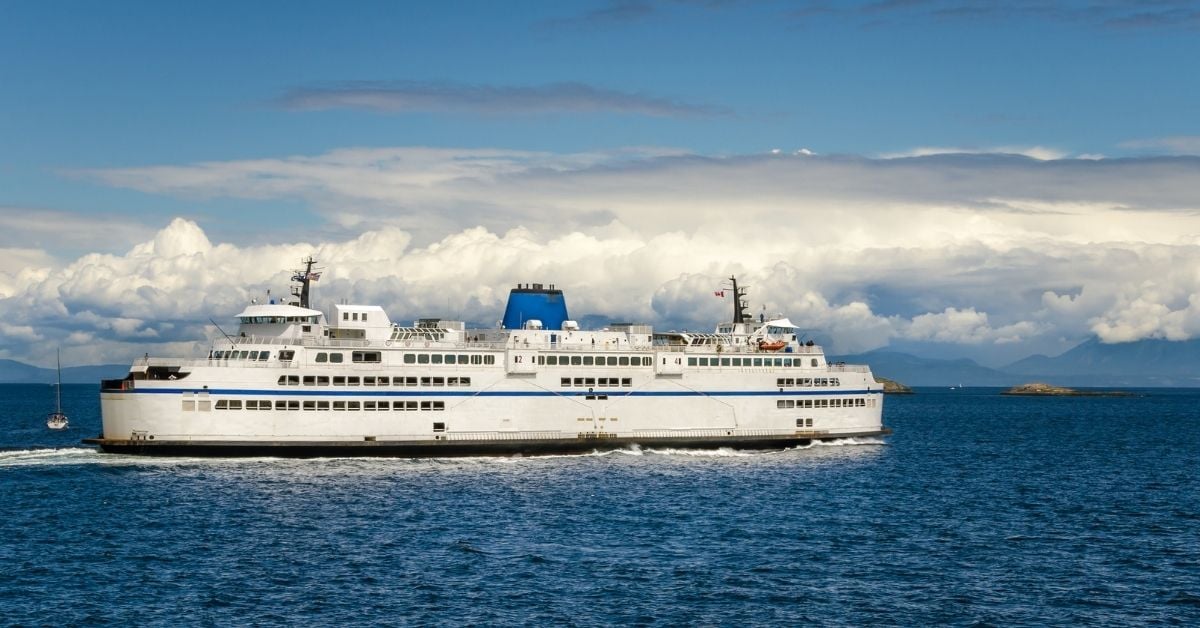
Loss of Life and Missing Persons Following Ferry Sinking in Eastern Mediterranean
A passenger ferry en route from Girne to Tasucu sank after taking on water in the Eastern Mediterranean, leaving authorities to investigate the cause as they account for missing persons. The loss of life demands rigorous, transparent inquiry. Maritime safety depends on validated, real-time reporting and shared lessons across jurisdictions. This incident echoes recent coverage, including the cargo ship fire near Mykonos, underscoring that vessel resilience remains a pressing concern. Understanding drives protection; we will follow the investigation closely.

Lifeboat Recovered, Search Continues for Missing Crew in Bay of Bengal
The Indian Coast Guard ship *Varad* recovered the lifeboat from the Bay of Bengal at approximately 7 a.m. Tuesday, yet the search for the missing crew continues. A boarding team inspected the craft and found no survivors. The absence of personnel raises sobering questions about the sequence of events. This measured outcome underscores the urgency of coordinated search efforts. For broader maritime context, our related coverage, including "Integrated Subsea Infrastructure Shifts to Enhance Indian Ocean Connectivity," highlights the region's growing strategic importance.

Red Sea Incident: Unmanned Cargo Vessel Sustains Total Loss.
The loss of an unmanned cargo vessel to unknown projectiles in the southern Red Sea marks a stark instance of maritime vulnerability. The UKMTO's declaration of a total loss is a measurable outcome, yet the incident underscores a broader fragility in a region already defined by complex logistics. We view this not with alarm, but as a calibrated data point. It validates why integrated, real-time ocean intelligence is essential for understanding risk.

Subsea Cable Faults Prompt Australian Investigation of Potential Damage
Two subsea communication cables off Perth have failed in quick succession, and Australia's Federal Police is now assessing a report of criminality. That is a serious step, and it signals that authorities are not treating this as routine infrastructure strain. Sabotage is not confirmed, but the pattern warrants scrutiny. Vessels transiting these corridors have become a known risk, as recent coverage of Russian drone activity in the Mediterranean reminds us.

Autonomous Resupply Demonstrates Ocean Intelligence for Naval Operations
Splash Industries has completed the world's first fully autonomous underway resupply of a U.S. Navy warship, using an Unmanned Surface Vehicle to transfer supplies without a single human touch on deck. It is a practical proof that autonomy can handle the most demanding naval logistics. This milestone pairs naturally with our coverage of India's expanded fleet plans, a reminder that resupply is the quiet backbone of any blue-water ambition.