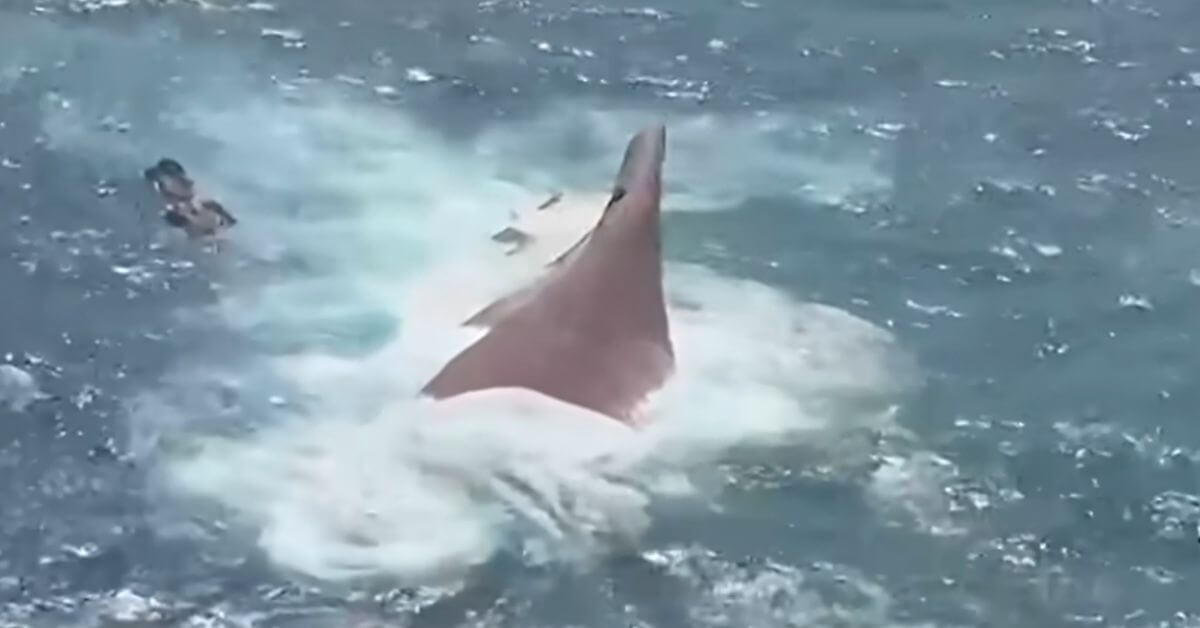
The search for 129 people still missing after a ferry incident continues, with rescuers battling rough seas and strong winds that have turned the operation into a race against time. The weather has not been forgiving, and every hour complicates the task further. This is not an abstract statistic; it is a live, unresolved emergency that demands a measured but urgent response. The conditions on the water are a stark reminder that maritime safety is not guaranteed by technology alone, and that the human cost of a single failure can be immense. We have seen similar challenges play out elsewhere, such as the Bulk Carrier Freed After Prolonged Grounding Near Gladstone, Australia, where a vessel sat aground for six days before being refloated, or the Fatal Attack on Cargo Ship Highlights Black Sea Shipping Risks, which underscores how quickly situations can turn deadly. These incidents, while different in cause, share a common thread: the sea does not negotiate, and preparation is the only defense.
What strikes us about this ferry incident is the gap between the speed of the vessel's overturn and the slow, painstaking rescue effort that follows. Survivors reportedly watched the ship capsize in minutes, then waited ten hours for help. That timeline is a brutal lesson in the limits of current search-and-rescue infrastructure. It is not enough to have protocols; they must be executed with precision under duress. The rough seas and strong winds are not excuses; they are variables that any maritime response system must anticipate and mitigate. For our readers, many of whom work in shipping, logistics, or coastal management, the takeaway is practical: review your own emergency procedures, verify that your communication chains are redundant, and pressure operators to invest in real-time tracking and weather prediction. The Submerged Fishing Vessel Located, Human Remains Identified case shows that even years later, the sea gives up its secrets slowly, and often only after dogged effort. But in the immediate aftermath of a sinking, minutes matter more than months.
Our honest take is that this incident should not be filed away as a tragic anomaly. It is a stress test of the systems we claim to rely on. The fact that 129 people remain unaccounted for means that search efforts are still in the response phase, but the window for finding survivors is closing. We would tell a reader who asks us about this: do not wait for the inquiry report to understand what went wrong. Ask the hard questions now. Were life rafts accessible? Did the crew have time to broadcast a distress signal? Was the vessel's stability compromised by loading practices? These are not rhetorical questions; they are the difference between a near miss and a catastrophe. The bulk carrier freed near Gladstone was a slow-motion emergency, but it allowed for a controlled resolution. A fast capsize offers no such luxury. The specific detail to watch is how long the search continues before it shifts to a recovery operation, and whether any changes to ferry safety mandates emerge from this tragedy. That shift, when it comes, will tell us more about the state of maritime governance than any press release.