IRGC
World Data Ocean keeps IRGC in one place: 29 stories so far. The section currently leads with “Strait of Hormuz tensions rise as Iran signals new maritime restrictions”, “Verified data confirms 20 million barrels transit Hormuz despite Iranian claims”, and “Delayed reports confirm five IRGC vessel incidents in the Strait of Hormuz”. The Strait of Hormuz is once again a flashpoint, with Iran signaling new maritime restrictions even as Gulf oil exports rise. Twenty million barrels of oil have transited the Strait of Hormuz this week, verified by US Central Command, directly countering Iranian claims that the waterway is closed to shipping. A Global Hub for Ocean Intelligence 4 World Data Ocean is a centralized digital platform where researchers, scientists, and ocean enthusiasts converge to… The list below is every IRGC story on World Data Ocean, newest first.
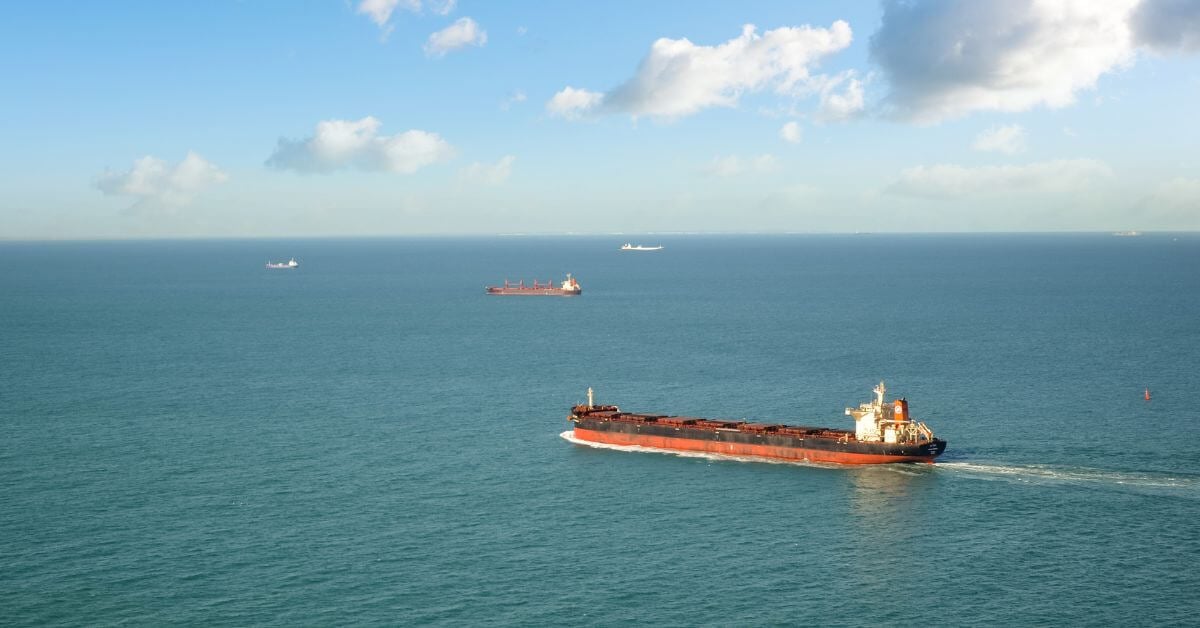
Strait of Hormuz tensions rise as Iran signals new maritime restrictions
The Strait of Hormuz is once again a flashpoint, with Iran signaling new maritime restrictions even as Gulf oil exports rise. Tanker attacks and logistical disruptions continue to plague shipments, a reality reflected in risk premiums exceeding $100,000 per month for captains. These are not abstract tensions; they are measured, empirical challenges to global energy flow. Our related coverage on those soaring risk premiums offers a deeper look at the human and economic cost. Understanding these dynamics is the first step toward protecting maritime stability.
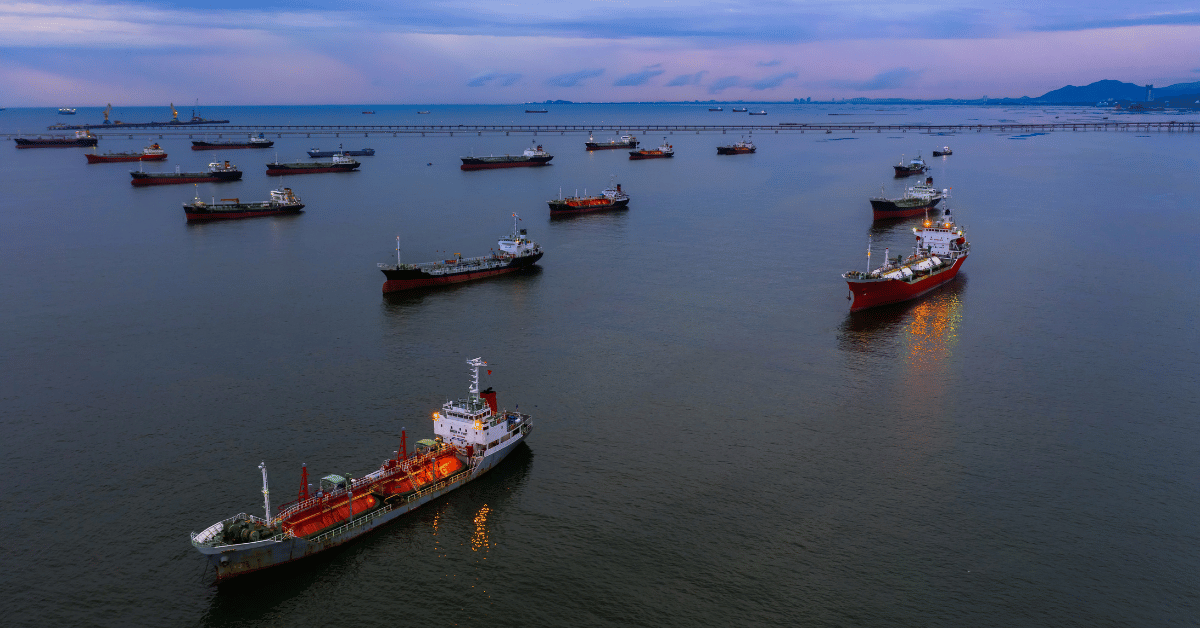
Verified data confirms 20 million barrels transit Hormuz despite Iranian claims
Twenty million barrels of oil have transited the Strait of Hormuz this week, verified by US Central Command, directly countering Iranian claims that the waterway is closed to shipping. This empirical data underscores a dangerous gap between rhetoric and reality in one of the world's most critical maritime chokepoints. The region's volatility demands measured, evidence-based responses. Our coverage of the *Strait of Hormuz tanker fire* offers deeper context on the human cost of these tensions.
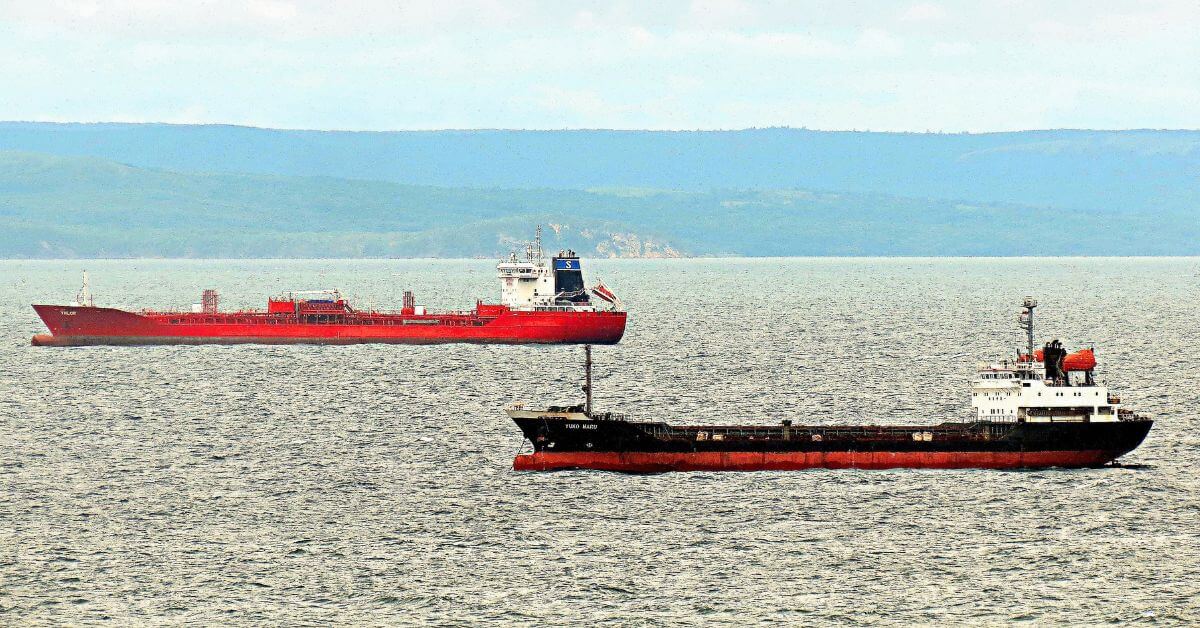
Delayed reports confirm five IRGC vessel incidents in the Strait of Hormuz
Five separate incidents involving IRGC vessels in the Strait of Hormuz were only confirmed after delayed reports reached the UKMTO on October 5, three of them dating back to October 3-4. This lag in reporting raises questions about transparency in one of the world's most critical maritime chokepoints. For broader context on regional maritime shifts, see our coverage of the calibrated movement of 2 million barrels of crude beyond the Strait. Understanding these patterns is essential.
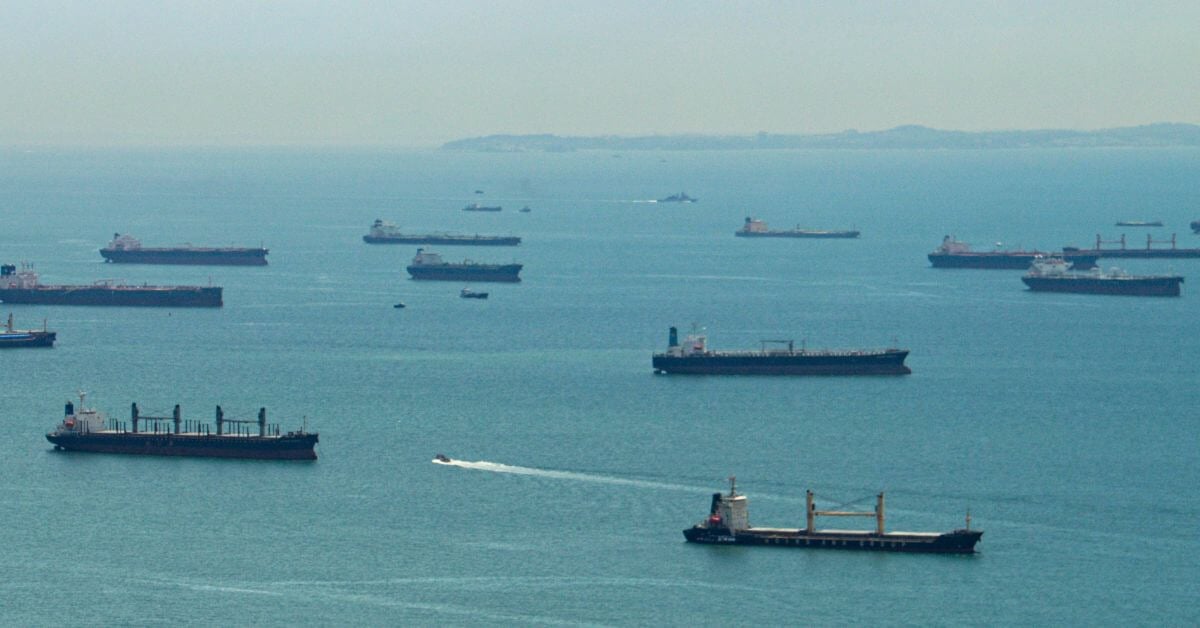
Bitcoin Payments and Shipping Tolls: U.S. Sanctions Iranian Entity.
U.S. sanctions have landed on an Iranian entity tied to Bitcoin payments and shipping tolls, part of a network that financier Babak Zanjani used to move hundreds of millions of dollars in Bitcoin to the IRGC. The designation underscores how digital assets have become a practical tool for state-aligned actors, not just a theoretical one. Measured enforcement matters here. For broader context on regional pressures, our piece on Gulf of Oman STS Transfers Max Out Amid Rising Saudi Oil Exports offers useful grounding.
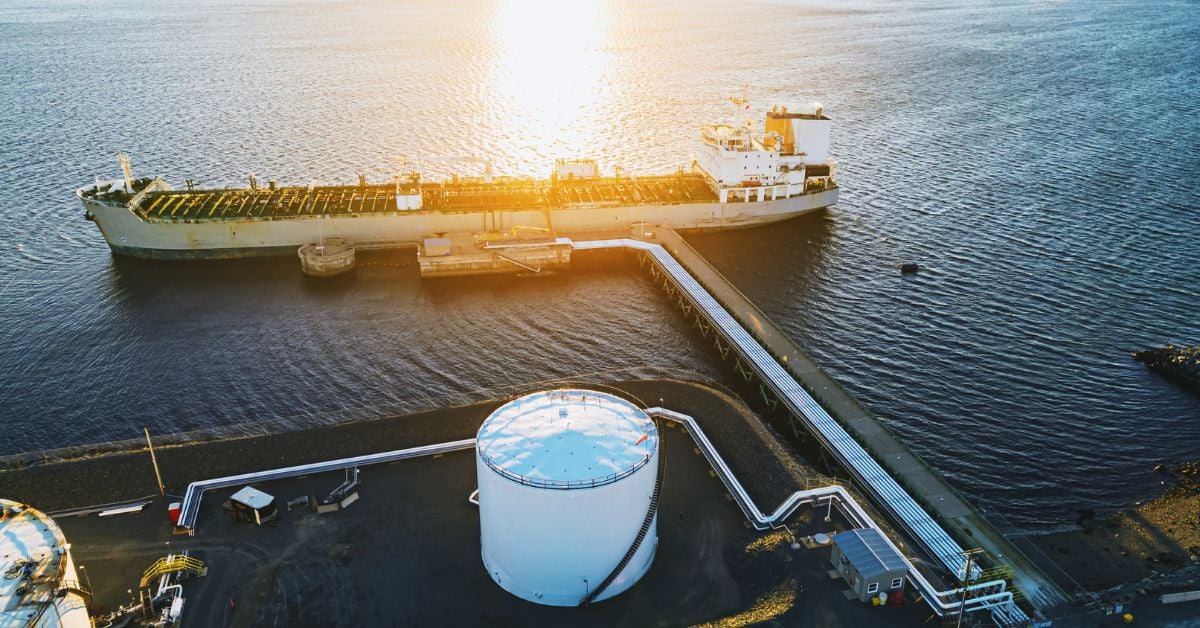
Escalating Tensions: Iran Issues Warnings to Tanker Crews in Persian Gulf
Iran's Islamic Revolutionary Guard Corps Navy has warned tanker crews near Kuwaiti and Bahraini ports to abandon their vessels. This escalation injects measurable risk into an already volatile Persian Gulf. Regional maritime stability is not a theoretical concern, it is a climate indicator of geopolitical friction. For deeper context on how such tensions intersect with energy routes, see our related coverage on "Phased Negotiations Aim to Ease Restrictions on Strait of Hormuz." Understanding these pressures is essential for calibrating both security and environmental responses.
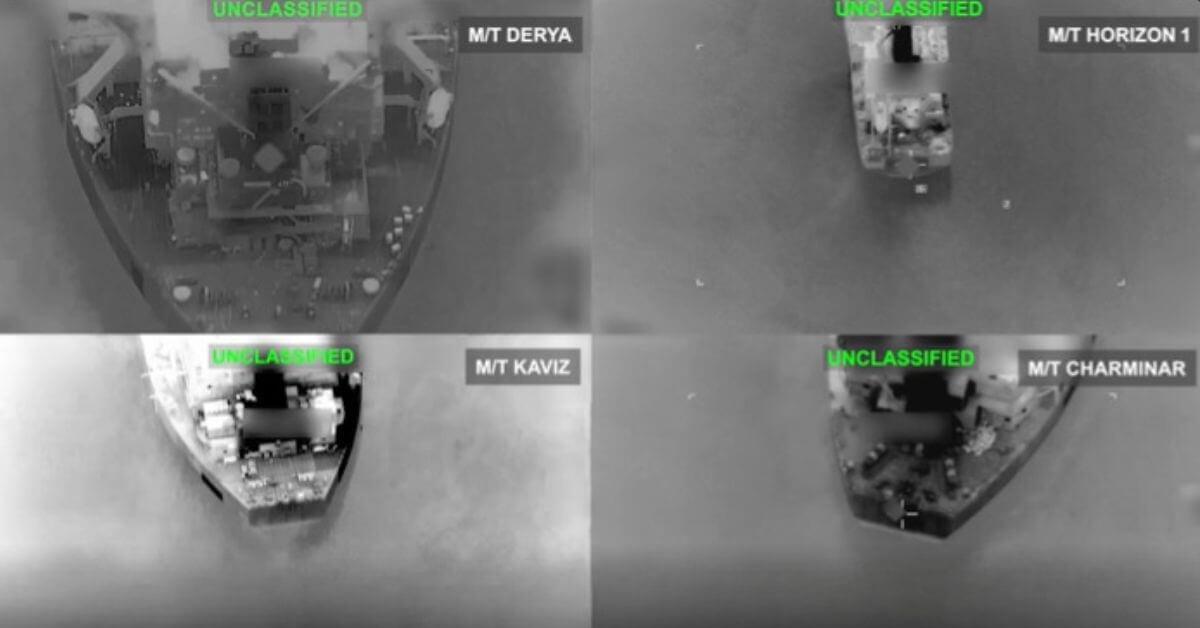
Escalation in Persian Gulf: U.S. Responds to Iranian Maritime Actions
Before the strikes, U.S. forces instructed crews to leave the tankers, a measured step that prioritizes human safety over escalation. CENTCOM confirmed the vessels were left inoperable, signaling a calibrated response to Iranian maritime actions. The Persian Gulf remains a flashpoint where empirical monitoring and integrated intelligence are essential. For deeper context on global naval strategy, our article on India's projected fleet expansion examines how nations are preparing for these contested waters. Understanding drives protection.
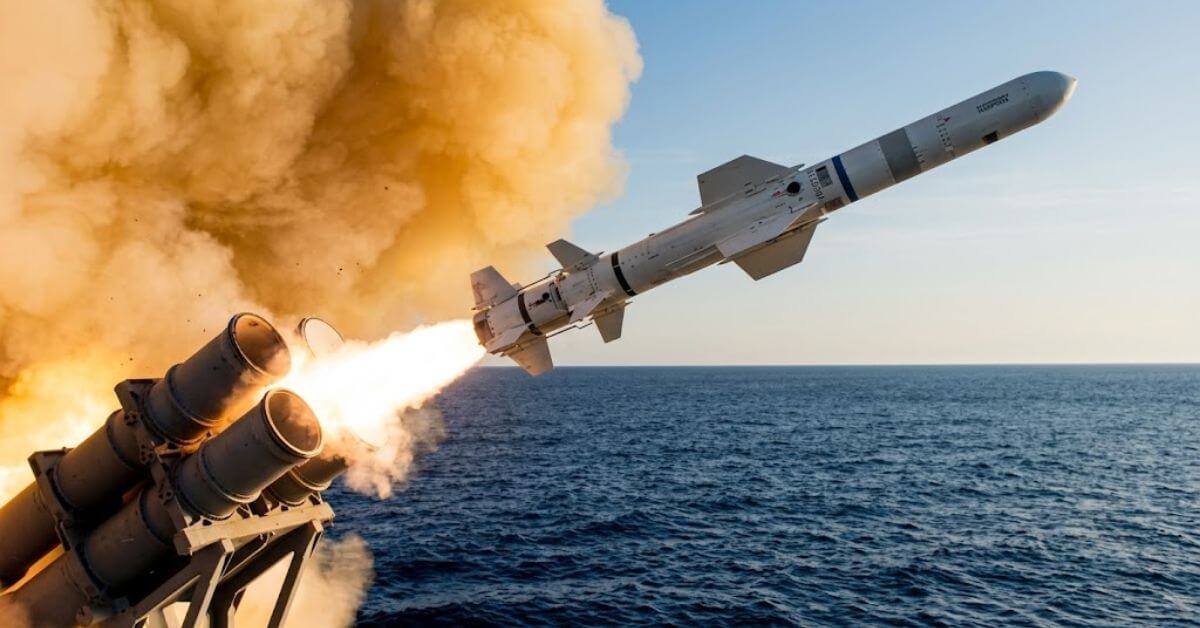
Escalation in Strait of Hormuz: Iran Tests Missile Near U.S. Navy.
Iran's IRGC announced a missile test near a U.S. aircraft carrier and destroyer in the Strait of Hormuz, a calibrated escalation that demands measured analysis. This is not alarmism; it is a real-time indicator of strategic friction in a waterway that carries a fifth of global oil. Such actions validate the urgency of integrated maritime monitoring. For deeper context on regional oil flows, see our related article on Gulf of Oman STS transfers operating at maximum capacity. Understanding drives protection.
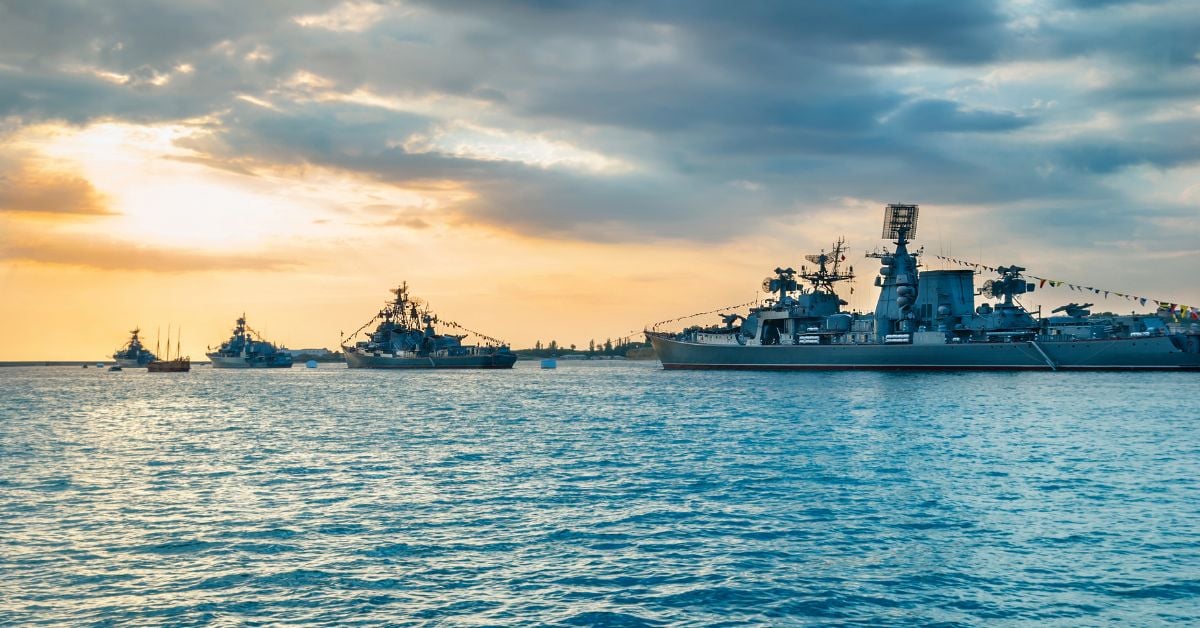
Securing the Strait: Navy SEALs Conduct Covert Mine Clearing Operation
For four months, U.S. Navy SEALs operated in the Strait of Hormuz, clearing naval mines placed by Iran. This covert operation secures a waterway where geopolitical tension meets global energy flow. Measurable, empirical action, not rhetoric, protects maritime stability. It is the kind of calibrated, real-world intervention that underscores why integrated ocean intelligence matters. For deeper context on regional pressures, see our coverage of how Gulf of Oman STS transfers have maxed out amid rising Saudi oil exports.

Iran Plans Exclusion Zone in Strategic Strait of Hormuz.
Iran's decision to establish an exclusion zone around the Strait of Hormuz signals a deliberate move to control one of the world's most vital maritime passages. Requiring permission to transit is not a technicality; it is a statement of leverage. The move carries measurable implications for global shipping and energy routes, and it demands calibrated attention from the international community.
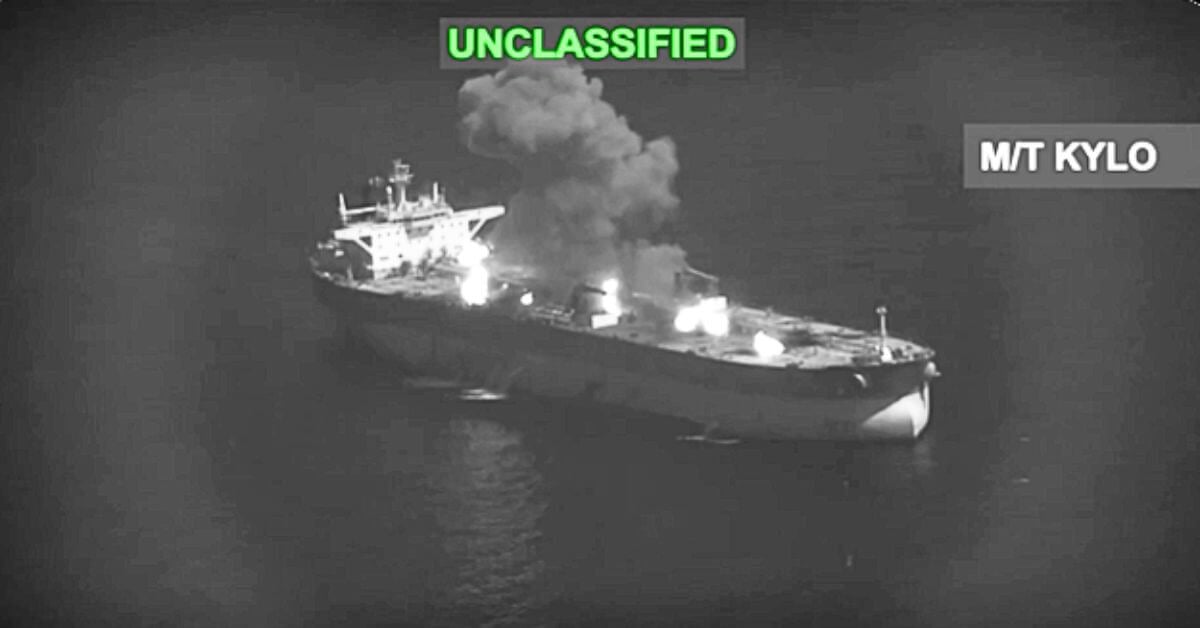
Escalation in the Persian Gulf: U.S. Responds to Iranian Attacks
A U.S. aircraft carrier and a guided-missile destroyer navigated through a series of Iranian attacks in the Persian Gulf without a single American casualty, according to CENTCOM. The outcome reflects precision under pressure, though the episode underscores how fragile maritime security remains in a region where energy flows and geopolitical stakes converge. This incident sits alongside broader tensions, such as those detailed in "Phased Negotiations Aim to Ease Restrictions on Strait of Hormuz," where diplomatic pathways remain tentative yet essential.
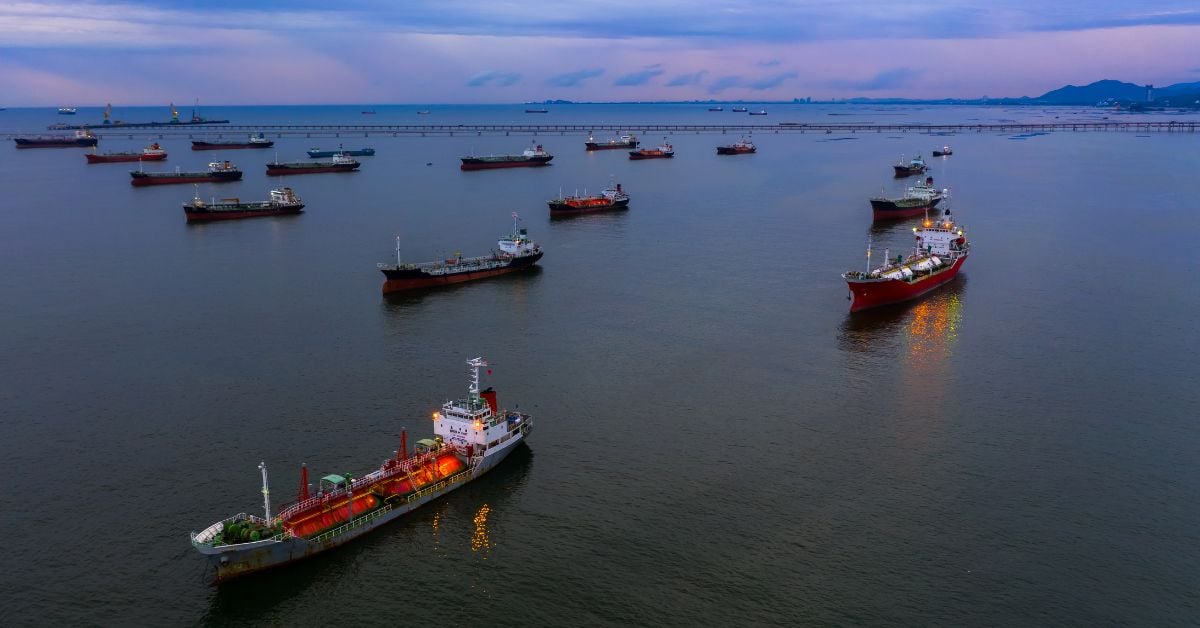
Naval Escort Ensures Oil Transit Through Strait of Hormuz.
On Tuesday, 40 tankers carrying roughly 18 million barrels of crude moved through the Strait of Hormuz under U.S. Navy escort, a measured show of force that underscores how vital this corridor remains to global energy stability. The transit proceeded without incident, but the escort is a reminder that maritime security is not automatic. For those tracking the region's shifting dynamics, our coverage of phased negotiations to ease restrictions on the Strait offers useful context. Reliable passage here is not just strategic; it is foundational.
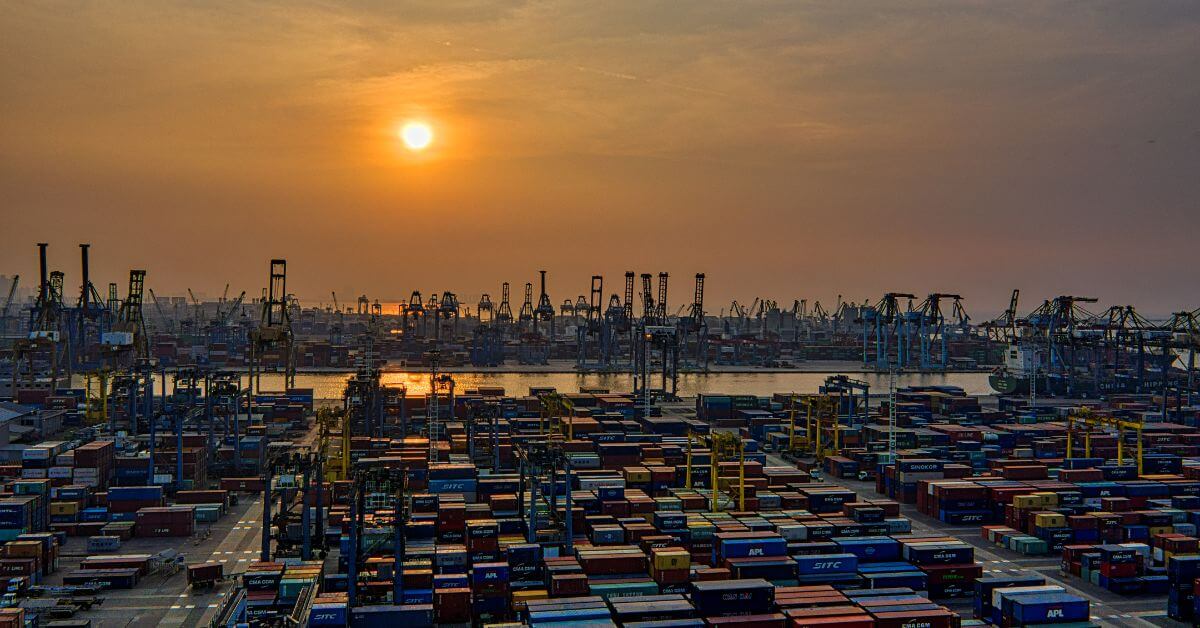
Heightened Threat: Iran’s IRGC Targets Key East Asian Shipping Routes.
Iran's Islamic Revolutionary Guard Corps has set its sights on some of Asia's busiest maritime arteries, including China's Ningbo-Zhoushan and Shanghai ports and Indonesia's Tanjung Priok. That is not posturing; it is a calibrated escalation with measurable consequences for global trade. The threat is specific, and it demands precise, empirical attention. Vessels and port operators should treat this as a real-time risk, not a hypothetical.
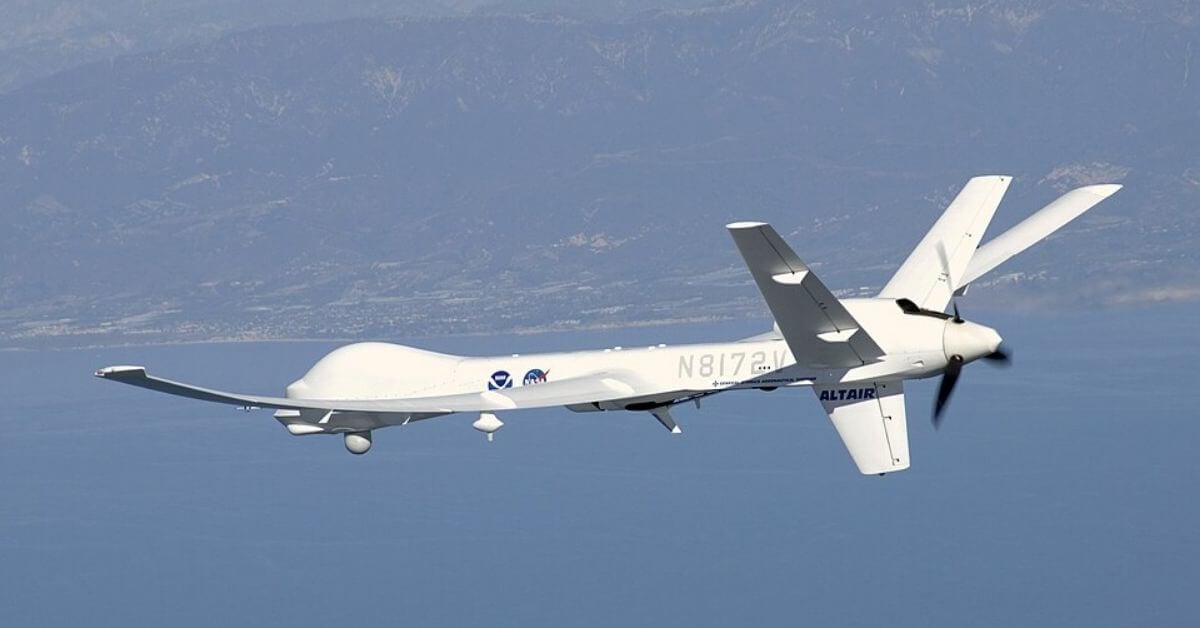
Escalation in Strait of Hormuz: Iran Intercepts US Drone.
Iran's interception of a US MQ-9 Reaper over the Strait of Hormuz sharpens a familiar tension: the world's most vital energy artery now doubles as a flashpoint for drone-versus-drone bravado. The Reaper, a medium-altitude workhorse from General Atomics, is built for persistence, yet here it met a check on that persistence. This is calibrated pressure, not chaos, and it demands measured reading. For broader maritime context, our related piece on Gulf of Oman STS transfers maxing out offers useful framing.
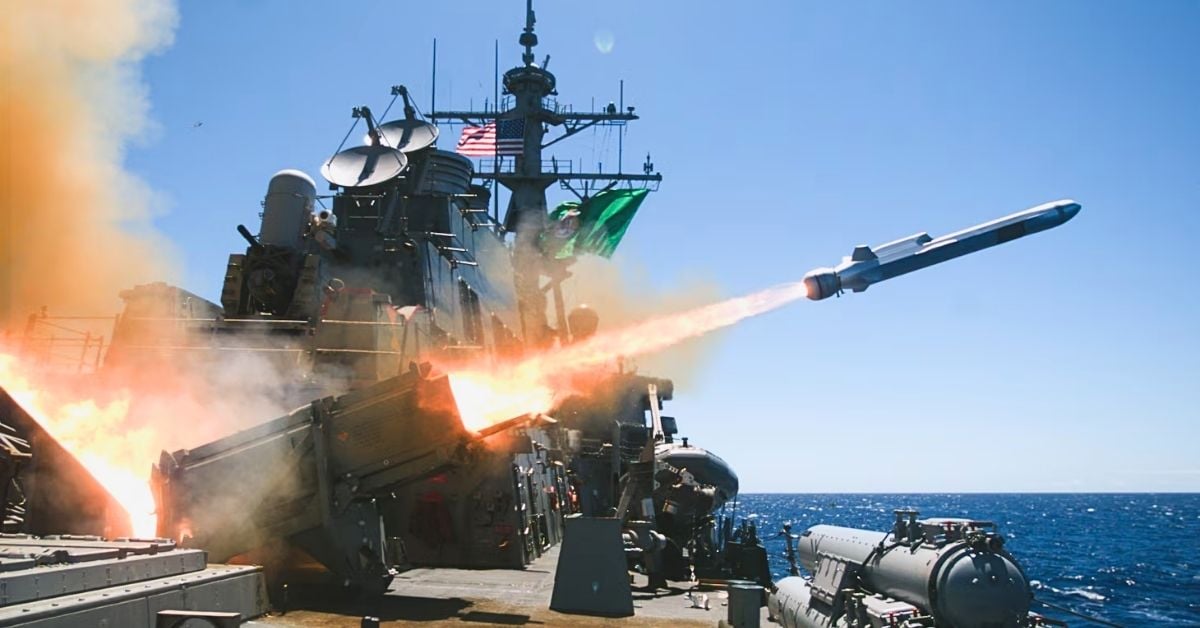
Escalation in Strait of Hormuz: U.S. Strikes Iranian Launchers
The strike on Iranian launchers marks a deliberate escalation, and General Hossein Mohebi's characterization of it as a "fatal mistake" cuts to the core of this high-stakes standoff. We view this not as a miscalculation but as a calculated flex in an economic war where the Strait of Hormuz remains the ultimate bargaining chip. The pressure is compounding, and as our piece on phased negotiations suggests, the window for de-escalation is narrowing. This is a volatile pivot point demanding calibrated responses, not rhetorical fireworks.

Strait of Hormuz Incident: Iranian Forces Engage Container Ship Euphoria.
On April 22, Iranian forces engaged the Euphoria, a Panama-flagged container ship, marking the third attack on vessels that day. The incident underscores how fragile transit through the Strait of Hormuz has become. This is not abstract geopolitics; it is a direct challenge to the maritime routes that global trade depends on. For deeper context on how shipping lanes are adapting, our piece on Gulf of Oman STS transfers offers a useful parallel. The pattern is clear: pressure on this waterway is no longer hypothetical.

Disruption in Hormuz: LNG Tanker Damaged Amidst Red Sea Shipping Activity
An engine room breach on a Qatari LNG carrier near the Strait of Hormuz is a measured reminder of how fragile this waterway has become. The vessel, loaded in late July, sustained damage without casualties, yet the incident sharpens the focus on a region already stretched thin. As Gulf of Oman STS transfers hit capacity, the pressure compounds. This is not alarmism; it is empirical stress on a critical artery.

U.S. Military Bolsters Blockade of Iranian Vessels Amid Rising Tensions
U.S. Central Command announced on X that its warships, reconnaissance aircraft, and service members are enforcing a naval blockade of Iranian vessels. The move tightens pressure in an already volatile maritime corridor. It is a deliberate, measurable escalation, one that signals resolve without theatrical alarm. For readers tracking how Gulf tensions intersect with energy flows, our related piece on Gulf of Oman STS transfers offers useful context. The blockade is not theater; it is a calibrated projection of force.

Strait of Hormuz: Maritime Security and International Law Asserted.
The U.S. military has rejected claims that the Strait of Hormuz falls under unilateral control, asserting instead that it remains an international waterway bound by maritime law. That position is correct, and it matters globally. The strait is not a bargaining chip; it is a corridor where legal norms must hold. For readers tracking the stakes, our related piece on phased negotiations offers useful context. The rule of law, not escalation, should define this passage.

Shipping Route Stability: Iran Maintains Control of Strait of Hormuz.
The pause in fighting has steadied immediate concerns over further military escalation, yet the Strait of Hormuz remains a corridor where stability is measured in transit, not promises. Iran's maintained control here is a decisive factor for global oil flows, and we read this as a calibrated signal rather than a closed chapter. The diplomatic path forward is fragile, but for now, the route holds. For broader context on regional pressure points, our piece on Gulf of Oman STS transfers offers useful perspective.

Mine Strike Damages Tanker in Strait of Hormuz; Shipping Risks Rise
A mine strike has damaged a tanker in the Strait of Hormuz after it left a shipping route designated by Iranian authorities, according to Tasnim. The incident underscores how quickly risk is escalating in a waterway that carries a third of global oil trade. This is not a distant threat; it is a live disruption with immediate consequences for maritime security.

Vessel Struck in Strait of Hormuz; Crew Rescued, No Environmental Impact.
A fire burned aboard a vessel in the Strait of Hormuz, yet the crew was rescued by a tugboat after safely abandoning ship. UKMTO confirmed no environmental impact, a detail that matters in a waterway this critical. The strait's fragility is well-documented, and this incident underscores the stakes. For deeper context on regional pressures, our piece on "Phased Negotiations Aim to Ease Restrictions on Strait of Hormuz" offers a broader view. Measured outcomes like this one are the ones that count.

Iran Reports Strikes Targeting U.S. Naval Assets in Kuwait and Indian Ocean
Iran's Islamic Revolutionary Guard Corps reports strikes targeting U.S. naval assets in Kuwait and the northern Indian Ocean, including shore-to-sea cruise missiles fired at a U.S. vessel. The claim signals a measurable escalation in regional maritime tension, one that demands calibrated attention from allied forces. While the full picture remains unverified, the strategic implication is clear: ocean intelligence is no longer just environmental. For broader context on maritime security shifts, see our coverage of Puntland Forces Intercept Hijacked, US-Sanctioned Oil Tanker After 48 Hours.

Strait of Hormuz Incident Highlights Navigation Risks and Geopolitical Tensions
The Islamic Revolutionary Guard Corps' warning is blunt: vessels heeding American influence and charting unsafe routes will face accidents. The Strait of Hormuz remains a flashpoint where navigation risk and geopolitical posturing converge. This is not hyperbole; it is a calibrated assertion of control over a critical maritime artery. For shippers, the calculus is stark. While diplomatic efforts like the phased negotiations may offer a path forward, the immediate reality demands vigilance. Understanding drives protection, and here, the data must guide every transit decision.

Strait Closure Strands Seafarers: Global Ocean Data Impacts Highlighted
The closure of the Strait of Hormuz has stranded seafarers mid-voyage, and the human cost of this disruption is coming into focus. DMW seafarers remain caught in the Gulf as Hans Leo Cacdac and others grapple with a situation that is as much about logistics as it is about people. This is not abstract geopolitics; it is a tangible reminder that global stability begins with those who move across it.