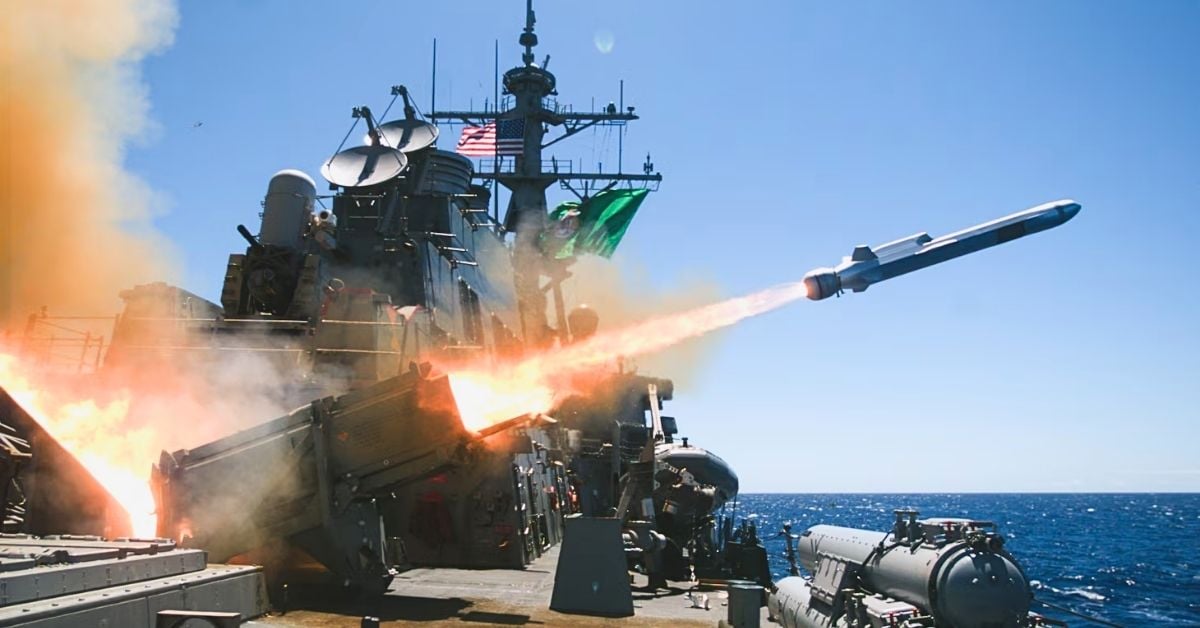
The Strait of Hormuz has moved from a shipping lane to a pressure point, and the latest exchange confirms that the economic war is now a kinetic one. U.S. strikes on Iranian rocket launchers, described by IRGC spokesman General Hossein Mohebi as a "fatal mistake" by the Trump administration, are a direct response to the mine threat that has been building beneath the surface of diplomatic efforts. This is not a new escalation so much as a breaking point in a cycle that has been tightening for months. The timing is telling: strikes occur just as phased negotiations aim to ease restrictions on the Strait of Hormuz, and as eighty nations urge reopening of the vital shipping lane. You cannot negotiate a reopening while simultaneously planting mines and launching rockets, and the IRGC's rhetoric suggests it sees pressure, not diplomacy, as the lever that works.
For anyone tracking maritime risk, the practical takeaway is that the Strait of Hormuz is now a volatile chokepoint where military posture and commercial traffic collide. The U.S. strikes are calibrated, aimed at launchers rather than broader infrastructure, but that does not reduce the danger; it merely narrows the immediate target set. The IRGC has framed this as an economic war, which is the correct frame. Every mine laid and every launcher destroyed is a signal in a negotiation conducted through disruption. The related reports from our publication reinforce this: Gulf of Oman STS transfers maxing out amid rising Saudi oil exports shows an industry adapting to reroute and transship, but there is a ceiling to how much flexibility exists when the alternative route is itself a bottleneck. The system is not broken yet, but it is straining, and each new incident reduces the margin for error.
What we would tell a reader asking about this is simple: do not mistake the absence of full-scale conflict for stability. The strikes are a warning, but they also invite a response, and the IRGC's "fatal mistake" language is a prelude to retaliation, not a retreat. The mine threat is the more insidious issue because it is asymmetric; you cannot negotiate with a drifting mine, and you cannot easily attribute one to a state actor after it detonates. This is why the international community's call for reopening matters, but it will not be solved by resolutions alone. The United States and Iran are in a phased negotiation, yet actions on the water undermine words at the table.
The concrete point to watch is the next 72 hours. Retaliation is likely, and the form it takes will define whether this remains a limited exchange or spirals into a broader disruption of the 20 million barrels per day that typically transit this strait. The market is already pricing in risk. For shipping operators, the takeaway is not whether to reroute, but how long the rerouting infrastructure can hold. For policymakers, the question is whether diplomatic channels can survive the noise of live fire. We would advise watching the strait's traffic density data and insurance war-risk premiums, because those numbers will tell you more than any official statement. The ocean does not negotiate, but it does keep score.