exclusive economic zone
World Data Ocean keeps exclusive economic zone in one place: 18 stories so far. The section currently leads with “Black Sea cargo vessel lost in attack leaves 11 seafarers missing”, “Three-drone strike sinks Maltese-flagged vessel near Bulgarian coast”, and “Malaysia restricts tanker traffic and bunkering in new Strait marine protected zone”. A cargo vessel lost in an attack on the Black Sea has left 11 seafarers missing. Three drone strikes sent the Maltese-flagged Chelsea 3 to the seabed off Bulgaria's coast, a measured, precise attack on a Ukrainian-owned vessel. A Global Hub for Ocean Intelligence 4 World Data Ocean is a centralized digital platform where researchers, scientists, and ocean enthusiasts converge to… The list below is every exclusive economic zone story on World Data Ocean, newest first.
Black Sea cargo vessel lost in attack leaves 11 seafarers missing
A cargo vessel lost in an attack on the Black Sea has left 11 seafarers missing. Five crew members were rescued from the sunken ship, identified by the Bulgarian President as the Guinea-Bissau-flagged *HS Dignity*. This incident follows a troubling pattern of escalating risk to commercial shipping in the region, as detailed in our coverage of the drone strike that sank the Maltese-flagged *Chelsea 3*. The human cost is a sobering, empirical indicator of maritime vulnerability.
Three-drone strike sinks Maltese-flagged vessel near Bulgarian coast
Three drone strikes sent the Maltese-flagged Chelsea 3 to the seabed off Bulgaria's coast, a measured, precise attack on a Ukrainian-owned vessel. This is not alarmism; it is an empirical signal of evolving maritime threats. Understanding drives protection, which is why our coverage traces these changes. For deeper context on how navies adapt, see *Baltic Allies Validate Uncrewed Target Engagement in Gulf of Bothnia Exercise*. The data tells a clear story: the rules at sea are being rewritten.
Malaysia restricts tanker traffic and bunkering in new Strait marine protected zone
Malaysia has taken a measured but decisive step in its newest marine protected zone, restricting tanker traffic and bunkering while imposing speed limits on all vessels. Large cargo ships and oil tankers are now forbidden from entering the Strait. This is a calibrated move to protect critical marine habitat without shutting down commerce entirely. For those tracking how citizen science can inform ocean policy, our piece on identifying an unidentified marine object from citizen observations in Tarifa offers a parallel example of community-driven data collection.
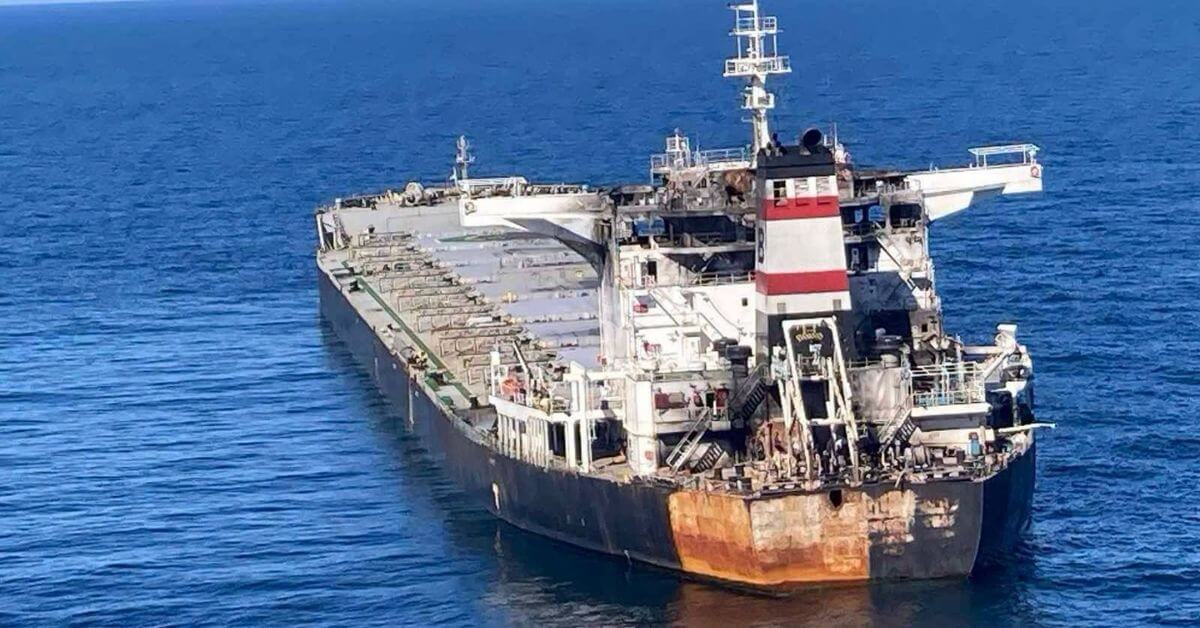
Drone-Struck Abandoned Cargo Ship Drifts Through Black Sea Toward Bulgaria
A single abandoned cargo ship, damaged by a Russian drone near Odesa in August, is now drifting through the Black Sea toward Bulgaria. The vessel's unguided path underscores how fragile maritime security remains in the region. Each drifting hull is a measurable reminder that stability here is not abstract; it is a climate and food security indicator. For deeper context on these risks, our related coverage on Black Sea stability offers a broader view.
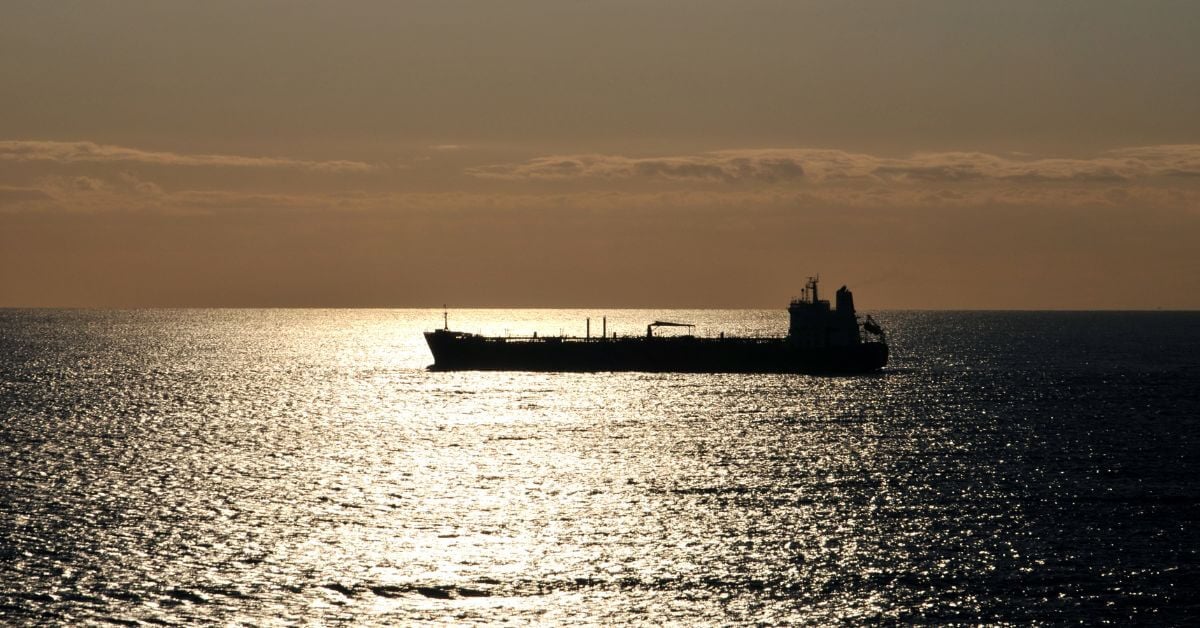
Projectile Strike on Tanker Off Qatar Coast Yields Reported Casualties
Multiple projectiles struck an oil tanker off Qatar's northern coast, with casualties now reported among the crew. This attack adds a dangerous new dimension to maritime insecurity in a region already strained by rising tensions. Understanding these threats requires calibrated, real-time observation of shipping lanes and geopolitical shifts. For deeper context on regional instability, read our coverage of rising Strait of Hormuz tensions and Iran's new maritime restrictions.
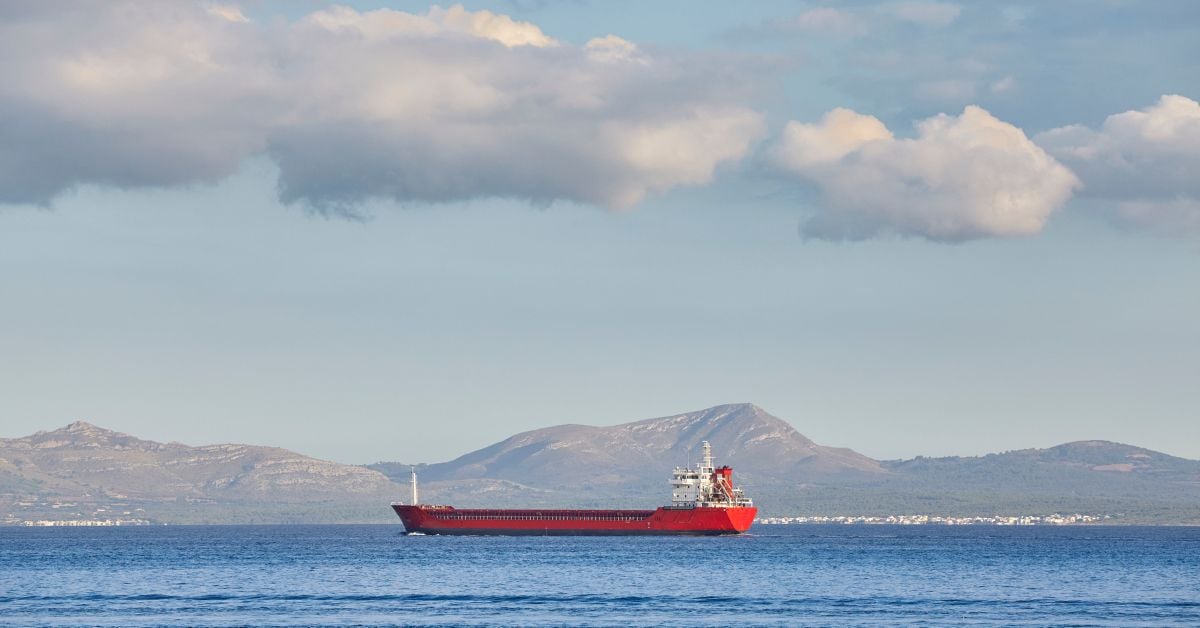
Bulgaria concludes search for missing crew after drone strike in its waters
Bulgaria has ended the search for missing crew members of a cargo vessel that sank 70 nautical miles off its coast after a drone strike. This measured decision reflects the grim realities of escalating maritime threats. The incident is not isolated; as our coverage notes, "Black Sea Maritime Attacks Injure Two Indian Seafarers, Urge Immediate Action" documents four vessels attacked in just 48 hours. These empirical data points demand integrated, real-time monitoring to protect seafarers and global supply chains.
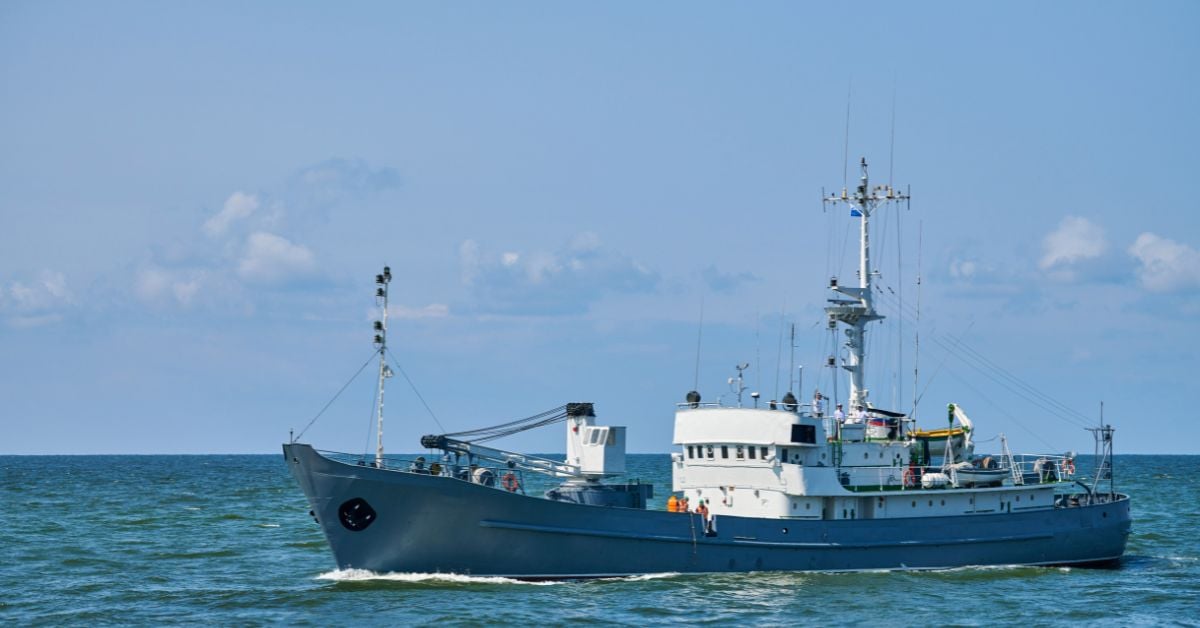
Undersea Cable Integrity Questioned After Reported Location Falsification Incident
A Chinese vessel reportedly falsified its location while operating near undersea cables in Philippine waters. That is not a technical glitch, it is a breach of maritime trust. When vessel identity data becomes unreliable, the integrity of critical infrastructure like undersea cables faces real risk. This incident demands empirical accountability. For further insight into how precise positioning shapes ocean industries, see our related coverage of "Precision at sea advances Asia-Pacific offshore wind by 2029."
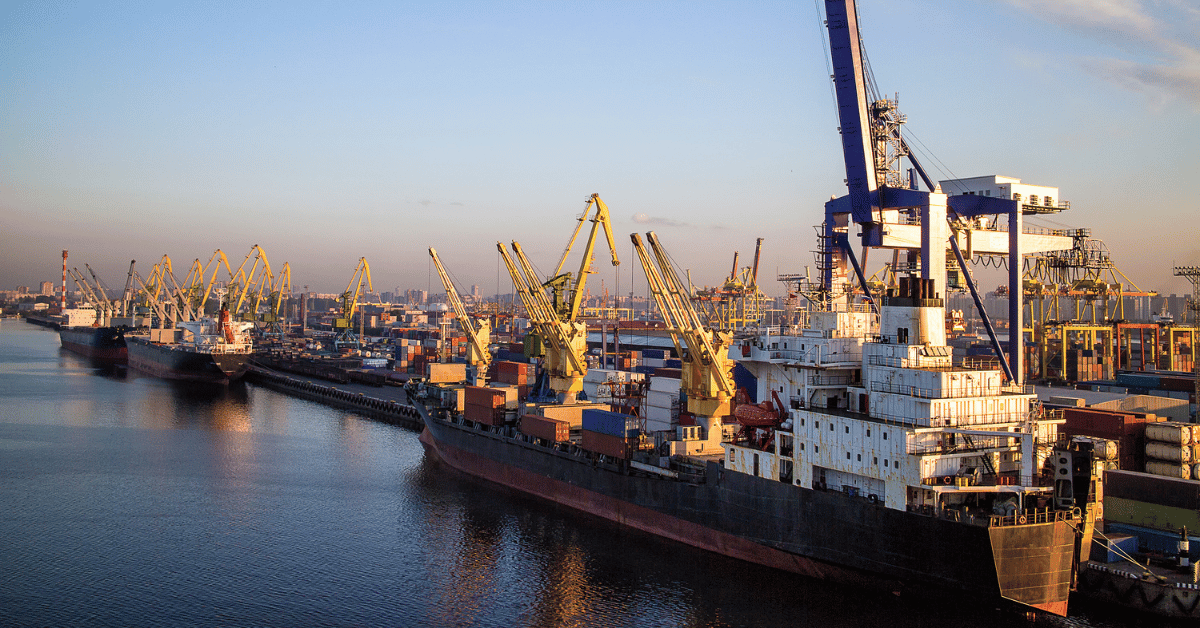
India Builds $1.5B Maritime Shield for War-Risk Coverage
India's Bharat Maritime Insurance Pool, a $1.5 billion domestic shield against war risks and cargo losses, marks a calibrated step toward self-reliance in marine coverage. This is not alarmist hedging; it is empirical risk management. When global supply chains face volatility, homegrown underwriting strengthens resilience. For deeper context on how technology is reshaping maritime security, see our coverage of RINA's Singapore Hub advancing digital twins and AI for ocean decarbonisation. Understanding drives protection.
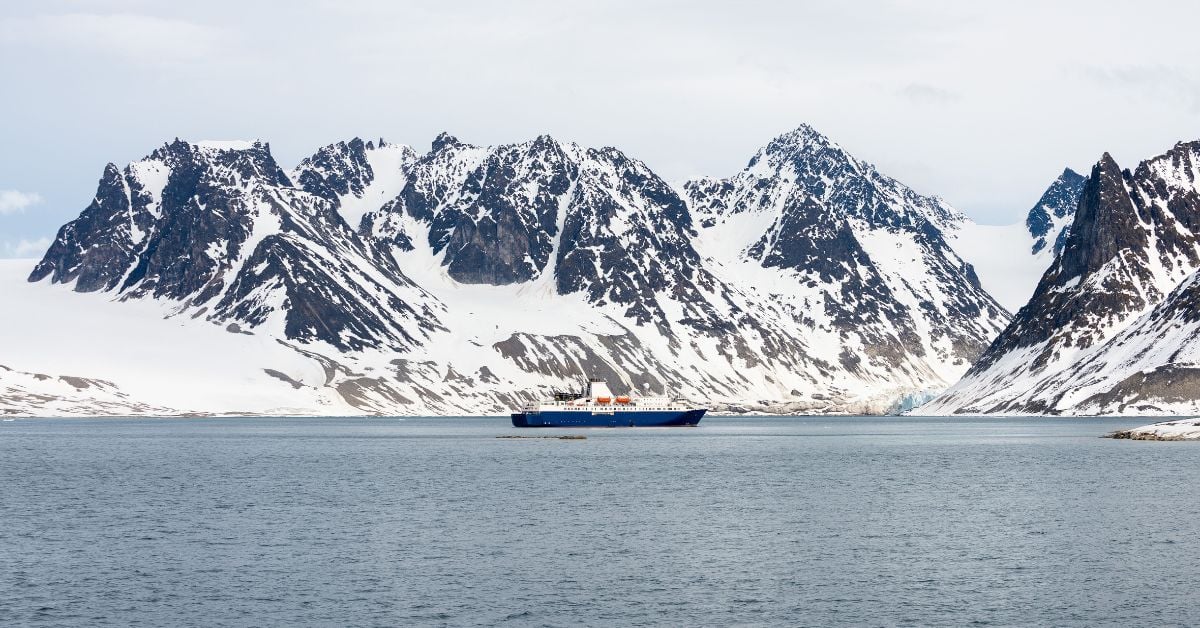
Chinese Research Vessels Operate Near Alaskan Coast, Raising Security Concerns
The presence of Chinese research vessels near the Alaskan coast signals a new layer of complexity in Arctic oversight. The United States views these operations as a potential security concern, and that reaction is measured, not alarmist. For those tracking maritime strategy, this is not abstract posturing; it is a concrete development in a region where access and influence are tightening. We should monitor these transits closely, because in the Arctic, presence itself is a form of leverage.
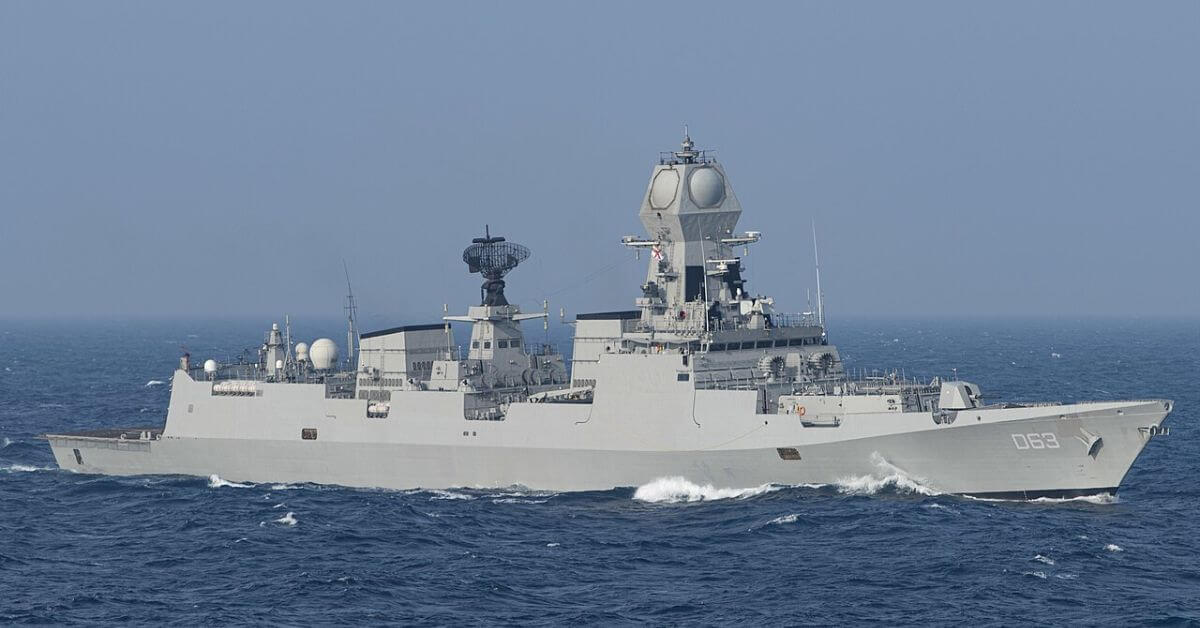
Naval Standoff: Tensions Rise as Pakistan Accuses India Near EEZ
The first open military confrontation between Pakistan and India since May 2025 has arrived, this time near the Exclusive Economic Zone, marking a sharp escalation in an already tense maritime theatre. This incident underscores how quickly regional friction can shift from diplomatic channels to open water. For those tracking the broader picture, our related piece on India's planned naval expansion offers crucial context on the strategic build-up behind such standoffs.
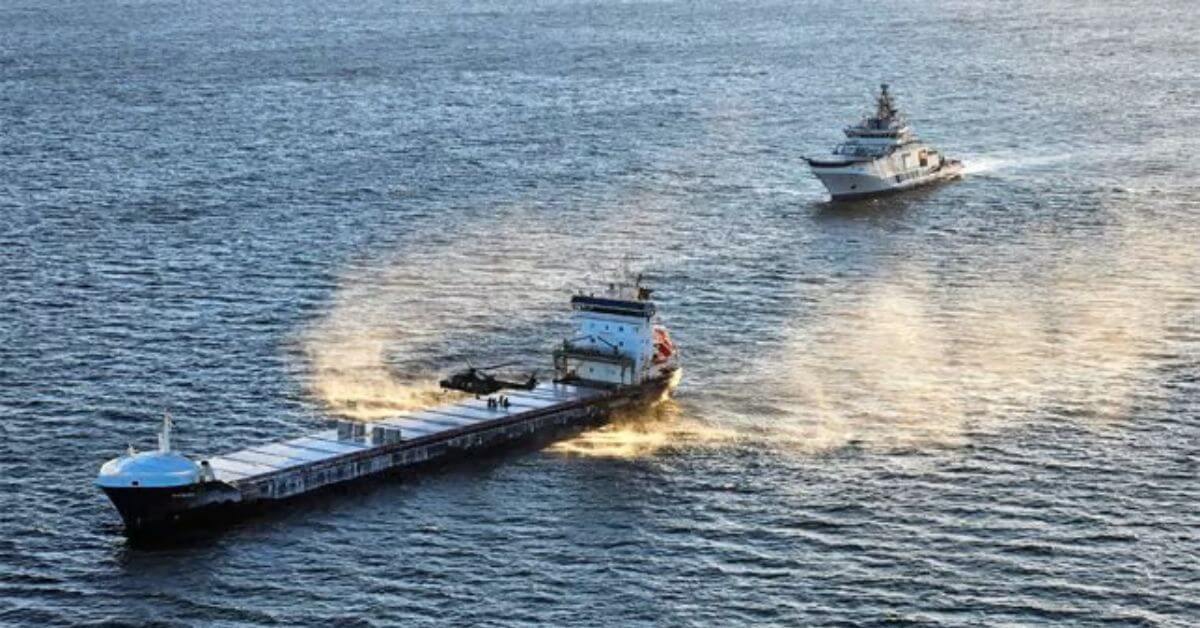
Subsea Cable Damage Trial: Finnish Court Considers Penalties for Ship's Crew
Prosecutors in Finland are seeking prison sentences of at least two years and six months for a ship's crew in a subsea cable damage trial. This case underscores the tangible legal consequences when critical ocean infrastructure is compromised. Validated accountability matters here. The proceedings reflect an integrated approach to protecting the data ecosystems that underpin global climate monitoring. For deeper context on the vessels involved in seabed operations, see our coverage of Van Oord's *Vindnes and Vestnes* new fallpipe vessels. Understanding drives protection.
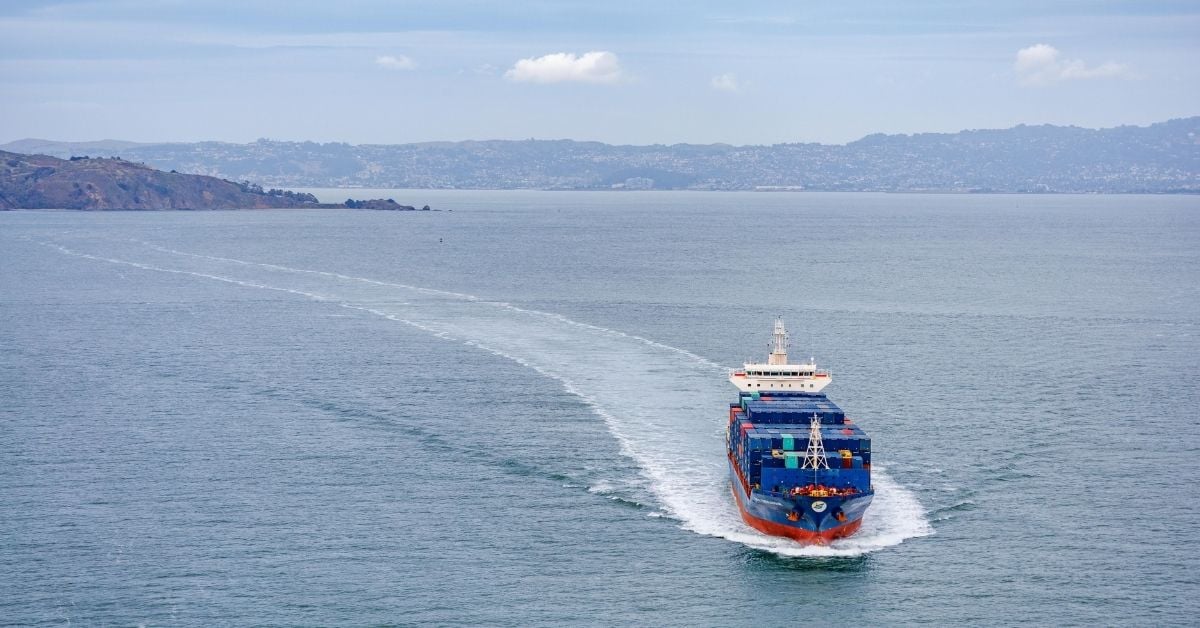
Drone Strike Suspected in Black Sea Cargo Ship Sinking
A cargo ship caught fire and sank off Romania on Thursday evening, with a drone strike the suspected cause. The incident injects a volatile new variable into Black Sea shipping lanes already strained by regional conflict. This is not a remote concern; it is a direct challenge to the safety of commercial routes and the maritime data that tracks them. As we monitor these climate and security indicators, the need for transparent, real-time reporting has never been clearer.
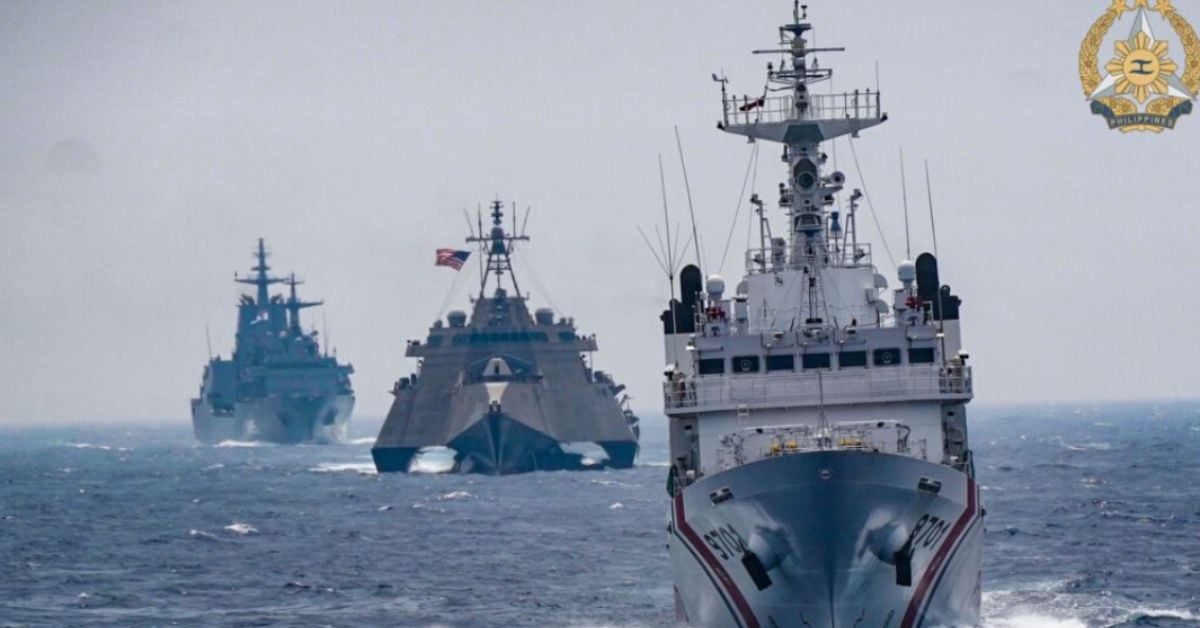
Naval Tensions Rise: Incident Near Sabina Shoal During Joint Exercises
The sight of Chinese warships shadowing Australian, Philippine, and U.S. vessels near Sabina Shoal during joint exercises is a measured reminder of how tense the region has become. These maneuvers are not accidents; they are calibrated signals of presence and intent. The West Philippine Sea demands precise observation, not alarm. For readers tracking the broader picture, our coverage of China's new nuclear carrier offers useful context on how such naval ambitions are being extended. For now, the message is clear: vigilance remains the operative word.

Cargo Ship Fire Disrupts Operations at Port of Midia
A fire aboard an ore-laden cargo ship at the Port of Midia on August 21, 2026, has forced a halt to operations at the Romanian harbor. The incident underscores how a single maritime emergency can ripple through supply chains, demanding rapid response and coordinated recovery. While the immediate focus is on containment and safety, the disruption highlights the fragile nature of port logistics.
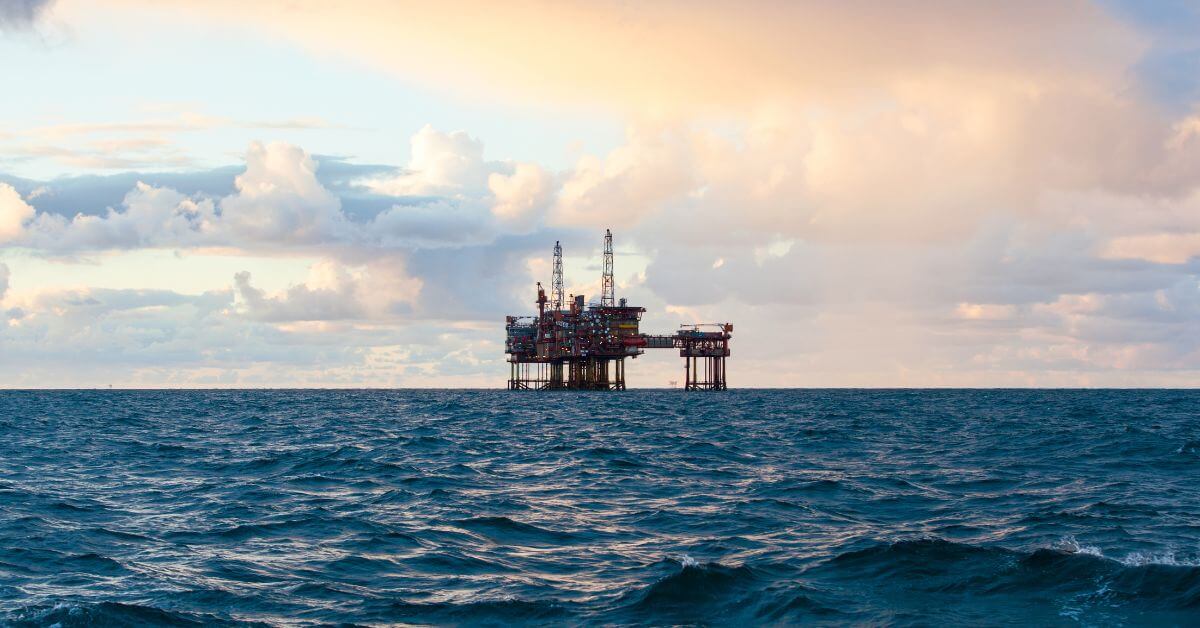
Drone Incident Near Black Sea Gas Platform Triggers Romanian Response
The Romanian Coast Guard detected an unidentified drone in the country's exclusive economic zone near the Neptun Alpha gas platform, prompting a swift response. The incident underscores the fragility of critical maritime infrastructure in the Black Sea. We track these developments because they carry implications for regional security and economic stability. For broader context on the pressure facing the region, our related coverage in "Strikes Target Ports and Vessels in Confirmed Military Action" offers a fuller picture.

Maritime Surveillance Detects and Neutralizes Russian-Designed Drones Near Romanian Gas Hub
A civilian vessel on routine patrol near Romania's exclusive economic zone detected and neutralized Russian-designed drones approaching a critical gas hub. The incident underscores how maritime surveillance remains a frontline defense for energy infrastructure. Precision and readiness defined the response. The threat was identified, contained, and eliminated without escalation. For broader context on regional instability, our coverage of the Vostok Project's Arctic oil exports offers a parallel look at how geopolitical tensions reshape energy routes. Vigilance, not alarm, guides these operations.

Black Sea Incident: Sailor Dies, Two Injured Aboard LPG Tanker
A sailor has died and two Filipino crew members are injured after an incident aboard an LPG tanker in the Black Sea. The two survivors remain in intensive care, listed in stable condition. The human toll of this waterway's instability is measurable, and it is a cost we cannot calibrate away. For broader context on the region's escalating risks, our report, "Strikes Target Ports and Vessels in Confirmed Military Action," details the ongoing threats to commercial shipping.

Chinese Research Vessel Transits U.S. Waters, Signals Arctic Expansion.
The Chinese research icebreaker Xue Long has transited U.S. waters, crossing the extended continental shelf in the Bering Sea. This is not a routine passage; it signals a deliberate expansion into Arctic waters. The move carries weight for ocean intelligence, where measured, transparent activity shapes regional understanding. We track these movements because they are empirical markers of shifting marine access. For context on how maritime routes are being recalibrated elsewhere, see our related coverage in "Russia Calibrates Export Revenue for Northern Sea Route Icebreaker Fleet."