drones
51 stories filed under drones on World Data Ocean. The newest of them: “Three-drone strike sinks Maltese-flagged vessel near Bulgarian coast”, “1,500 Drones Map a New Course Over Mumbai for Cordelia Sky's Debut”, and “40 days of measured combat earns carrier strike group top military honour”. Three drone strikes sent the Maltese-flagged Chelsea 3 to the seabed off Bulgaria's coast, a measured, precise attack on a Ukrainian-owned vessel. 1,500 drones choreographed over Mumbai's skyline on Sunday, October 11, marking the debut of Cordelia Cruises' second vessel, 'Cordelia Sky.' Precision at scale, each light calibrated, each movement measured. A Global Hub for Ocean Intelligence 4 World Data Ocean is a centralized digital platform where researchers, scientists, and ocean enthusiasts converge to… The list below is every drones story on World Data Ocean, newest first.
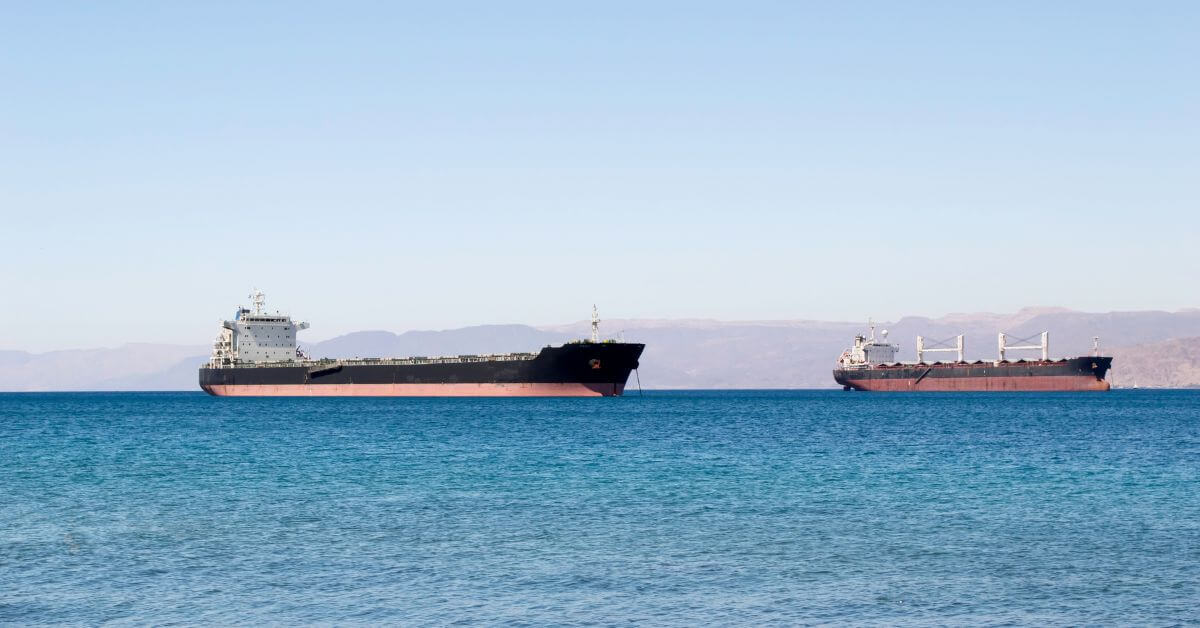
Three-drone strike sinks Maltese-flagged vessel near Bulgarian coast
Three drone strikes sent the Maltese-flagged Chelsea 3 to the seabed off Bulgaria's coast, a measured, precise attack on a Ukrainian-owned vessel. This is not alarmism; it is an empirical signal of evolving maritime threats. Understanding drives protection, which is why our coverage traces these changes. For deeper context on how navies adapt, see *Baltic Allies Validate Uncrewed Target Engagement in Gulf of Bothnia Exercise*. The data tells a clear story: the rules at sea are being rewritten.

1,500 Drones Map a New Course Over Mumbai for Cordelia Sky's Debut
1,500 drones choreographed over Mumbai's skyline on Sunday, October 11, marking the debut of Cordelia Cruises' second vessel, 'Cordelia Sky.' Precision at scale, each light calibrated, each movement measured. This is not spectacle for spectacle's sake. It signals a growing ambition in maritime tourism, one that demands integrated planning and validated execution. For a deeper look at endurance on the water, see our coverage of "265 days at sea: validated data from a record naval deployment." Understanding drives protection.
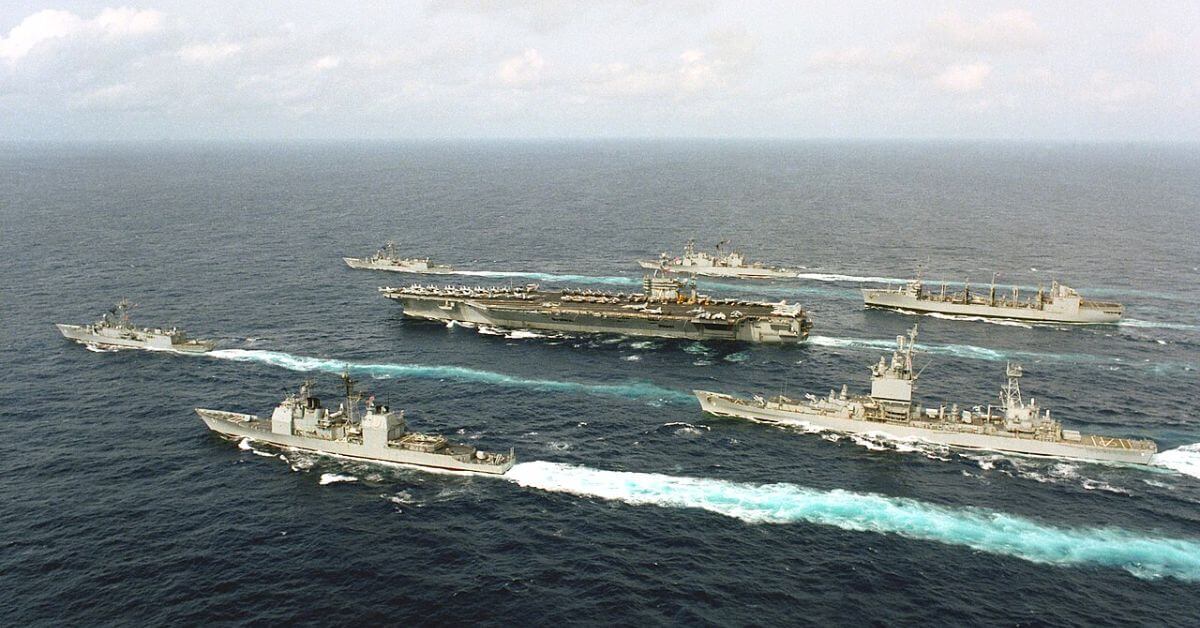
40 days of measured combat earns carrier strike group top military honour
Forty days of measured combat. That is what earned the carrier strike group its top military honour, announced Wednesday by US Defence Secretary Pete Hegseth. The award, delivered a day before the planned return, validates the kind of sustained, calibrated force projection that defines modern naval readiness. For deeper context on extended deployments, see our coverage of the USS Abraham Lincoln's 322-day journey home.
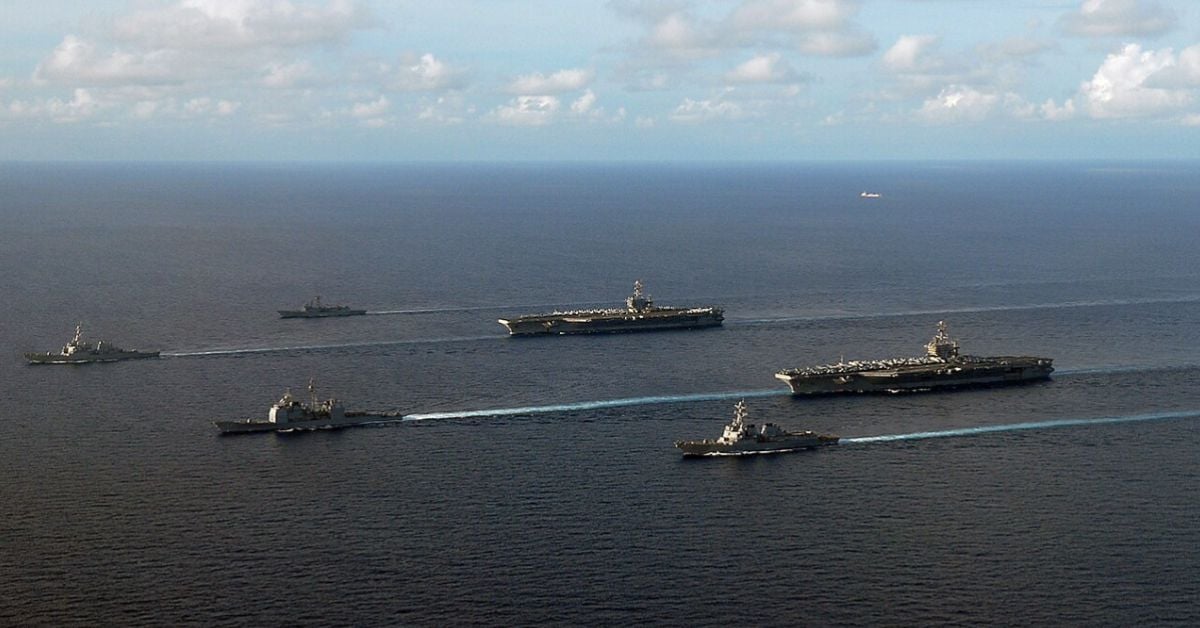
265 days at sea: validated data from a record naval deployment
265 days without a port call. The USS Abraham Lincoln has returned home after a record naval deployment that sank 64 Iranian ships. This is not a claim; it is validated, empirical data from an extended operational campaign. The sheer duration and measurable impact demand attention. For deeper context on regional maritime security, our piece on verified Hormuz transit numbers offers a parallel look at what peer-reviewed reporting can confirm.
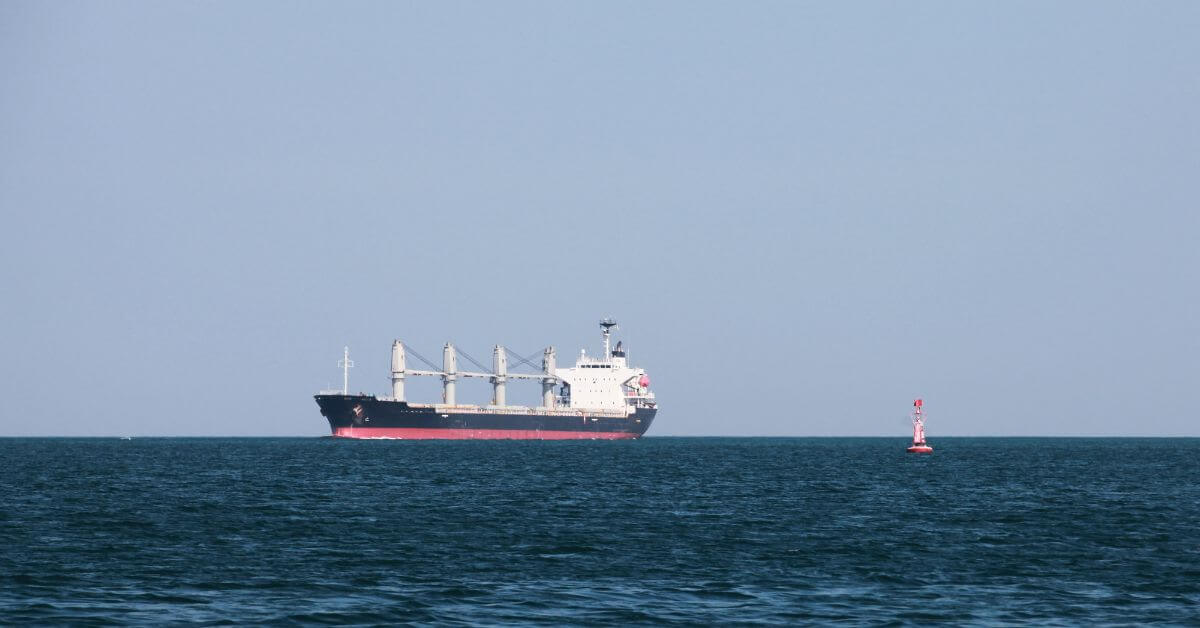
Drone strikes in Black Sea sink freighter, crew remains missing
A cargo ship has sunk in Bulgaria's exclusive economic zone after drone strikes hit two commercial vessels in the Black Sea, leaving the crew missing. This is not an isolated incident. A Liberian-flagged oil tanker carrying Indian crew members recently caught fire off Russia's coast near Sochi. The pattern is measurable and troubling. Maritime safety faces new, uncalibrated threats. For deeper context, read our article "Black Sea incident raises urgent questions on maritime safety and climate risk.
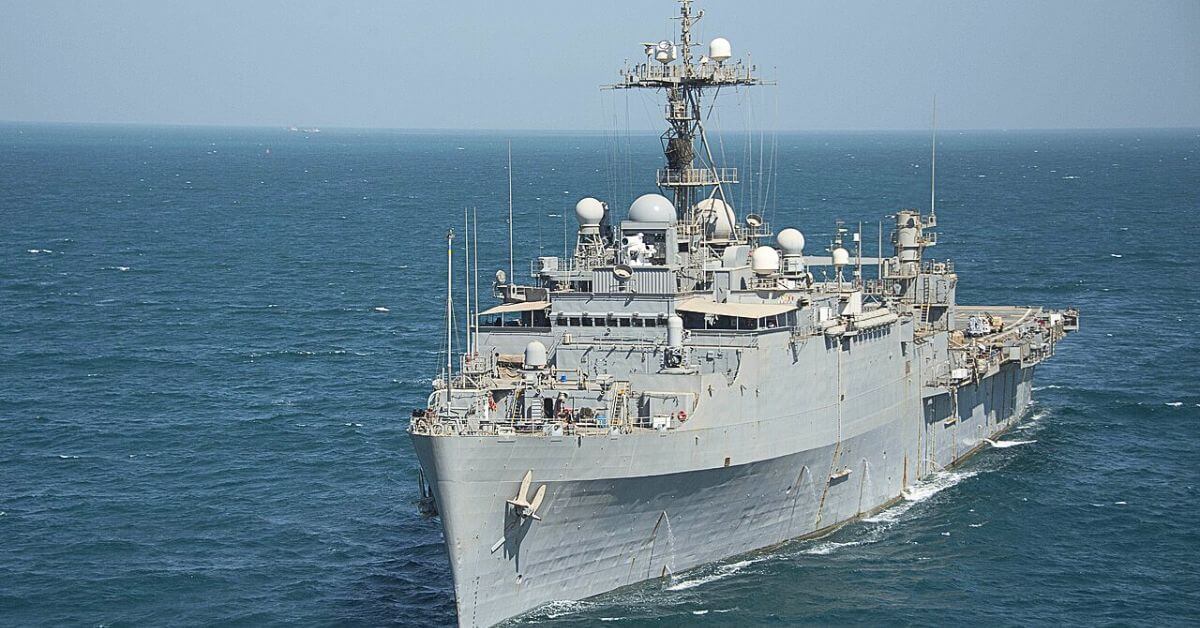
Laser Deterrence Deploys in the Strait as Naval Defense Enters a New Measured Era
Laser deterrence has arrived in the Strait of Hormuz, where the US military now deploys high-energy weapons against drones and aerial threats. This measured advance shifts naval defense from kinetic to calibrated response. It is a new chapter in maritime security, one defined by precision and restraint. For deeper insight into the evolving fleet, readers can explore our coverage of the USS Germantown's retirement after four decades of service.
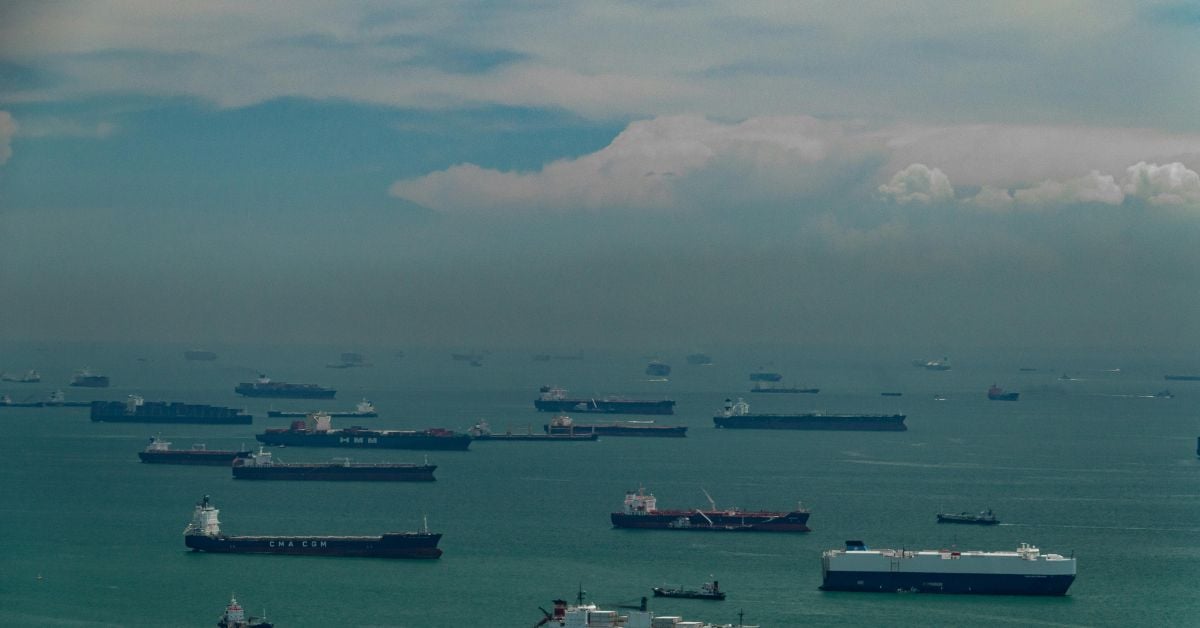
150 vessels idle in Gulf of Finland as Baltic maritime traffic bottlenecks
Nearly 150 vessels sit idle in the Gulf of Finland, a maritime bottleneck gripping Baltic traffic to Russian ports such as Ust-Luga, Primorsk, and St Petersburg. This congestion is more than a logistical snag, it is a measurable disruption in a region already under scrutiny. Such real-time bottlenecks carry empirical weight as climate and geopolitical indicators. For deeper context on maritime security, see our coverage of the captain charged over Ukrainian grain. Understanding these pressures drives protection of both trade and ocean intelligence.

Ukraine Supports India’s Initiative for Black Sea Shipping Routes
Ukraine's consideration of India's proposal to restore safe navigation in the Black Sea signals a practical step toward maritime stability. Reopening these routes is not merely a regional matter; it supports global supply chains and the exchange of ocean intelligence. The move reflects measured diplomacy, grounded in shared interests rather than rhetoric. For readers tracking how nations recalibrate maritime strategy, our related coverage on integrated subsea cables across the Indian Ocean offers useful context on how connectivity and shipping increasingly intersect.
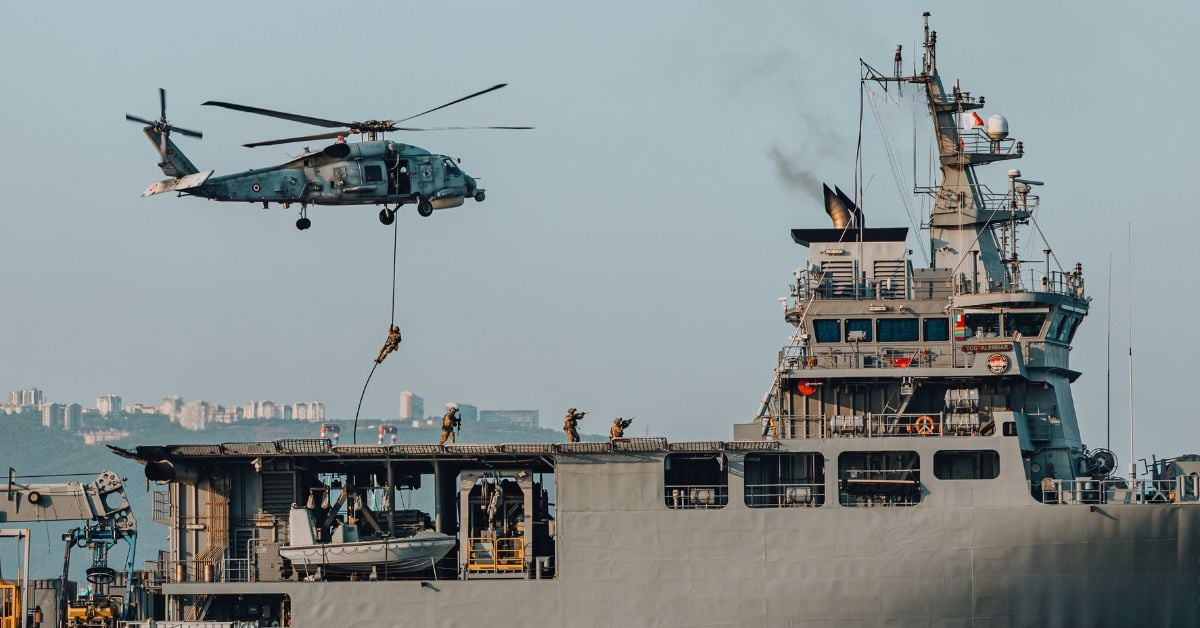
Simulated Drills Assess Maritime Defense Strategies in the South China Sea
A bilateral naval exercise in the South China Sea has put simulated Chinese People's Liberation Army Navy formations at the center of a realistic defense drill. Both nations calibrated these scenarios to test maritime strategies for protecting Manila's territorial waters. Such empirical, peer-reviewed training sharpens readiness without alarmism. Understanding drives protection. For deeper insight into regional security dynamics, see our coverage of phased negotiations aimed at easing restrictions on the Strait of Hormuz.

Enhanced Defense: USS Mustin Integrates Advanced Gun System for Maritime Security
The USS Mustin now mounts the Mk 38 Mod 4 Gun Weapon System, a calibrated upgrade for taking down drones and surface threats. This isn't a flashy reveal; it's a measured, empirical response to evolving maritime risks. We see this as a logical step in layered defense, integrated hardware that validates a commitment to real-time security. For broader context on naval force projections, our coverage of India's expanded fleet plans offers a parallel view of strategic readiness.
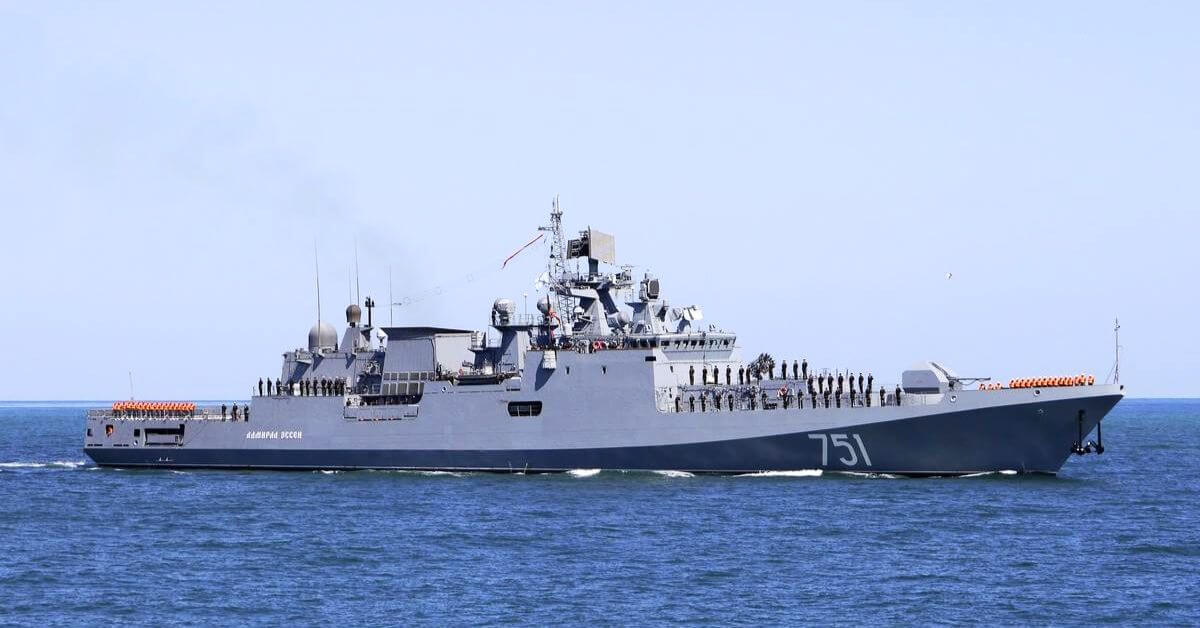
Ukraine Strikes Key Russian Warship in Black Sea Port
Ukraine's strike on a key Russian warship at Novorossiysk, Russia's largest Black Sea port, demonstrates a calibrated shift in maritime conflict. This operation targets not just a vessel but the logistical backbone sustaining naval power in the region. Measurable impacts on Russian export capacity and fleet readiness merit close observation. For deeper context on how Russia is recalibrating its maritime economic strategy, see our related coverage on the Northern Sea Route icebreaker fleet. Understanding these integrated dynamics is essential.

Attacks Disrupt Saudi Oil Operations; Regional Instability Intensifies.
Houthi attacks struck southern Saudi Arabia, including an Aramco oil refinery, disrupting operations and intensifying regional instability. These strikes underscore the fragility of energy infrastructure in contested zones. Measurable impacts on global oil flows demand calibrated monitoring. For deeper context on shifting maritime pressures, see our related coverage of Gulf of Oman STS transfers maxing out amid rising Saudi exports. Understanding these disruptions is essential, protection begins with empirical awareness.

Drones Strike Cargo Ship Linked to Russia Amidst Mediterranean Tensions
A drone strike has hit the cargo ship *Lady Mariia*, formerly *Stella-Maria*, after it departed Algeria's Oran port, injecting new volatility into Mediterranean shipping routes linked to Russian interests. This is not an isolated incident; it reflects growing maritime friction amid geopolitical realignments. For deeper context on Arctic energy pressures driving such tensions, see our coverage of the *Vostok Project's* oil exports. Understanding these interconnected threats is essential for assessing ocean security in a shifting global order.
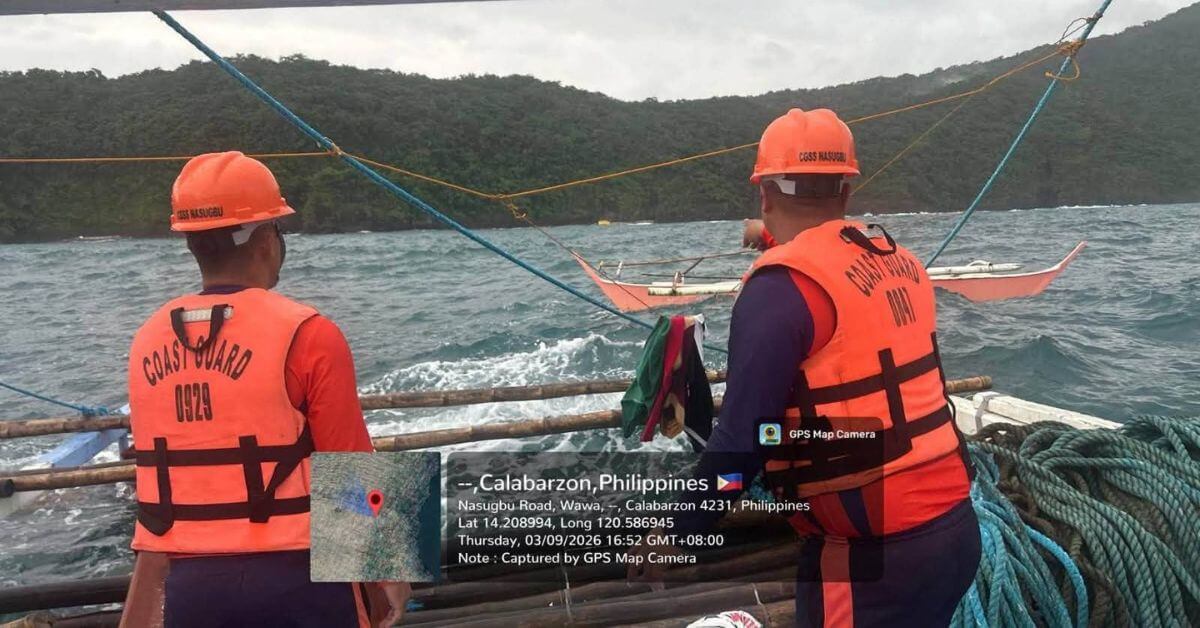
Container Spill Near Philippines: Coast Guard Responds, Monitors Ocean Impact
The Coast Guard has launched recovery operations after containers fell into the sea near Hamilo Point in Nasugbu, Batangas, with response teams now monitoring the ocean impact. Swift action matters here, though the scale of the challenge is considerable. Containers at sea are not just navigational hazards; they carry consequences for marine ecosystems that can outlast the immediate response. For deeper context on maritime incidents, our piece on the cargo ship fire near Mykonos offers a parallel look at how authorities handle unfolding emergencies.
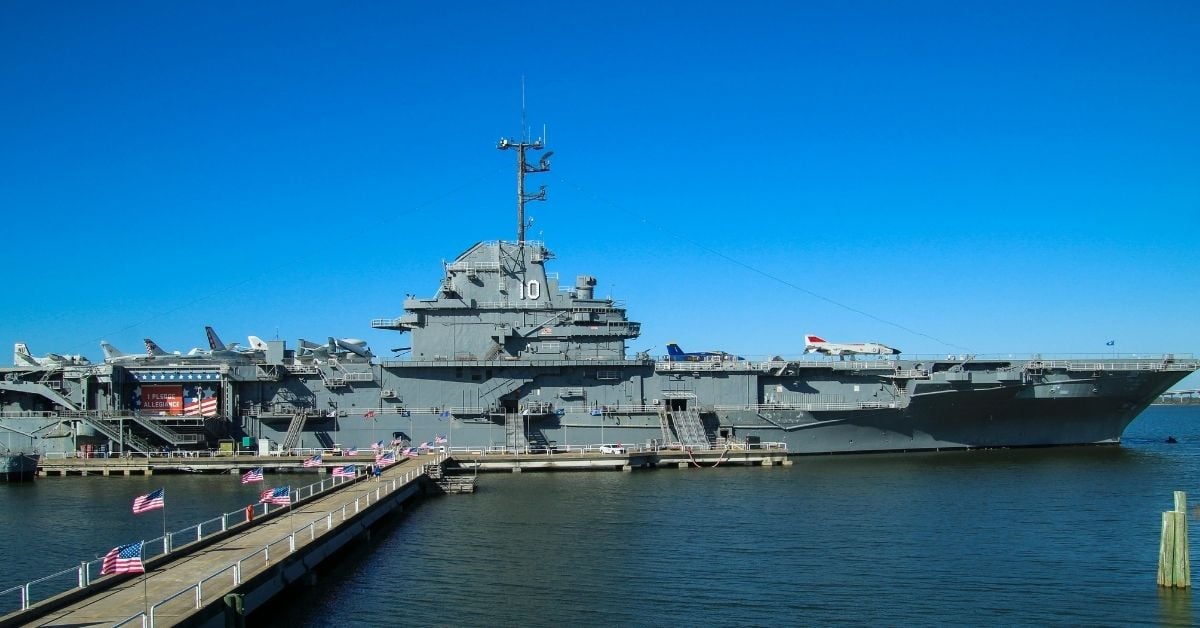
Drone-Launched Weapons Enhance Carrier-Based Anti-Submarine Capabilities
The U.S. Naval Air Systems Command is developing a weapon designed to be fired from carrier-launched drones against enemy submarines, extending strike reach beyond the ship's horizon. This is a calibrated step toward integrated ocean intelligence, pairing unmanned platforms with anti-submarine warfare in ways that demand precision. The capability reflects a broader naval evolution, much like India's expanded fleet projections. The ocean is vast, but layered, measured responses like these keep it navigable.
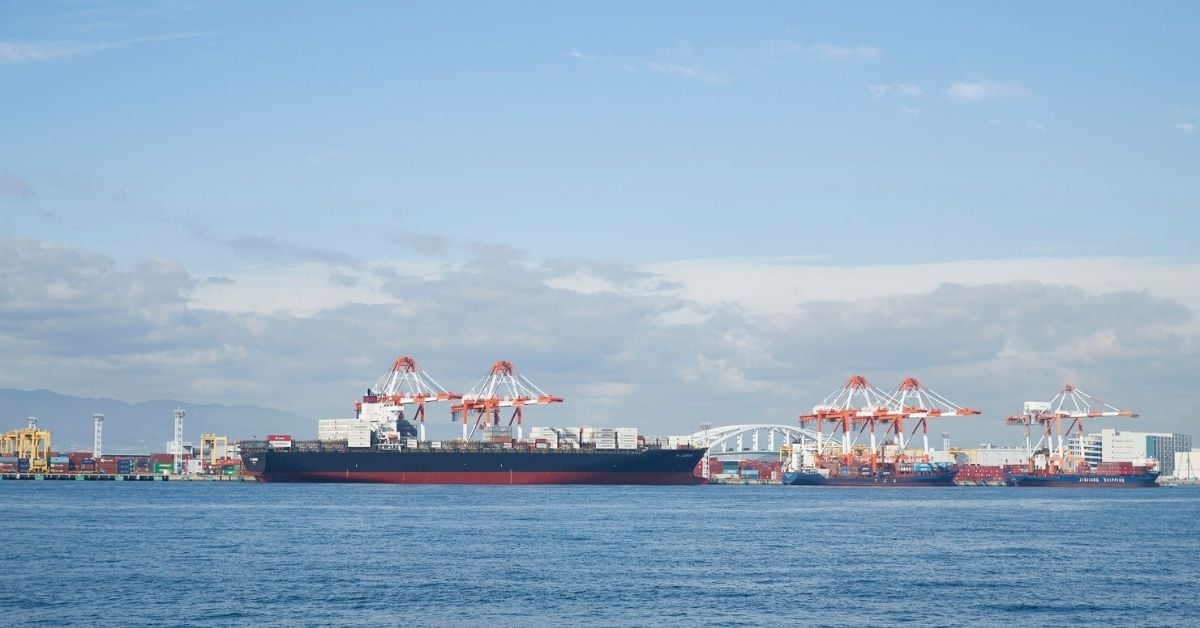
Targeted Strikes Disrupt Ukrainian Grain and Energy Infrastructure.
Russia's latest assault on Ukrainian ports, grain silos, and energy hubs is a deliberate escalation against both civilian resilience and global food security. These coordinated strikes are not collateral damage; they are the target. We should read this as a calculated attempt to degrade infrastructure that sustains both Ukraine's economy and its people's daily lives. The pattern is measurable, and the intent is clear.

Attacks Target Key Ukrainian Black Sea Port Infrastructure.
Russia's latest strikes on Ukrainian Black Sea port infrastructure, including Pivdennyi and Odesa, along with fuel storage at Chornomorsk, underscore a deliberate strategy to disrupt maritime export capacity. These are not incidental hits; they are calibrated pressure on a critical economic artery. The pattern echoes broader efforts to constrain Ukraine's access to global markets, as seen in our related piece, "Russia Calibrates Export Revenue for Northern Sea Route Icebreaker Fleet." For now, the resilience of these ports remains the counterweight to Moscow's campaign.

Shipping Corridor Established: U.S. Facilitates Oil Flow Through Hormuz
The U.S. military has quietly established a shipping corridor through the Strait of Hormuz, moving millions of barrels of oil daily. It is a measured, logistical response to a volatile region, and one that carries real strategic weight. The move underscores the practical realities of maintaining energy flow when diplomatic channels remain fragile. For context on how pressure is building nearby, our related piece, "Gulf of Oman STS Transfers Max Out Amid Rising Saudi Oil Exports," offers a clearer picture of the strain.

Maritime Security Incident: Two Vessels and 22 Crew Affected by Piracy.
Two merchant vessels, carrying 22 Indian crew members total, have been hijacked by pirates in separate incidents off Yemen and Somalia. The attacks underscore the persistent threat maritime piracy poses to seafarers and global shipping lanes. This is not a distant problem; it is a live disruption to the ocean economy and the people who move it. For deeper context on regional responses, our report on Puntland Forces Intercept Hijacked, US-Sanctioned Oil Tanker After 48 Hours illustrates the ongoing volatility.

India Navy Expands Maritime Domain Awareness with MQ-9B Sea Guardian Lease
The Indian Navy's lease of two MQ-9B Sea Guardian drones under a INR 1,943 crore agreement with General Atomics marks a calibrated step toward stronger maritime domain awareness. This is not about hardware alone; it is about sustained, high-endurance surveillance across the Indian Ocean's contested expanse. The deal reflects a practical integration of remote capabilities into existing naval operations. For readers tracking regional connectivity shifts, our related piece on integrated subsea infrastructure offers useful context on how data and defense increasingly overlap here.

Sustained U.S. Naval Presence Ensures Ongoing Iranian Port Restrictions.
Defense Secretary Pete Hegseth confirmed the U.S. retains sufficient naval resources to sustain the blockade of Iranian ports indefinitely. That is not a posture of bluff; it is a statement of calibrated, measurable capability. The pressure remains deliberate, and the strategic intent is clear. For readers tracking the broader maritime picture, our related coverage on Gulf of Oman STS transfers maxing out offers useful context on regional shipping pressures. The blockade holds, and the message is consistent: persistence is part of the strategy.

Red Sea Tensions Rise: Houthis Report Strike on Saudi Vessel
The latest Houthi claim of a strike on a Saudi vessel lands with familiar weight, arriving just days after a missile attack killed six crew members aboard the cargo ship *Tihamah* in the Bab al-Mandeb Strait. Each incident tightens the knot on maritime security, and the pattern is measurable. These are not isolated provocations; they are pressure points on a route that sustains global trade.

Maritime Surveillance Detects and Neutralizes Russian-Designed Drones Near Romanian Gas Hub
A civilian vessel on routine patrol near Romania's exclusive economic zone detected and neutralized Russian-designed drones approaching a critical gas hub. The incident underscores how maritime surveillance remains a frontline defense for energy infrastructure. Precision and readiness defined the response. The threat was identified, contained, and eliminated without escalation. For broader context on regional instability, our coverage of the Vostok Project's Arctic oil exports offers a parallel look at how geopolitical tensions reshape energy routes. Vigilance, not alarm, guides these operations.

Expanding Maritime Domain Awareness: India Acquires Long-Range Naval Drones
India's Ministry of Defence is moving to equip its warships with ship-launched, long-range "kamikaze" drones, adding a new layer of medium-range strike capability to the fleet. It is a calibrated step toward greater operational flexibility, one that reflects a practical understanding of modern naval threats. The acquisition signals a deliberate investment in autonomous systems, not a reactionary measure. For broader context on where the service is headed, our coverage in "India Projects Expanded Naval Fleet to Navigate Evolving Maritime Landscape" outlines the strategic trajectory.