tanker attacks
6 stories filed under tanker attacks on World Data Ocean. The newest of them: “Drone and fire attacks target three tankers near Strait of Hormuz”, “Weekly tanker strikes near Strait of Hormuz reach highest count in years”, and “Strait of Hormuz tensions rise as Iran signals new maritime restrictions”. Three tankers near the Strait of Hormuz were struck by coordinated drone and fire attacks, one drone strike off Oman, two more in the strait, and a separate blaze aboard an oil tanker in the Arabian Gulf. A Global Hub for Ocean Intelligence 4 World Data Ocean is a centralized digital platform where researchers, scientists, and ocean enthusiasts converge to… The list below is every tanker attacks story on World Data Ocean, newest first.
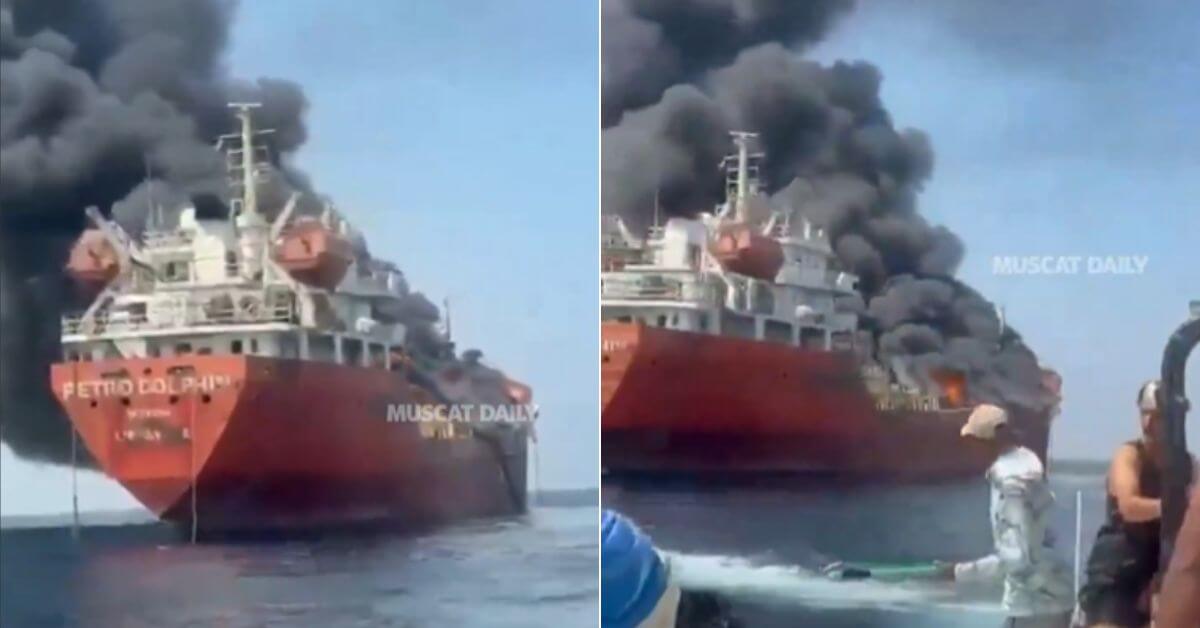
Drone and fire attacks target three tankers near Strait of Hormuz
Three tankers near the Strait of Hormuz were struck by coordinated drone and fire attacks, one drone strike off Oman, two more in the strait, and a separate blaze aboard an oil tanker in the Arabian Gulf. These incidents, in one of the world's most critical maritime chokepoints, are a measurable reminder that ocean security is inseparable from global stability. Our related coverage of stranded Iranian vessels off Sri Lanka further underscores how regional disruptions test supply chains and sanctions.
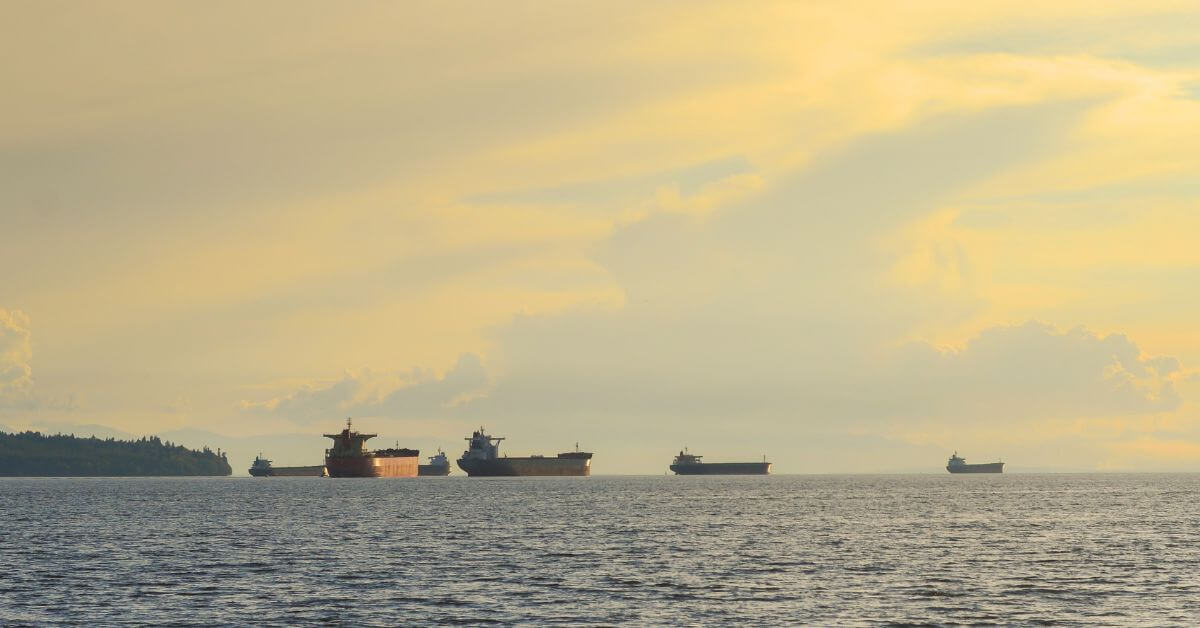
Weekly tanker strikes near Strait of Hormuz reach highest count in years
Twelve attacks on oil, LNG, and LPG tankers near the Strait of Hormuz in a single week mark the highest count in years, a measurable escalation in maritime risk. These are not isolated incidents; they are part of a broader pattern of aggression that demands empirical attention. For deeper context on the region's reliability, see our related coverage on verified transit data that counters Iranian claims of closure. Understanding these attacks requires calibrated, real-time intelligence, not alarm.
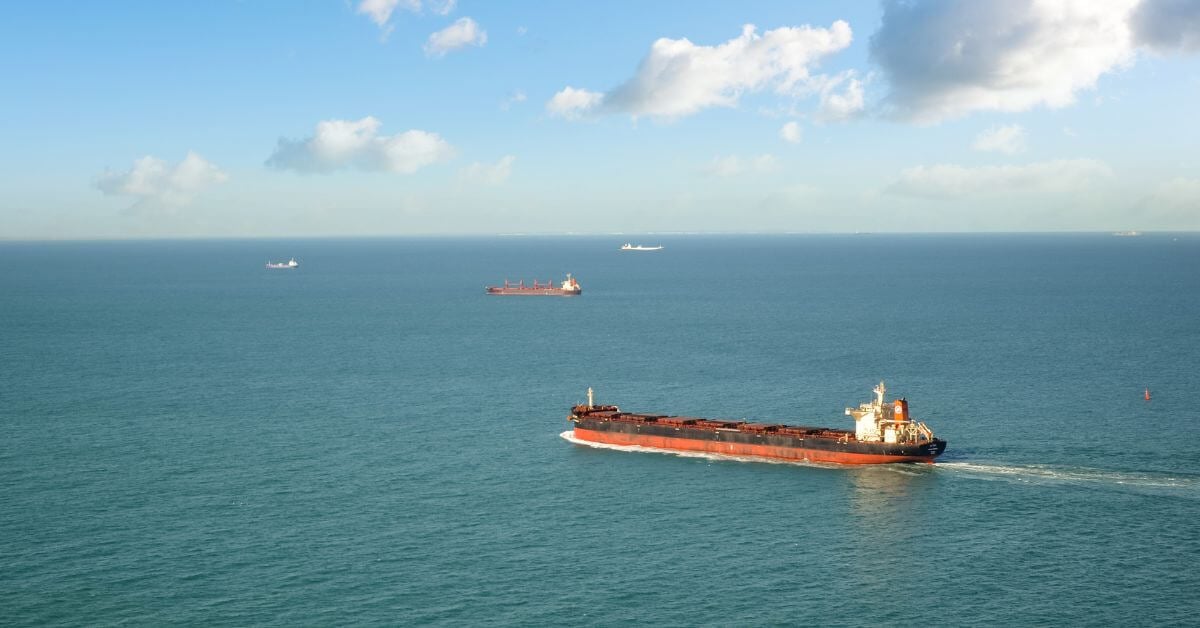
Strait of Hormuz tensions rise as Iran signals new maritime restrictions
The Strait of Hormuz is once again a flashpoint, with Iran signaling new maritime restrictions even as Gulf oil exports rise. Tanker attacks and logistical disruptions continue to plague shipments, a reality reflected in risk premiums exceeding $100,000 per month for captains. These are not abstract tensions; they are measured, empirical challenges to global energy flow. Our related coverage on those soaring risk premiums offers a deeper look at the human and economic cost. Understanding these dynamics is the first step toward protecting maritime stability.
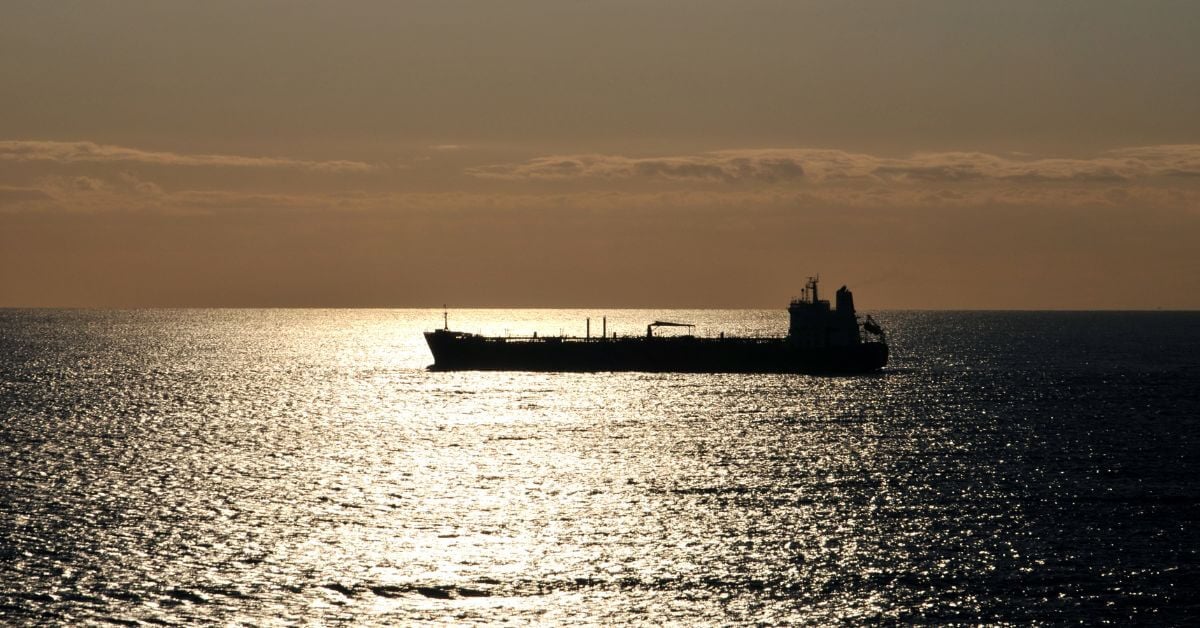
Projectile Strike on Tanker Off Qatar Coast Yields Reported Casualties
Multiple projectiles struck an oil tanker off Qatar's northern coast, with casualties now reported among the crew. This attack adds a dangerous new dimension to maritime insecurity in a region already strained by rising tensions. Understanding these threats requires calibrated, real-time observation of shipping lanes and geopolitical shifts. For deeper context on regional instability, read our coverage of rising Strait of Hormuz tensions and Iran's new maritime restrictions.
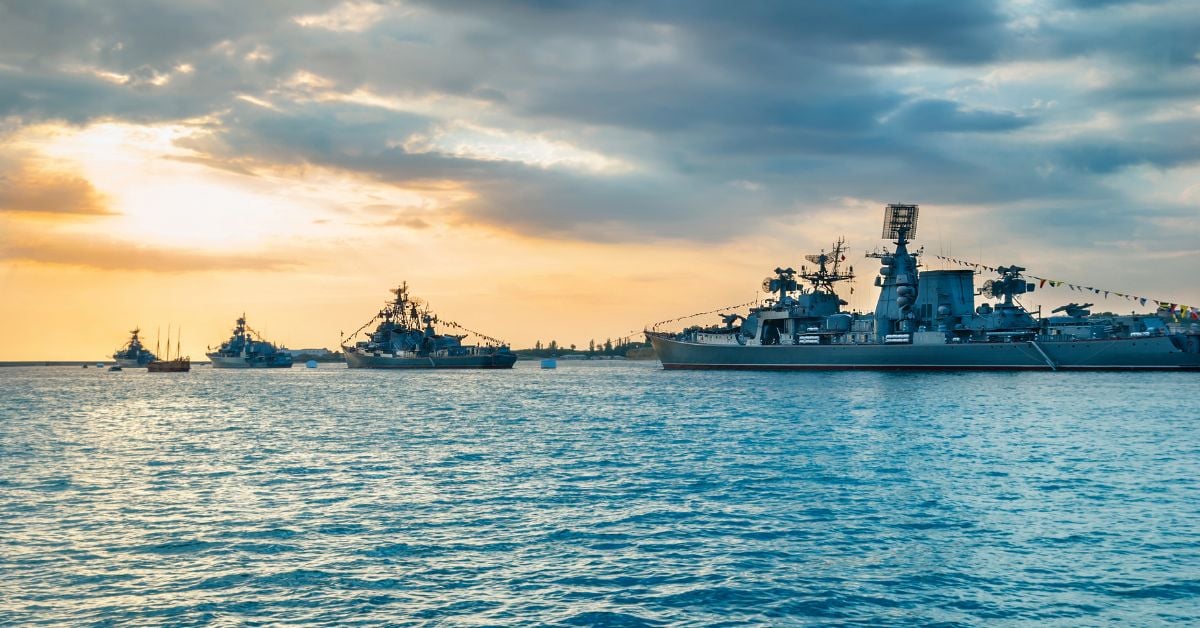
Securing the Strait: Navy SEALs Conduct Covert Mine Clearing Operation
For four months, U.S. Navy SEALs operated in the Strait of Hormuz, clearing naval mines placed by Iran. This covert operation secures a waterway where geopolitical tension meets global energy flow. Measurable, empirical action, not rhetoric, protects maritime stability. It is the kind of calibrated, real-world intervention that underscores why integrated ocean intelligence matters. For deeper context on regional pressures, see our coverage of how Gulf of Oman STS transfers have maxed out amid rising Saudi oil exports.
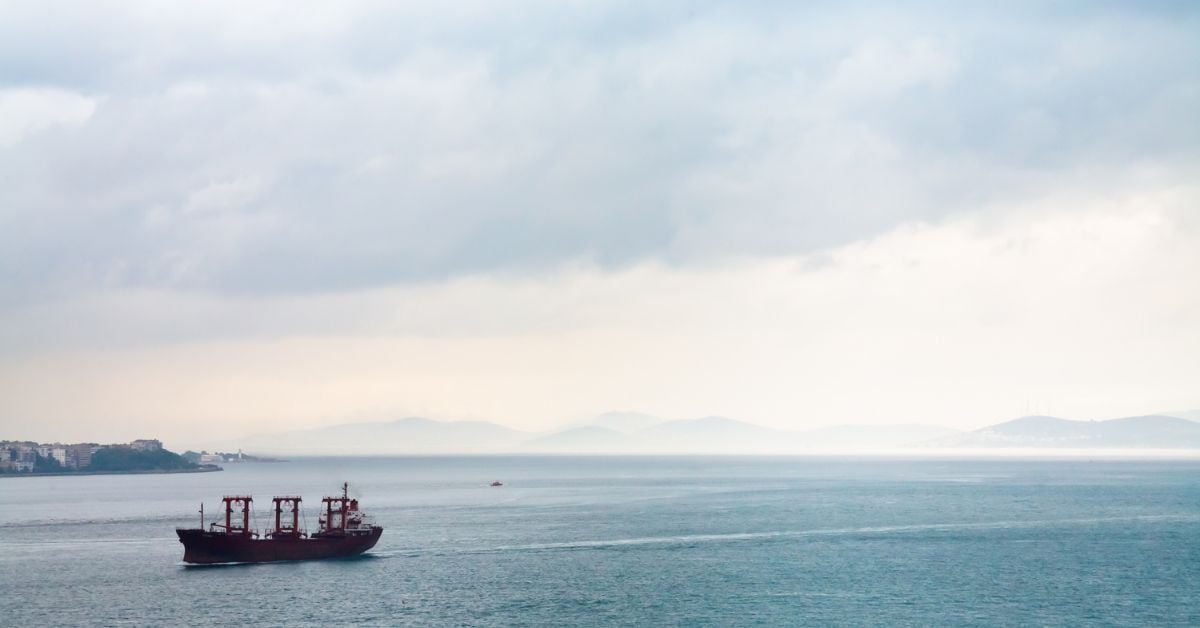
Iran Plans Exclusion Zone in Strategic Strait of Hormuz.
Iran's decision to establish an exclusion zone around the Strait of Hormuz signals a deliberate move to control one of the world's most vital maritime passages. Requiring permission to transit is not a technicality; it is a statement of leverage. The move carries measurable implications for global shipping and energy routes, and it demands calibrated attention from the international community.