US-Iran war
8 stories filed under US-Iran war on World Data Ocean. The newest of them: “Injured crew evacuated after fire erupts aboard tanker in Strait of Hormuz”, “Chartering tankers through Hormuz to secure India's oil supply chains”, and “Projectiles strike crude and LNG tankers in the Strait of Hormuz”. A fire and an attack on a tanker in the Strait of Hormuz injured 12 of its 19 crew members, prompting an evacuation confirmed by Oman's Ministry of Defence. India's refiners are chartering tankers through the Strait of Hormuz, a calculated response to rising risk in a waterway that moves a fifth of global oil. A Global Hub for Ocean Intelligence 4 World Data Ocean is a centralized digital platform where researchers, scientists, and ocean enthusiasts converge to… The list below is every US-Iran war story on World Data Ocean, newest first.
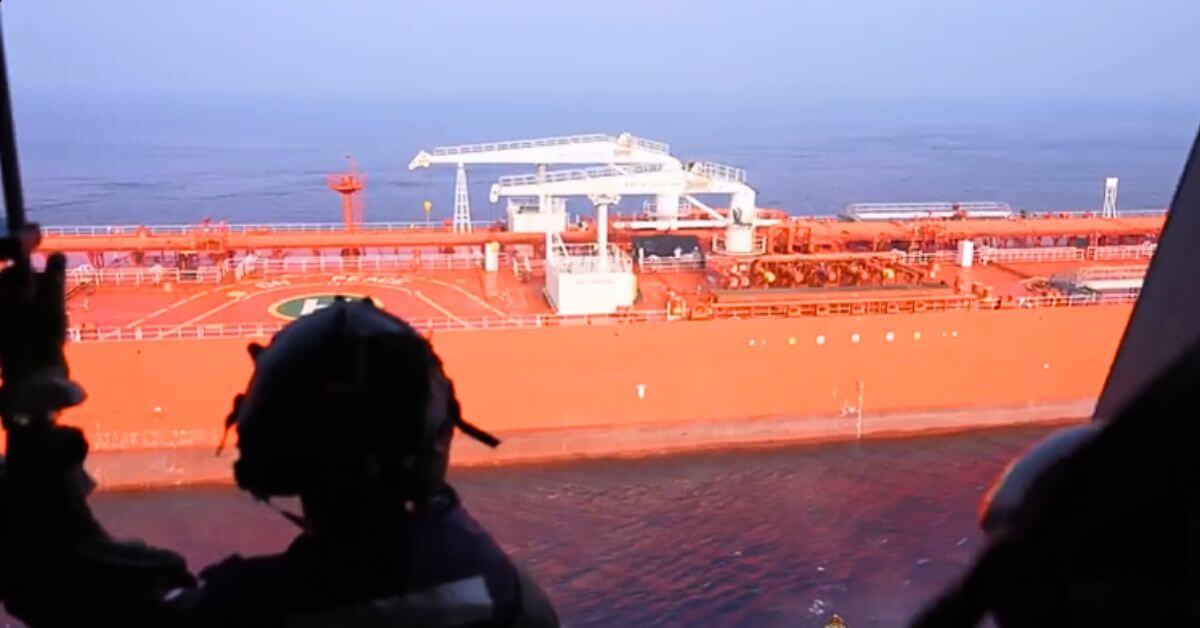
Injured crew evacuated after fire erupts aboard tanker in Strait of Hormuz
A fire and an attack on a tanker in the Strait of Hormuz injured 12 of its 19 crew members, prompting an evacuation confirmed by Oman's Ministry of Defence. This is not an isolated incident. The same volatile waters that demand calibrated maritime security now test the resilience of global trade routes. For deeper context on regional diplomatic efforts, see our coverage of "India Proposes Measured Maritime Truce to Protect Black Sea Shipping."
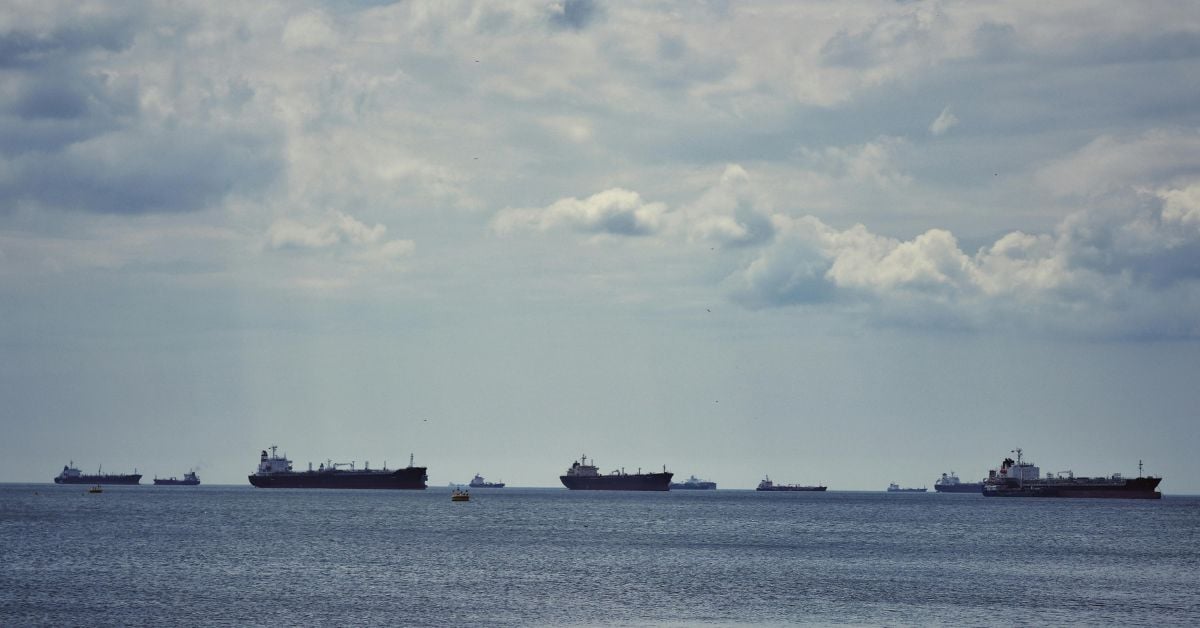
Chartering tankers through Hormuz to secure India's oil supply chains
India's refiners are chartering tankers through the Strait of Hormuz, a calculated response to rising risk in a waterway that moves a fifth of global oil. Rather than deploying their own vessels, they are shifting procurement strategy to secure supply chains with measurable precision. This is not alarm, it is calibrated adaptation. For deeper context on how these disruptions are reshaping global routes, see our related coverage of rising Red Sea crude flows.
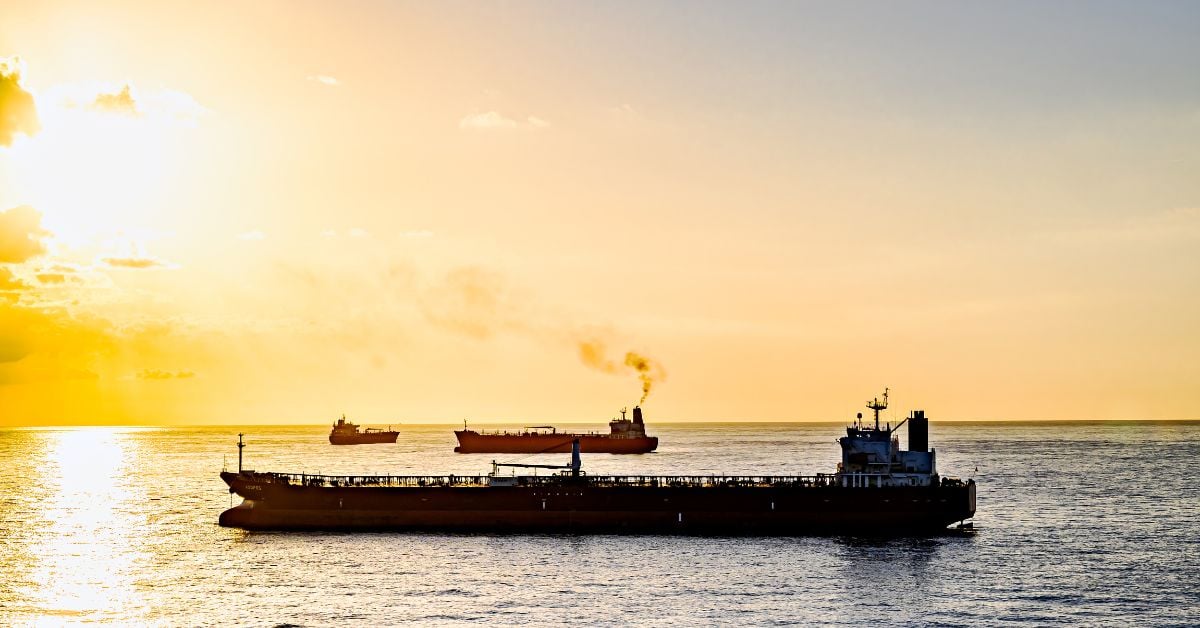
Projectiles strike crude and LNG tankers in the Strait of Hormuz
Three vessels, a crude oil tanker, an LNG tanker, and another ship, were struck by projectiles in the Strait of Hormuz, UKMTO reports. This is not a random escalation. It is a calibrated disruption to one of the world's most measured energy corridors. For those tracking ocean intelligence, the pattern is clear: these strikes test supply chains already under pressure. Our coverage of how Indian refiners are chartering tankers through Hormuz connects directly to this story's implications.
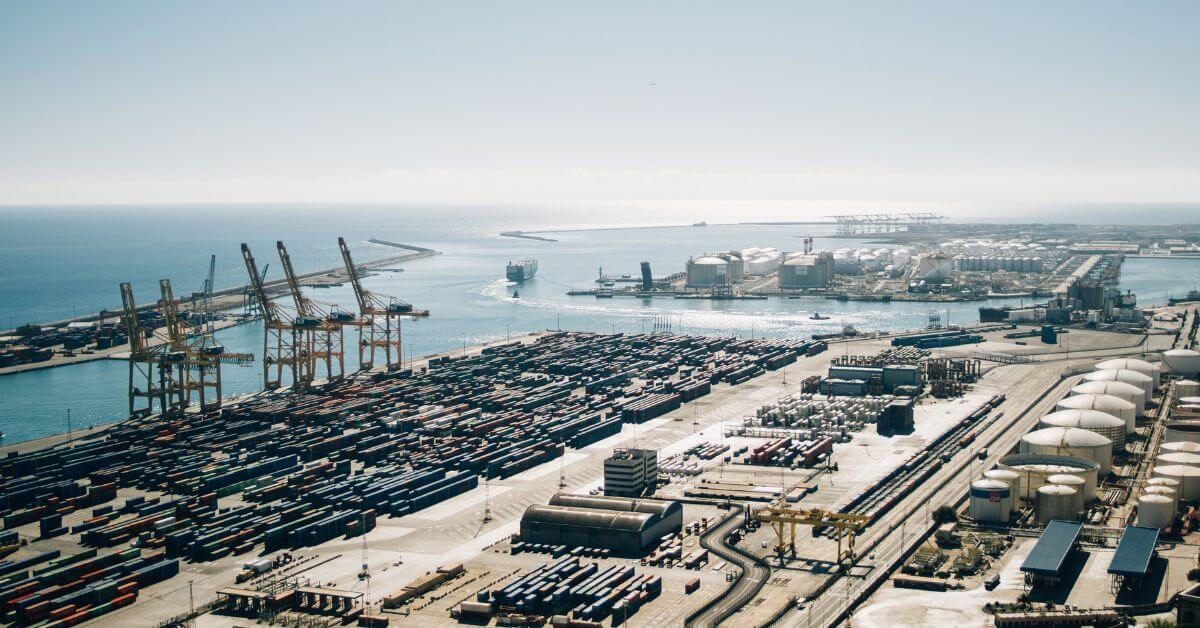
Fishermen Halt Mediterranean Ports Amid Rising Fuel Costs, Geopolitical Tensions
French fishermen blockaded the ports of Nice and Sète, along with an oil depot in Frontignan, on Thursday, September 17, grounding their trawlers in a protest over soaring fuel costs and mounting geopolitical strain. The action is a pointed reminder that maritime economies operate on a knife's edge, where diesel prices and international tensions converge. It is a measured, tactical standstill, not a spectacle.
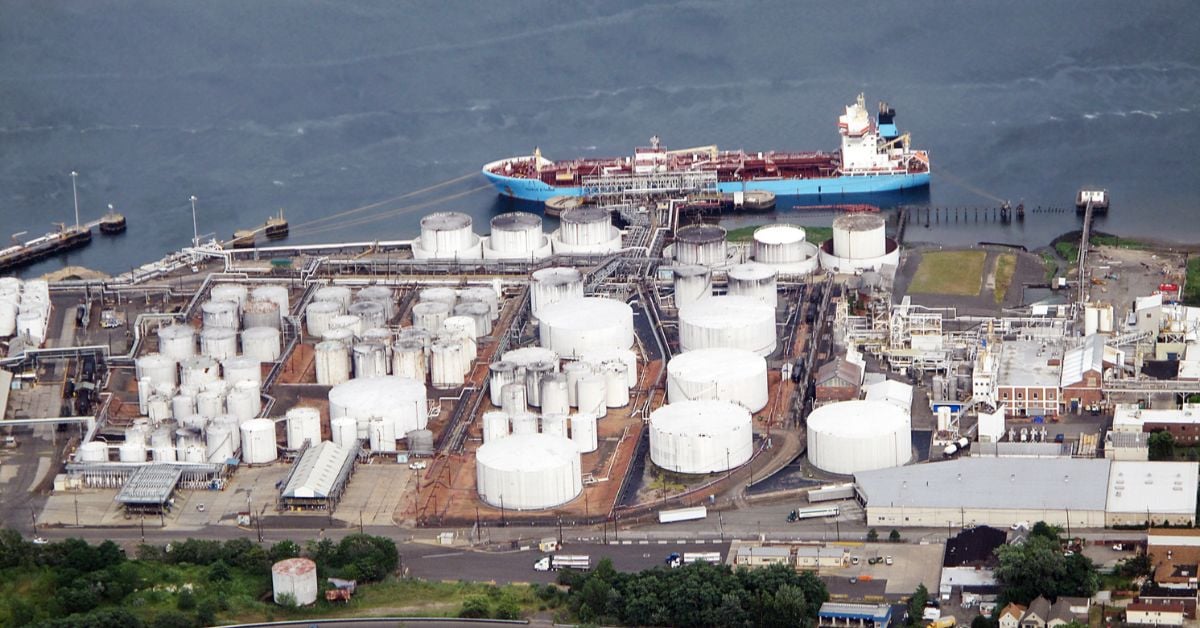
Saudi Arabia Redirects Oil Exports; Global Supply Concerns Ease.
Saudi Arabia's decision to reroute crude through Oman has already trimmed oil prices by 1.2%, a measured market response to reduced supply fears. The move does not erase the Strait of Hormuz's fragility, but it buys time for diplomacy. This is pragmatic recalibration, not panic. For those tracking the mechanics, our related piece on Gulf of Oman STS transfers shows how strained these alternative routes have become. The pressure has not lifted; it has simply shifted.
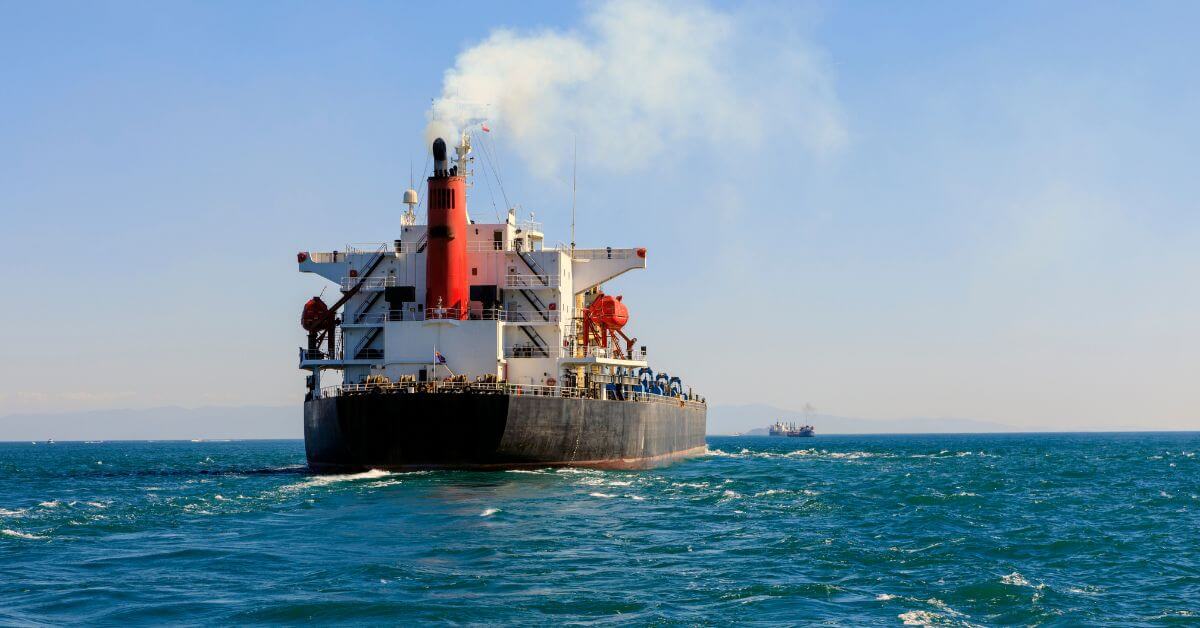
Freight Dispute Impacts Hunter’s Financial Performance, Reporting Significant Shortfalls
A six-month freight dispute has cost Hunter a measurable $19.59 million in just two months, $9.22 million in April and $10.37 million in May. These are not projected losses; they are validated shortfalls that reveal how prolonged commercial conflict directly undermines financial performance. When supply chains seize, the cost to operations becomes empirically clear. For deeper context on regional shipping pressures, see our related coverage of "Gulf of Oman STS Transfers Max Out Amid Rising Saudi Oil Exports."
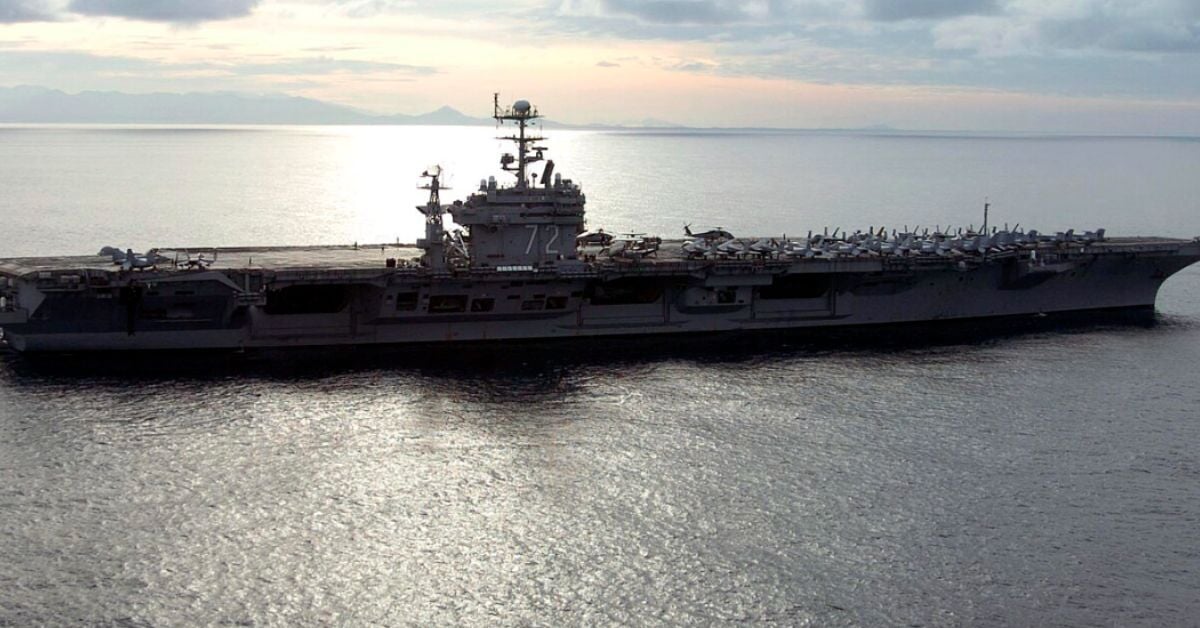
Naval Personnel Incident Under Review Following Overseas Altercation
Two sailors from the USS Abraham Lincoln are under review after an overseas altercation outside a bar, with a citizen calling police to resolve the incident. Discipline in such moments reflects directly on operational readiness, and the Navy's response will be closely watched. Incidents like this underscore why standards matter, especially as the service pushes forward on integration of new capabilities. For broader context on that push, see our coverage of the Navy's new center for autonomous systems integration.

Shipping Costs Surge: Canal Delays and Geopolitical Tensions Impact Trade
The latest auction payment for shipping slots has surged to more than double the seven-day average, a clear signal that canal delays and geopolitical friction are tightening trade routes. This is not a blip; it is a measurable strain on global logistics, and the data confirms what shippers are already feeling. The pressure is real, and it demands attention. For a broader view of regional disruptions, our piece on Gulf of Oman STS transfers maxing out offers useful context.