cargo vessels
8 stories filed under cargo vessels on World Data Ocean. The newest of them: “22 Maritime Fatalities on EU-Registered Vessels Reported in 2025”, “Black Sea Tanker Fire Prompts Investigation After Romanian Drone Reports”, and “Projectiles strike crude and LNG tankers in the Strait of Hormuz”. Twenty-two fatalities on EU-registered vessels in 2025 is a stark, measurable reminder that maritime safety remains an urgent global challenge. A chemical tanker anchored off Romania's coast is now the subject of an investigation after a fire broke out aboard the Yara J, 8-10 nautical miles southeast of the Sulina Canal. A Global Hub for Ocean Intelligence 4 World Data Ocean is a centralized digital platform where researchers, scientists, and ocean enthusiasts converge to… The list below is every cargo vessels story on World Data Ocean, newest first.
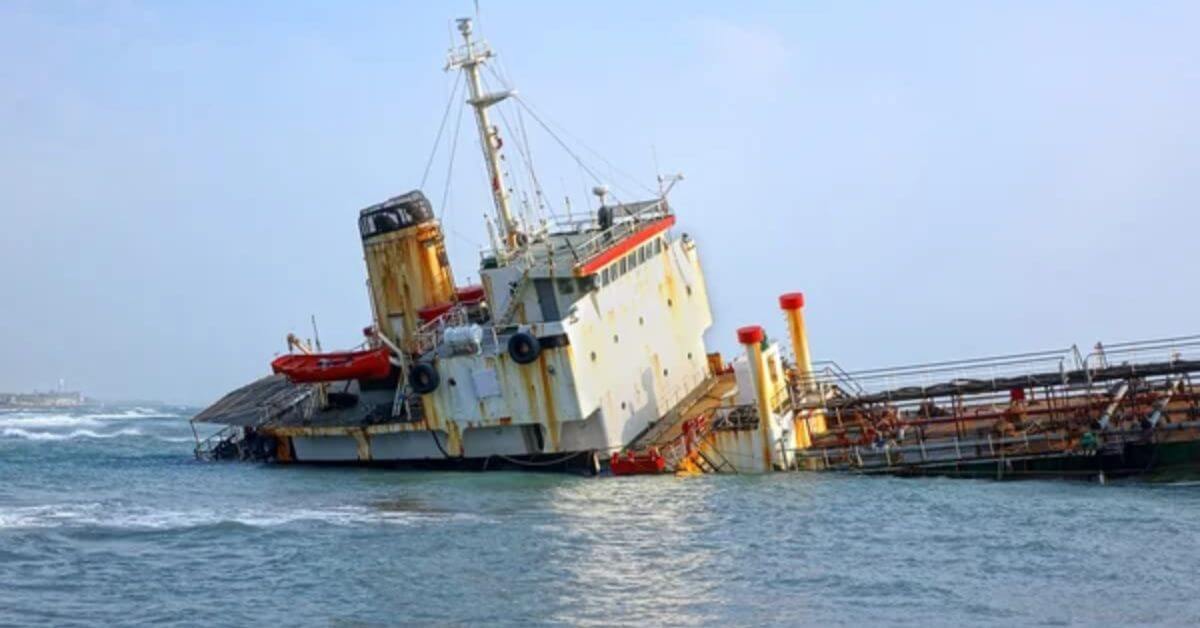
22 Maritime Fatalities on EU-Registered Vessels Reported in 2025
Twenty-two fatalities on EU-registered vessels in 2025 is a stark, measurable reminder that maritime safety remains an urgent global challenge. Each loss is a failure of the systems meant to protect those who work at sea. These are not abstract statistics; they represent seafarers whose lives depend on integrated safety protocols and real-time data. Understanding these incidents drives better protection. For deeper context on crew vulnerability, read our coverage of the Black Sea drone strike that sank a container ship.
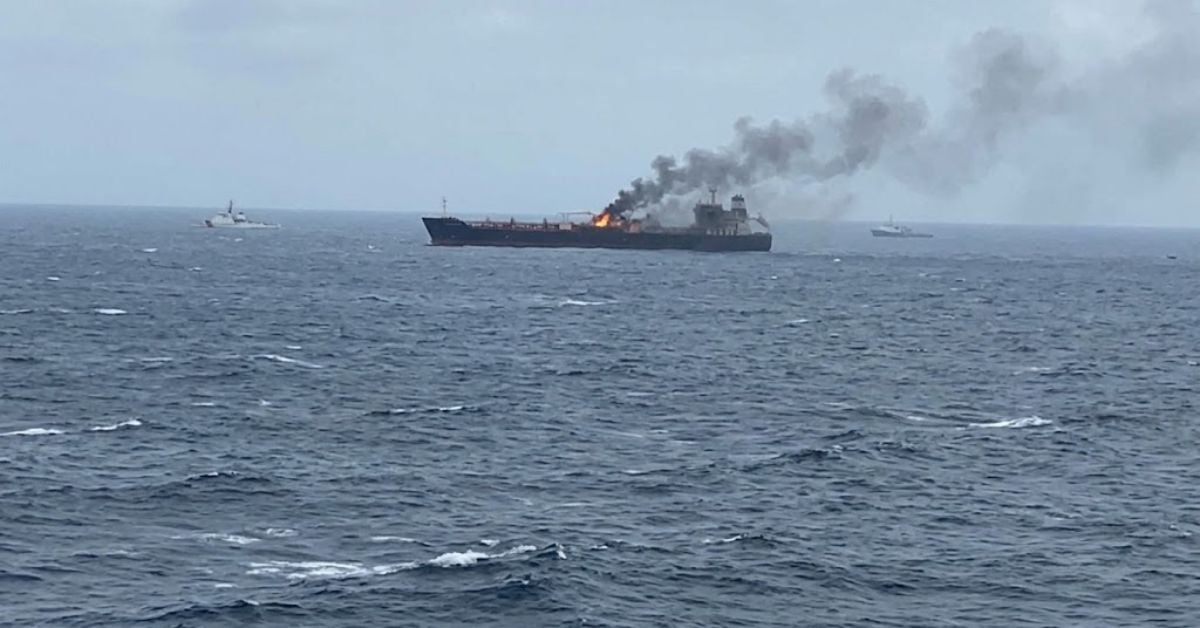
Black Sea Tanker Fire Prompts Investigation After Romanian Drone Reports
A chemical tanker anchored off Romania's coast is now the subject of an investigation after a fire broke out aboard the Yara J, 8-10 nautical miles southeast of the Sulina Canal. The Black Sea remains a theater of compounding threats, where environmental risk from aging vessels meets geopolitical instability. For readers tracking these converging maritime crises, our coverage of the *Three-drone strike sinks Maltese-flagged vessel near Bulgarian coast* documents an equally sobering intersection of commerce and conflict.
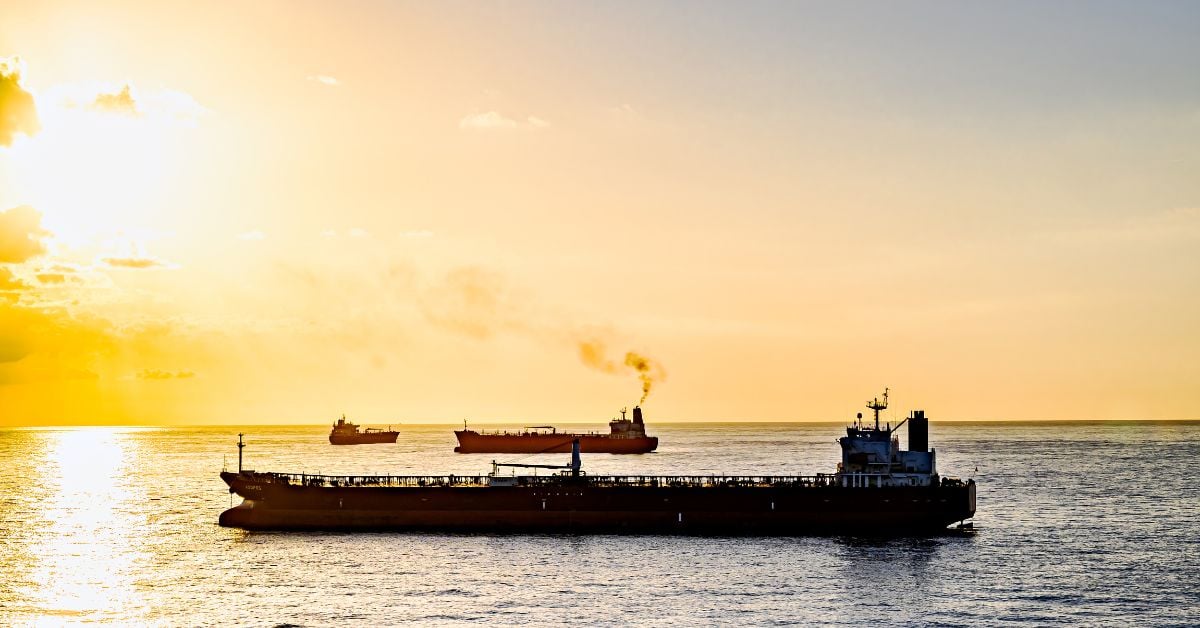
Projectiles strike crude and LNG tankers in the Strait of Hormuz
Three vessels, a crude oil tanker, an LNG tanker, and another ship, were struck by projectiles in the Strait of Hormuz, UKMTO reports. This is not a random escalation. It is a calibrated disruption to one of the world's most measured energy corridors. For those tracking ocean intelligence, the pattern is clear: these strikes test supply chains already under pressure. Our coverage of how Indian refiners are chartering tankers through Hormuz connects directly to this story's implications.
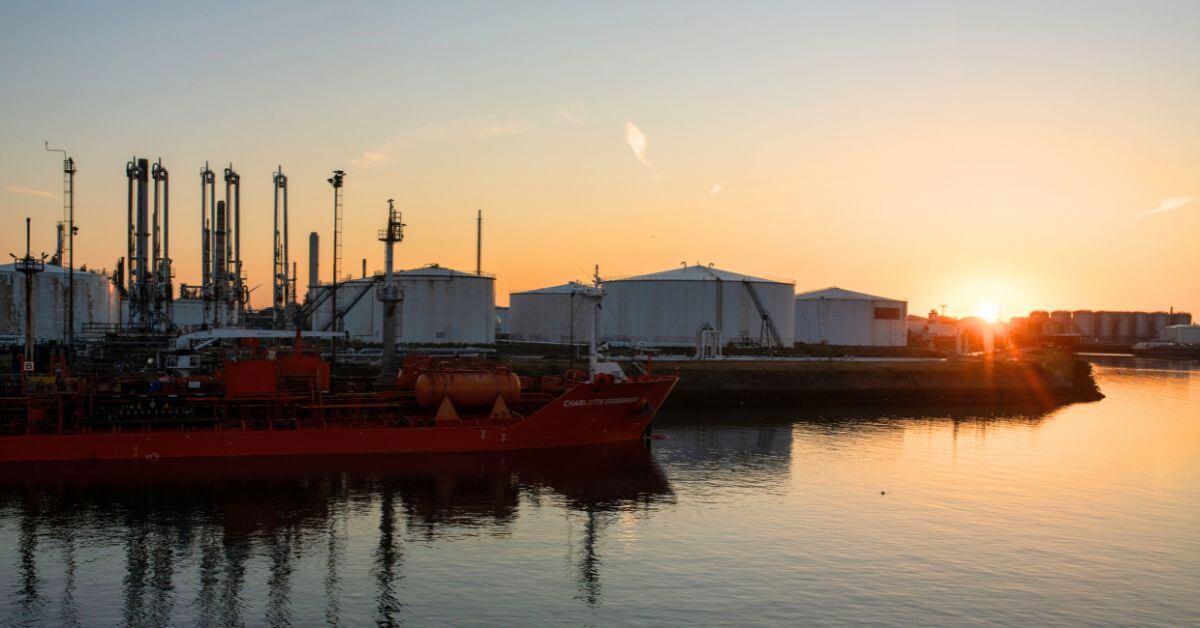
Strikes Target Ports and Vessels in Confirmed Military Action
Russia's Thursday strikes on Ukrainian military facilities, cargo ships, and port infrastructure mark a deliberate escalation in its maritime campaign. The targeting of commercial vessels extends the conflict's reach into global shipping lanes, a move we assess as strategically calculated. Such actions complicate maritime security and demand calibrated responses. For broader context on Russia's maritime strategy, our coverage of the Vostok Project's Arctic oil exports offers a parallel view of how Moscow leverages sea routes amid geopolitical pressure.
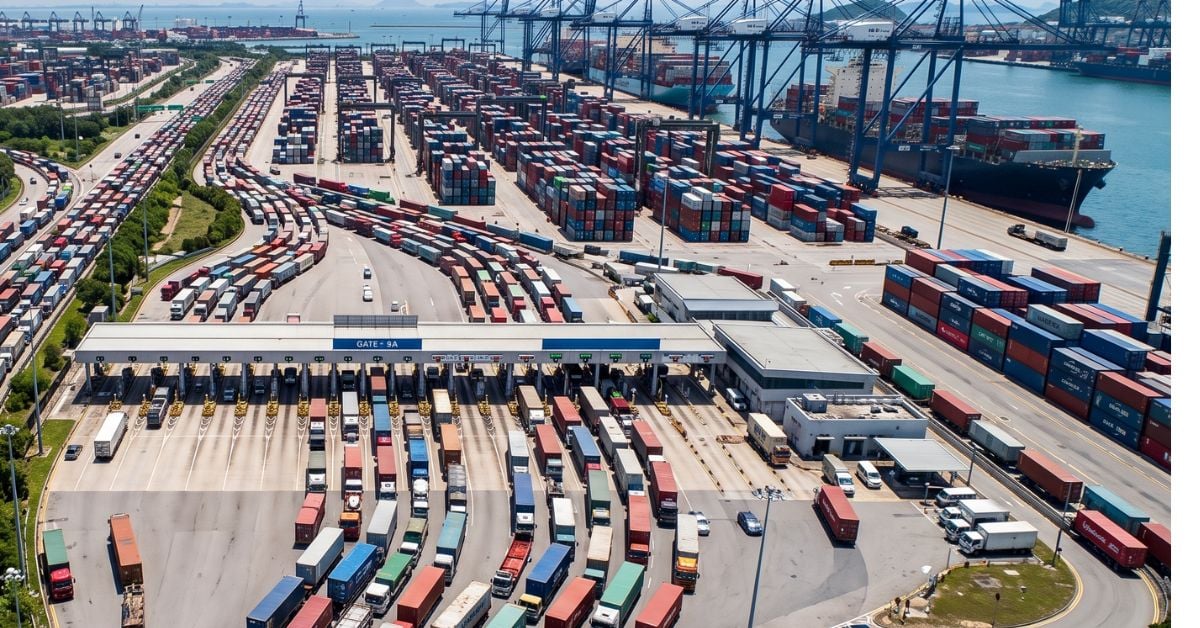
Gate Delays Expose Critical Link in National Trade Flow
A single container gate may appear unremarkable, yet its operational rhythm sets the tempo for national trade flow. When delays accumulate at this critical juncture, the ripple effect on export-import volumes is immediate and measurable. We see this bottleneck as a calibrated indicator of broader supply-chain health. Understanding this link is not optional; it is essential for integrated logistics planning.

Disruption to Ukrainian Exports: Odesa Seaport Damaged by Russian Strike
The port of Odesa, a vital artery for Ukraine's agricultural exports, has been damaged in a Russian strike that also targeted nine other regions. This is not a side note to the conflict; it is a direct assault on global food supply lines. The disruption is measurable, and the impact will be felt far beyond Ukraine's borders. It is a calculated move to weaken a critical economic lifeline, and the consequences demand attention.

Maritime Conflict Impacts Shipping Lanes, Raising Regional Tensions
Russia's Defence Ministry confirmed the two cargo vessels were targeted for their alleged use in Ukrainian military interests. This is a deliberate escalation that compresses the space for safe transit. When state actors weaponise commercial shipping, the calculus for insurers, flag states, and port authorities shifts overnight. We have not seen the full cost yet. For broader context, our related piece, "Russia Calibrates Export Revenue for Northern Sea Route Icebreaker Fleet," shows how Moscow is simultaneously militarising its maritime posture elsewhere. That is not coincidence.

Wind-Powered Innovation: Na Hiro E Pae Sets Sail with eSAIL®
A 22-metre eSAIL® now rises above the deck of Na Hiro E Pae, marking bound4blue's latest step in wind-assisted propulsion. The installation is precise, measurable, and grounded in real-world performance. This is the kind of practical innovation that moves ocean freight forward, not with noise, but with calibrated engineering. For more on how ports and vessels face pressure elsewhere, our coverage of strikes targeting port infrastructure offers a sobering counterpoint to this quieter advance.