strikes
strikes at World Data Ocean is a file of 6 stories. The newest of them: “Strikes Target Ports and Vessels in Confirmed Military Action”, “Dispute Over Chattogram Port Lease Sparks Labor Union Protest.”, and “Escalation in Persian Gulf: U.S. Responds to Iranian Maritime Actions”. Russia's Thursday strikes on Ukrainian military facilities, cargo ships, and port infrastructure mark a deliberate escalation in its maritime campaign. A decision to lease the New Mooring Container Terminal at Chattogram Port has triggered a peaceful protest from labor unions, who are organizing against the government's move. A Global Hub for Ocean Intelligence 4 World Data Ocean is a centralized digital platform where researchers, scientists, and ocean enthusiasts converge to… The list below is every strikes story on World Data Ocean, newest first.
Strikes Target Ports and Vessels in Confirmed Military Action
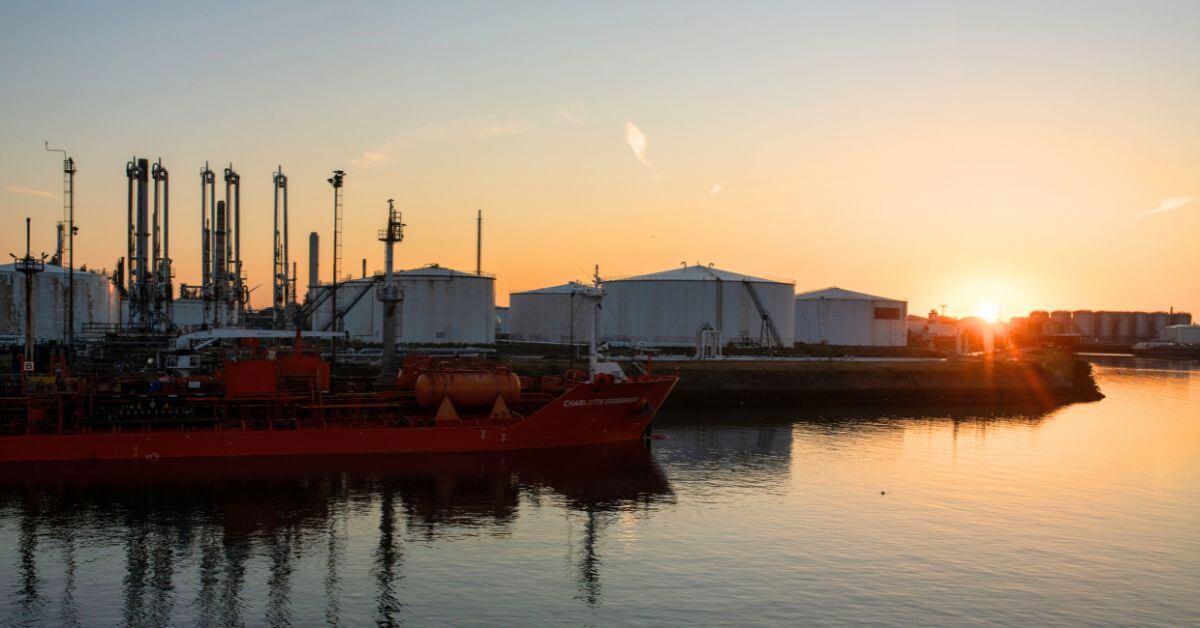
Russia's Thursday strikes on Ukrainian military facilities, cargo ships, and port infrastructure mark a deliberate escalation in its maritime campaign. The targeting of commercial vessels extends the conflict's reach into global shipping lanes, a move we assess as strategically calculated. Such actions complicate maritime security and demand calibrated responses. For broader context on Russia's maritime strategy, our coverage of the Vostok Project's Arctic oil exports offers a parallel view of how Moscow leverages sea routes amid geopolitical pressure.
Dispute Over Chattogram Port Lease Sparks Labor Union Protest.
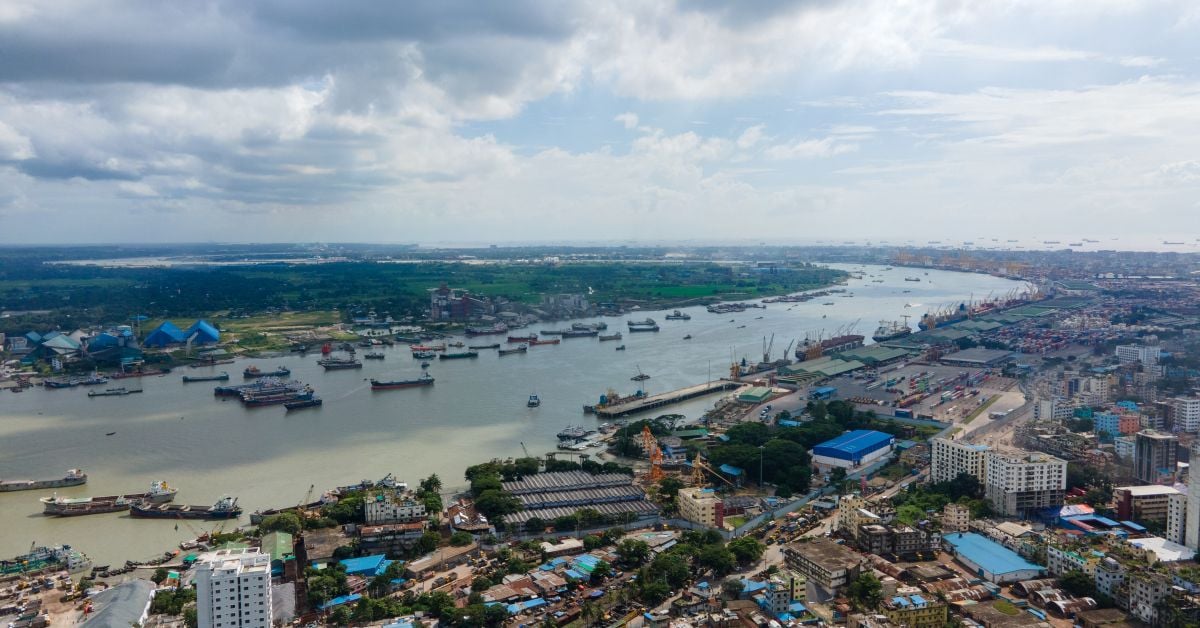
A decision to lease the New Mooring Container Terminal at Chattogram Port has triggered a peaceful protest from labor unions, who are organizing against the government's move. The dispute centers on a facility that anchors Bangladesh's primary maritime gateway, and the pushback signals real friction between operational reform and workforce trust. Labor's concerns deserve attention; port efficiency hinges on more than infrastructure, it depends on the people who run it.
Escalation in Persian Gulf: U.S. Responds to Iranian Maritime Actions
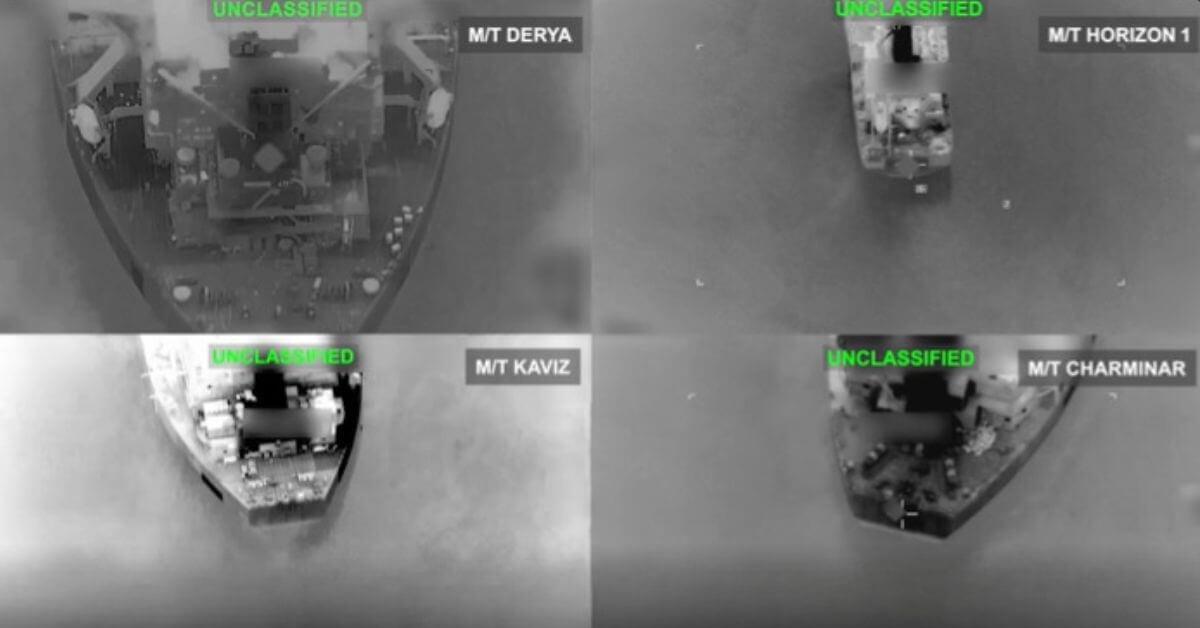
Before the strikes, U.S. forces instructed crews to leave the tankers, a measured step that prioritizes human safety over escalation. CENTCOM confirmed the vessels were left inoperable, signaling a calibrated response to Iranian maritime actions. The Persian Gulf remains a flashpoint where empirical monitoring and integrated intelligence are essential. For deeper context on global naval strategy, our article on India's projected fleet expansion examines how nations are preparing for these contested waters. Understanding drives protection.

Maritime Conflict Impacts Shipping Lanes, Raising Regional Tensions
Russia's Defence Ministry confirmed the two cargo vessels were targeted for their alleged use in Ukrainian military interests. This is a deliberate escalation that compresses the space for safe transit. When state actors weaponise commercial shipping, the calculus for insurers, flag states, and port authorities shifts overnight. We have not seen the full cost yet. For broader context, our related piece, "Russia Calibrates Export Revenue for Northern Sea Route Icebreaker Fleet," shows how Moscow is simultaneously militarising its maritime posture elsewhere. That is not coincidence.

Oman Incident: Explosion Near Tanker Highlights Regional Maritime Risks
An explosion was heard near an oil products tanker approximately 20 nautical miles northeast of Khasab, Oman, at 4:37 am on Monday, underscoring the persistent volatility shadowing regional shipping lanes. The incident, while brief, is a measured reminder that maritime transit here remains exposed to sudden, destabilizing events. Such moments demand calibrated observation, not alarm. For context on how these waters are already straining under pressure, our related piece on Gulf of Oman STS transfers maxing out offers useful perspective.

Escalating Tensions: Iran Targets Seven Commercial Vessels, Civilian Casualties Reported.
The head of U.S. Central Command confirmed that Iran struck seven commercial vessels in the past week, with civilian crew members among the dead. This is not an abstract strategic calculation; it is a direct assault on the people who keep global trade moving. The violence is a stark reminder that maritime security is not a given, but a fragile condition requiring constant defense. For broader context on how nations are responding, our related piece on India's expanded naval fleet offers a timely perspective.