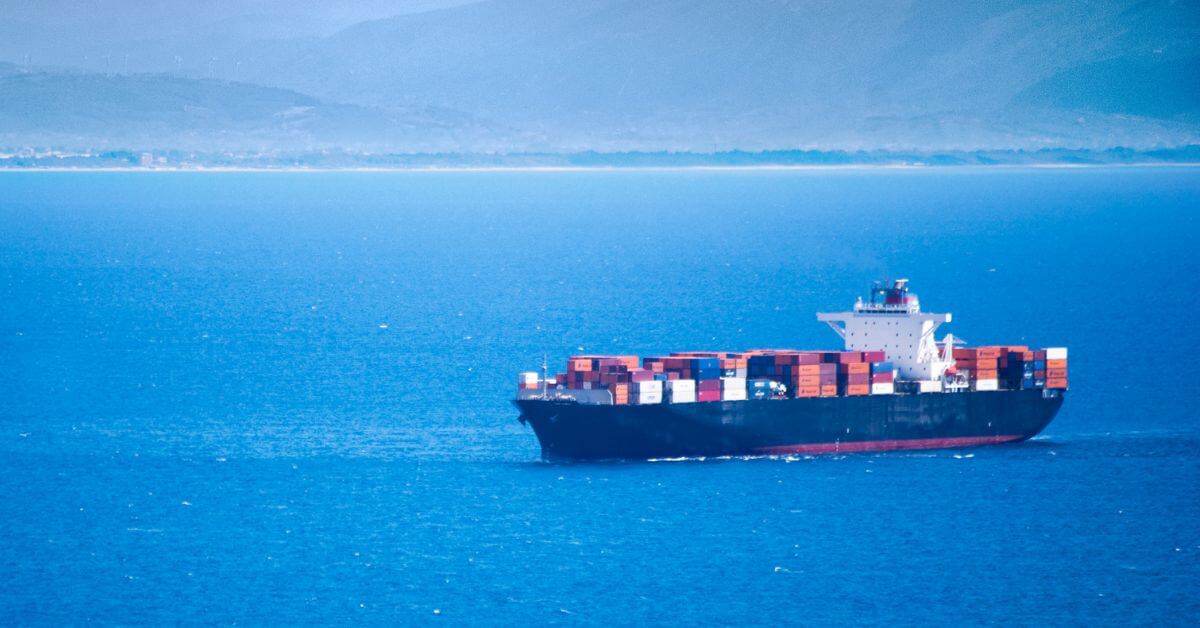
The Strait of Hormuz, a critical artery for global commerce and energy transport, currently presents a complex geopolitical landscape. Recent developments, including specific pronouncements regarding vessel access, underscore the delicate balance of international maritime affairs. While shipping lanes within the strait remain open to general transit, certain categories of vessels are subject to exclusion. This nuanced situation highlights the ongoing geopolitical tensions that can directly impact global supply chains and energy security, necessitating vigilant monitoring and informed analysis.
World Data Ocean’s role in such situations is to provide objective, data-driven insights that clarify the operational realities on the ground. Our approach prioritizes factual reporting, leveraging our integrated data ecosystem to offer a comprehensive understanding of maritime traffic and potential disruptions. The ability to track and analyze vessel movements in real-time, coupled with validated geopolitical intelligence, allows us to offer a perspective that transcends immediate rhetoric. This ensures that stakeholders, from researchers and policymakers to industry professionals, can make decisions based on empirical evidence rather than speculation. Understanding the flow of goods and the factors influencing it is paramount to maintaining stability and fostering informed responses to evolving challenges.
The urgency of ocean stewardship, a core tenet of World Data Ocean, is amplified in critical chokepoints like the Strait of Hormuz. While the immediate focus may be on geopolitical maneuvering, the long-term implications for marine ecosystems and sustainable resource management remain a significant concern. Changes in shipping patterns, even those driven by temporary geopolitical shifts, can have measurable impacts on marine life, pollution levels, and the overall health of the ocean. Our commitment to providing validated, longitudinal data on these interconnected systems empowers a global community to work towards solutions that balance economic imperatives with ecological responsibility. By fostering a shared understanding of these complex dynamics, we contribute to a more resilient and sustainable future for our oceans and the planet.