Iran Threatens To Set Up ‘Exclusion Zone’ Near War-Torn Strait Of Hormuz Following Tanker Attacks
Our take
The recent announcement from Iran regarding the establishment of an exclusion zone near the Strait of Hormuz represents a significant escalation in tensions within a vital maritime chokepoint. This declaration, following a series of tanker attacks in the region, underscores the fragility of global trade routes and the potential for miscalculation to trigger broader conflict. The Strait, through which approximately 30% of the world’s seaborne oil passes, is already a flashpoint, and Iran's move further complicates an already precarious situation. The implications extend beyond immediate security concerns, impacting global energy markets and maritime law. The increasing reliance on satellite communications for naval operations, as highlighted in Indian Navy Seeks Indigenous SATCOM Terminals To Improve Connectivity Between Warships, demonstrates the interconnectedness of modern maritime power projection and the potential vulnerabilities introduced by disruptions to communication infrastructure within such contested zones. Similarly, the ongoing scrutiny of shipping activities, exemplified by COSCO Denies U.S. Allegations That Its Ships Used Concealed Equipment To Spy For Beijing, highlights the heightened security awareness and investigative efforts surrounding maritime traffic, adding another layer of complexity to this scenario.
The concept of an exclusion zone itself raises several legal and operational questions. International maritime law generally allows for temporary safety zones to address specific threats, but the scope and enforcement mechanisms proposed by Iran remain unclear. A unilaterally declared exclusion zone, particularly one that restricts the passage of commercial vessels, could be viewed as a violation of freedom of navigation principles. The efficacy of such a zone also depends on Iran's ability to effectively monitor and enforce it, a challenge given the vastness of the area and the potential for asymmetric responses. Consider, too, the efforts underway to improve seafarer safety in high-risk regions, as detailed in India Launches New System To Monitor Seafarers In High-Risk Maritime Regions; any disruption to transit through the Strait would undoubtedly exacerbate risks for those at sea. The potential for escalation is further amplified by the involvement of other regional and global powers, each with their own strategic interests and security concerns related to the Strait of Hormuz.
The broader significance of this development lies in its potential to reshape the geopolitical landscape of the Middle East. Iran's actions are likely a response to perceived threats and a demonstration of its resolve to assert control over its maritime domain. However, they also risk triggering a cycle of escalation, potentially drawing in other actors and leading to a more destabilized region. The implications for global energy security are substantial, as any disruption to oil flows through the Strait could have a significant impact on prices and supply chains. The situation necessitates a careful and calibrated response from the international community, prioritizing de-escalation and diplomatic solutions while ensuring the freedom of navigation and the safety of maritime traffic. A reliance on empirical data and calibrated risk assessments, leveraging integrated data ecosystems, will be crucial for informed decision-making in this volatile environment.
Looking ahead, the key question is whether Iran will be able to enforce its exclusion zone without provoking a wider conflict. The response from the United States and its allies will be critical in shaping the trajectory of events. The ongoing development of maritime surveillance technologies and the increasing integration of climate indicators into maritime risk assessments will play an increasingly important role in monitoring the situation and predicting potential flashpoints. Furthermore, the long-term implications of this event for the rules-based international order and the future of maritime security deserve careful consideration; how will nations balance sovereignty with the need for open and secure waterways in an era of increasing geopolitical competition and climate-driven instability?
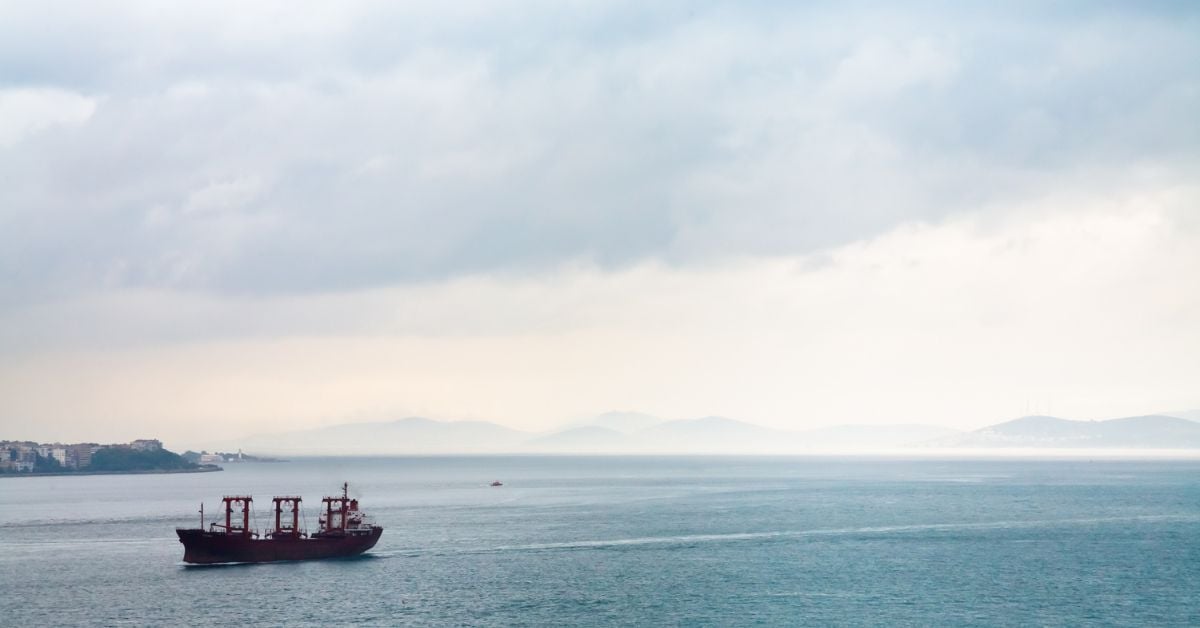
Iran has decided to form an exclusion zone around the Strait of Hormuz to prevent ships from crossing the strategic waterway without its permission.
The aim is to counter the U.S naval blockade on Iranian Ports and, in turn, build international pressure on Washington, which is preventing Iran from using the Strait to export its oil, using 20 of its naval warships and hundreds of personnel.
Those ships which try to sail past the blockade could be attacked by Iranian patrol vessels of the IRGC and would also be put on the sanctions list of Iran.
The boundaries of the exclusion zone would be announced in the coming weeks, according to Mohsen Rezai, the new Head of the Supreme National Security Council.
The development comes after the U.S hit 3 oil tankers of Iran and disabled a couple in the past few weeks.
The zone would stretch from the point where the U.S Navy has begun its blockade and continue to the Arabian Gulf, covering the entire Strait of Hormuz. However, it remains unclear where exactly the starting and ending points are, which will be revealed in a few days.
According to the U.S, its forces have redirected almost 92 vessels and disabled 3 since the reimposition of the blockade to pressure Iran to negotiate and end the war that began in February following U.S and Israeli strikes on the Islamic Republic.
Washington is trying to pressurise Tehran, which has also increased attacks on international shipping in the strategic waterway.
Iran has recently claimed to have struck an unmanned U.S ship entering Hormuz, with the U.S. calling it a total lie. Attacks resumed from both sides last week along the southern shores of Iran, and 5 people died.
U.S bombs even fell on a wedding, which reminded people of U.S strikes over an Iranian school which killed children.
Rezai spoke of the failed talks with the U.S., saying that Iran had hoped that the mediators in the conflict, including Pakistan, Qatar and Oman, would call out the party which breaks the terms of the initial memorandum of understanding first; however, since things have played out, Tehran now accepts diplomacy only when it comes with a guarantee.
The Energy Secretary of the U.S, Chris Wright, said that Hormuz is not completely under Iranian control, as 9 million barrels of crude are crossing the waterway into global markets every day. He said that it is almost two-thirds of the volume handled before the advent of the war.
He underlined that this oil flow is possible only because of U.S Naval escorts, which offer protection against Iranian attacks on commercial vessels, especially tankers carrying oil and petroleum products. He urged the navies of allies and friends to support this effort for the benefit of all.
Read on the original site
Open the publisher's page for the full experience