Pakistan
11 stories filed under Pakistan on World Data Ocean. The newest of them: “Mediterranean tragedy claims two lives as migrant vessel sinks off Tunisia”, “Negotiations Clear Strait of Hormuz for LNG Delivery to Pakistan”, and “Qatar LNG Transits Strait of Hormuz, Marking a Shift in Flows”. Two bodies recovered. A Qatar-loaded LNG tanker has cleared the Strait of Hormuz and is now bound for Pakistan, following a negotiated arrangement with Iran. A Global Hub for Ocean Intelligence 4 World Data Ocean is a centralized digital platform where researchers, scientists, and ocean enthusiasts converge to… The list below is every Pakistan story on World Data Ocean, newest first.
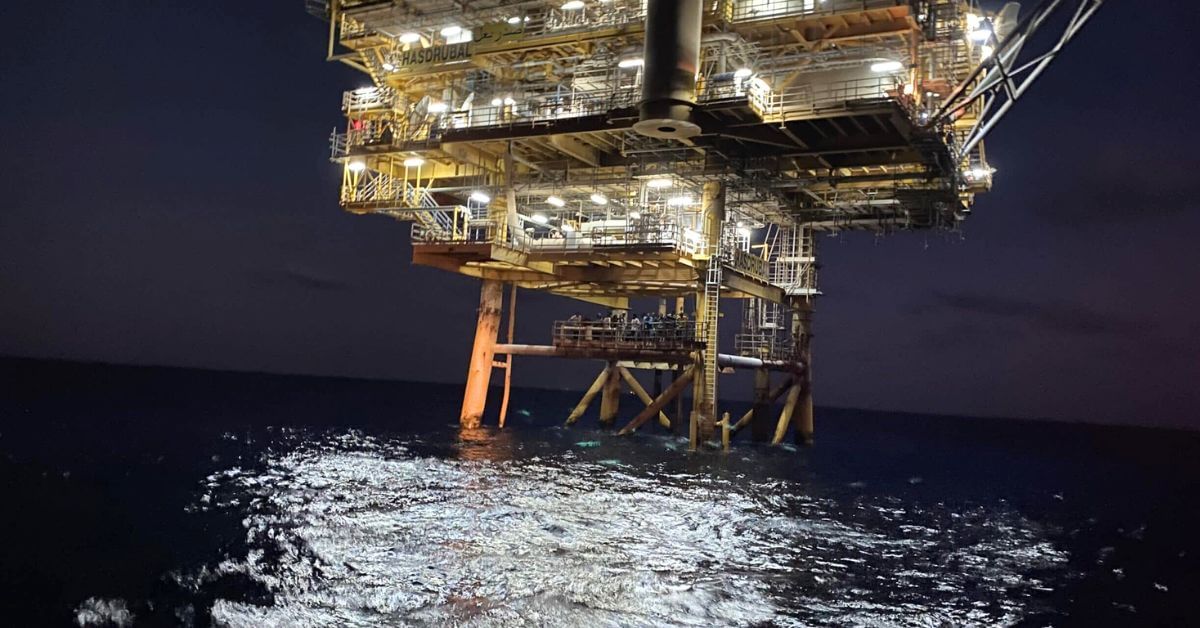
Mediterranean tragedy claims two lives as migrant vessel sinks off Tunisia
Two bodies recovered. Twenty-eight rescued. A migrant vessel has sunk off Tunisia, and the Mediterranean has claimed two more lives. Sea-Watch pulled survivors from the water, but the tragedy underscores a grim, repeating pattern: migration routes remain lethal, and the sea keeps no secrets. We track these losses because data without action is just noise. For deeper context on maritime disasters, see our coverage of the *June Aster* ferry fire, another preventable catastrophe demanding accountability.
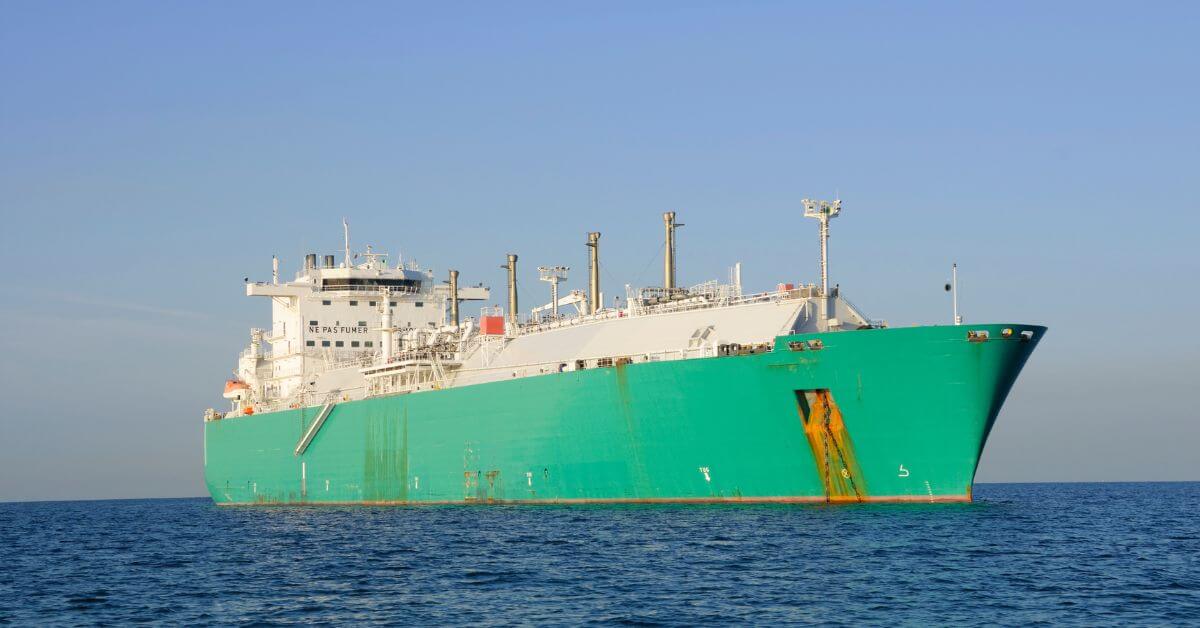
Negotiations Clear Strait of Hormuz for LNG Delivery to Pakistan
A Qatar-loaded LNG tanker has cleared the Strait of Hormuz and is now bound for Pakistan, following a negotiated arrangement with Iran. The delivery signals progress in a waterway where diplomatic friction has repeatedly threatened energy flows. For Pakistan, the cargo is more than a shipment; it is a test of whether phased talks can translate into reliable supply.
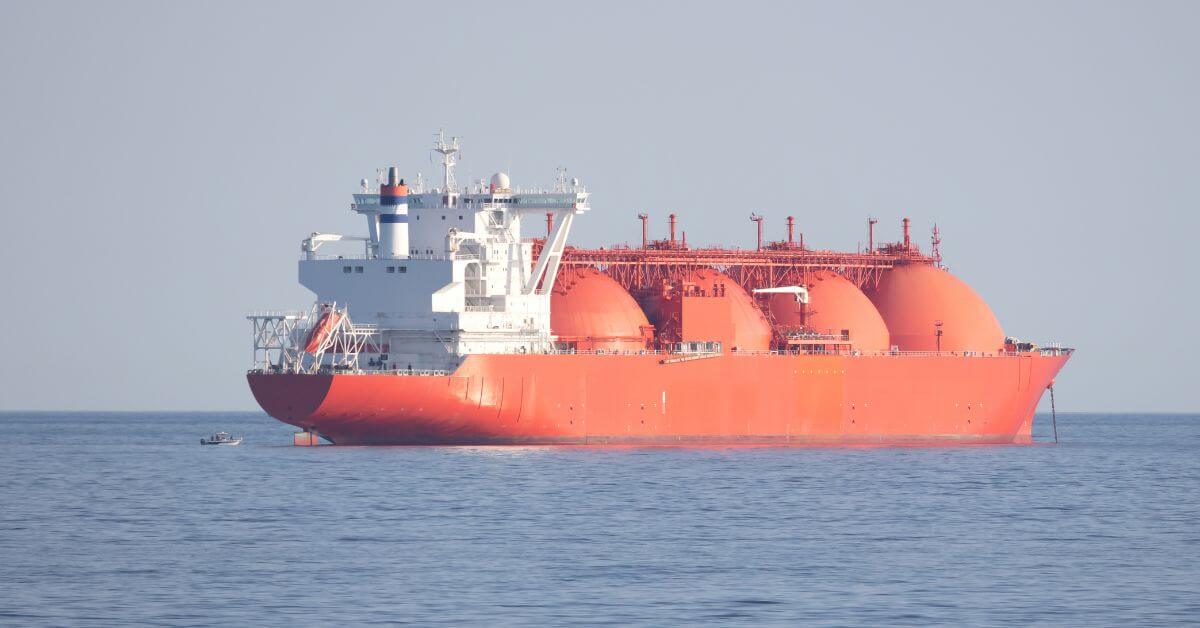
Qatar LNG Transits Strait of Hormuz, Marking a Shift in Flows
The Al Marrouna, a Qatari LNG carrier now transiting the Strait of Hormuz, signals a tangible recalibration of global energy flows. This is not just a vessel movement, it is a measured, empirical data point in a volatile corridor. We track these shifts because ocean intelligence demands precision, not alarm. For deeper context on regional capacity, see our analysis on Gulf of Oman STS transfers maxing out amid rising Saudi exports. Understanding drives protection.

Iran Plans Exclusion Zone in Strategic Strait of Hormuz.
Iran's decision to establish an exclusion zone around the Strait of Hormuz signals a deliberate move to control one of the world's most vital maritime passages. Requiring permission to transit is not a technicality; it is a statement of leverage. The move carries measurable implications for global shipping and energy routes, and it demands calibrated attention from the international community.
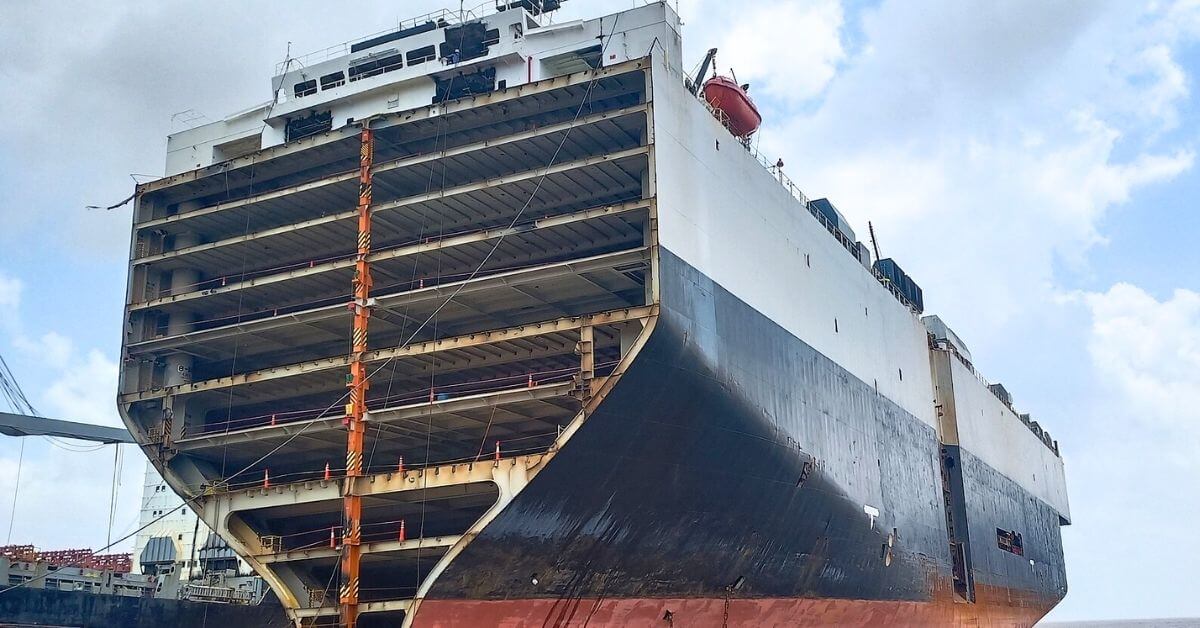
EU Ship Scrapping Trends: Outsourcing to South Asia Raises Concerns
The vast majority of EU-owned and EU-flagged ships are sent to be scrapped in India, Pakistan, and Bangladesh, where working conditions are often poor. This outsourcing raises serious concerns about accountability. We cannot claim progress in ocean stewardship while our vessels meet their end in ways that undermine that very principle. Understanding drives protection, and this trend demands scrutiny. For broader context on how maritime infrastructure is evolving, our related coverage on the integrated subsea cables enhancing Indian Ocean connectivity offers a useful counterpoint.

Geopolitical Tensions Ease: US and Iran Dialogue Advances in Strait of Hormuz
The Strait of Hormuz remains a flashpoint, yet Tuesday's talks in Tehran signal a measured step toward de-escalation. Iranian Foreign Minister Abbas Araqchi's meeting with Pakistan's Interior Minister Mohsin Naqvi underscores that dialogue, however tentative, is advancing. We view this as a pragmatic move; the region's stability depends on such channels. For context on how pressure is building elsewhere, our piece on Gulf of Oman STS Transfers Max Out Amid Rising Saudi Oil Exports highlights the logistical strains already reshaping tanker traffic.

Misdeclared Origins: India Intercepts Pakistan-Origin Dates at Kandla Port
Misdeclared Origins: India Intercepts Pakistan-Origin Dates at Kandla Port A shipment of dates, falsely declared as originating elsewhere, has been intercepted at Kandla Port. The importers suppressed the true country of origin to bypass India's restrictions on Pakistan-origin goods. This is not a minor paperwork error; it is a deliberate attempt to circumvent trade policy. Enforcement actions like this reinforce the importance of calibrated oversight in maritime trade.

QatarEnergy LNG Transit Signals Shift in Regional Trade Dynamics
The Al Areesh's passage through the Strait of Hormuz on July 29, following its July 4-6 loading at Ras Laffan, signals a measured recalibration of regional trade flows. This is not alarm, but observation: energy routes are shifting, and QatarEnergy LNG sits at the center of that realignment. The vessel's transit carries weight precisely because it is routine. For deeper context on how nearby waters are straining under increased traffic, our related coverage on Gulf of Oman STS transfers maxing out offers a useful parallel.

Pakistan's Coast: Balancing Livelihoods, Biodiversity, and Sustainable Ocean Management
Pakistan's 1,046 km Arabian Sea coastline sustains over 1.5 million livelihoods, yet it now bears the weight of untreated sewage, industrial waste, and accelerating coastal erosion. This study's composite SDG 14 score of 4 out of 20 underscores a stark reality: legal commitments remain unmet, even as binding obligations under UNCLOS and MARPOL hold firm. The proposed National Marine Protection Act offers a calibrated path forward, one grounded in evidence rather than alarm.
China, Pakistan, and CPEC: A Comparative Look at Plastic Pollution Laws
China and Pakistan both face the escalating threat of marine plastic pollution, yet their legal landscapes diverge sharply. China's revised Marine Environmental Protection Law, effective January 2024, offers a centralized, full-chain framework with strong enforcement tools. Pakistan's PEPA 1997, while foundational, struggles with fragmented provincial authority and uneven implementation. The proposed CPEC cooperation mechanism is a pragmatic step, though it must reconcile these constitutional asymmetries. For deeper context on regional maritime pressures, our coverage of Gulf of Oman STS transfers highlights similar transboundary challenges.

U.S. Assertions in Hormuz Strait Escalate Tensions Amid Ongoing Conflict.
For the third consecutive night, U.S. forces struck Iranian targets, even as President Trump insisted a deal remains possible if Tehran cooperates. The dual track is not a contradiction; it is pressure and an open door, measured in calibrated increments. Escalation, however, tends to develop its own momentum. As this cycle continues, the risks to regional shipping are compounding.