international shipping
10 stories filed under international shipping on World Data Ocean. The newest of them: “Yemeni Forces Consolidate Position Along Strategic Bab el-Mandeb Strait”, “New Seaborne Trade Data Charts Global Economic Currents”, and “Second US underwater drone reported seized in Strait of Hormuz”. Yemeni government forces now hold the Bab el-Mandeb Strait, a choke point for roughly 10 percent of global seaborne oil. New seaborne trade statistics from UNCTAD now chart global economic currents with empirical precision, offering a measurable view of how goods move across the world's oceans. A Global Hub for Ocean Intelligence 4 World Data Ocean is a centralized digital platform where researchers, scientists, and ocean enthusiasts converge to… The list below is every international shipping story on World Data Ocean, newest first.
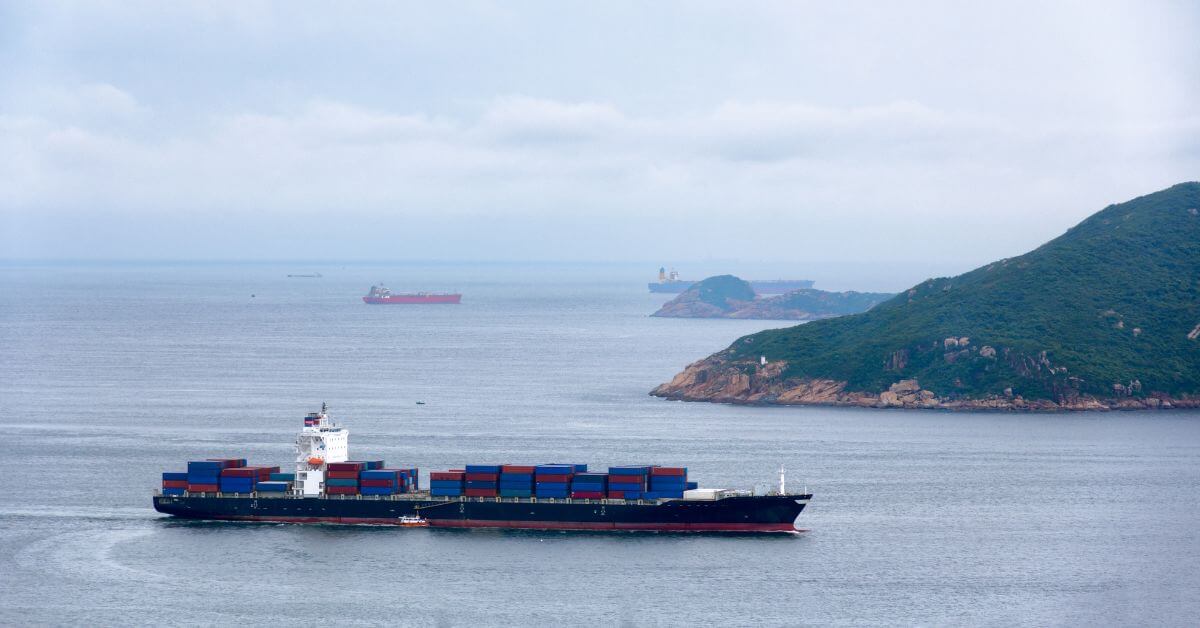
Yemeni Forces Consolidate Position Along Strategic Bab el-Mandeb Strait
Yemeni government forces now hold the Bab el-Mandeb Strait, a choke point for roughly 10 percent of global seaborne oil. This consolidation along the Red Sea coast is a measured, strategic gain, not a call for alarm. Control of this waterway carries real implications for energy security and regional stability. For calibrated context on similar maritime shifts, our coverage of Iraq moving 2 million barrels beyond the Strait of Hormuz offers a parallel read. Understanding these positions is essential, not sensational.
New Seaborne Trade Data Charts Global Economic Currents
New seaborne trade statistics from UNCTAD now chart global economic currents with empirical precision, offering a measurable view of how goods move across the world's oceans. This data matters. Validated shipping flows reveal not just commerce but climate indicators, the pulse of a system under pressure. For deeper context on what this boom means for ocean resilience, see our related coverage on measuring the longevity of a booming ocean economy through integrated climate indicators. Understanding drives protection.

Second US underwater drone reported seized in Strait of Hormuz
Iran's Islamic Revolutionary Guard Corps Navy claims to have seized a second US military underwater drone in the Strait of Hormuz. This is a measurable escalation in a waterway where tensions are already calibrated to the breaking point. Validated reporting on these incidents is essential, not alarmist speculation. For broader context on maritime pressures in this region, readers may explore our related coverage of Gulf of Oman STS transfers. Understanding these events demands empirical clarity, not reaction.
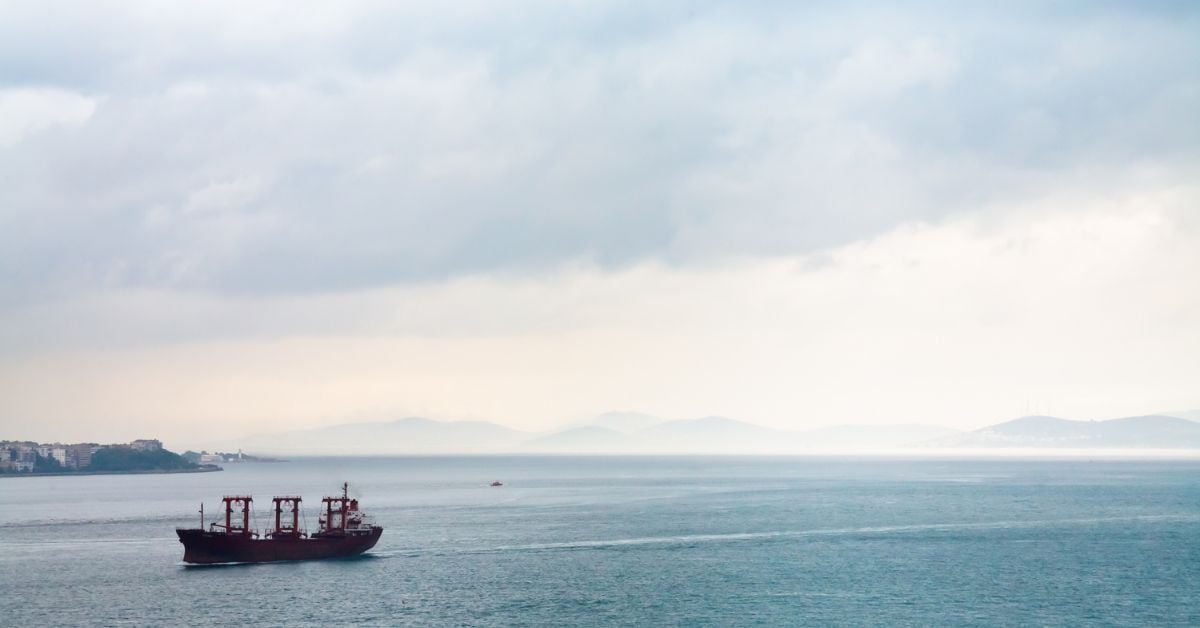
Iran Plans Exclusion Zone in Strategic Strait of Hormuz.
Iran's decision to establish an exclusion zone around the Strait of Hormuz signals a deliberate move to control one of the world's most vital maritime passages. Requiring permission to transit is not a technicality; it is a statement of leverage. The move carries measurable implications for global shipping and energy routes, and it demands calibrated attention from the international community.
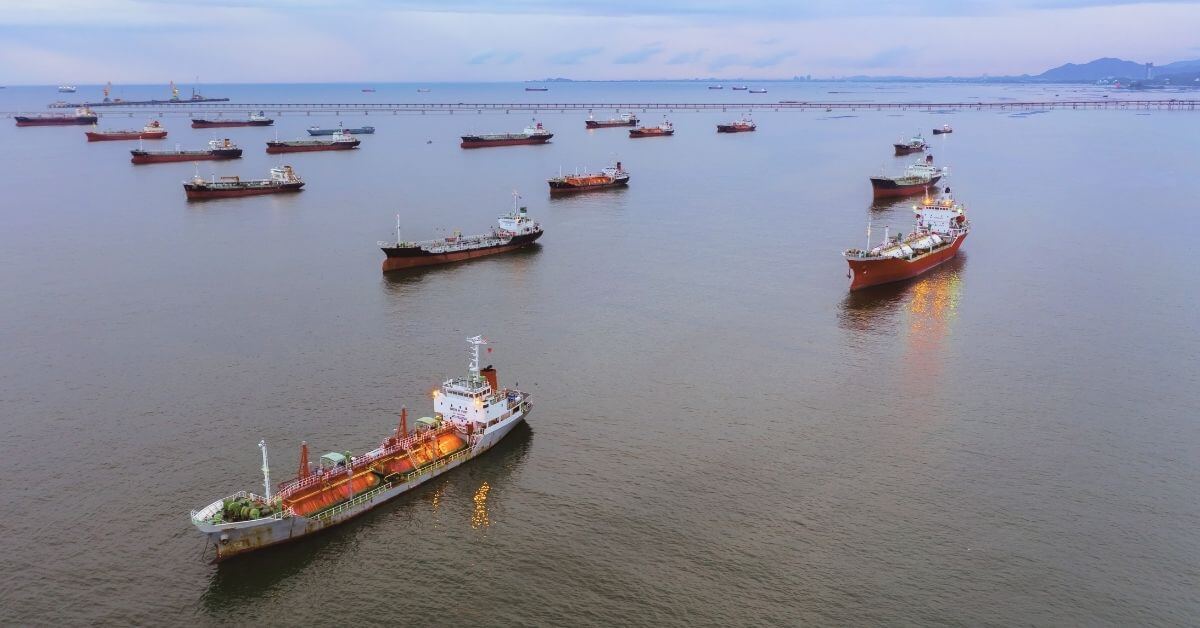
Strait of Hormuz Impasse: Uncertainty Impacts Thousands of Seafarers.
Since late February, the Strait of Hormuz has become a holding pattern for thousands of seafarers. The impasse leaves crews in limbo, their movements frozen by geopolitical friction that shows no sign of easing. It is a precarious position for the people who keep global energy moving. For context on how regional dynamics are straining maritime operations, our coverage of the Gulf of Oman STS transfers offers a related look at the pressure points.

Aligning Regional and Global Pathways for Shipping Decarbonization
Two regulatory clocks are ticking in shipping's decarbonization, and they are not synchronized. Since 2024, the EU Maritime ETS has imposed phased compliance on vessels calling at European ports, while the IMO Net-Zero Framework, approved in April 2025, still awaits implementation. That gap creates real friction. The identification of normative, cost, and procedural overlaps is sharp and necessary.

Chinese Naval Fleet Deploys for Enhanced Maritime Security in Key Waters
The Chinese Naval Fleet's deployment, featuring the guided-missile destroyer Kunming, frigate Yueyang, and supply ship Luomahu, is a calibrated move toward enhanced maritime security in key waters. This is not about posturing; it is about maintaining measurable readiness where sea lanes demand vigilance. The integration of surface and support vessels reflects a practical approach to stability. For context on regional pressures, our recent coverage of the Gulf of Oman STS Transfers Max Out highlights how maritime chokepoints are already straining. Understanding these dynamics drives protection.
China’s Role in Global Shipping Decarbonization: An IMO Analysis
The IMO's Net-Zero Framework marks a decisive step in aligning global shipping with the Paris Agreement, and China's role is pivotal. Beijing has championed the principle of common but differentiated responsibilities, shaping the NZF's pricing mechanisms while advancing its own 'dual carbon' targets through integrated regulatory approaches. The challenge lies in balancing domestic decarbonization with international obligations, yet the opportunities for leadership are clear. China's trajectory here will not only define its shipping governance but also set a precedent for collaborative climate action.

Sailor Lost at Sea After Vessel Struck in Strait of Hormuz.
The Strait of Hormuz became the site of a critical incident at 3:30 a.m. IST, when a vessel carrying 24 crew members, including 11 Indians, was struck. A sailor is now lost at sea, and the search underscores the human cost embedded in complex maritime routes. This is not abstract data; it is a life disrupted. We monitor these waters closely, and our recent coverage of Gulf of Oman STS transfers highlights the region's escalating pressures. Our thoughts are with the crew and their families.

Maritime Security Imperative: IMO Condemns Attacks on Shipping Lanes
The IMO's condemnation of attacks on shipping lanes is a measured, necessary response to a crisis that threatens the very framework of global trade. The Secretary-General's call for an end to unwarranted strikes is not just diplomatic language; it is a demand for the rules that keep our integrated data ecosystem moving to hold firm. Geopolitical friction cannot be allowed to destabilize the maritime routes we all depend on.