Tehran
World Data Ocean keeps Tehran in one place: 25 stories so far. The section currently leads with “Projectiles Strike Two Tankers Near Strait of Hormuz, UKMTO Reports”, “Projectiles strike crude and LNG tankers in the Strait of Hormuz”, and “Strait of Hormuz Reopening Contingent on U.S. Actions, Iran States”. Projectiles striking two tankers near the Strait of Hormuz, as reported by UKMTO, underscore the persistent volatility in this critical maritime corridor. Three vessels, a crude oil tanker, an LNG tanker, and another ship, were struck by projectiles in the Strait of Hormuz, UKMTO reports. A Global Hub for Ocean Intelligence 4 World Data Ocean is a centralized digital platform where researchers, scientists, and ocean enthusiasts converge to… The list below is every Tehran story on World Data Ocean, newest first.
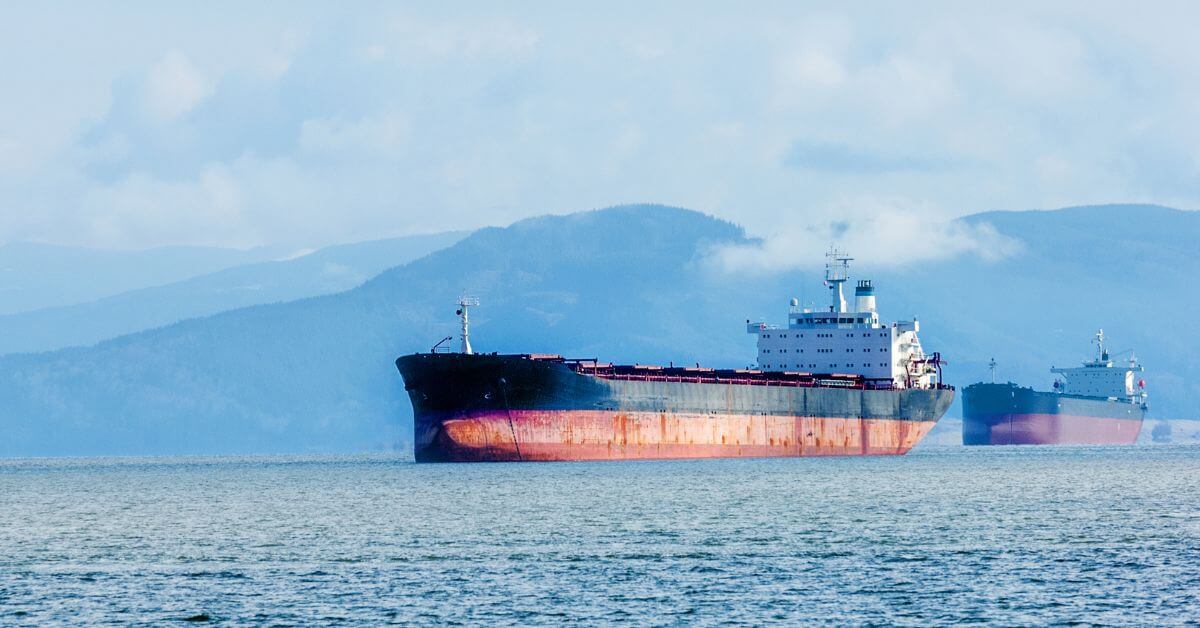
Projectiles Strike Two Tankers Near Strait of Hormuz, UKMTO Reports
Projectiles striking two tankers near the Strait of Hormuz, as reported by UKMTO, underscore the persistent volatility in this critical maritime corridor. Such direct threats to commercial vessels demand rigorous, real-time monitoring and collaborative security frameworks. The incident follows a similar disruption at Yanbu Port, where an unidentified projectile ignited a fire, highlighting a troubling pattern. Understanding these empirical threats is the first step toward developing calibrated responses that protect global shipping and ocean intelligence.
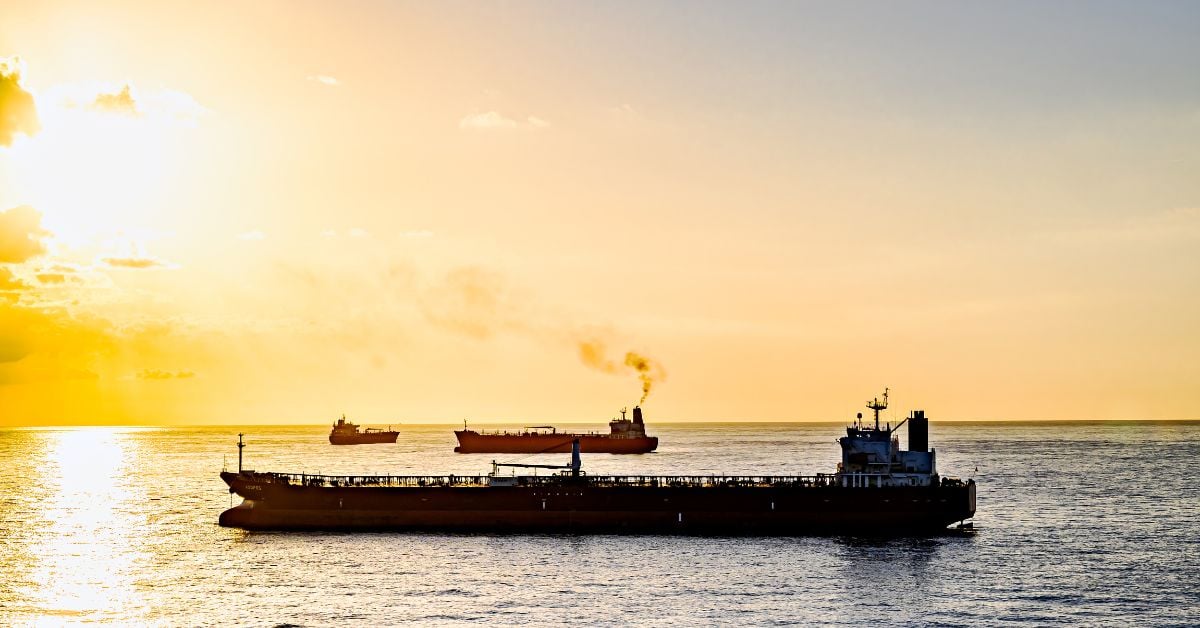
Projectiles strike crude and LNG tankers in the Strait of Hormuz
Three vessels, a crude oil tanker, an LNG tanker, and another ship, were struck by projectiles in the Strait of Hormuz, UKMTO reports. This is not a random escalation. It is a calibrated disruption to one of the world's most measured energy corridors. For those tracking ocean intelligence, the pattern is clear: these strikes test supply chains already under pressure. Our coverage of how Indian refiners are chartering tankers through Hormuz connects directly to this story's implications.
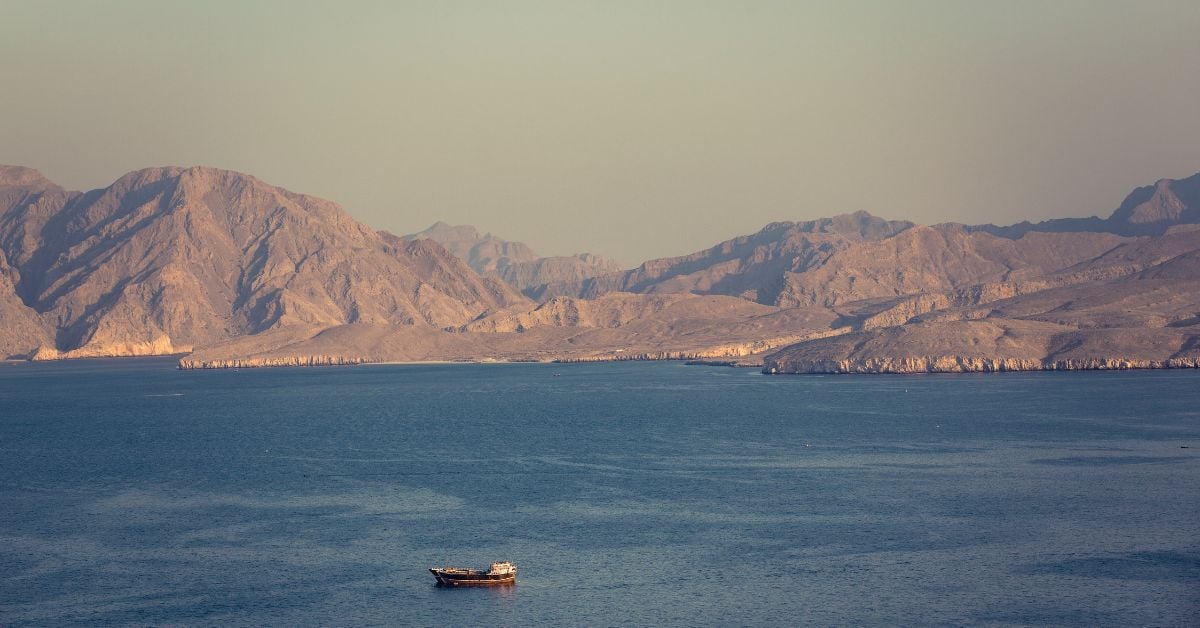
Strait of Hormuz Reopening Contingent on U.S. Actions, Iran States
Iran has linked the Strait of Hormuz's reopening to a single condition: the U.S. must lift its naval blockade of Iranian ports and end sanctions on Tehran. The announcement, which sets a one-week timeline, is a direct test of diplomatic intent. It is a high-stakes calculation, but not an unreasonable one. For context, our related coverage on Gulf of Oman STS transfers shows how regional oil flows are already straining at their limits.
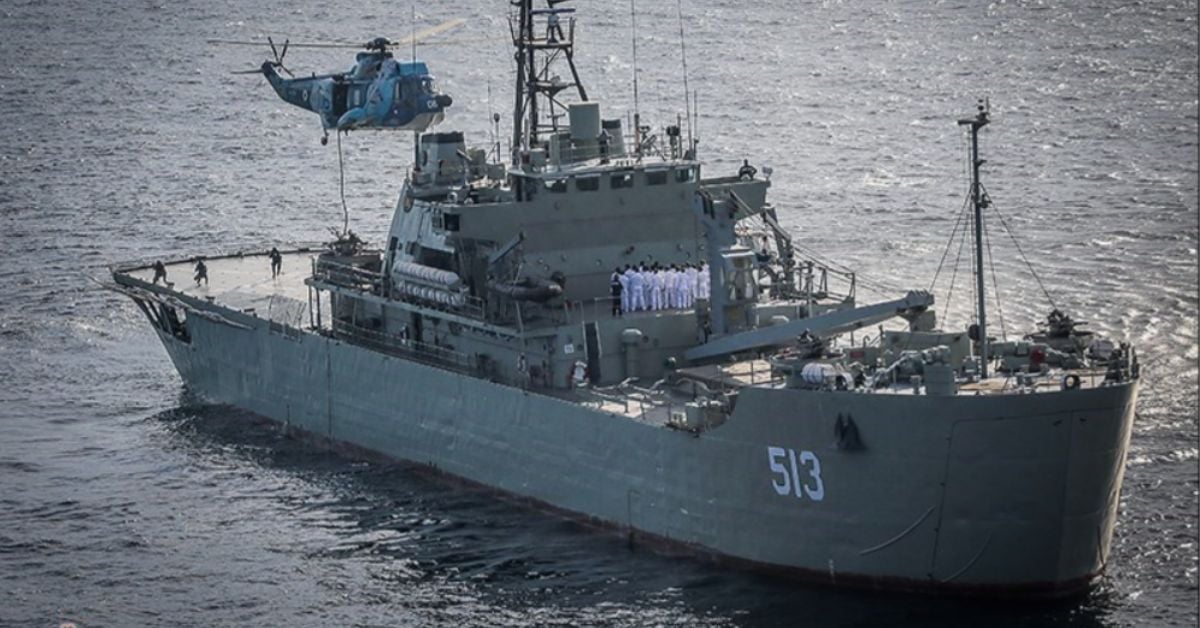
Iranian Warship IRIS Lavan Extended Stay in Indian Port Raises Questions.
Six months after seeking emergency docking, Iran's amphibious landing ship IRIS Lavan remains anchored in India's Port of Kochi. That is not a routine port call; that is a statement. Extended stays carry weight in maritime geopolitics, and this one deserves scrutiny. For readers tracking the region's shifting dynamics, our related piece on integrated subsea infrastructure highlights how the Indian Ocean is becoming a strategic corridor. The Lavan's presence adds a layer to that picture, one worth watching closely.

Iran Plans Exclusion Zone in Strategic Strait of Hormuz.
Iran's decision to establish an exclusion zone around the Strait of Hormuz signals a deliberate move to control one of the world's most vital maritime passages. Requiring permission to transit is not a technicality; it is a statement of leverage. The move carries measurable implications for global shipping and energy routes, and it demands calibrated attention from the international community.
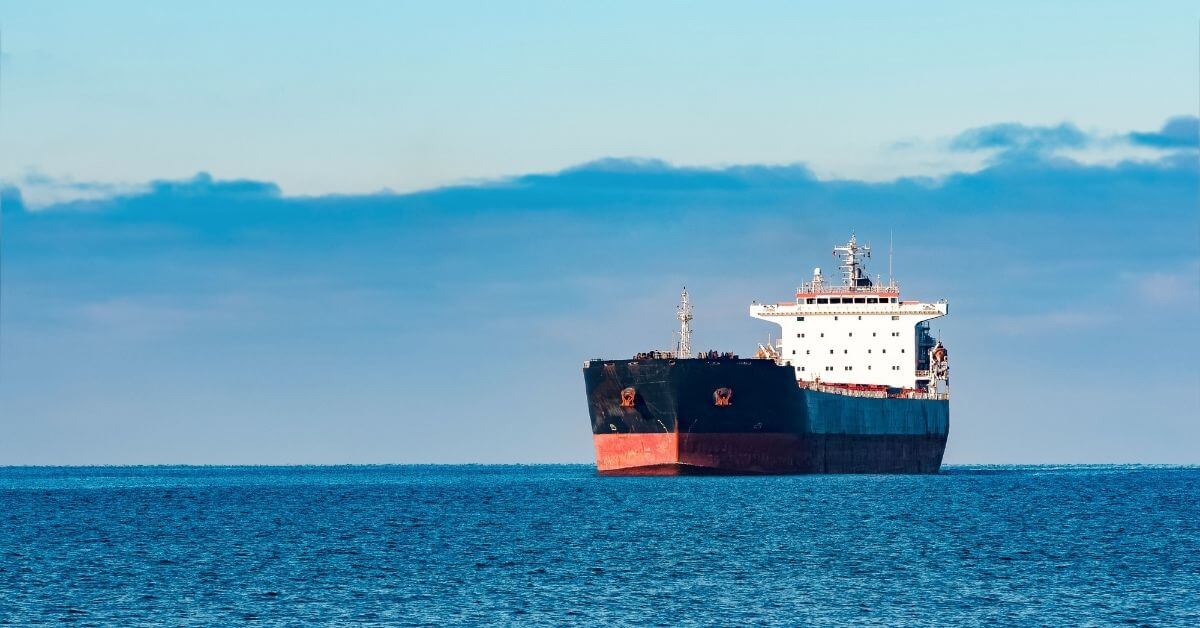
Escalating Tensions: Iran Condemns New Sanctions Amid Strait of Hormuz Discussions
Iran's designation of the new U.S. sanctions as "economic terrorism" sharpens a confrontation with direct consequences for civilian welfare across the region. The measures, as framed by Tehran, place the health and livelihoods of millions in a precarious balance, and that framing demands attention. This is not abstract geopolitics; it is a tangible pressure point with human cost.

Joint Navigation Corridor Proposed to Enhance Strait of Hormuz Transit
A joint navigation corridor through the Strait of Hormuz offers a practical path forward, pairing immediate transit security with a coordinated mine-clearing effort. The proposal is measured and specific, which is what makes it credible. It treats the waterway not as a symbol, but as a system that can be stabilized through deliberate, shared action. For readers tracking the region's pressure points, our related coverage on Gulf of Oman STS transfers provides useful context on how commercial traffic is already adapting to constraints.

Geopolitical Tensions Impact Shipping Lanes: Assessing Risks in the Strait of Hormuz
Iranian President Masoud Pezeshkian has called for an end to the months-long war, framing Iran's position from one of "power and dignity." The statement lands as the Strait of Hormuz remains a flashpoint for global shipping, where geopolitical friction translates directly into maritime risk. Negotiations may be stirring, but the calculus is far from settled.

Heightened Tensions: Iran and US Navigate Strait of Hormuz Instability
A vessel was struck as it departed the Strait of Hormuz on Tuesday, while the UAE reported two ballistic missiles launched from Iran. The incident underscores a fragile moment in a waterway that carries a third of global oil trade. Tension is not new here, but the precision of these actions raises the stakes. For readers tracking the region's shifting dynamics, our coverage of phased negotiations to ease restrictions on the strait offers essential context.

Geopolitical Tensions Mount: Strait of Hormuz Control Disputed.
The Strait of Hormuz remains a flashpoint, with Iran holding the waterway's reopening hostage to unmet US demands. This is not posturing; it is a calculated standoff with global energy implications. The pressure is measurable, and the stakes are empirical. For deeper context on how such tensions shape regional flows, our piece on "Gulf of Oman STS Transfers Max Out Amid Rising Saudi Oil Exports" offers a related view. The channel's status is not a given; it is a condition under negotiation.

Iran Links Strait Passage to U.S. Actions, Raising Geopolitical Tensions
Iran's top military official, Rezaei, has tied the Strait of Hormuz's fate directly to U.S. policy, demanding an end to the war and blockade, the release of frozen assets, and a broader regional ceasefire. The linkage sharpens an already volatile maritime standoff, where every action carries measurable consequence. For those tracking the Gulf's pressure points, this is a clear escalation in rhetoric, not just posturing.

Geopolitical Tensions Ease: US and Iran Dialogue Advances in Strait of Hormuz
The Strait of Hormuz remains a flashpoint, yet Tuesday's talks in Tehran signal a measured step toward de-escalation. Iranian Foreign Minister Abbas Araqchi's meeting with Pakistan's Interior Minister Mohsin Naqvi underscores that dialogue, however tentative, is advancing. We view this as a pragmatic move; the region's stability depends on such channels. For context on how pressure is building elsewhere, our piece on Gulf of Oman STS Transfers Max Out Amid Rising Saudi Oil Exports highlights the logistical strains already reshaping tanker traffic.

Accountability Demanded: Trump Links Iran's Actions to Compensation Claims.
President Trump's demand that Iran shoulder compensation for damages and deaths across Lebanon, Syria, Yemen, and Gaza is a direct assertion of accountability, posted plainly on Truth Social. The claim is stark, yet it raises a measured question: can state responsibility be calibrated when conflicts blur the line between direct action and influence? This is not alarmism; it is a demand for legal and financial reckoning.

Charting New Maritime Pathways: Iran and Oman Negotiate Hormuz Route.
Iranian Foreign Minister Abbas Araqchi confirmed that a deal with Oman would establish new shipping routes through the Strait of Hormuz once conditions are met. The negotiation signals a practical step toward stabilizing a waterway critical to global energy flows. Diplomatic progress here matters, though implementation will test both sides. For context on how pressure is building in nearby waters, our piece on Gulf of Oman STS transfers offers useful background. Measured agreements are welcome, but the real measure lies in execution.

Integrated Shipping Lanes: Iran and Oman Calibrate Transit Through Hormuz.
Iran and Oman have agreed on the transit routes ships will use through the Strait of Hormuz, a calibrated step toward stabilizing one of the world's most critical maritime chokepoints. The arrangement signals practical diplomacy at work, replacing uncertainty with measurable coordination. For shippers and nations alike, this is ocean intelligence in its most actionable form: clear lanes, agreed parameters, and a shared commitment to keeping trade moving.

Dialogue Advances Toward Strait of Hormuz Stability
Diplomatic progress between Washington and Doha signals measurable headway toward restoring the Strait of Hormuz ceasefire, with senior officials from both nations confirming that substantial steps are underway. This is the kind of calibrated, real-time advancement that matters for regional stability. The talks reflect a purpose-driven commitment to de-escalation, though the path ahead remains complex. For broader context on the pressures shaping these negotiations, our related coverage on Gulf of Oman STS transfers maxing out offers useful perspective.

U.S. Military Bolsters Blockade of Iranian Vessels Amid Rising Tensions
U.S. Central Command announced on X that its warships, reconnaissance aircraft, and service members are enforcing a naval blockade of Iranian vessels. The move tightens pressure in an already volatile maritime corridor. It is a deliberate, measurable escalation, one that signals resolve without theatrical alarm. For readers tracking how Gulf tensions intersect with energy flows, our related piece on Gulf of Oman STS transfers offers useful context. The blockade is not theater; it is a calibrated projection of force.

Shipping Route Stability: Iran Maintains Control of Strait of Hormuz.
The pause in fighting has steadied immediate concerns over further military escalation, yet the Strait of Hormuz remains a corridor where stability is measured in transit, not promises. Iran's maintained control here is a decisive factor for global oil flows, and we read this as a calibrated signal rather than a closed chapter. The diplomatic path forward is fragile, but for now, the route holds. For broader context on regional pressure points, our piece on Gulf of Oman STS transfers offers useful perspective.

Missile Strike Impacts LPG Tanker in Strait of Hormuz Waters
A missile strike has struck an LPG tanker near the Strait of Hormuz, according to the Forward Seamen's Union of India, as the vessel made its way toward the Persian Gulf. The incident underscores the fragile security calculus in a waterway that carries a third of global liquefied gas trade. For seafarers, the risk is not abstract; it is measured in steel, fire, and the open sea. This is why infrastructure like the Seafarers' Welfare Centre at Goa's Mormugao Port matters more than ever.

Strait of Hormuz Traffic Declines Amid Increased Security Measures.
Commercial traffic through the Strait of Hormuz has dropped sharply following recent missile, drone, and shipping attacks, a measurable shift in one of the world's most vital maritime corridors. The decline underscores how immediate security threats now override the steady flow of energy that typically defines this waterway. This is not an abstract disruption; it is a calibrated response to real-time risk, and one that demands integrated monitoring.

Naval Action: US Disables Tanker in Arabian Gulf, Escalating Tensions.
The U.S. Navy's disablement of a tanker in the Arabian Gulf marks the first publicly confirmed case of a merchant vessel being taken out of action since Washington reinstated its naval blockade on Iran. It is a deliberate, calibrated escalation, not an accident. The move signals that economic pressure has crossed into active maritime enforcement. For readers tracking the diplomatic path forward, our related piece on phased negotiations toward easing Strait of Hormuz restrictions provides essential context.

U.S. Navy Enforces Blockade, Restricting Access to Iranian Ports.
Seventeen hours after reimposing the naval blockade, U.S. Central Command confirmed the Navy is enforcing restricted access to Iranian ports. The move is precise, deliberate, and calibrated to pressure without escalation. It is a direct signal, measured in hours, not rhetoric. For those tracking Gulf dynamics, the pressure on shipping lanes is mounting. Our related piece, "Phased Negotiations Aim to Ease Restrictions on Strait of Hormuz," offers essential context on whether this corridor might reopen.

Escalating Tensions: Iran Targets Seven Commercial Vessels, Civilian Casualties Reported.
The head of U.S. Central Command confirmed that Iran struck seven commercial vessels in the past week, with civilian crew members among the dead. This is not an abstract strategic calculation; it is a direct assault on the people who keep global trade moving. The violence is a stark reminder that maritime security is not a given, but a fragile condition requiring constant defense. For broader context on how nations are responding, our related piece on India's expanded naval fleet offers a timely perspective.

Kuwaiti Warship Struck: Four Personnel Injured in Iranian Attack
A Kuwaiti naval vessel was struck by an Iranian missile and drone barrage, leaving four armed forces personnel injured, according to Kuwait's Military. The attack underscores the fragile security calculus of a region already straining under disrupted shipping lanes. Such strikes are not isolated incidents; they are symptoms of a broader volatility that demands calibrated, data-driven responses. As diplomatic efforts like the phased negotiations over the Strait of Hormuz gain traction, the need for validated ocean intelligence has never been more immediate.