Memorandum of Understanding
4 stories filed under Memorandum of Understanding on World Data Ocean. The newest of them: “New data-sharing accord strengthens transnational ocean intelligence for the Strait of Singapore”, “Iran Plans Exclusion Zone in Strategic Strait of Hormuz.”, and “Shifting Shipping Patterns: Omani Route Gains Prominence Through Strait.”. The Strait of Singapore now has a stronger foundation for shared ocean intelligence, thanks to a new data-sharing accord signed during the 12th Singapore-Brunei Young Leaders' Programme. Iran's decision to establish an exclusion zone around the Strait of Hormuz signals a deliberate move to control one of the world's most vital maritime passages. A Global Hub for Ocean Intelligence 4 World Data Ocean is a centralized digital platform where researchers, scientists, and ocean enthusiasts converge to… The list below is every Memorandum of Understanding story on World Data Ocean, newest first.
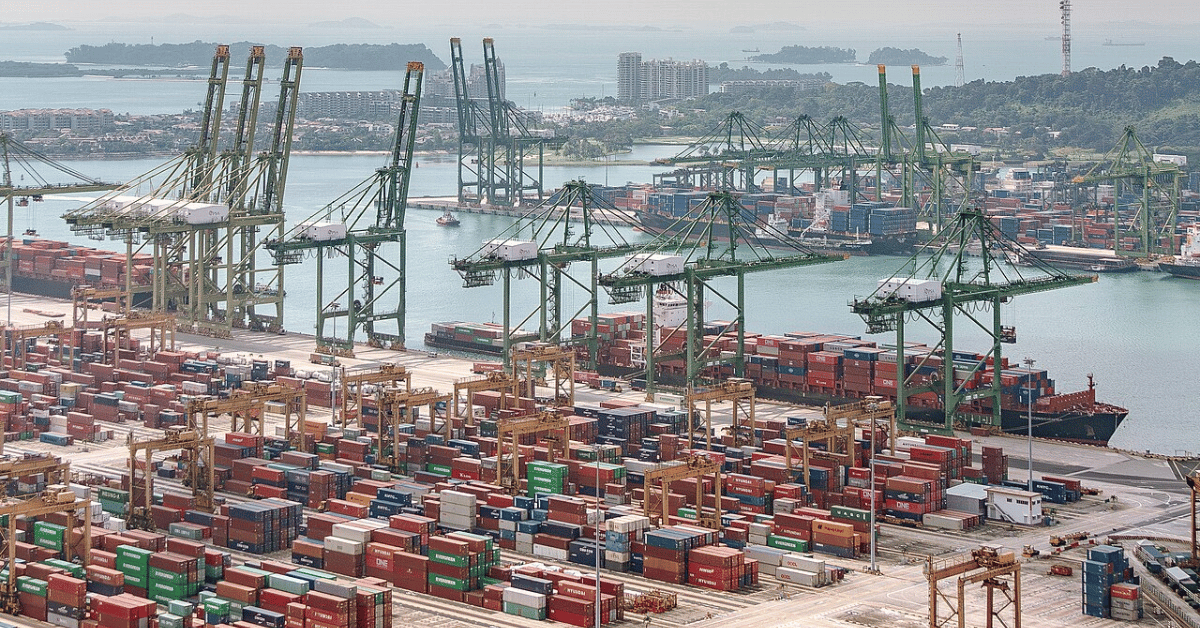
New data-sharing accord strengthens transnational ocean intelligence for the Strait of Singapore
The Strait of Singapore now has a stronger foundation for shared ocean intelligence, thanks to a new data-sharing accord signed during the 12th Singapore-Brunei Young Leaders' Programme. This MOU is a measured but meaningful step, it formalizes what integrated science demands: transnational cooperation on climate indicators and real-time maritime data. Understanding drives protection, and this agreement puts that principle into action. For related coverage on maritime alignment, see our piece on "Two Navies, One Port."

Iran Plans Exclusion Zone in Strategic Strait of Hormuz.
Iran's decision to establish an exclusion zone around the Strait of Hormuz signals a deliberate move to control one of the world's most vital maritime passages. Requiring permission to transit is not a technicality; it is a statement of leverage. The move carries measurable implications for global shipping and energy routes, and it demands calibrated attention from the international community.

Shifting Shipping Patterns: Omani Route Gains Prominence Through Strait.
A month ago, the Omani route saw almost no commercial traffic. Now, it is gaining prominence through the Strait, a shift that speaks to how quickly maritime dynamics can change. Kpler's data makes the pivot measurable, and that matters. This is not speculation; it is empirical movement. For deeper context on the pressure building in these waters, our piece on Gulf of Oman STS Transfers Max Out Amid Rising Saudi Oil Exports tracks the capacity constraints driving such realignments.

Iranian Official: U.S. Naval Blockade Risks Escalation in Persian Gulf
Iran's military adviser, Mohsen Rezaei, has made the position unmistakable: Tehran will not tolerate a continued U.S. naval blockade in the Persian Gulf. The warning carries weight, but the region's maritime tensions are already stretching elsewhere. As our coverage notes, Gulf of Oman STS transfers are maxing out amid rising Saudi exports, and India is expanding its fleet for a more contested sea. These pressures do not exist in isolation. The Strait of Hormuz remains the fault line where economic pressure meets strategic risk.