Houthis Seize Yemen’s Perim Island, Tightening Their Grip On Bab-el-Mandeb Strait
Our take
The recent seizure of Yemen’s Perim Island by Houthi forces represents a significant escalation in the ongoing regional tensions and poses a direct threat to global maritime security. This strategic island, controlling access to the Bab-el-Mandeb Strait – a critical chokepoint for international shipping – has long been a point of concern. The Strait facilitates approximately 10% of global trade, including a substantial portion of energy shipments, making it a vital artery for the global economy. The Houthis' control over Perim effectively grants them the ability to disrupt or even block this vital waterway, a capability amplified by recent reports of Iran’s advancements in unmanned underwater systems, as detailed in [Iran Claims It Captured U.S. Navy Submarine Near Hormuz That Can Autonomously Conduct Missions For 10 Days]. Such capabilities could be integrated into Houthi operations, increasing the risk of unpredictable and potentially devastating consequences for commercial shipping.
The implications extend beyond immediate shipping disruptions. The Bab-el-Mandeb Strait is adjacent to the Gulf of Aden, a region historically plagued by piracy, as evidenced by the recent incident involving the release of a hijacked ship following a ransom payment [Somali Pirates Release Hijacked Ship And 17-Member Crew After Ransom Payment]. The Houthi takeover, coupled with Iran’s asserted technological gains and India’s expressed concerns regarding maritime safety [Indian PM Urges Iran To Safeguard Freedom Of Navigation, Commercial Shipping And Seafarers Safety], creates a volatile environment where multiple threats converge. The Houthis, backed by Iran, have demonstrated a willingness to challenge international norms and escalate conflicts, and control of Perim Island provides them with a powerful lever to exert pressure and potentially destabilize the region further. The geographic proximity to established piracy routes exacerbates the risk, potentially creating a scenario where opportunistic actors exploit the instability.
Understanding the broader context requires recognizing the ongoing proxy conflict between Iran and Saudi Arabia in Yemen. The Houthis, considered an Iranian proxy, have been fighting the Yemeni government, backed by a Saudi-led coalition, for years. This conflict has created a humanitarian crisis and destabilized the entire region. The seizure of Perim Island is not merely a tactical maneuver; it's a strategic move designed to strengthen the Houthis’ position, project power, and potentially force concessions from Saudi Arabia and its allies. The integrated data ecosystem needed to accurately assess the situation is complex, demanding the calibration of multiple data streams including shipping traffic patterns, naval deployments, and geopolitical indicators. The longitudinal impact of this event on global trade and energy markets will require careful, empirical analysis.
Ultimately, the Houthi control of Perim Island presents a serious challenge to maritime security and the stability of the region. While international efforts to de-escalate the situation are underway, the potential for disruption remains high. The question now is not if, but when and how this situation will escalate further. Monitoring the evolution of Iran’s naval capabilities and the Houthis’ operational deployment around the Bab-el-Mandeb Strait will be crucial to anticipating and mitigating the risks to global trade and energy security. The need for real-time ocean intelligence and collaborative, peer-reviewed analysis has never been more critical.
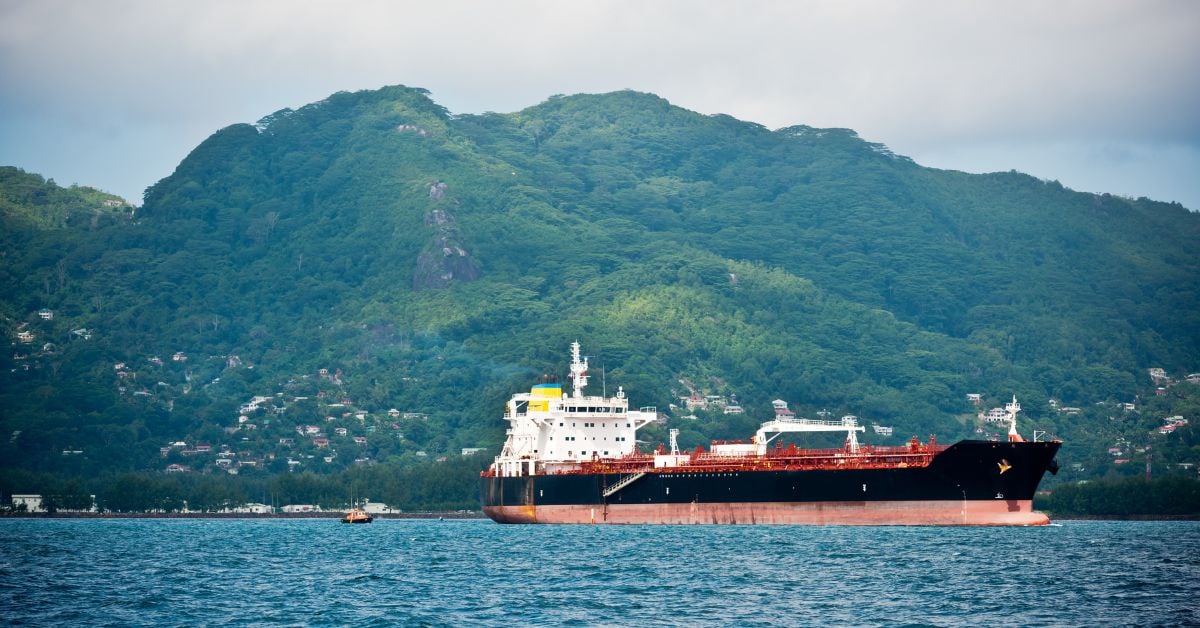
Houthis have gained control of Yemen’s Perim Island, a small piece of rocky land which divides the Bab El-Mandeb, raising concerns that the Iran-backed group could threaten shipping through the strategic waterway.
The seizure of the island, announced by many news outlets and also the internationally recognised Yemeni Government, comes a day after the Group seized the Red Sea Port of Mokha in Yemen.
This is a major blow to Saudi Arabia and puts Iran and its supporters in a position to control one of the two most important maritime chokepoints for energy trade on the Arabian Peninsula: the Strait of Hormuz and the Bab El-Mandeb Strait.
After the seizure of the small island which links the Red Sea to the Gulf of Aden and then to world markets, the Crown Prince of Saudi Arabia, Mohammed Bin Salman, spoke to U.S. President Donald Trump, asking him to intervene.
However, Trump made his intentions clear while declining, stating the U.S. cannot broaden its military efforts to fight the Houthis, according to a Top official who spoke on the condition of anonymity.
The U.S. war with Iran in the Middle East has drained resources and led to longer deployments and declining mental health of sailors. With no negotiations in sight, the war is ongoing, with regular attacks on ships and seafarer casualties being reported.
U.S. wants to focus on safeguarding its national security and freedom of navigation, which, according to the government, is being threatened by Iran. However, the official also said that the U.S. is in talks with Saudi Arabia over the Houthi issue.
Riyadh is also concerned about the capture of Mokha, and now the possibility of the closure of Bab El-Mandeb too looms large, raising questions about the security of oil and gas supplies, especially to Asia and Europe.
Mokha is 75 km north of the Bab El-Mandeb and is a key port on the Red Sea. Houthis are already warning Saudi Arabia that they would prevent its oil from reaching its destination, and now control of Bab el-Mandeb means that even European ships and those of US allies could also be attacked.
Analysts say that after this announcement, the prices of oil and petroleum products increased, especially as the importance of Bab el-Mandeb has increased after the U.S-Iran war.
The waterway has become an alternative route to ship oil from Hormuz, though the volume of trade remains below pre-war levels even through Bab el-Mandeb and might decline even more after the capture of Perim Island. The energy infrastructure of Saudi Arabia also remains at risk of attack.
Read on the original site
Open the publisher's page for the full experience