Bab el Mandeb Strait
Bab el Mandeb Strait at World Data Ocean is a file of 27 stories. The newest of them: “French Defense Vessel Neutralizes Airborne Threat in Bab el-Mandeb Strait”, “Human tragedy in Djibouti waters underscores urgent need for integrated ocean safety”, and “Yemeni Forces Consolidate Position Along Strategic Bab el-Mandeb Strait”. A French frigate made a calibrated, real-time decision in the Bab el-Mandeb Strait, using its gun to destroy an airborne drone it judged to be a threat. A boat carrying dozens of people sank near Guhere, north of Obock, Djibouti, during the night of October 8-9. A Global Hub for Ocean Intelligence 4 World Data Ocean is a centralized digital platform where researchers, scientists, and ocean enthusiasts converge to… The list below is every Bab el Mandeb Strait story on World Data Ocean, newest first.
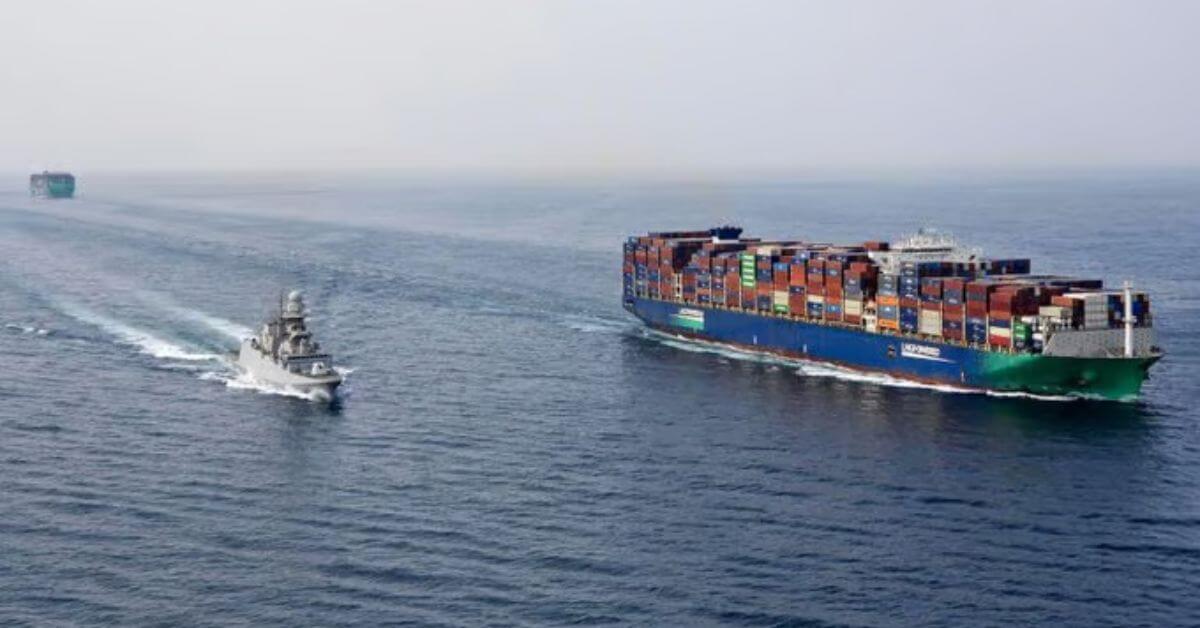
French Defense Vessel Neutralizes Airborne Threat in Bab el-Mandeb Strait
A French frigate made a calibrated, real-time decision in the Bab el-Mandeb Strait, using its gun to destroy an airborne drone it judged to be a threat. This measured use of force underscores the growing need for integrated naval defense in critical shipping lanes. For deeper context on maritime security and the vessels involved, see our coverage of "India's Private Shipyard Delivers First Multipurpose Naval Vessel INS Samarthak."
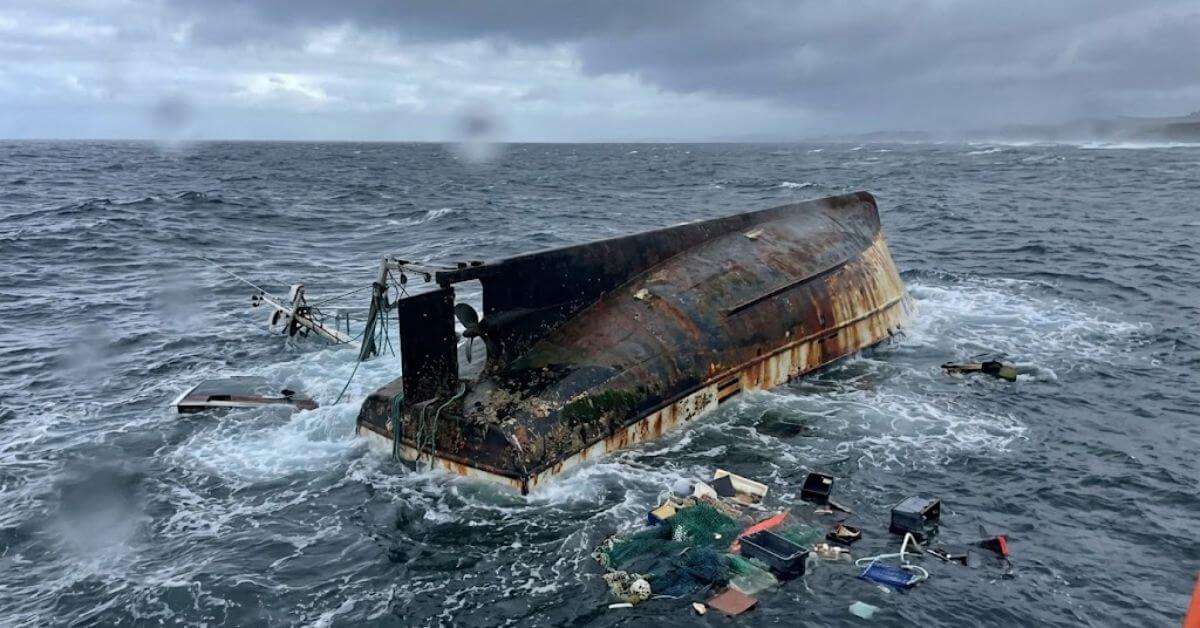
Human tragedy in Djibouti waters underscores urgent need for integrated ocean safety
A boat carrying dozens of people sank near Guhere, north of Obock, Djibouti, during the night of October 8-9. The human tragedy is a stark reminder that ocean safety cannot be fragmented. Lives depend on integrated, coordinated response systems. Our recent coverage of Europe's COASTEX 2026 trial shows how multi-agency maritime coordination is being validated in real-world exercises. These capabilities are not theoretical; they are urgently needed wherever vessels cross dangerous waters.
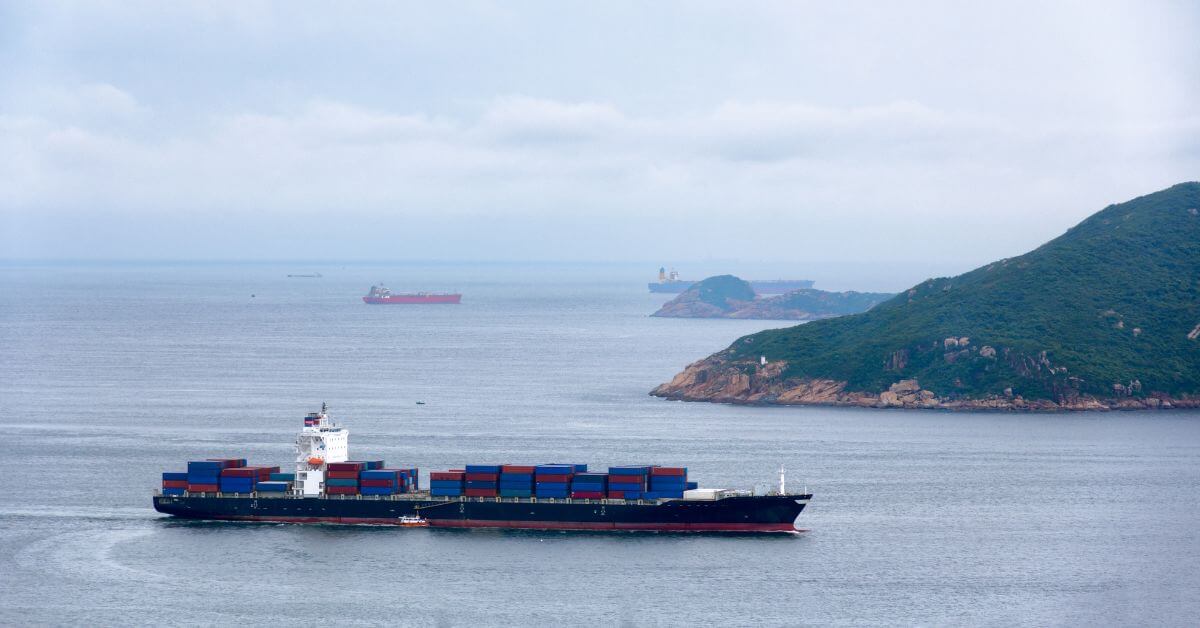
Yemeni Forces Consolidate Position Along Strategic Bab el-Mandeb Strait
Yemeni government forces now hold the Bab el-Mandeb Strait, a choke point for roughly 10 percent of global seaborne oil. This consolidation along the Red Sea coast is a measured, strategic gain, not a call for alarm. Control of this waterway carries real implications for energy security and regional stability. For calibrated context on similar maritime shifts, our coverage of Iraq moving 2 million barrels beyond the Strait of Hormuz offers a parallel read. Understanding these positions is essential, not sensational.
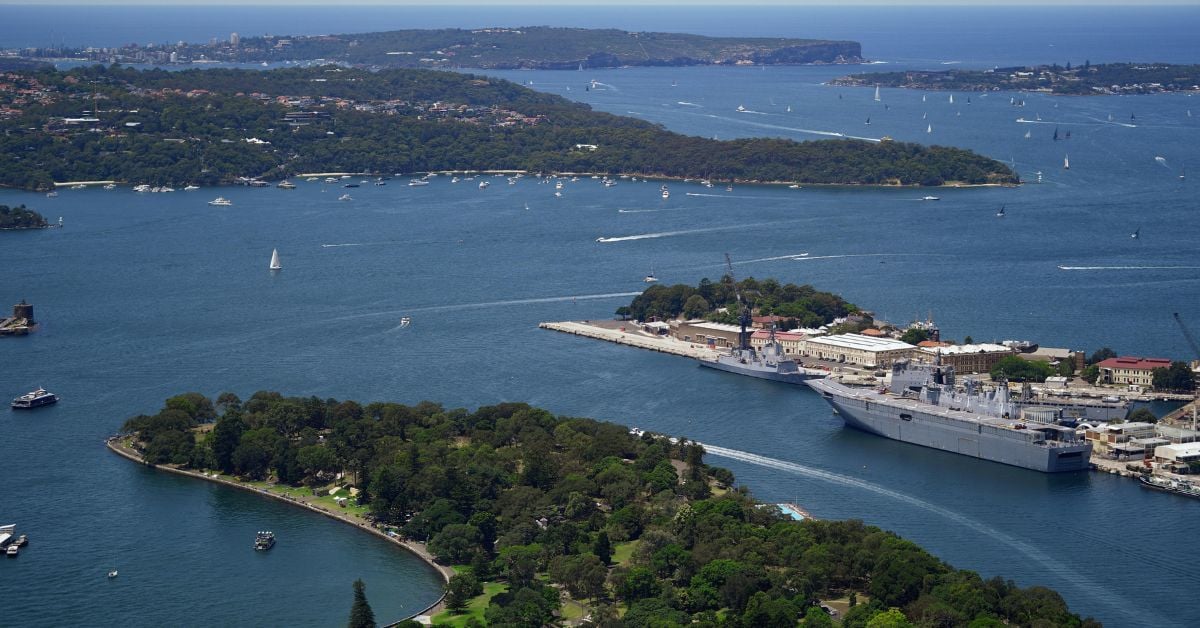
Enhanced Monitoring: China Expands Djibouti Base Near Key Shipping Lanes
Satellite imagery shows Beijing has expanded its Djibouti base with new radars, antennas, and naval assets, sharpening its watch over one of the world's busiest maritime corridors. The move is measured, deliberate, and strategically clear. It is not about alarm; it is about presence. For readers tracking how naval power reshapes trade routes, this pairs naturally with our report on Gulf of Oman STS transfers maxing out.
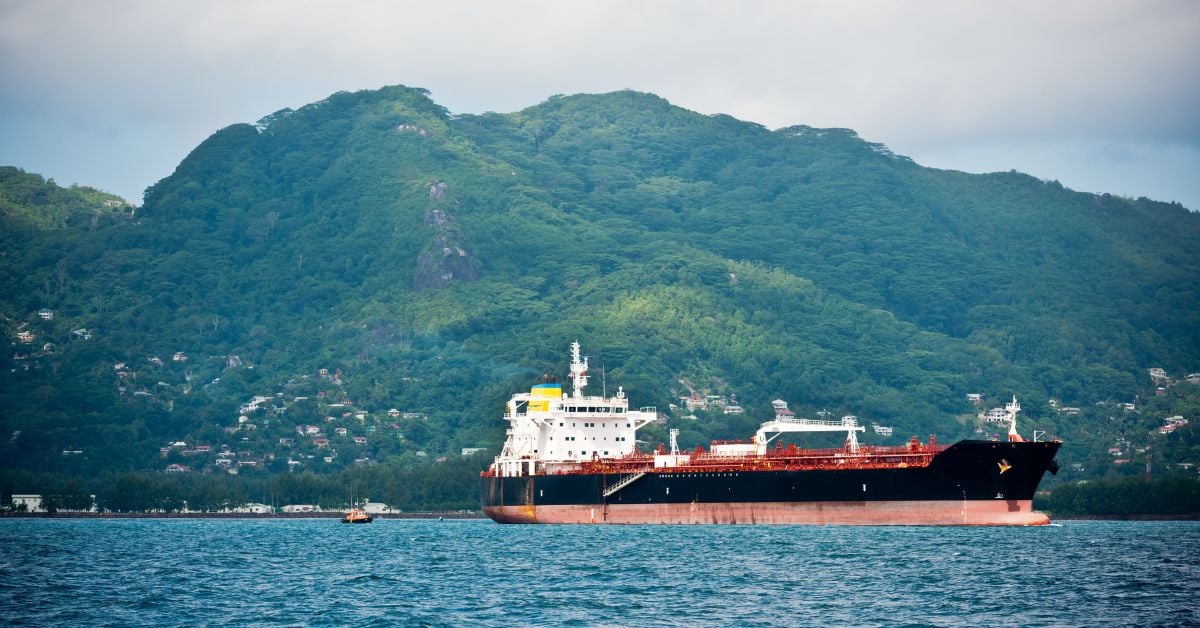
Heightened Tensions: Houthi Control of Perim Island Impacts Shipping Route
The Houthi seizure of Perim Island places a validated chokepoint under direct threat. Control of this island means the Bab El-Mandeb Strait, a corridor for global commerce, is now within range of Iran-backed forces. This is not speculation; it is a measurable escalation in regional instability. For readers tracking these disruptions, our report on "Puntland Forces Intercept Hijacked, US-Sanctioned Oil Tanker After 48 Hours" shows how quickly maritime security unravels. Understanding these links drives protection of vital sea lanes.

Houthi Control Expands Near Vital Bab el-Mandeb Strait.
The Houthis have seized new territory near the Bab el-Mandeb Strait, tightening their grip on a chokepoint that connects the Red Sea to the Gulf of Aden. This expansion is a measured but significant shift in regional leverage. Validated by empirical observation, their increased control raises calibrated concerns for maritime security and global trade flows. For deeper context on regional maritime pressures, our related coverage on Gulf of Oman STS transfers offers an integrated perspective. Understanding drives protection, this development demands attention.
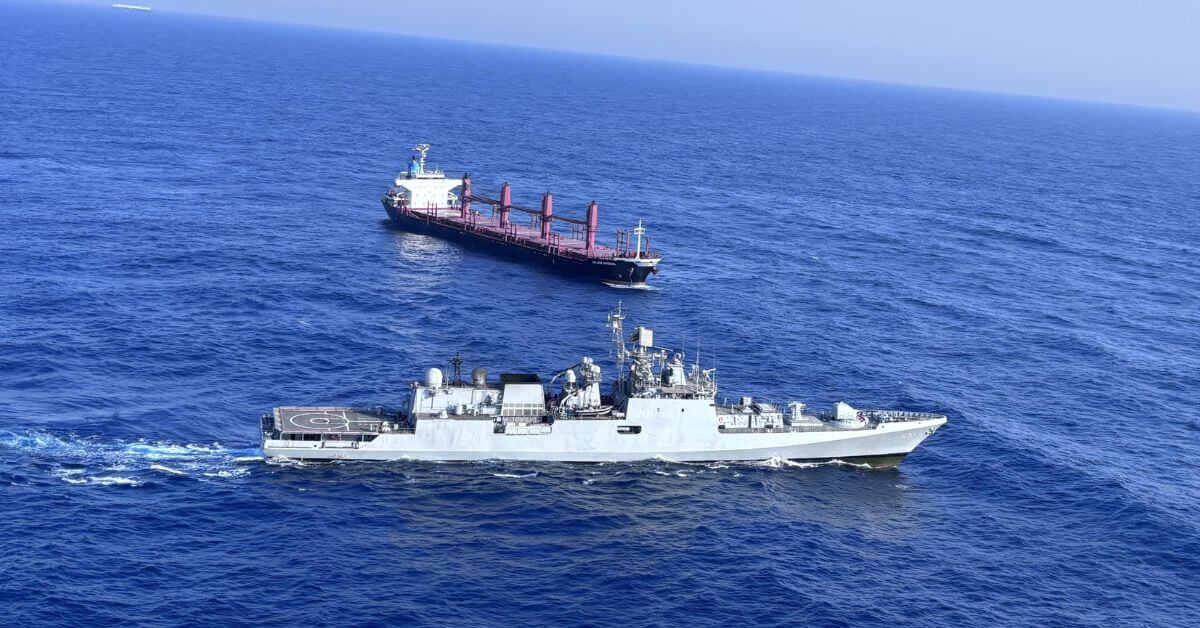
Securing Trade Routes: Indian Navy Ensures Safe Passage Through Bab-el-Mandeb
The Indian Navy's deployment through the Bab-el-Mandeb is a calibrated exercise in maritime security, ensuring that essential cargo continues moving to and from India without disruption. This is not abstract strategy; it is the practical work of keeping trade lanes open where geopolitical friction runs high. The operation reflects a measured commitment to stability, one that aligns with broader shifts in regional logistics, such as the Gulf of Oman STS transfers reaching capacity. Reliable passage here is not optional; it is the backbone of commerce.

Safer Red Sea Route Calibrates Oil Exports Amid Geopolitical Shifts
Shipowners are rerouting Saudi crude through the safer northern Red Sea corridor, a calibrated response to persistent Houthi threats that recalibrates export flows without disrupting global supply. The move reflects pragmatic maritime adaptation, not alarm. It is a measured shift, one that keeps oil moving while reducing risk to tankers and crews. For context on how regional pressures are reshaping tanker operations, our related piece on Gulf of Oman STS transfers maxing out offers a useful counterpoint.

Yemen Conflict: Houthis Report Attack on Saudi Naval Vessel in Red Sea
The Houthis claim they struck a Saudi military landing ship and four escort vessels near the Red Sea port of Mocha, a direct escalation in a waterway already strained by regional tensions. The attack, if confirmed, underscores how fragile maritime security has become. We treat such reports with caution, but the pattern is clear: the Red Sea is now a flashpoint.

Vessel Attack in Bab El-Mandeb: Egypt Denies Link to Damaged Ship
A Houthi missile strike on a commercial vessel in the Bab El-Mandeb Strait has left six dead and ten injured, with Egypt denying any link to the damaged ship. The attack underscores the fragile calculus of maritime security, where a single launch can ripple across trade routes and diplomatic lines. Egypt's response is measured, but the incident sharpens the question of who truly polices these waters.

Red Sea Attack Disrupts Shipping, Impacts Yemeni Communities.
A four-troop and three-civilian death toll in Mokha marks a grim escalation, as the Red Sea attack disrupts shipping and deepens the hardship for Yemeni communities already navigating conflict. This is not a distant maritime statistic; it is a direct blow to local stability and a clear signal that the security of these waters remains fragile. The human cost is immediate, even as the broader economic ripples extend far beyond the shore.

Protecting Indian Shipping: Union Calls for Naval Presence in Red Sea
The Forward Seamen's Union of India has called on the Modi Government to deploy Navy warships in the Red Sea, a direct response to mounting threats against Indian vessels and the seafarers who crew them. The request is measured and necessary. Protecting commercial routes is not an act of aggression; it is the baseline for stable trade and safer transit. This aligns with broader strategic discussions, including India's planned naval expansion toward a more contested maritime future.

Houthis Dispute Transit Fee Claims; Shipping Caution Advised.
Claims of transit fee demands have surfaced, but Houthi officials dispute them, urging caution across shipping lanes. The organisation advises companies against payments or information sharing with unauthorised parties, a measured stance we find reassuring. Clarity here is operational, not optional. For broader context on regional pressures, our coverage of Gulf of Oman STS transfers offers useful perspective. Vessels should verify instructions through official channels. Vigilance, not alarm, remains the operative principle.

Red Sea Security: Saudi Arabia Proposes International Maritime Coalition.
Saudi Arabia's proposal for an international maritime coalition targets the Houthi Group's escalating Red Sea disruption with a direct, collective response. The plan signals a calibrated shift toward shared security, though its success hinges on broad naval cooperation and sustained political will. It is a measured step, not a headline grab. For context on regional pressure points, our coverage of the Gulf of Oman STS transfers maxing out shows how tightly linked these maritime chokepoints have become.

Red Sea Disruption: Houthis Emulate Iran, Impacting Maritime Trade Routes
The Houthis have declared a maritime blockade on Saudi shipping in the Red Sea, launching missiles and drones at the kingdom. This escalation, mirroring Iranian tactics, directly threatens a critical global artery. We view this not as posturing, but as a calibrated disruption with measurable consequences for energy flows. For deeper context on regional shipping pressures, our coverage of Gulf of Oman STS transfers maxing out offers a pertinent parallel. Understanding these integrated pressures is essential for navigating this volatile corridor.

Red Sea Transit Declines Amidst Escalating Regional Tensions.
The Red Sea's vital artery is narrowing. Only 11 commodity vessels traversed the Bab el-Mandeb Strait on Sunday, the fewest in months, according to Kpler data. This is not a statistic to skim past; it is a measured signal of how escalating regional tensions are physically reshaping global trade routes. The decline is empirical, and it demands attention.

Shipping Route Shift: Supertanker Alters Course Amid Red Sea Tensions
A supertanker bound for Yanbu turned back before reaching the Bab el-Mandeb Strait, a quiet but telling correction in a crowded maritime corridor. The move reflects how swiftly risk reshapes routing decisions, even for cargoes already committed. We read this as a practical response to tension, not alarm. For broader context on regional pressure points, our coverage of Gulf of Oman STS Transfers Max Out Amid Rising Saudi Oil Exports offers a useful parallel. The ocean rewards adaptability; this diversion proves the point.

Hormuz Tanker Traffic Declines, Signaling Potential Maritime Shifts
A single tanker crossed the Strait of Hormuz on July 23, down from three the prior day, according to Kpler. That decline is measurable, and it warrants attention. We track maritime flows because they carry signals. Whether this reflects routine scheduling or something more deliberate remains unclear, but the data is clear. For context on regional pressure points, our coverage of Gulf of Oman STS transfers highlights how export routes are already maxing out.

Missile Strike Impacts LPG Tanker in Strait of Hormuz Waters
A missile strike has struck an LPG tanker near the Strait of Hormuz, according to the Forward Seamen's Union of India, as the vessel made its way toward the Persian Gulf. The incident underscores the fragile security calculus in a waterway that carries a third of global liquefied gas trade. For seafarers, the risk is not abstract; it is measured in steel, fire, and the open sea. This is why infrastructure like the Seafarers' Welfare Centre at Goa's Mormugao Port matters more than ever.

Measured Response: U.S. Calibrates Asset Use for Strait of Hormuz Ship Damages
Sanctions have frozen billions in Iranian assets, with estimates ranging from $24 billion to $100 billion, yet the precise figure remains deliberately imprecise. That ambiguity matters now, as Washington calibrates its use of these holdings to address ship damages near the Strait of Hormuz. The move is measured, not reactionary, and that restraint reflects sound strategy. For readers tracking regional maritime pressure, our related coverage on Gulf of Oman STS transfers maxing out offers useful context.

Shipping Disruptions: Tanker Reversals Highlight Red Sea Instability
The Xin Long Yang's reversal, carrying two million barrels of Saudi crude for China, marks the second such pivot in as many days. When a laden tanker abandons its heading, it signals that the Bab el-Mandeb corridor is no longer a reliable calculation. This is not speculation; it is the market recalibrating to a hard reality. The risk premium is being repriced in real time.

Asian Refiners Adjust Crude Supply Routes Amid Suez Canal Disruption
South Korea's refiners are rerouting crude supply chains as Suez Canal disruptions force a pragmatic pivot. One major refiner is now seeking a Very Large Crude Carrier to load at Yanbu, with the option of transiting the Suez Canal still on the table. It's a measured response to a volatile corridor, reflecting how quickly logistics adapt when geopolitical friction meets energy demand. The calculus is straightforward: secure throughput, manage cost, keep refineries running.

Yemen's Houthis Impose Naval Blockade, Threaten Shipping to Saudi Ports
At 1201 GMT Monday, the Houthis' naval blockade against Saudi Arabia took effect, a direct challenge to shipping lanes that sustain regional trade. This is not posturing; it is a calculated disruption with immediate consequences for vessels bound for Saudi ports. The move escalates tensions in a waterway already strained by heightened oil flows, as our coverage of Gulf of Oman STS transfers maxing out illustrates. Measured, empirical monitoring of these chokepoints remains essential.

Red Sea Shipping Disrupted: Houthi Actions Impact Global Trade Routes
The Bab el-Mandeb strait, a critical artery for global shipping, is now a flashpoint. Houthi actions have injected a new level of risk into this vital corridor, threatening the steady flow of goods and energy. This disruption demands a measured response, as the implications for trade routes are significant. We must monitor these developments with clear eyes, as the security of our shared ocean economy hangs in the balance.