freedom of navigation
20 stories filed under freedom of navigation on World Data Ocean. The newest of them: “Baltic Allies Validate Uncrewed Target Engagement in Gulf of Bothnia Exercise”, “India Proposes Measured Maritime Truce to Protect Black Sea Shipping”, and “Attack in the Strait of Hormuz Injures 11 Indian Crew on Panama-Flagged Tanker”. A U.S. India has proposed a measured maritime truce to protect commercial shipping in the Black Sea, offering a three-point framework to de-escalate the Russia-Ukraine conflict. A Global Hub for Ocean Intelligence 4 World Data Ocean is a centralized digital platform where researchers, scientists, and ocean enthusiasts converge to… The list below is every freedom of navigation story on World Data Ocean, newest first.
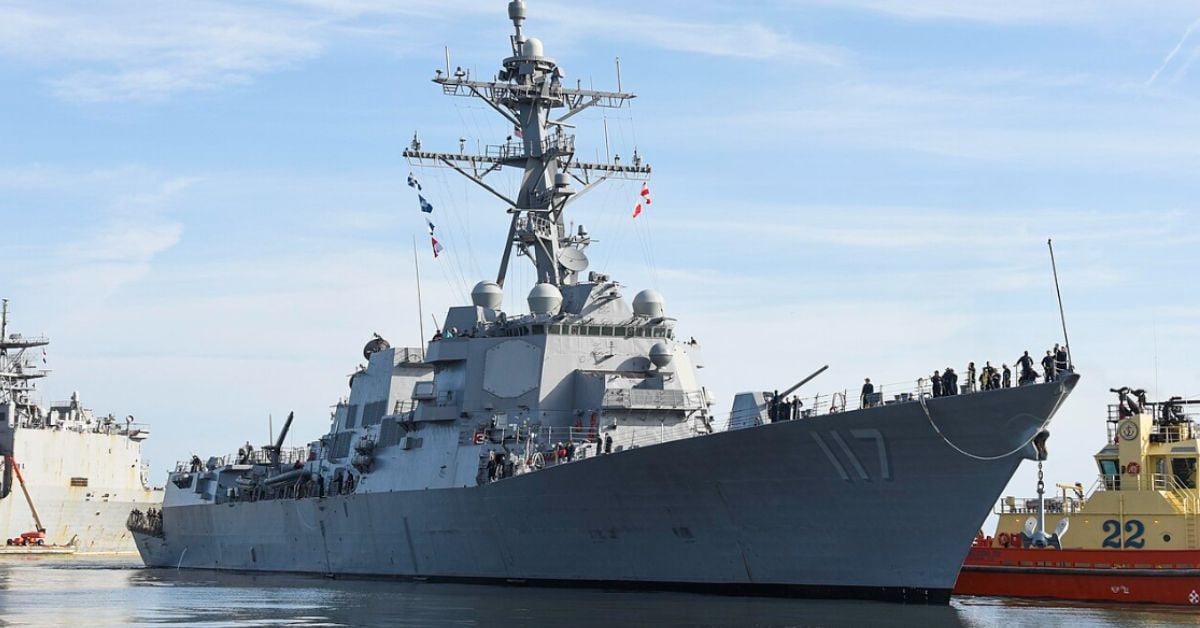
Baltic Allies Validate Uncrewed Target Engagement in Gulf of Bothnia Exercise
A U.S. Navy destroyer's participation in a joint exercise with Swedish and Finnish personnel in the Gulf of Bothnia is a measurable demonstration of integrated allied capability. Validating uncrewed target engagement in these waters sharpens the empirical data needed for coordinated maritime defense. Understanding drives protection. For deeper context on allied naval posture, see our coverage of *HMS Dragon's return narrowing Royal Navy presence in the Gulf*.
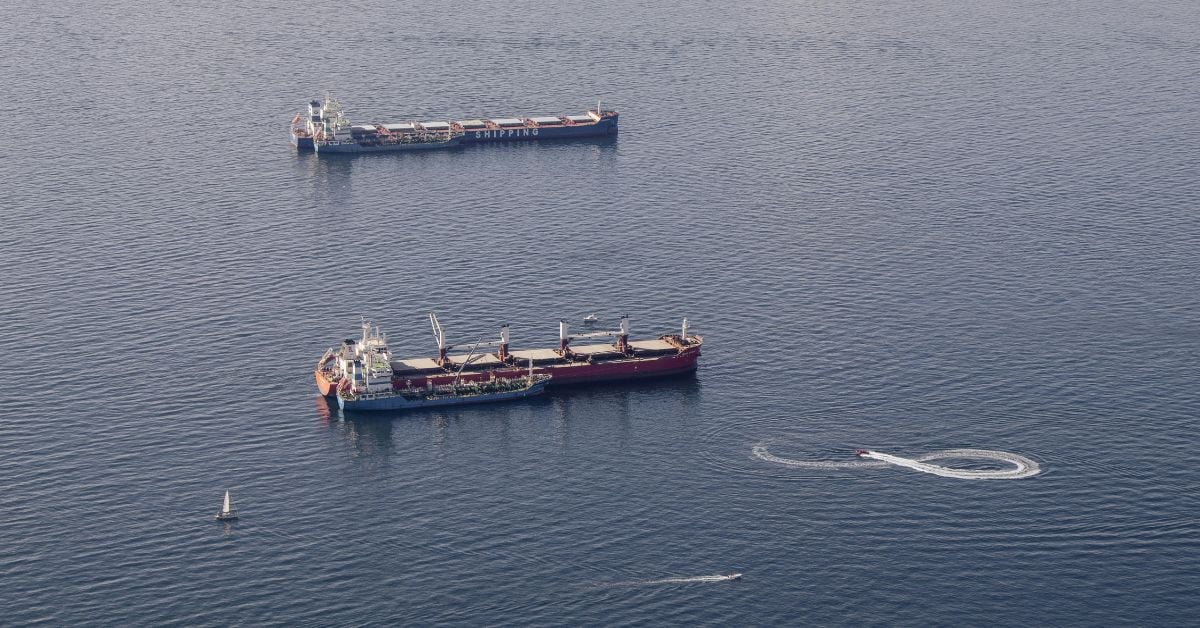
India Proposes Measured Maritime Truce to Protect Black Sea Shipping
India has proposed a measured maritime truce to protect commercial shipping in the Black Sea, offering a three-point framework to de-escalate the Russia-Ukraine conflict. This calibrated diplomatic intervention prioritizes verified cessation of attacks on vessels, a step toward restoring stability in a critical corridor. It is a purposeful move grounded in empirical security concerns. For deeper context on recent threats to seafarers, see our coverage of the drone strikes in the Black Sea that sank a freighter.
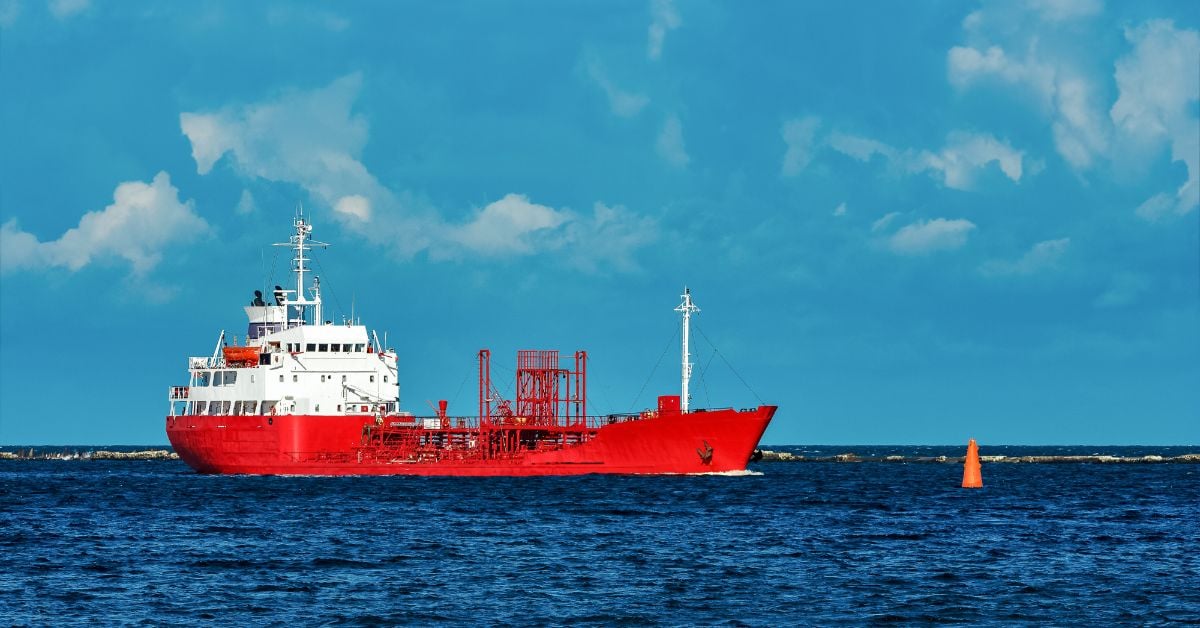
Attack in the Strait of Hormuz Injures 11 Indian Crew on Panama-Flagged Tanker
Eleven Indian crew members were injured in an attack on the Panama-flagged tanker MT On Peace in the Strait of Hormuz. This is not an isolated incident. Our reporting on delayed UKMTO reports confirms five separate IRGC vessel incidents in the same waterway on a single day. Measurable data on these attacks is essential for maritime safety. Understanding these patterns drives protection for the crews who keep global trade moving.
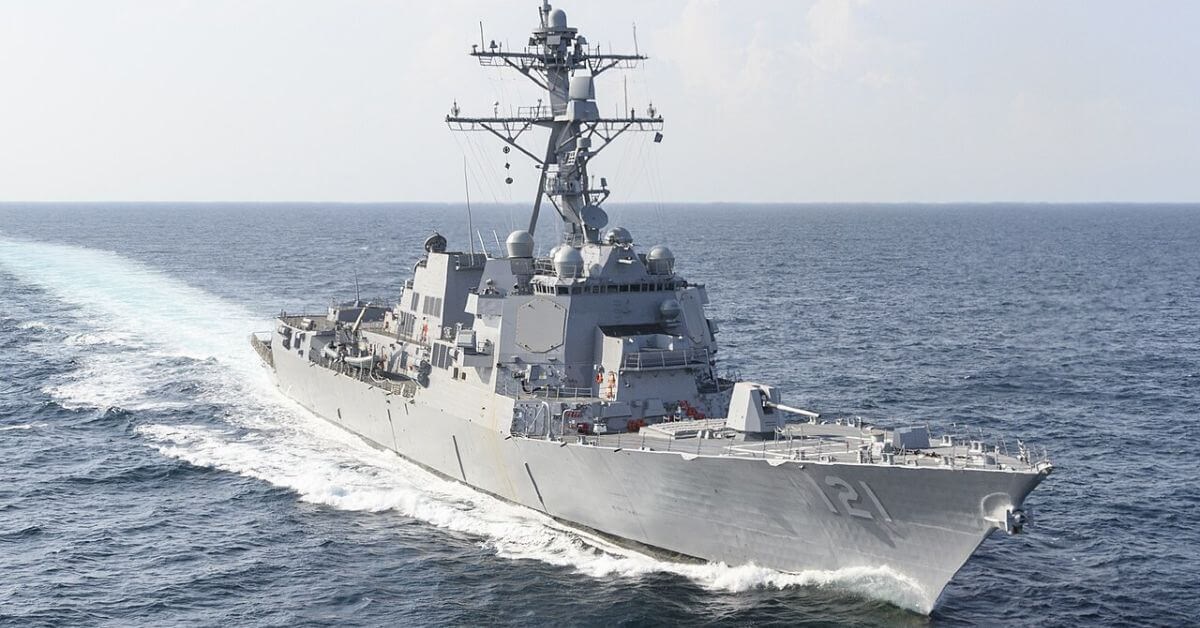
A 300-day deployment yields calibrated data from the Pacific theater
Ten months. Three hundred days of calibrated, real-time ocean intelligence from the Pacific theater. The USS Frank E. Petersen Jr. has returned to Pearl Harbor, and the data it gathered is now measurable and peer-reviewed. This is empirical evidence from a working warship, not a lab. Understanding drives protection. For deeper context on maritime security risks, see our coverage of the recent pirate attack on a hijacked tanker.
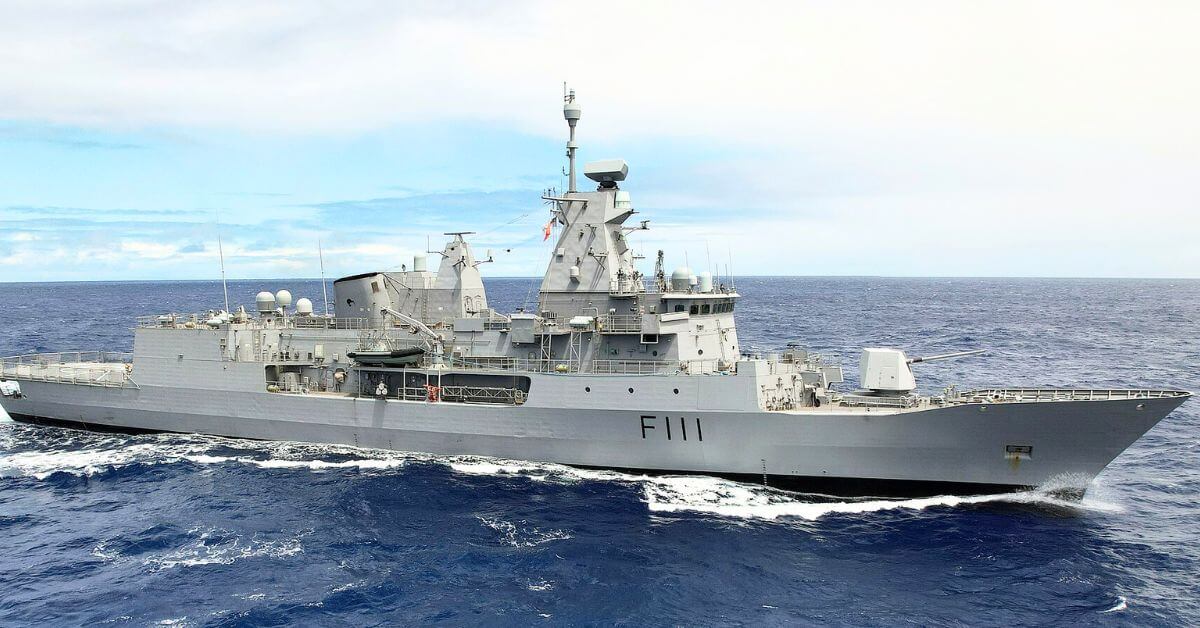
New Zealand Vessels Traverse Taiwan Strait En Route to Philippines Exercise
Two New Zealand naval vessels transited the Taiwan Strait on Sept. 18, bound for a joint exercise with the Philippines. The move signals a quiet but deliberate expansion of maritime collaboration across the Indo-Pacific, one that prioritizes operational presence over provocation. For those tracking the region's shifting security architecture, this passage is a measured data point, not a headline. It complements our coverage of integrated subsea infrastructure shifting toward the Indian Ocean, where strategic connections are being redrawn.
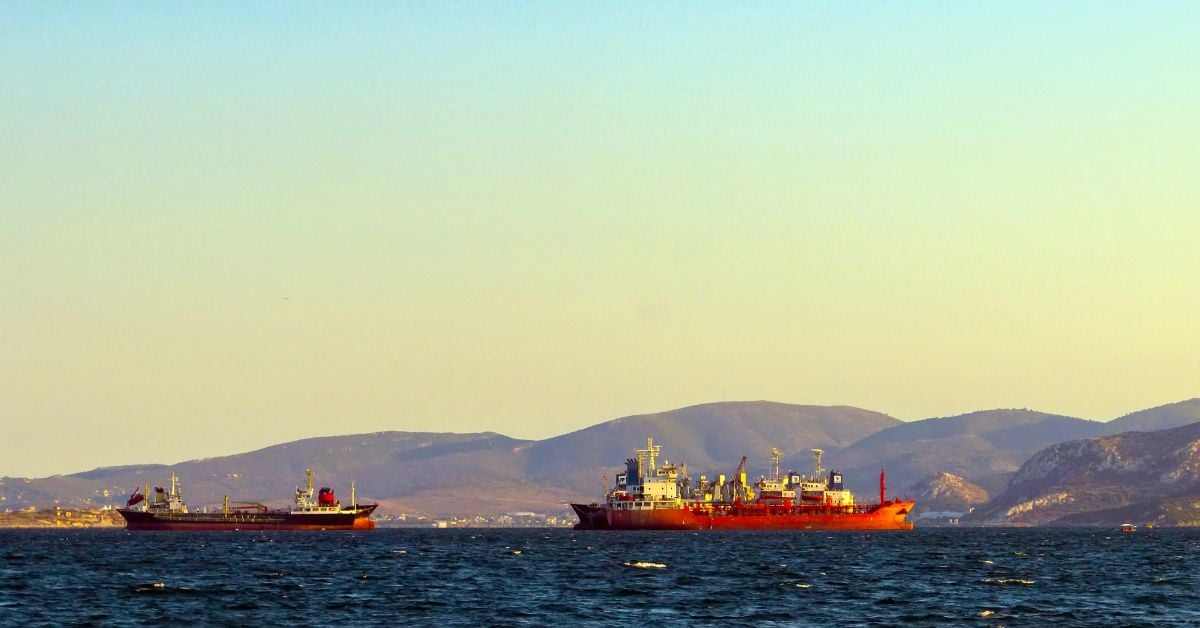
Oman Mediates Talks Between U.S. and Houthi Representatives Amid Red Sea Tensions
Diplomatic channels remain open even as tensions escalate along Yemen's Red Sea coast. Omani officials hosted U.S. Embassy personnel and Houthi representatives in Muscat, days after the group seized additional shoreline. This meeting signals a pragmatic attempt to manage a volatile situation, though concrete outcomes stay unclear. For context on regional maritime stress, our piece on Gulf of Oman STS transfers maxing out offers useful perspective. Dialogue is a start; sustained, verifiable commitments will determine whether this track produces stability.
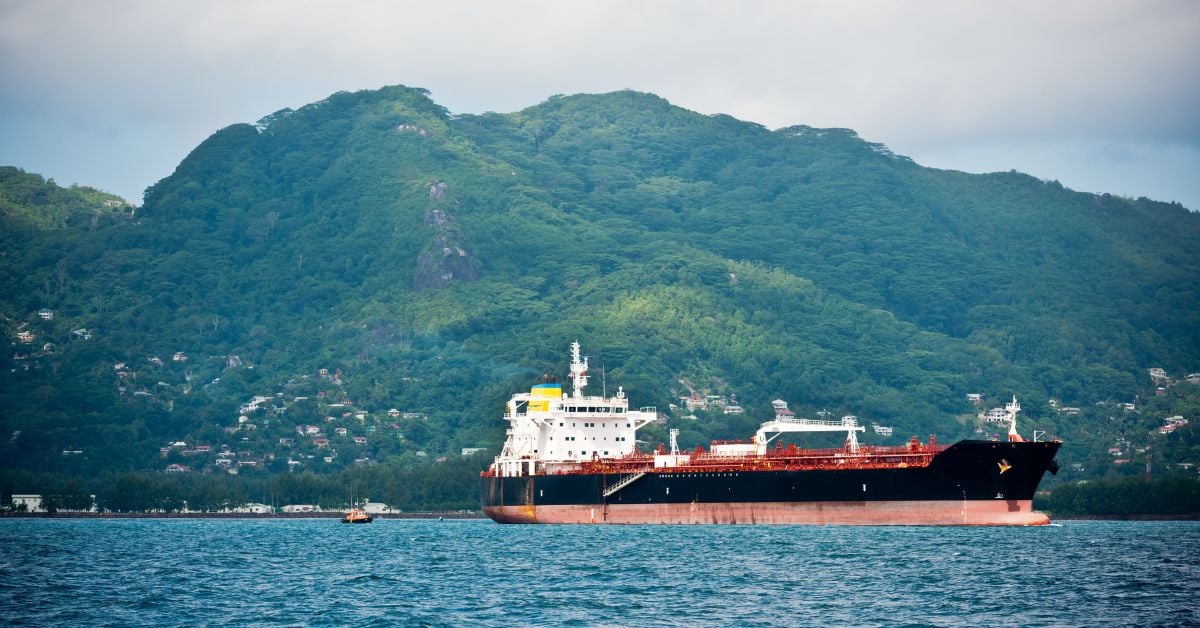
Heightened Tensions: Houthi Control of Perim Island Impacts Shipping Route
The Houthi seizure of Perim Island places a validated chokepoint under direct threat. Control of this island means the Bab El-Mandeb Strait, a corridor for global commerce, is now within range of Iran-backed forces. This is not speculation; it is a measurable escalation in regional instability. For readers tracking these disruptions, our report on "Puntland Forces Intercept Hijacked, US-Sanctioned Oil Tanker After 48 Hours" shows how quickly maritime security unravels. Understanding these links drives protection of vital sea lanes.
Protecting Maritime Routes: India and Iran Prioritize Ocean Safety.
Indian Prime Minister Narendra Modi has rightly elevated shipping safety and seafarer protection to a bilateral priority during talks with Iran's President. In a region where maritime chokepoints demand calibrated vigilance, this focus is both practical and overdue. The ocean does not recognize political borders, and shared responsibility for route security is the only measurable path forward. For deeper context on regional pressures, see our coverage of "Gulf of Oman STS Transfers Max Out Amid Rising Saudi Oil Exports."

Seafarer Safety Paramount Amidst Geopolitical Tensions in U.S.-Iran Conflict
The loss of seafarers in the U.S.-Iran conflict is a tragedy that demands our attention. IBIA's condolences are a sobering reminder: geopolitical tensions carry human costs that validated data cannot measure alone. Protecting those who work our oceans is non-negotiable. This crisis echoes the stakes seen in "Eighty Nations Urge Reopening of Vital Strait of Hormuz Shipping Lane", a channel where safety and security converge. We must integrate maritime intelligence with a commitment to seafarer welfare.

Iran Implements Transit Fees for Ships Through Strait of Hormuz
Iran's decision to impose transit fees on ships passing through the Strait of Hormuz introduces a calibrated layer of accountability to one of the world's most vital maritime corridors. Covering navigation, environmental support, fuel supply under specific conditions, and insurance, the measure frames safety as a service with measurable value. It is a pragmatic step, though one that warrants close observation. For broader context on regional shipping pressures, our related coverage of Gulf of Oman STS transfers offers useful perspective.

Caspian Sea Vessel Attacked: Iran Seeks Compensation Following Drone Strike
Iran's ambassador to Russia, Kazem Jalali, confirmed that Tehran is seeking compensation after a drone strike targeted the Anna, an Iranian-flagged cargo vessel in the Caspian Sea. The attack raises pointed questions about maritime security in a region already marked by strategic tension. Russia, for its part, has linked such incidents to broader military posturing, as seen in recent strikes on Ukrainian port infrastructure. This incident underscores the fragile line between commercial passage and geopolitical conflict, one that demands calibrated, evidence-based responses, not speculation.

Vessel Attack in Bab El-Mandeb: Egypt Denies Link to Damaged Ship
A Houthi missile strike on a commercial vessel in the Bab El-Mandeb Strait has left six dead and ten injured, with Egypt denying any link to the damaged ship. The attack underscores the fragile calculus of maritime security, where a single launch can ripple across trade routes and diplomatic lines. Egypt's response is measured, but the incident sharpens the question of who truly polices these waters.

Fatal Strike on Wheat Carrier Highlights Black Sea Shipping Risks
The attack on the Guinea-Bissau-flagged bulker carrying Ukrainian wheat marks a fatal escalation, killing one crew member and underscoring the mounting dangers in Black Sea shipping lanes. This is not a distant geopolitical abstraction; it is a direct threat to maritime safety and global food security. The loss of life demands accountability, and the risks to commercial vessels are now impossible to ignore. For deeper context on Russia's broader maritime tactics, see our related piece on Russian drone operations in the Mediterranean.

Maritime Coalition Deployed to Safeguard Red Sea Trade Routes.
A coalition of member states has deployed to safeguard Red Sea trade routes, with the alliance focused on protecting freedom of navigation, international commerce, and energy supply lines. The move reflects a measured commitment to maritime stability in a region where disruption carries global consequences. Protecting these waters is not optional; it is foundational to the interconnected systems that sustain economies.

Red Sea Security: Saudi Arabia Proposes International Maritime Coalition.
Saudi Arabia's proposal for an international maritime coalition targets the Houthi Group's escalating Red Sea disruption with a direct, collective response. The plan signals a calibrated shift toward shared security, though its success hinges on broad naval cooperation and sustained political will. It is a measured step, not a headline grab. For context on regional pressure points, our coverage of the Gulf of Oman STS transfers maxing out shows how tightly linked these maritime chokepoints have become.

Escalation in Hormuz: Iran Attacks Tanker Amid U.S. Strikes
The 11th consecutive evening of U.S. strikes against Iran concluded at 8:15 p.m. ET on July 21, as CENTCOM confirmed its ongoing campaign. The escalation in Hormuz now includes a direct tanker attack, sharpening a volatile maritime corridor. This is not abstract geopolitics; it is measured, repeated force meeting retaliation. For context on regional pressure points, our coverage of Gulf of Oman STS transfers maxing out shows how commercial chokepoints strain under such tension.

Attack on Cargo Ship Highlights Risks to Vital Grain Exports
Three Russian cruise missiles struck the Golden Leo, a cargo ship carrying corn, shortly after it departed Odesa, Ukrainian officials reported. This attack on a vital grain export route is not just an assault on a vessel; it is a calculated disruption of global food supply. The sea must remain open for commerce, not closed by aggression.

Fatal Strike Highlights Risks to Maritime Trade in the Indian Ocean
The first fatal strike on Indian merchant seafarers since 2022 sharpens the risk calculus across the Indian Ocean's vital shipping lanes. This attack is not an isolated incident; it signals a troubling escalation with direct consequences for global trade. We view this as a stark reminder that maritime security is fragile and demands integrated data ecosystems to track threats. For a broader perspective on regional instability, our piece on phased negotiations to ease Strait of Hormuz restrictions offers valuable context.

Strait of Hormuz Incident: Geopolitical Tensions Impact Maritime Trade
The Strait of Hormuz is a chokepoint, and the strikes on the Mombasa and Al Bahiyah prove how quickly that geography translates into real-world consequence. Two Iranian cruise missiles targeting commercial tankers is not a background noise issue; it is a direct fiscal and physical threat to the lanes that move global energy. The incident demands a measured response, not alarm.

Safeguarding Seas: IMO Council Underscores Navigation and Seafarer Safety.
The IMO Council closed its 137th session by reaffirming what should never be negotiable: the right to safe passage. Safeguarding Seas: IMO Council Underscores Navigation and Seafarer Safety reflects a measured, necessary stance amid rising geopolitical friction. Navigation rights are not abstract; they are the backbone of global trade and humanitarian access. The Council's clarity is welcome, especially as pressure on chokepoints intensifies.