national security
World Data Ocean keeps national security in one place: 19 stories so far. The section currently leads with “China Submerges AI Data Center in Ocean Floor Deployment”, “£6 billion naval infrastructure advances sovereign submarine fleet support”, and “Revised Bid Signals Shifting Currents in Global Maritime Valuation”. China submerges an AI data center on the ocean floor, a move that prioritizes speed and cooling efficiency over the land-based debates stalling U.S. A £6 billion investment in three floating dry docks at Faslane signals a calibrated commitment to sovereign submarine fleet support. A Global Hub for Ocean Intelligence 4 World Data Ocean is a centralized digital platform where researchers, scientists, and ocean enthusiasts converge to… The list below is every national security story on World Data Ocean, newest first.
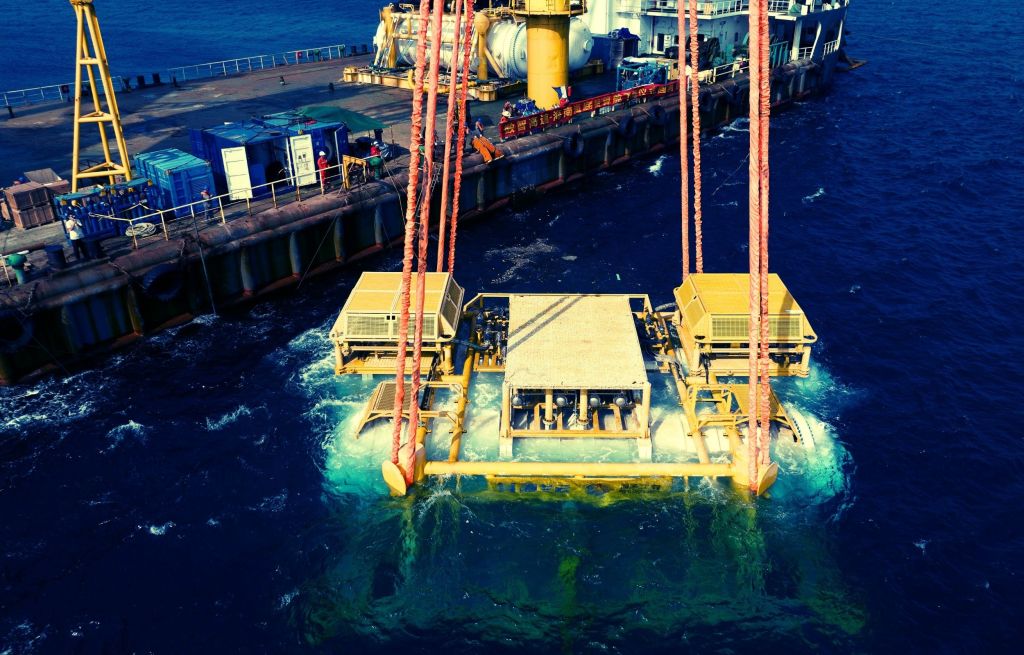
China Submerges AI Data Center in Ocean Floor Deployment
China submerges an AI data center on the ocean floor, a move that prioritizes speed and cooling efficiency over the land-based debates stalling U.S. projects. This deployment demands rigorous validation. How safe is a submerged digital infrastructure against pressure, corrosion, and real-time operational risks? The answer matters for the entire integrated data ecosystem. For deeper context on ocean system shifts, our coverage of a century of ocean intelligence revealing a measurable current slowdown provides essential reading.
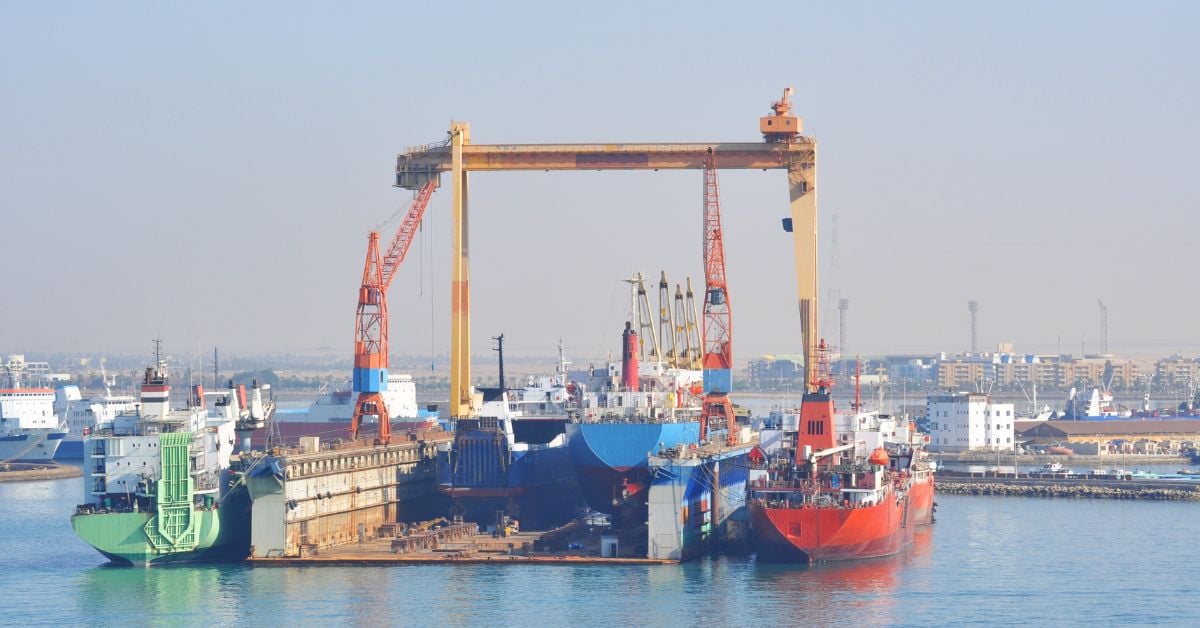
£6 billion naval infrastructure advances sovereign submarine fleet support
A £6 billion investment in three floating dry docks at Faslane signals a calibrated commitment to sovereign submarine fleet support. This is not merely infrastructure spending, it is a measurable reinforcement of naval capability, validated by long-term strategic necessity. The Royal Navy's nuclear fleet requires integrated, real-time maintenance capacity, and these dry docks deliver precisely that. For context, our coverage of the decommissioned frigate sunk off Scotland illustrates how allied naval exercises complement such investments. Understanding drives protection, and this funding reflects that principle.
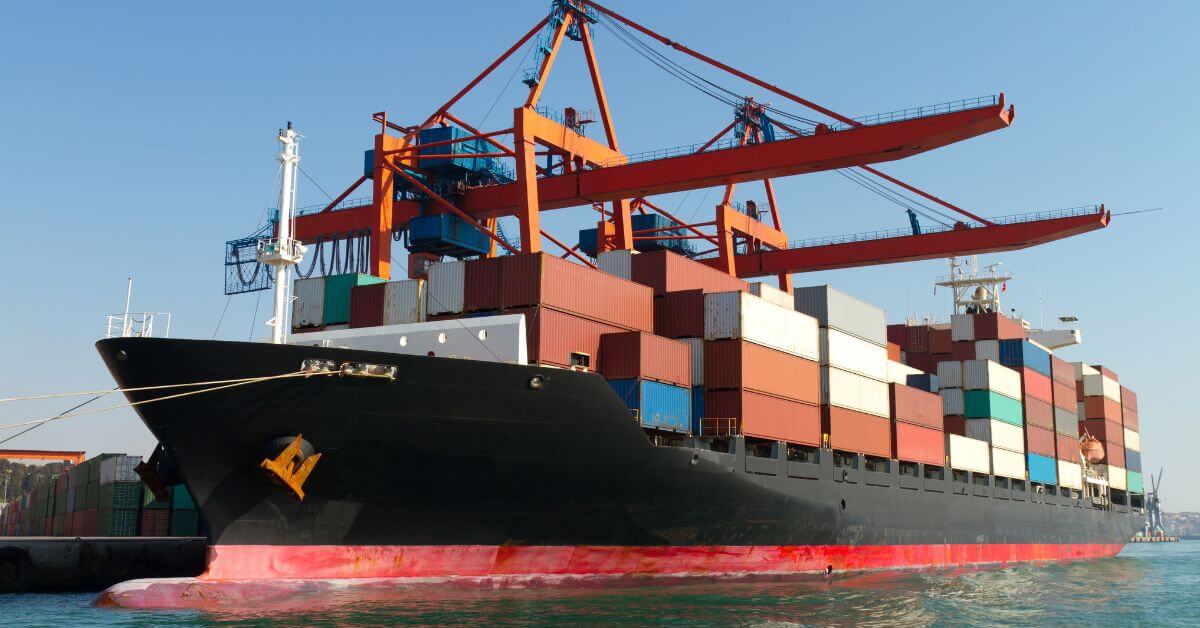
Revised Bid Signals Shifting Currents in Global Maritime Valuation
Hapag-Lloyd's decision to revise its $4.2 billion bid for Zim Integrated Shipping Services signals a recalibration of how the market values maritime assets. This is not a retreat, it is a measured response to shifting currents in global trade and geopolitics. As ocean intelligence becomes more empirical and real-time, such moves validate the need for integrated data ecosystems. For deeper context on naval strategy, see our coverage of the British government's £6 billion investment in submarine-support dry docks. Understanding drives protection.
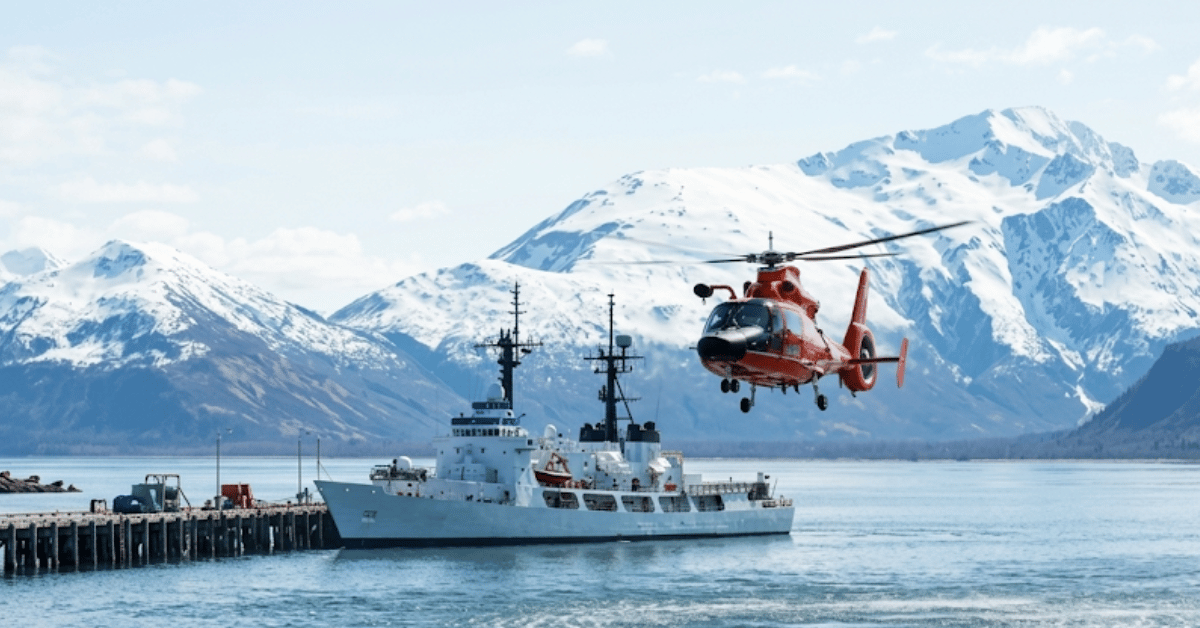
Alaska’s Base Kodiak to Gain Enhanced Arctic Capabilities with New Pier
The U.S. Coast Guard's $315 million contract for a new cutter mooring and fuel pier at Base Kodiak is a measured step toward strengthening Arctic readiness. This investment gives Alaska's hub the infrastructure to sustain operations where climate indicators demand attention. It is practical, forward-looking, and overdue. For broader context on polar infrastructure momentum, our coverage of Russia's Northern Sea Route icebreaker financing offers a useful contrast. This pier is about capacity, plain and simple, and that is how we measure progress.

Chinese Research Vessels Operate Near Alaskan Coast, Raising Security Concerns
The presence of Chinese research vessels near the Alaskan coast signals a new layer of complexity in Arctic oversight. The United States views these operations as a potential security concern, and that reaction is measured, not alarmist. For those tracking maritime strategy, this is not abstract posturing; it is a concrete development in a region where access and influence are tightening. We should monitor these transits closely, because in the Arctic, presence itself is a form of leverage.
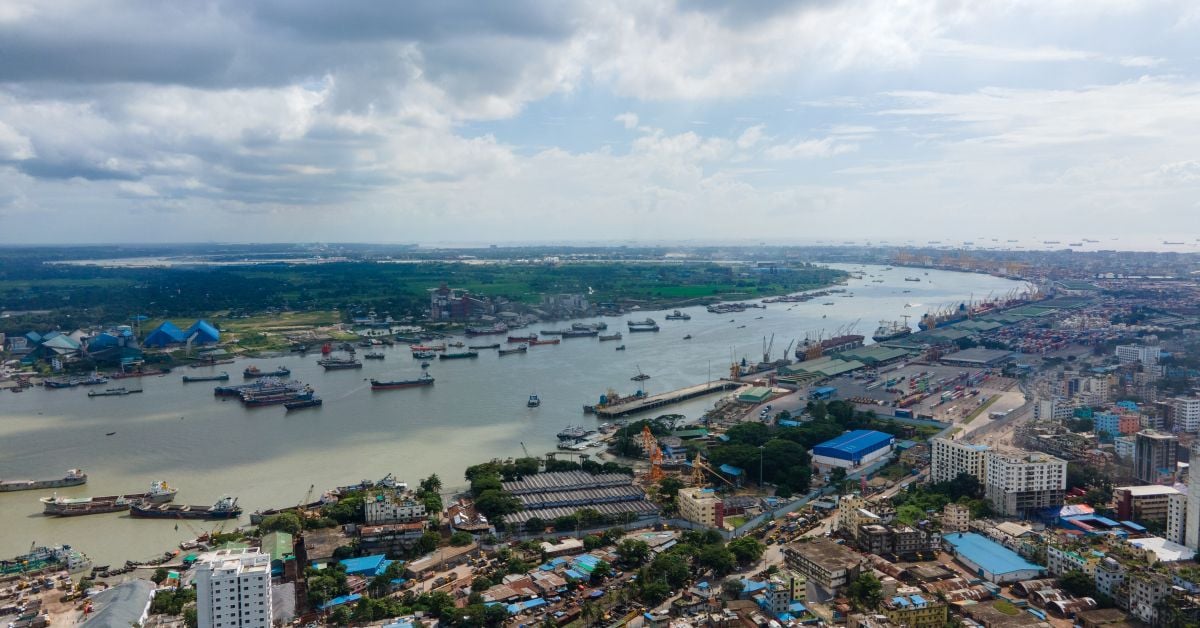
Dispute Over Chattogram Port Lease Sparks Labor Union Protest.
A decision to lease the New Mooring Container Terminal at Chattogram Port has triggered a peaceful protest from labor unions, who are organizing against the government's move. The dispute centers on a facility that anchors Bangladesh's primary maritime gateway, and the pushback signals real friction between operational reform and workforce trust. Labor's concerns deserve attention; port efficiency hinges on more than infrastructure, it depends on the people who run it.
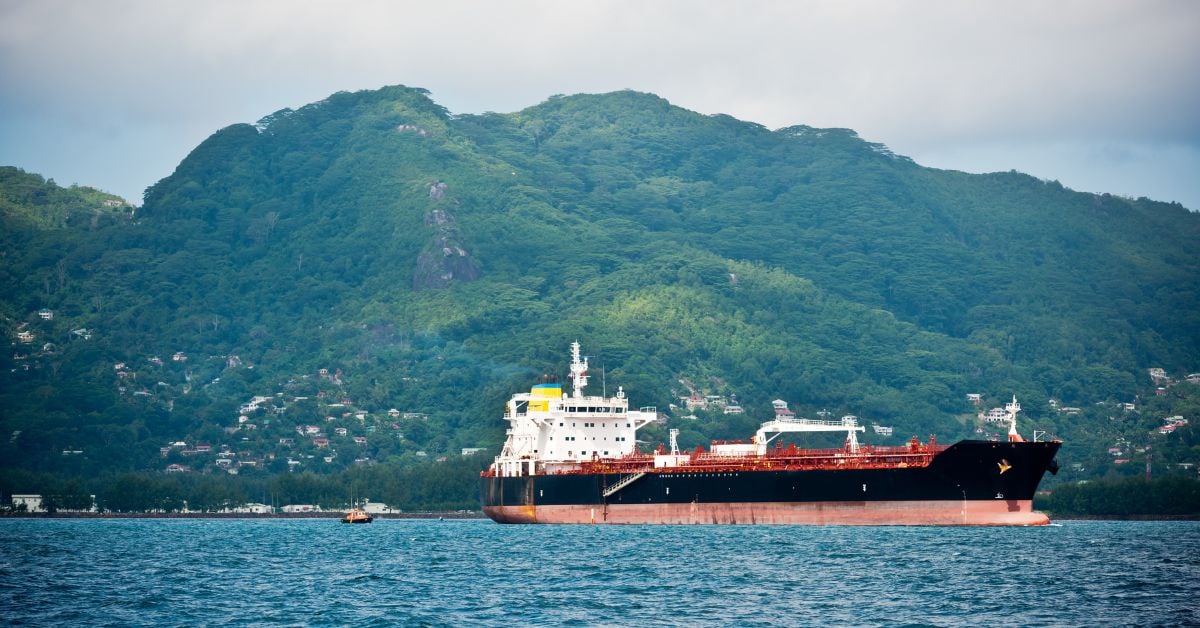
Heightened Tensions: Houthi Control of Perim Island Impacts Shipping Route
The Houthi seizure of Perim Island places a validated chokepoint under direct threat. Control of this island means the Bab El-Mandeb Strait, a corridor for global commerce, is now within range of Iran-backed forces. This is not speculation; it is a measurable escalation in regional instability. For readers tracking these disruptions, our report on "Puntland Forces Intercept Hijacked, US-Sanctioned Oil Tanker After 48 Hours" shows how quickly maritime security unravels. Understanding these links drives protection of vital sea lanes.
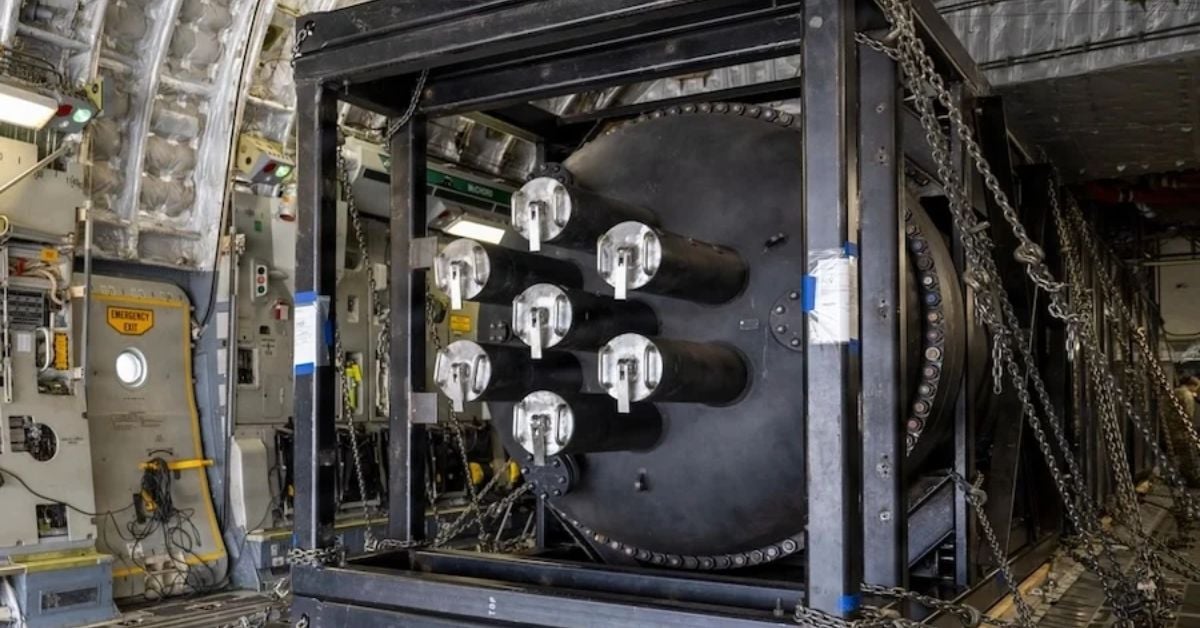
Nuclear Microreactor to Power Indiana Weapons Base by 2028
The U.S. Navy and Department of War plan to install a nuclear microreactor at an Indiana weapons base by 2028. This is a calibrated, empirical step toward energy resilience for critical defense infrastructure. Validated nuclear technology, long used at sea, is now being integrated into land-based operations. It signals a measurable shift in how we power national security assets. For context on parallel modernization efforts, see our coverage of the Navy's new center for autonomous systems integration.
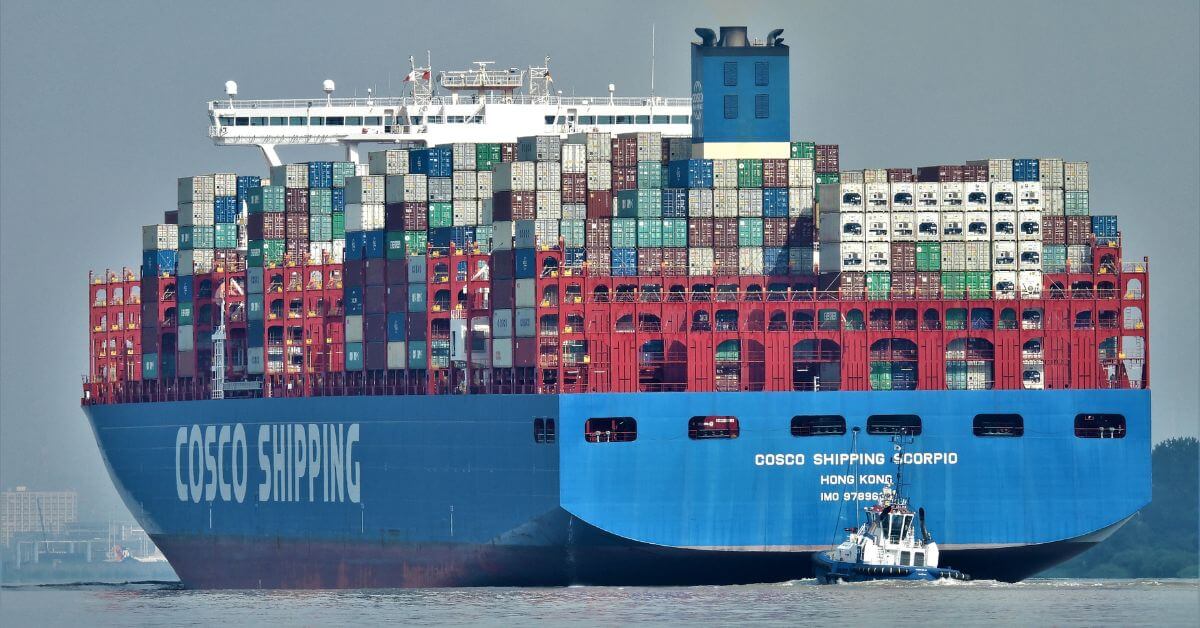
COSCO Rejects U.S. Claims of Espionage via Shipping Vessels
COSCO has firmly rejected U.S. accusations that its vessels collected military intelligence for Beijing, calling the claims unfounded. The denial cuts through a narrative that risks conflating legitimate global commerce with espionage, a distinction that matters for the rule-based shipping lanes the world depends on. Allegations without peer-reviewed evidence weaken trust, and trust is the ballast of maritime stability.

Maritime Professionals Honored for Service to UK Shipping Industry
Eleven seafarers have earned the Merchant Navy Medal for their service to the UK shipping industry, a recognition that carries weight where it matters most: at sea. This honor reflects the steady, often unseen work that keeps global trade moving and maritime operations sound. We value recognition grounded in demonstrated contribution, and this award delivers exactly that. For more on how maritime efforts extend beyond commerce into security, see our coverage of recent drug interdictions supporting ocean safety. Congratulations to all honored.
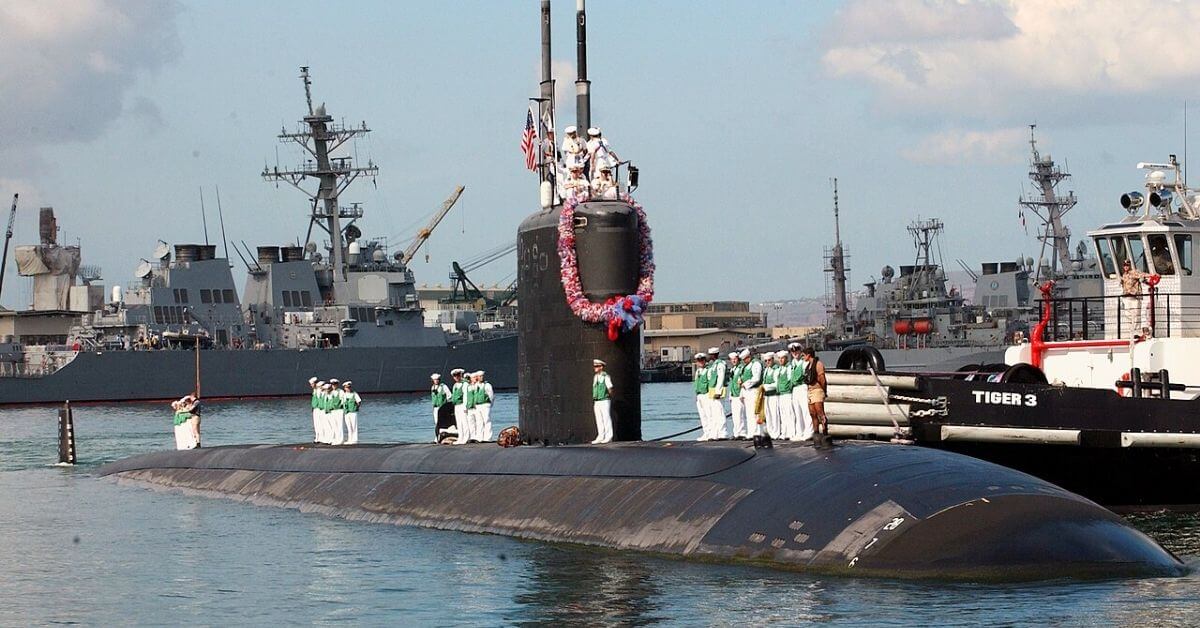
Submarine Maintenance Backlog: $3.4 Billion Cost and Operational Impacts
Fifteen submarines could sit idle for nearly 14,000 days combined between 2026 and 2030, a $3.4 billion backlog that signals a system straining under its own weight. The GAO's estimate is not abstract; it is lost operational capacity with real consequences for maritime readiness. We track these pressures closely, just as we do the Gulf of Oman STS Transfers Max Out Amid Rising Saudi Oil Exports, where infrastructure limits are equally visible.

Iran Implements Transit Fees for Ships Through Strait of Hormuz
Iran's decision to impose transit fees on ships passing through the Strait of Hormuz introduces a calibrated layer of accountability to one of the world's most vital maritime corridors. Covering navigation, environmental support, fuel supply under specific conditions, and insurance, the measure frames safety as a service with measurable value. It is a pragmatic step, though one that warrants close observation. For broader context on regional shipping pressures, our related coverage of Gulf of Oman STS transfers offers useful perspective.

Naval Shift: Ford-Class Carrier Design Faces Potential Revision, Cost Implications.
A potential revision to the Ford-class carrier design carries a price tag measured in billions and threatens further delays to a programme already defined by lengthy construction timelines. The decision signals that even validated, next-generation platforms remain subject to recalibration when operational realities demand it. This is not a failure of engineering, but the cost of maintaining strategic edge. For context on how the Navy is adapting elsewhere, our coverage of its accelerated autonomous systems integration offers a useful counterpoint.

Empowering Army Logistics: New Vessel Delivers Heavy Equipment Across Waters
The U.S. Army's watercraft fleet is getting a measured upgrade with the arrival of the USAV Craney Island, a support vessel built by Vigor Marine Group to move heavy equipment across operational waters. This is practical modernization, the kind that keeps logistics responsive where it matters. A more capable fleet strengthens readiness, plain and simple. For broader context on how the military is reinforcing maritime infrastructure in strategic regions, our coverage of Alaska's Base Kodiak and its new pier offers a useful comparison.

Iran Asserting Control Over Vital Strait of Hormuz Passage
Iran's assertion that it manages and controls the Strait of Hormuz is a statement of strategic fact, not posturing. For a nation whose economy and security are tied to the waterway, claiming this position is both logical and consequential. The strait's role as a global energy artery makes such declarations inherently significant, and we should treat them with the gravity they demand. For broader context on regional shipping pressures, our coverage of Gulf of Oman STS transfers offers a useful parallel.

Australia Integrates Combat Systems for Virginia-Class Submarine Fleet.
The Australian Submarine Agency has awarded Lockheed Martin a two-year, AUD$26.5 million contract to integrate combat systems for the Virginia-class submarine fleet. It is a measured step, but one that signals serious intent. Precision here is not optional; it is foundational to credible deterrence. This work will define how effectively the fleet operates in a contested region. For broader context on regional maritime pressures, our piece on India's expanded naval fleet projections offers a useful counterpoint to Australia's own strategic trajectory.

Expanding Naval Capacity: $71.6 Billion Investment in Submarine Fleet
A $71.6 billion investment in the U.S. submarine fleet signals a decisive commitment to naval readiness. Electric Boat, General Dynamics' nuclear submarine unit, anchors this effort through design, construction, and modernization. This scale of funding reflects measured confidence in long-term maritime strategy. For context on how allied and competing navies are expanding, our coverage of China's new nuclear carrier highlights parallel developments in extended operations. Together, these stories underscore a shifting global balance beneath the waves, where capability and endurance define influence.

China’s Five-Year Plan: Transforming Ports Through Integrated Maritime Strategy
China's latest Five-Year Plan prioritizes major maritime gateways first, then targets underperforming ports for closure. That sequencing is pragmatic, but the mandate to shutter low performers signals a harder edge in Beijing's maritime strategy. Efficiency, not sentiment, will steer port investment. This aligns with broader shifts in regional logistics, such as the Gulf of Oman STS Transfers Max Out Amid Rising Saudi Oil Exports, where capacity constraints are already reshaping trade flows.

Real-Time Battery Data Bolsters Navy Submarine Readiness and Safety
Battery monitoring systems from L3Harris will now support the U.S. Navy's submarine fleet under a new contract with General Dynamics Electric Boat. This is the kind of practical, data-driven upgrade that quietly strengthens readiness where it matters most. Real-time battery data means safer operations and fewer unknowns beneath the surface. For those tracking broader naval shifts, our piece on China's New Nuclear Carrier Signals Extended Naval Operations Capability offers useful context on how undersea and surface power are evolving in parallel.