maritime chokepoint
8 stories filed under maritime chokepoint on World Data Ocean. The newest of them: “Analyzing Container Shipping Resilience Amid Red Sea Disruptions”, “Oman Mediates Talks Between U.S. and Houthi Representatives Amid Red Sea Tensions”, and “Seafarer Missing After Ship Attack Near Oman Coast; Thirteen Rescued”. A corridor closure does not have to sever the network to degrade it. Diplomatic channels remain open even as tensions escalate along Yemen's Red Sea coast. A Global Hub for Ocean Intelligence 4 World Data Ocean is a centralized digital platform where researchers, scientists, and ocean enthusiasts converge to… The list below is every maritime chokepoint story on World Data Ocean, newest first.

Analyzing Container Shipping Resilience Amid Red Sea Disruptions
A corridor closure does not have to sever the network to degrade it. New modeling of the Red Sea, Suez disruption shows that passive diversion alone drops service levels to 0.827, even while the largest connected component stays intact. The real bottleneck is not port capacity but fleet turnover. That distinction matters as operators weigh Cape rerouting against joint optimization. For broader context, our coverage of Russia's icebreaker financing plans offers a useful counterpoint on how states are investing in Arctic alternatives.
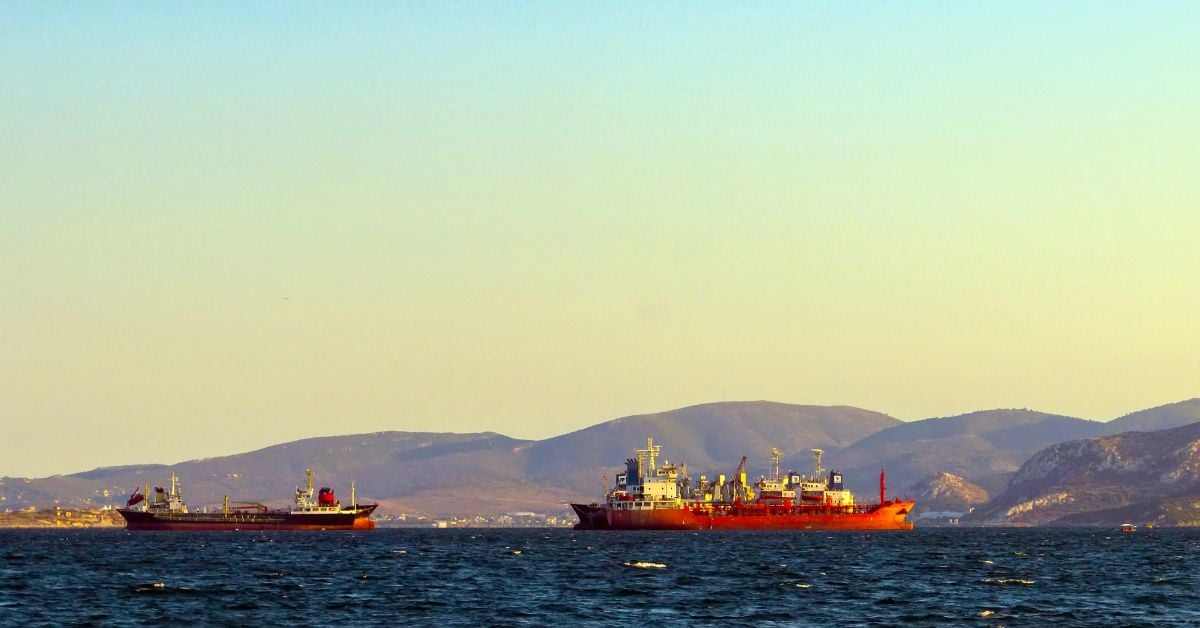
Oman Mediates Talks Between U.S. and Houthi Representatives Amid Red Sea Tensions
Diplomatic channels remain open even as tensions escalate along Yemen's Red Sea coast. Omani officials hosted U.S. Embassy personnel and Houthi representatives in Muscat, days after the group seized additional shoreline. This meeting signals a pragmatic attempt to manage a volatile situation, though concrete outcomes stay unclear. For context on regional maritime stress, our piece on Gulf of Oman STS transfers maxing out offers useful perspective. Dialogue is a start; sustained, verifiable commitments will determine whether this track produces stability.
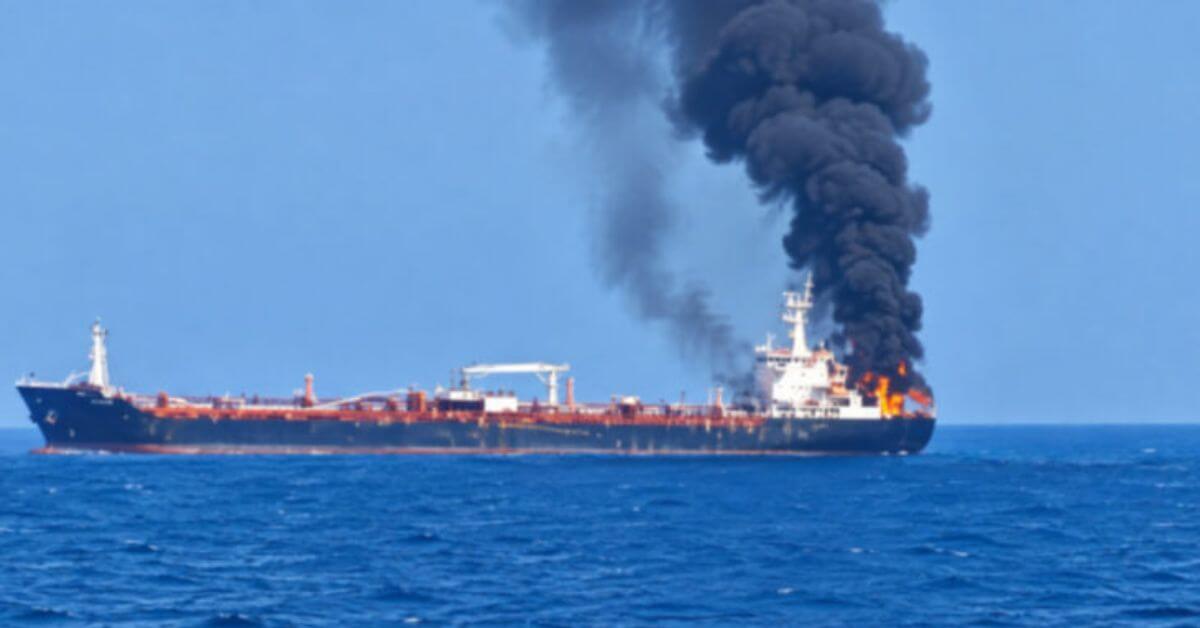
Seafarer Missing After Ship Attack Near Oman Coast; Thirteen Rescued
One Indian seafarer remains missing after an attack on a vessel near the Oman coast, while thirteen crew members have been rescued, India's Ministry of External Affairs confirmed. The incident underscores the persistent volatility of regional waters, where commercial traffic proceeds under tangible risk. Search efforts continue, though the outcome remains uncertain. For broader context on maritime pressure points, our related coverage of Gulf of Oman STS transfers offers useful perspective on the strategic strains shaping this corridor.
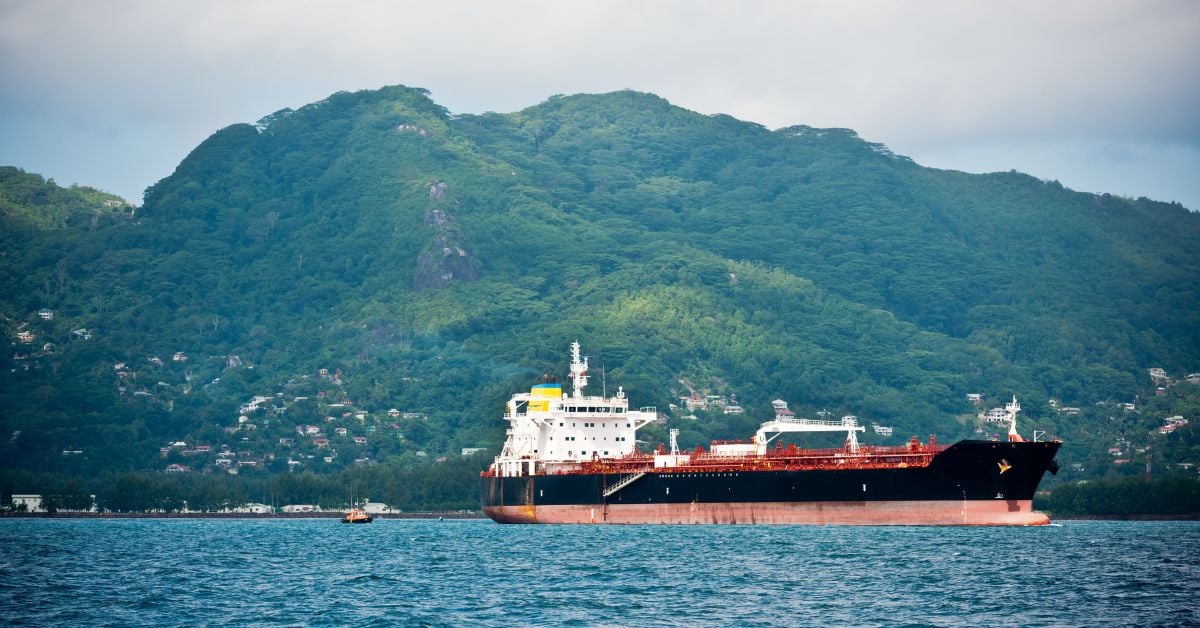
Heightened Tensions: Houthi Control of Perim Island Impacts Shipping Route
The Houthi seizure of Perim Island places a validated chokepoint under direct threat. Control of this island means the Bab El-Mandeb Strait, a corridor for global commerce, is now within range of Iran-backed forces. This is not speculation; it is a measurable escalation in regional instability. For readers tracking these disruptions, our report on "Puntland Forces Intercept Hijacked, US-Sanctioned Oil Tanker After 48 Hours" shows how quickly maritime security unravels. Understanding these links drives protection of vital sea lanes.

Mitigating Supply Chain Risk: KPC Enables Ship-to-Ship Transfers.
Kuwait Petroleum Corporation is offering buyers ship-to-ship transfers beyond the Strait of Hormuz, a measured response to a volatile chokepoint. This is not panic, it is calibrated risk management. By moving cargo to safer waters, KPC keeps supply chains operational without relying on diplomatic breakthroughs. We have explored the limits of this approach in "Gulf of Oman STS Transfers Max Out Amid Rising Saudi Oil Exports," which underscores that capacity, not will, now defines the region's resilience.
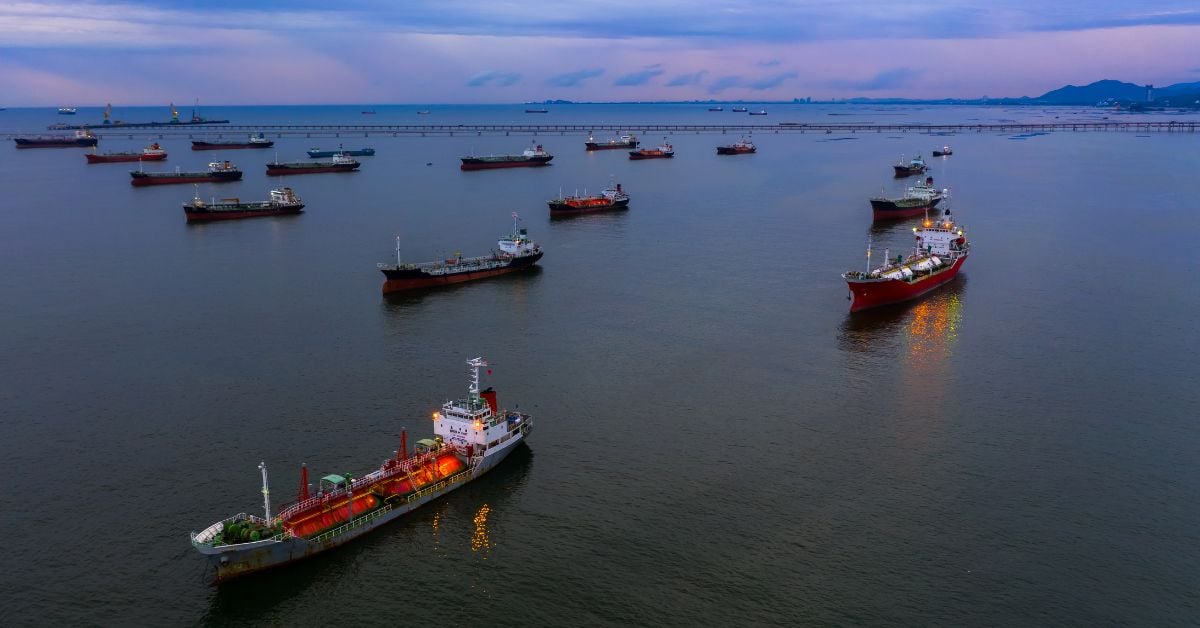
Naval Escort Ensures Oil Transit Through Strait of Hormuz.
On Tuesday, 40 tankers carrying roughly 18 million barrels of crude moved through the Strait of Hormuz under U.S. Navy escort, a measured show of force that underscores how vital this corridor remains to global energy stability. The transit proceeded without incident, but the escort is a reminder that maritime security is not automatic. For those tracking the region's shifting dynamics, our coverage of phased negotiations to ease restrictions on the Strait offers useful context. Reliable passage here is not just strategic; it is foundational.

Red Sea Security: Saudi Arabia Proposes International Maritime Coalition.
Saudi Arabia's proposal for an international maritime coalition targets the Houthi Group's escalating Red Sea disruption with a direct, collective response. The plan signals a calibrated shift toward shared security, though its success hinges on broad naval cooperation and sustained political will. It is a measured step, not a headline grab. For context on regional pressure points, our coverage of the Gulf of Oman STS transfers maxing out shows how tightly linked these maritime chokepoints have become.

Kuwaiti Warship Struck: Four Personnel Injured in Iranian Attack
A Kuwaiti naval vessel was struck by an Iranian missile and drone barrage, leaving four armed forces personnel injured, according to Kuwait's Military. The attack underscores the fragile security calculus of a region already straining under disrupted shipping lanes. Such strikes are not isolated incidents; they are symptoms of a broader volatility that demands calibrated, data-driven responses. As diplomatic efforts like the phased negotiations over the Strait of Hormuz gain traction, the need for validated ocean intelligence has never been more immediate.