Yemen
46 stories filed under Yemen on World Data Ocean. The newest of them: “Human tragedy in Djibouti waters underscores urgent need for integrated ocean safety”, “Explosions Reported Near Tanker Transiting Regional Waters, Crew Unharmed”, and “US Naval Deployments Continue as Middle East Operations Extend to Eighth Month”. A boat carrying dozens of people sank near Guhere, north of Obock, Djibouti, during the night of October 8-9. A crew witnessed explosions while their tanker transited regional waters today. A Global Hub for Ocean Intelligence 4 World Data Ocean is a centralized digital platform where researchers, scientists, and ocean enthusiasts converge to… The list below is every Yemen story on World Data Ocean, newest first.
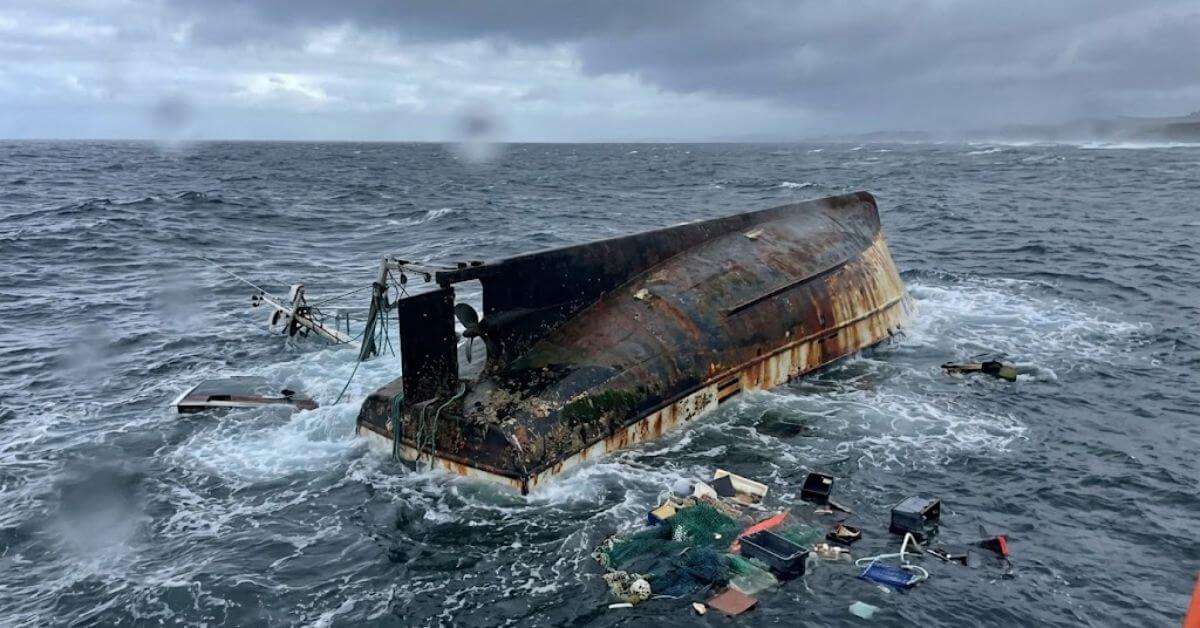
Human tragedy in Djibouti waters underscores urgent need for integrated ocean safety
A boat carrying dozens of people sank near Guhere, north of Obock, Djibouti, during the night of October 8-9. The human tragedy is a stark reminder that ocean safety cannot be fragmented. Lives depend on integrated, coordinated response systems. Our recent coverage of Europe's COASTEX 2026 trial shows how multi-agency maritime coordination is being validated in real-world exercises. These capabilities are not theoretical; they are urgently needed wherever vessels cross dangerous waters.
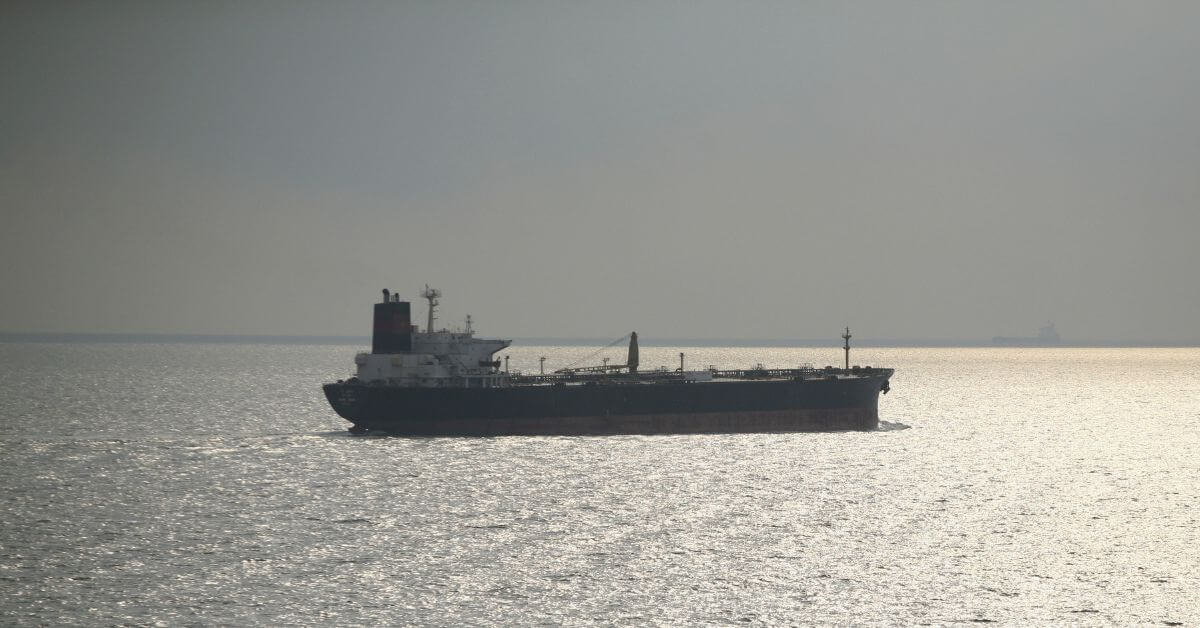
Explosions Reported Near Tanker Transiting Regional Waters, Crew Unharmed
A crew witnessed explosions while their tanker transited regional waters today. The company security officer reported the incident; all personnel remain unharmed. Maritime safety demands vigilance, and this event underscores the need for reliable reporting networks. No injuries, but the pattern is concerning. For deeper context on how geopolitical shocks are reshaping shipping routes, see our related analysis, "Geopolitical shocks reshape shipping routes with measurable regional divergence."
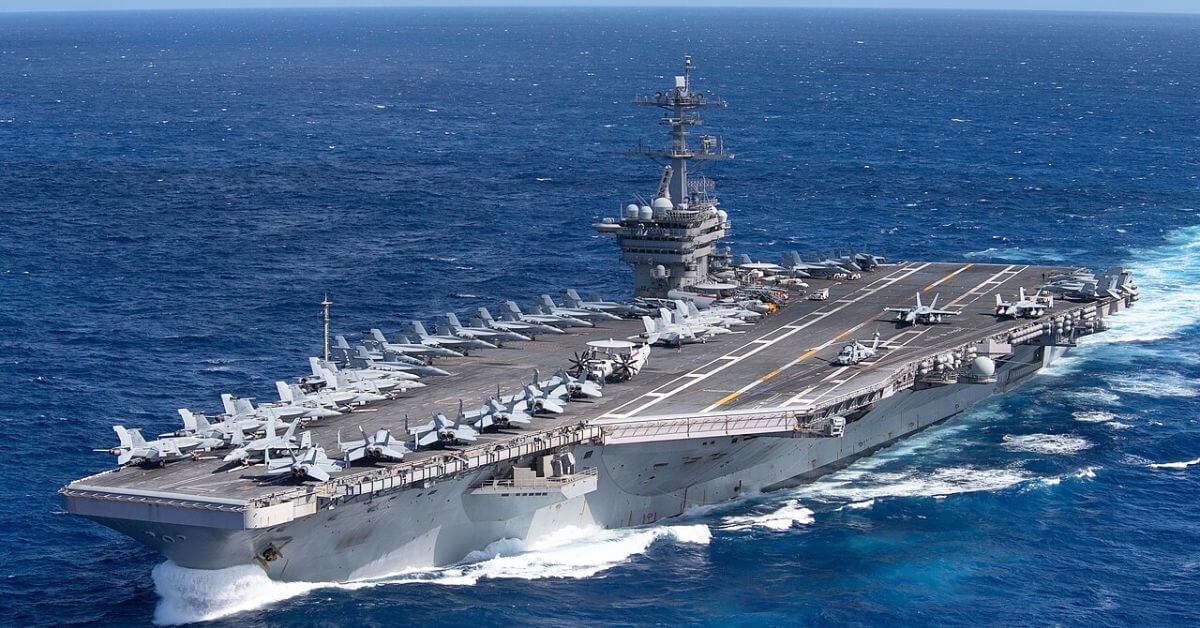
US Naval Deployments Continue as Middle East Operations Extend to Eighth Month
The USS Theodore Roosevelt carrier strike group departed San Diego on Sunday, with the USS Makin Island amphibious readiness group following a day later, extending US naval deployments in the Middle East into an eighth month. Sustained presence reflects measured, strategic commitment, not escalation theater. For context on regional risk, our coverage of projectiles striking tankers near the Strait of Hormuz underscores why such deployments remain calibrated responses to measurable threats. Operational endurance matters, but the data driving these decisions matters more.
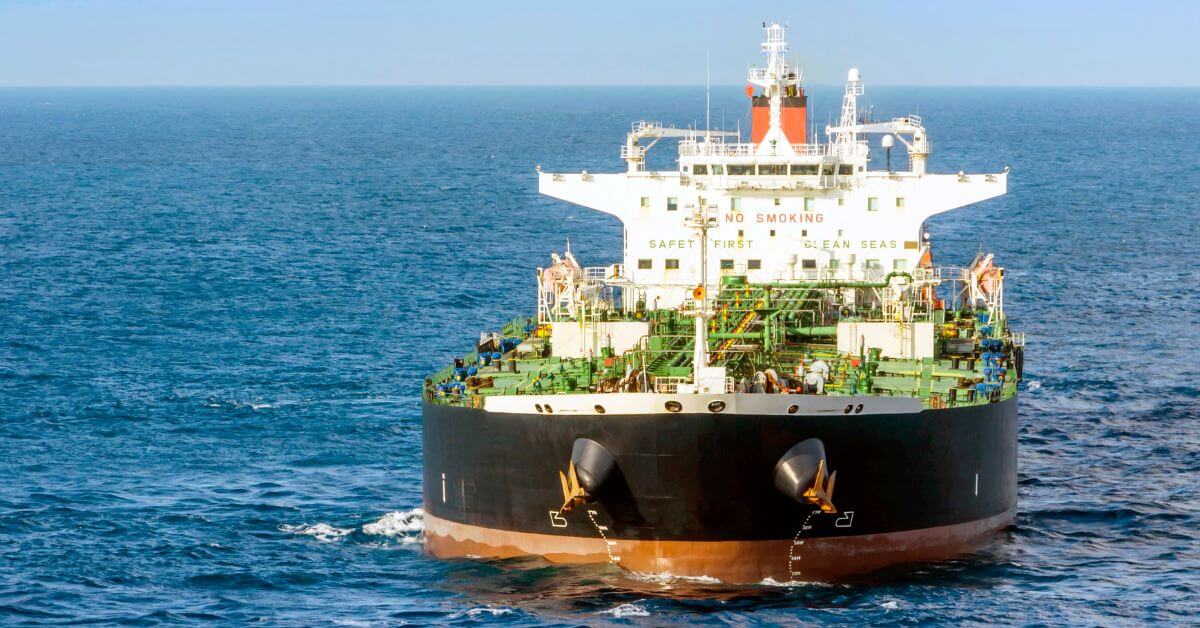
Puntland Forces Intercept Hijacked, US-Sanctioned Oil Tanker After 48 Hours
Puntland forces have ended a 48-hour standoff, intercepting a US-sanctioned oil tanker hijacked by Somali pirates off the Somali coast. The operation underscores the growing security challenges in regional waters, where illicit maritime activity threatens both trade and stability. This rescue reflects a pragmatic use of force and coordination, a reminder that ocean intelligence is as much about security as it is about data.
Fishermen Halt Mediterranean Ports Amid Rising Fuel Costs, Geopolitical Tensions
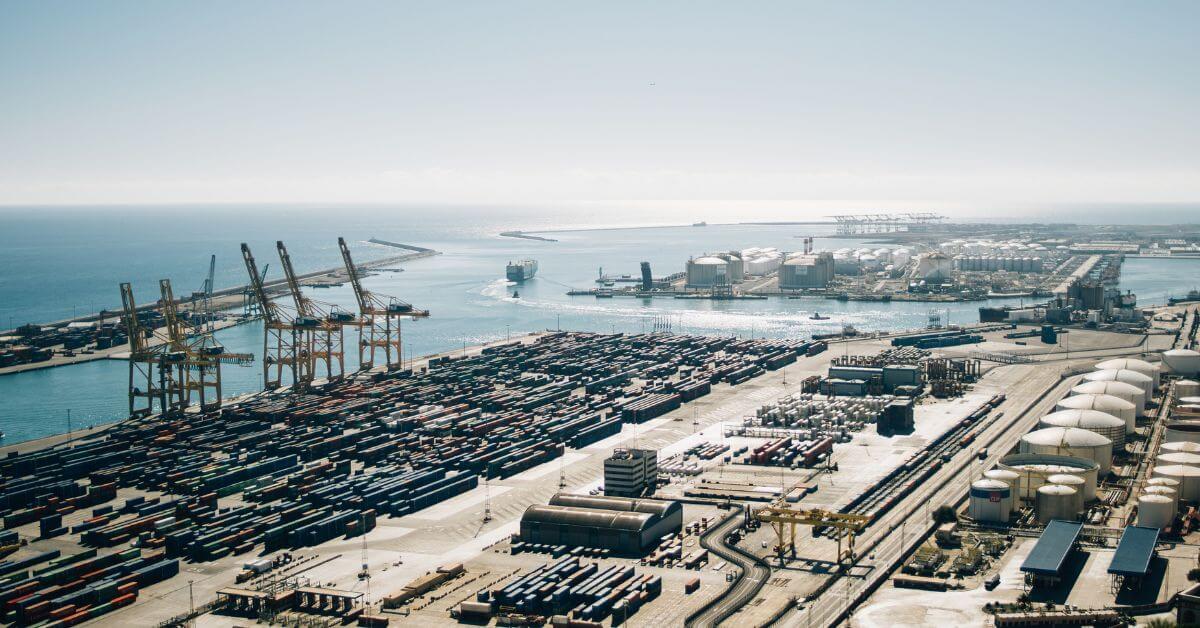
French fishermen blockaded the ports of Nice and Sète, along with an oil depot in Frontignan, on Thursday, September 17, grounding their trawlers in a protest over soaring fuel costs and mounting geopolitical strain. The action is a pointed reminder that maritime economies operate on a knife's edge, where diesel prices and international tensions converge. It is a measured, tactical standstill, not a spectacle.
Oman Mediates Talks Between U.S. and Houthi Representatives Amid Red Sea Tensions
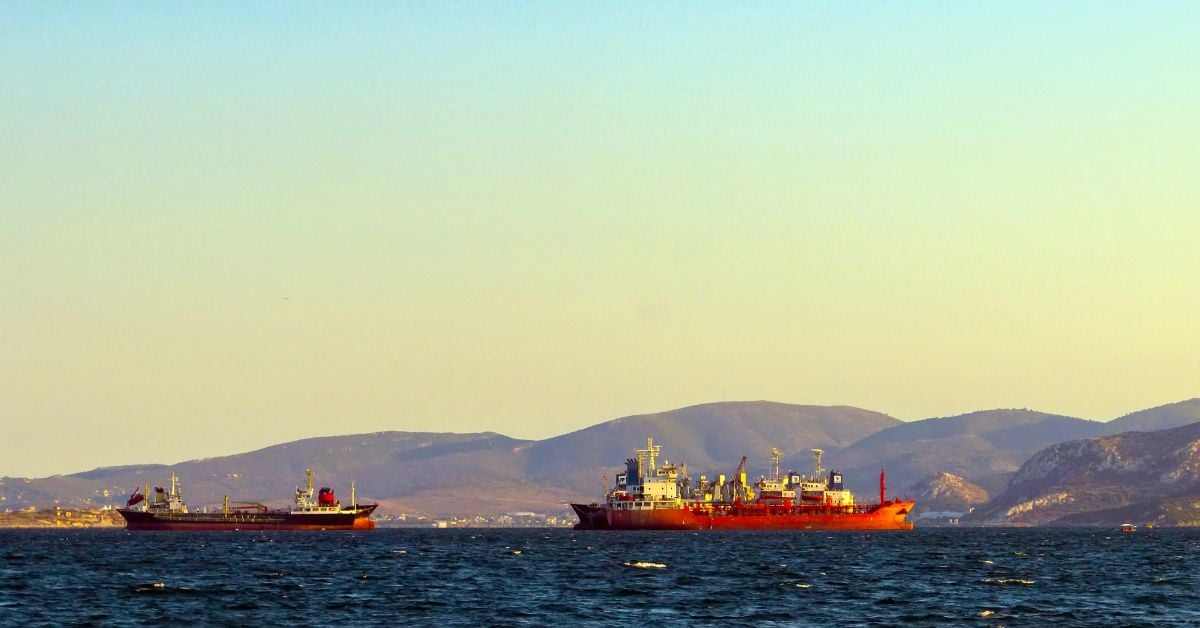
Diplomatic channels remain open even as tensions escalate along Yemen's Red Sea coast. Omani officials hosted U.S. Embassy personnel and Houthi representatives in Muscat, days after the group seized additional shoreline. This meeting signals a pragmatic attempt to manage a volatile situation, though concrete outcomes stay unclear. For context on regional maritime stress, our piece on Gulf of Oman STS transfers maxing out offers useful perspective. Dialogue is a start; sustained, verifiable commitments will determine whether this track produces stability.
Seafarer Missing After Ship Attack Near Oman Coast; Thirteen Rescued
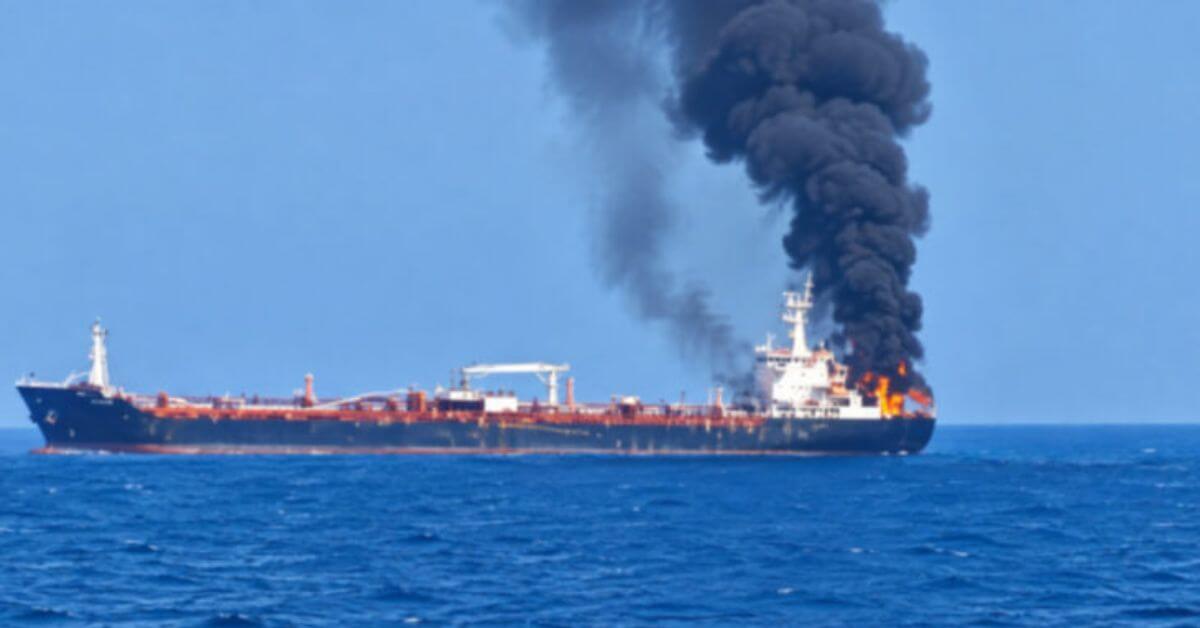
One Indian seafarer remains missing after an attack on a vessel near the Oman coast, while thirteen crew members have been rescued, India's Ministry of External Affairs confirmed. The incident underscores the persistent volatility of regional waters, where commercial traffic proceeds under tangible risk. Search efforts continue, though the outcome remains uncertain. For broader context on maritime pressure points, our related coverage of Gulf of Oman STS transfers offers useful perspective on the strategic strains shaping this corridor.

Disruption on East-West Pipeline Impacts Saudi Oil Export Routes.
A 1,200-kilometer artery of Saudi crude has been disrupted. The East-West Pipeline, which bypasses the Strait of Hormuz to deliver oil to Red Sea terminals, now faces operational impacts. This is not merely a logistical snag; it is a stress test for alternative export routes. When a calibrated system falters, the ripple effects are measurable. For deeper context on regional bottlenecks, see our coverage of "Gulf of Oman STS Transfers Max Out Amid Rising Saudi Oil Exports."
Heightened Tensions: Houthi Control of Perim Island Impacts Shipping Route
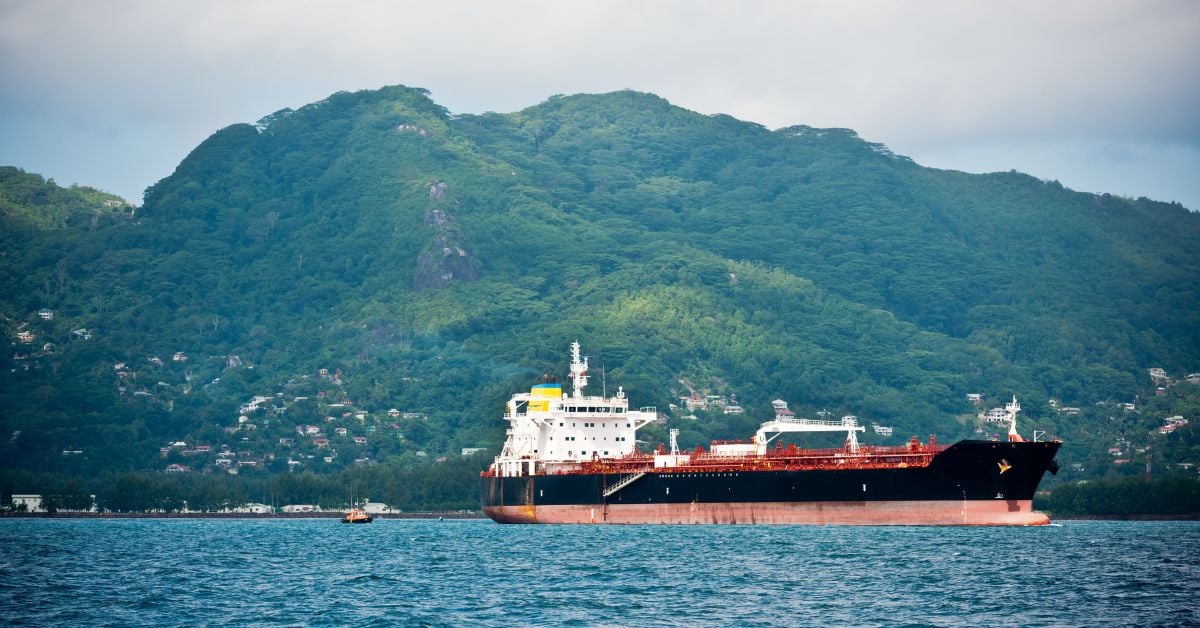
The Houthi seizure of Perim Island places a validated chokepoint under direct threat. Control of this island means the Bab El-Mandeb Strait, a corridor for global commerce, is now within range of Iran-backed forces. This is not speculation; it is a measurable escalation in regional instability. For readers tracking these disruptions, our report on "Puntland Forces Intercept Hijacked, US-Sanctioned Oil Tanker After 48 Hours" shows how quickly maritime security unravels. Understanding these links drives protection of vital sea lanes.

Houthi Control Expands Near Vital Bab el-Mandeb Strait.
The Houthis have seized new territory near the Bab el-Mandeb Strait, tightening their grip on a chokepoint that connects the Red Sea to the Gulf of Aden. This expansion is a measured but significant shift in regional leverage. Validated by empirical observation, their increased control raises calibrated concerns for maritime security and global trade flows. For deeper context on regional maritime pressures, our related coverage on Gulf of Oman STS transfers offers an integrated perspective. Understanding drives protection, this development demands attention.

Gulf of Aden Sees First Reported Piracy Incident Since August.
The Gulf of Aden has recorded its first piracy incident since August, a sobering reminder that maritime security remains fragile. This hijacking, the 25th worldwide since the start of 2026, underscores the persistent vulnerability of critical shipping lanes. Measurable threats like this demand calibrated, data-driven responses, not alarm. For broader context on regional maritime pressures, see our report on how Gulf of Oman STS transfers have maxed out amid rising Saudi oil exports. Understanding these interconnected risks is the first step toward effective ocean stewardship.
Attacks Disrupt Saudi Oil Operations; Regional Instability Intensifies.
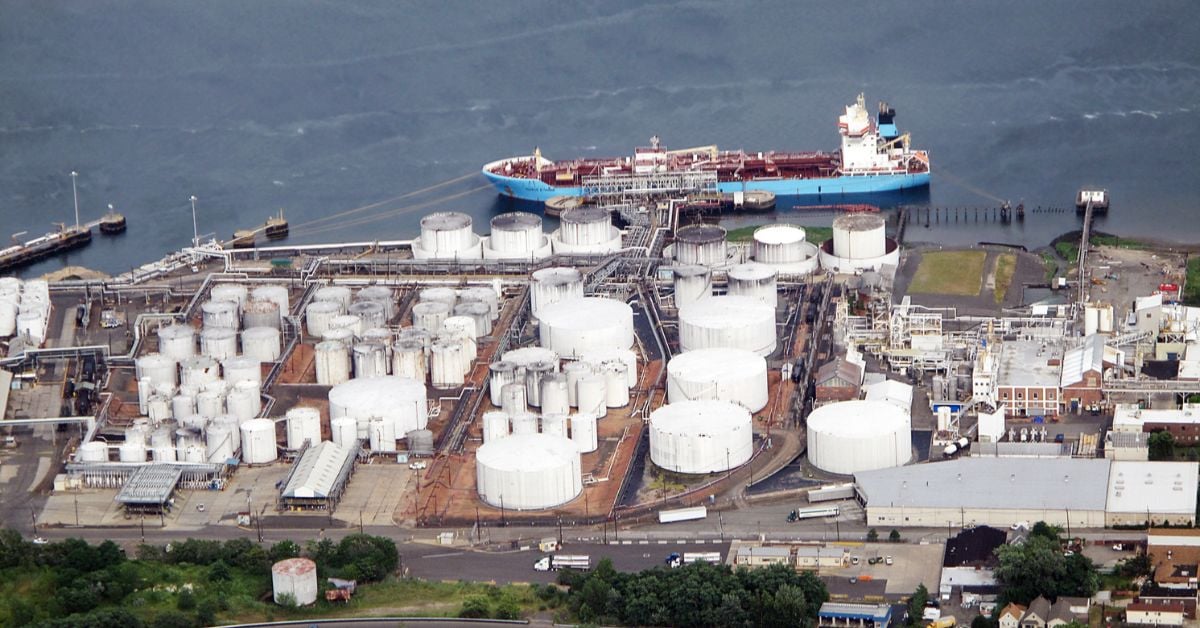
Houthi attacks struck southern Saudi Arabia, including an Aramco oil refinery, disrupting operations and intensifying regional instability. These strikes underscore the fragility of energy infrastructure in contested zones. Measurable impacts on global oil flows demand calibrated monitoring. For deeper context on shifting maritime pressures, see our related coverage of Gulf of Oman STS transfers maxing out amid rising Saudi exports. Understanding these disruptions is essential, protection begins with empirical awareness.
Yemen Investigates Sanctioned Tanker Incident, Scrutinizes Port Entry.
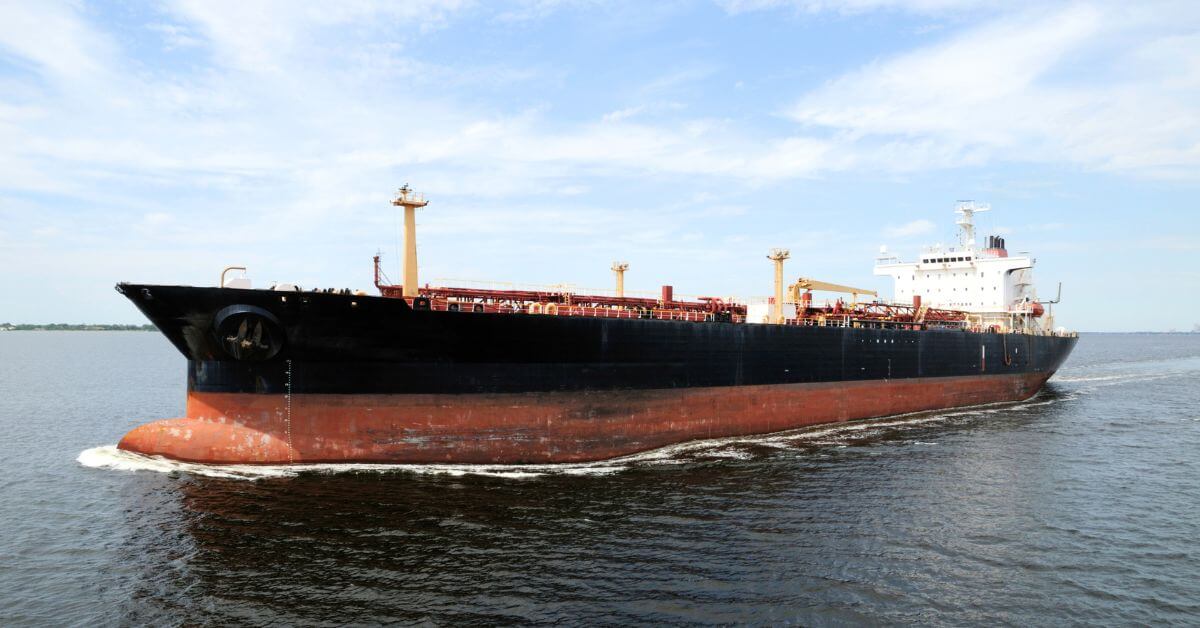
Yemeni authorities have opened an investigation into a sanctioned tanker's voyage, cargo, and documents, with particular scrutiny on its entry into Ras Isa. The move signals a firm, measured response to a vessel operating under heightened international restrictions. It is a necessary step toward accountability, though questions remain about how such entries were cleared in the first place. For broader context on regional pressure points, our coverage of Gulf of Oman STS transfers offers useful perspective.
Integrated Maritime Security: Red Sea Nations Enhance Ocean Intelligence Efforts
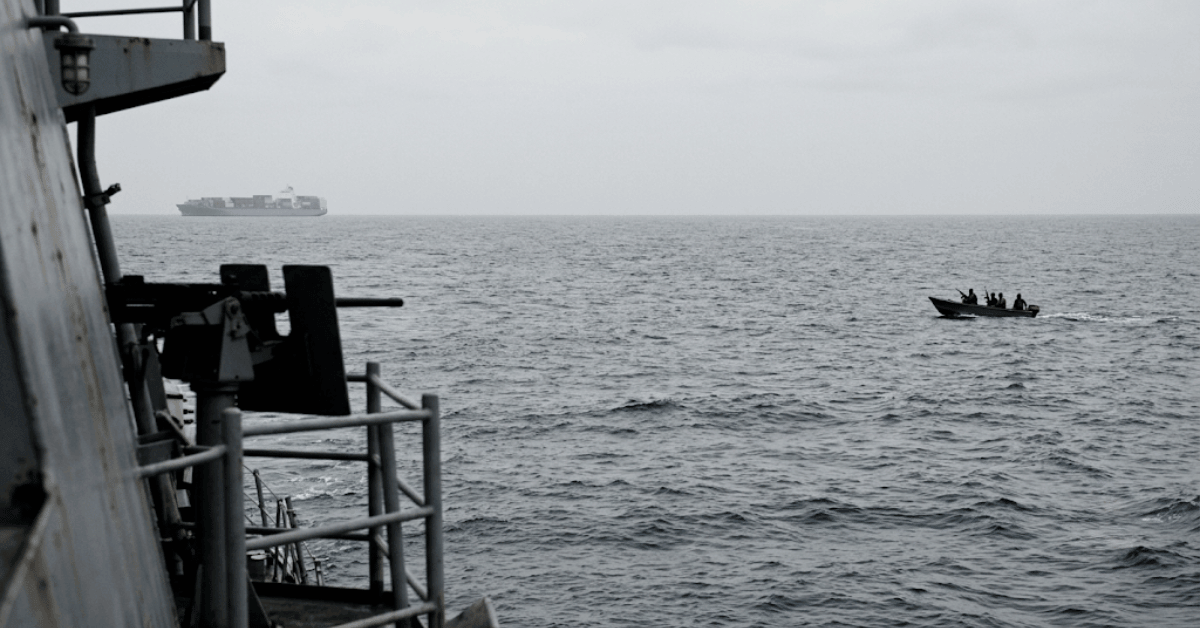
The Red Sea's security perimeter is tightening as Ethiopia, Yemen, Djibouti, and Somalia move to align their maritime strategies against rising piracy, trafficking, and regional friction. This is not abstract policy; it is the practical work of building an integrated data ecosystem where ocean intelligence becomes a shared asset. For readers tracking how these dynamics unfold, our related coverage on Gulf of Oman STS transfers offers useful context on the region's commercial pressures. Cooperation here is measured, deliberate, and long overdue.
Yemen Oil Spill: Integrated Data Reveals Impact on Marine Ecosystems
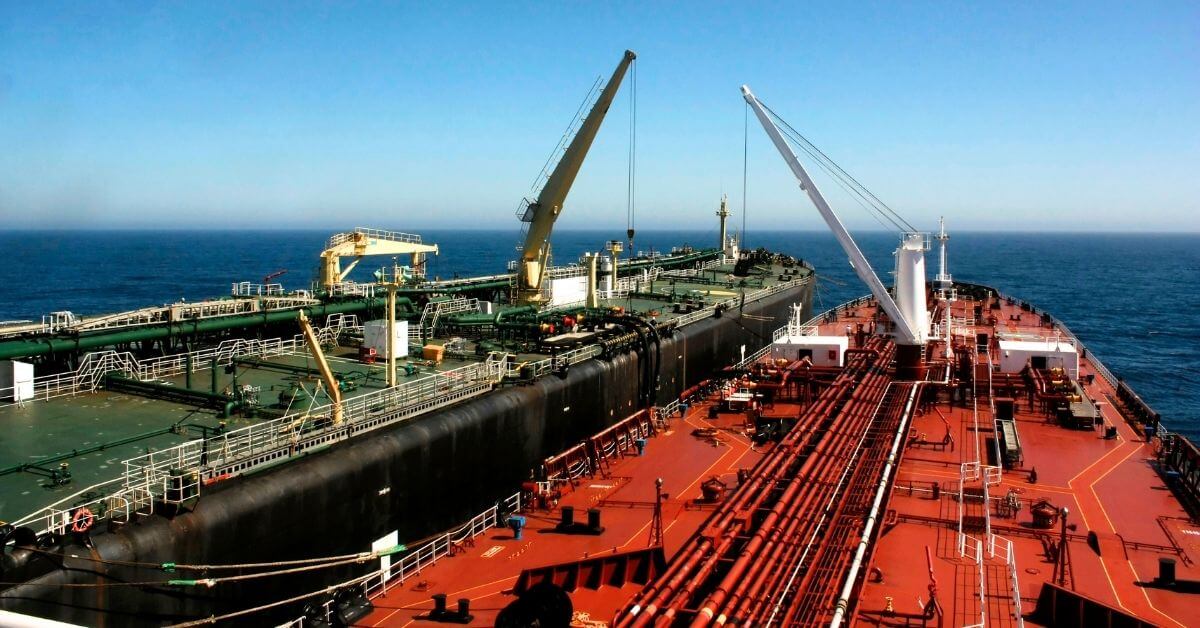
The validated data emerging from the Yemen oil spill paints a precise picture of ecological disruption, one that reaches beyond the immediate slick to the coastal economies and fisheries that depend on these waters. Integrated monitoring confirms the pollution's reach, yet the focus remains on measurable recovery pathways. For those tracking regional maritime risk, our related coverage on the Gulf of Oman STS transfers offers useful context on the pressures shaping these waters. Understanding these impacts is the first step toward calibrating an effective response.

Maritime Security Incident: Two Vessels and 22 Crew Affected by Piracy.
Two merchant vessels, carrying 22 Indian crew members total, have been hijacked by pirates in separate incidents off Yemen and Somalia. The attacks underscore the persistent threat maritime piracy poses to seafarers and global shipping lanes. This is not a distant problem; it is a live disruption to the ocean economy and the people who move it. For deeper context on regional responses, our report on Puntland Forces Intercept Hijacked, US-Sanctioned Oil Tanker After 48 Hours illustrates the ongoing volatility.

Red Sea Attack: Seafarers' Remains Transferred for Repatriation.
The transfer of four seafarers' remains from Yemen to Saudi Arabia marks a somber step toward closure for families awaiting repatriation after the Houthi missile attack. This is the human cost beneath the headlines, and it underscores why maritime security cannot be treated as a sidebar issue. The Gulf of Oman STS Transfers Max Out Amid Rising Saudi Oil Exports shows how regional pressures ripple through shipping networks, but today we focus on the lives lost and the dignity of their final journey.

Red Sea Incident: Unmanned Cargo Vessel Sustains Total Loss.
The loss of an unmanned cargo vessel to unknown projectiles in the southern Red Sea marks a stark instance of maritime vulnerability. The UKMTO's declaration of a total loss is a measurable outcome, yet the incident underscores a broader fragility in a region already defined by complex logistics. We view this not with alarm, but as a calibrated data point. It validates why integrated, real-time ocean intelligence is essential for understanding risk.

Yemen Conflict: Houthis Report Attack on Saudi Naval Vessel in Red Sea
The Houthis claim they struck a Saudi military landing ship and four escort vessels near the Red Sea port of Mocha, a direct escalation in a waterway already strained by regional tensions. The attack, if confirmed, underscores how fragile maritime security has become. We treat such reports with caution, but the pattern is clear: the Red Sea is now a flashpoint.

Vessel Attack in Bab El-Mandeb: Egypt Denies Link to Damaged Ship
A Houthi missile strike on a commercial vessel in the Bab El-Mandeb Strait has left six dead and ten injured, with Egypt denying any link to the damaged ship. The attack underscores the fragile calculus of maritime security, where a single launch can ripple across trade routes and diplomatic lines. Egypt's response is measured, but the incident sharpens the question of who truly polices these waters.

Red Sea Tensions Rise: Houthis Report Strike on Saudi Vessel
The latest Houthi claim of a strike on a Saudi vessel lands with familiar weight, arriving just days after a missile attack killed six crew members aboard the cargo ship *Tihamah* in the Bab al-Mandeb Strait. Each incident tightens the knot on maritime security, and the pattern is measurable. These are not isolated provocations; they are pressure points on a route that sustains global trade.

Attack on Cargo Ship Near Yemen Claims 6 Lives, Injures 10
A second strike on the cargo ship Tihamah near Yemen has killed six people and injured ten, with four crew members dying in the initial attack and two rescuers killed in a subsequent hit. These are not abstract numbers; they are lives lost in a volatile corridor. The incident underscores how fragile maritime security remains in the region, a reality that demands rigorous, data-driven monitoring.

Red Sea Attack Highlights Risks to Maritime Trade and Seafarer Safety
The latest attack in the Red Sea and Gulf of Aden is a pointed reminder that maritime trade routes remain dangerously exposed. As Mr. Arsenio Dominguez noted, the location is particularly troubling, and we agree. These waters are not abstract lines on a chart; they are arteries for global commerce, and each incident endangers lives and supply chains. This follows the Gulf of Oman STS transfers maxing out, a clear signal of mounting pressure. The pattern is measurable, and it demands calibrated, not reactive, responses.

Accountability Demanded: Trump Links Iran's Actions to Compensation Claims.
President Trump's demand that Iran shoulder compensation for damages and deaths across Lebanon, Syria, Yemen, and Gaza is a direct assertion of accountability, posted plainly on Truth Social. The claim is stark, yet it raises a measured question: can state responsibility be calibrated when conflicts blur the line between direct action and influence? This is not alarmism; it is a demand for legal and financial reckoning.