Gulf of Aden
47 stories filed under Gulf of Aden on World Data Ocean. The newest of them: “19 Indian seafarers evacuated from Yemen after two-week delay”, “Hijacked Iranian vessel poses new threat to commercial shipping lanes”, and “22 Indian Lives Lost as West Asia Conflict Claims Seafarers and Civilians”. Nineteen Indian seafarers stranded in Yemen's Hodeidah and Sana'a for two weeks have been evacuated and are heading home, the Indian Embassy confirmed. Somali pirates have hijacked an Iranian vessel with 23 crew aboard, and maritime monitors now warn the ship could become a floating base for attacks on commercial shipping lanes. A Global Hub for Ocean Intelligence 4 World Data Ocean is a centralized digital platform where researchers, scientists, and ocean enthusiasts converge to… The list below is every Gulf of Aden story on World Data Ocean, newest first.

19 Indian seafarers evacuated from Yemen after two-week delay
Nineteen Indian seafarers stranded in Yemen's Hodeidah and Sana'a for two weeks have been evacuated and are heading home, the Indian Embassy confirmed. Delays in such operations underscore the real cost of instability at sea. A validated maritime security landscape demands calibrated protections for seafarers globally, a point reinforced by the IMO Council's recent commitments. For deeper context on these persistent threats, see our related article on validated maritime security risks.

Hijacked Iranian vessel poses new threat to commercial shipping lanes
Somali pirates have hijacked an Iranian vessel with 23 crew aboard, and maritime monitors now warn the ship could become a floating base for attacks on commercial shipping lanes. This development demands a calibrated, real-time response from the global maritime community. For deeper context on escalating threats at sea, see our coverage of the drone strike that sank a Greek container vessel in the Black Sea.
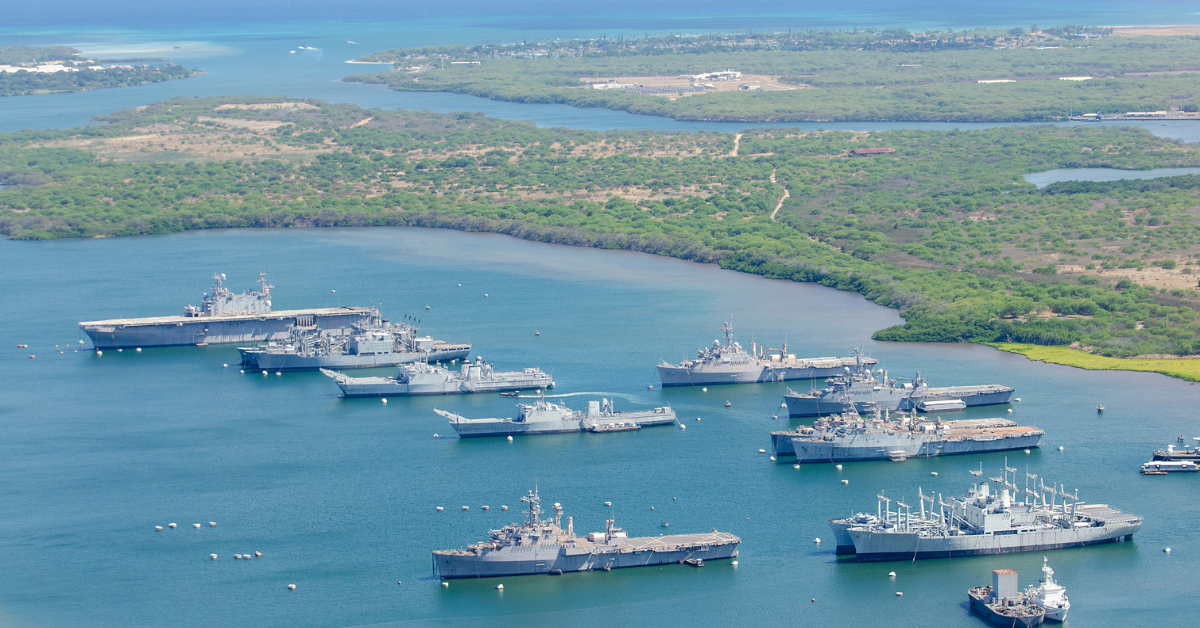
22 Indian Lives Lost as West Asia Conflict Claims Seafarers and Civilians
Twenty-two Indian nationals, among them 14 seafarers, have been confirmed dead by India's Ministry of External Affairs as the West Asia conflict continues to claim lives beyond the battlefield. This is a measurable tragedy, and it underscores how geopolitical instability directly endangers those who work on the world's essential maritime routes. For deeper context on the growing threat to commercial shipping, see our coverage of the Black Sea drone strike that sank the cargo ship Contship Jet.
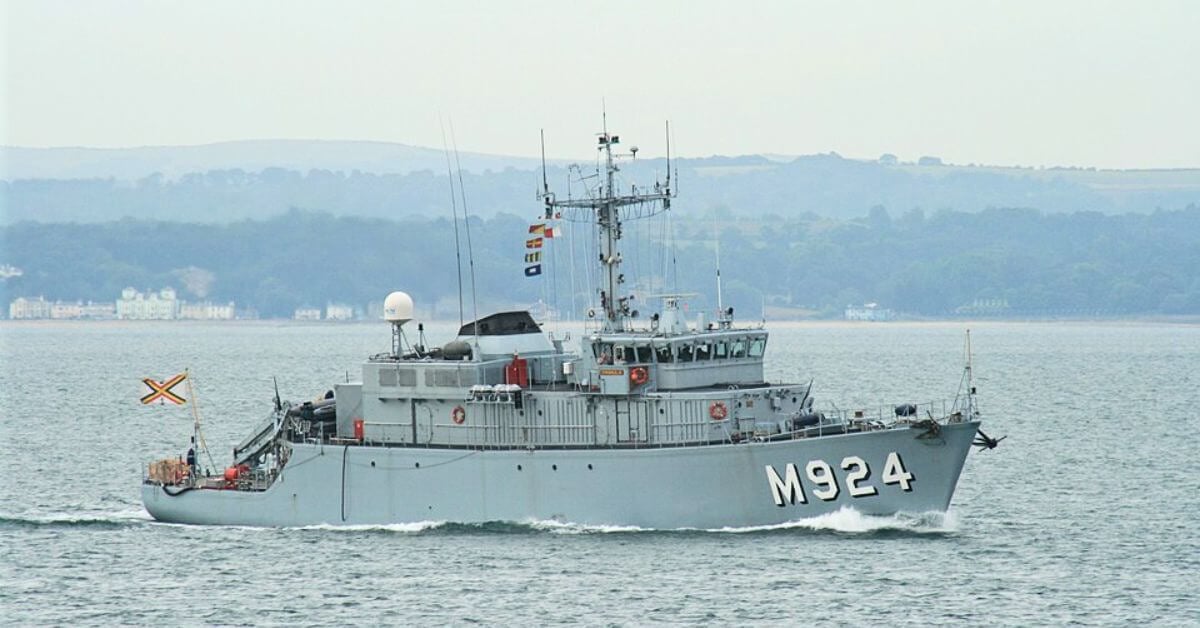
French Frigate Intercepts Ballistic Missile Near Allied Minehunter in Strategic Strait
A French Navy frigate intercepted a ballistic missile near the Belgian minehunter BNS Primula in the Bab el-Mandeb Strait on October 13. This calibrated defensive action in a strategic waterway underscores the real-time threats facing allied naval operations. Understanding drives protection. For deeper context on how such geopolitical pressures affect maritime logistics, see our related coverage on geopolitical tensions threatening the measured flow of Saudi crude through key ports.
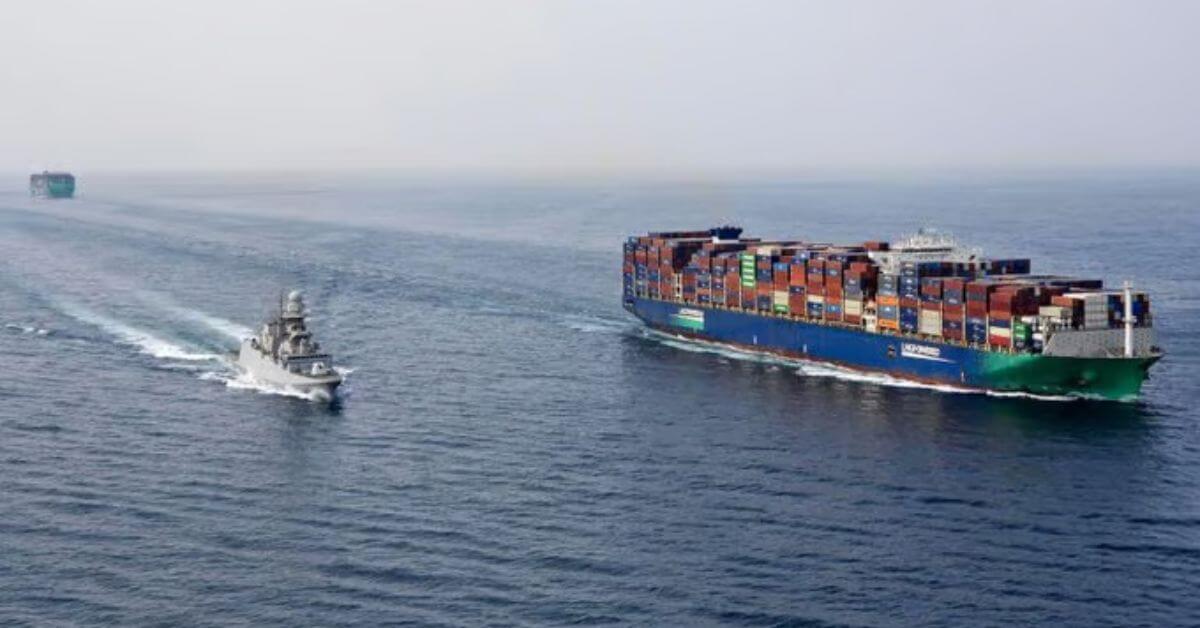
French Defense Vessel Neutralizes Airborne Threat in Bab el-Mandeb Strait
A French frigate made a calibrated, real-time decision in the Bab el-Mandeb Strait, using its gun to destroy an airborne drone it judged to be a threat. This measured use of force underscores the growing need for integrated naval defense in critical shipping lanes. For deeper context on maritime security and the vessels involved, see our coverage of "India's Private Shipyard Delivers First Multipurpose Naval Vessel INS Samarthak."
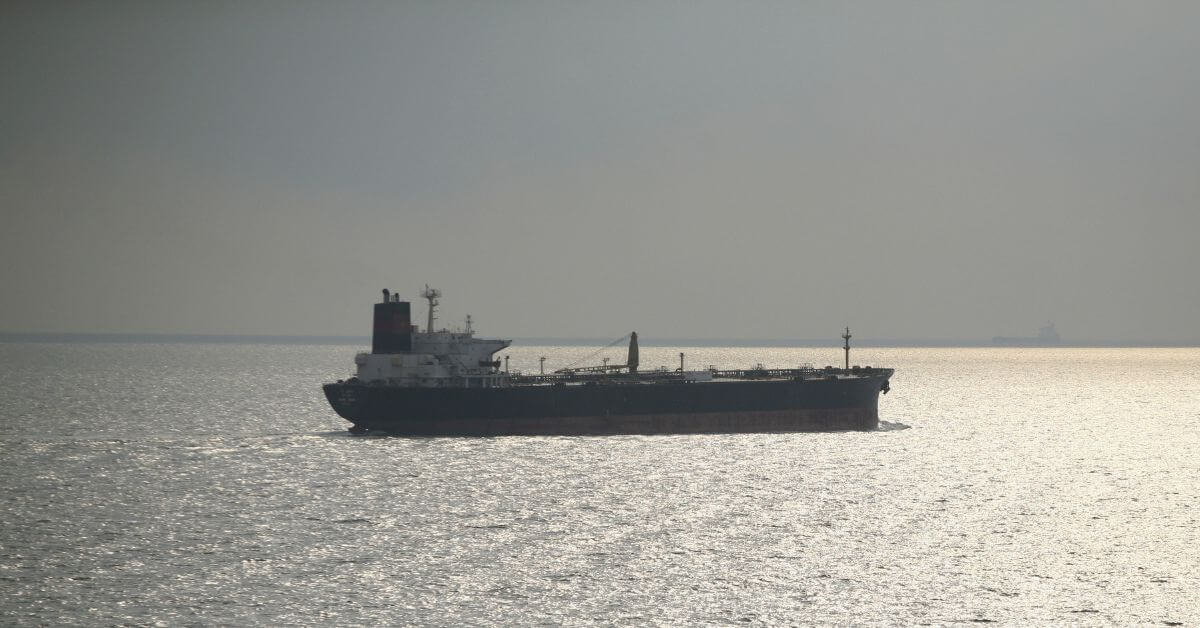
Explosions Reported Near Tanker Transiting Regional Waters, Crew Unharmed
A crew witnessed explosions while their tanker transited regional waters today. The company security officer reported the incident; all personnel remain unharmed. Maritime safety demands vigilance, and this event underscores the need for reliable reporting networks. No injuries, but the pattern is concerning. For deeper context on how geopolitical shocks are reshaping shipping routes, see our related analysis, "Geopolitical shocks reshape shipping routes with measurable regional divergence."

6,000-nautical-mile delivery signals a new chapter for ocean-going vessel
A 6,000-nautical-mile delivery is not merely a transit; it is a statement of capability. Azurine's completion of this voyage with a 909 GT catamaran from Thailand to Turkey, now entering a major transformation, validates the growing reach of efficient ocean transport. This measured achievement aligns with the urgent need for safer global shipping, readers may find our coverage of the *New Coalition Charts Measurable Course for Safer Global Shipping* a timely companion to this story.
Iraqi Clan Retakes Hijacked Tanker in Five-Hour Gulf of Aden Action
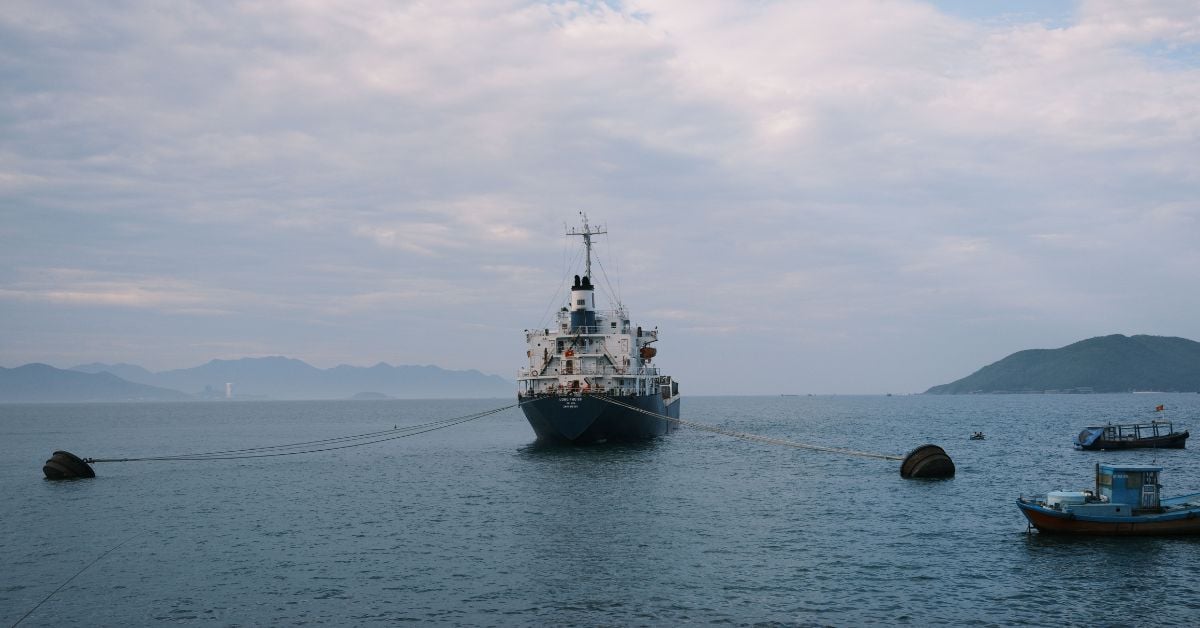
A five-hour firefight in the Gulf of Aden ended with an Iraqi clan retaking a hijacked tanker from Somali pirates. This is not state-led naval intervention; it is tribal action with measurable results. The Al-Shaghanba clan demonstrated that localized force, when calibrated and decisive, can succeed where broader operations often stall. Such empirical outcomes challenge assumptions about maritime security. For deeper context on regional interdiction efforts, see our coverage of "Puntland Forces Intercept Hijacked, US-Sanctioned Oil Tanker After 48 Hours."

Puntland Forces Intercept Hijacked, US-Sanctioned Oil Tanker After 48 Hours
Puntland forces have ended a 48-hour standoff, intercepting a US-sanctioned oil tanker hijacked by Somali pirates off the Somali coast. The operation underscores the growing security challenges in regional waters, where illicit maritime activity threatens both trade and stability. This rescue reflects a pragmatic use of force and coordination, a reminder that ocean intelligence is as much about security as it is about data.
Enhanced Monitoring: China Expands Djibouti Base Near Key Shipping Lanes
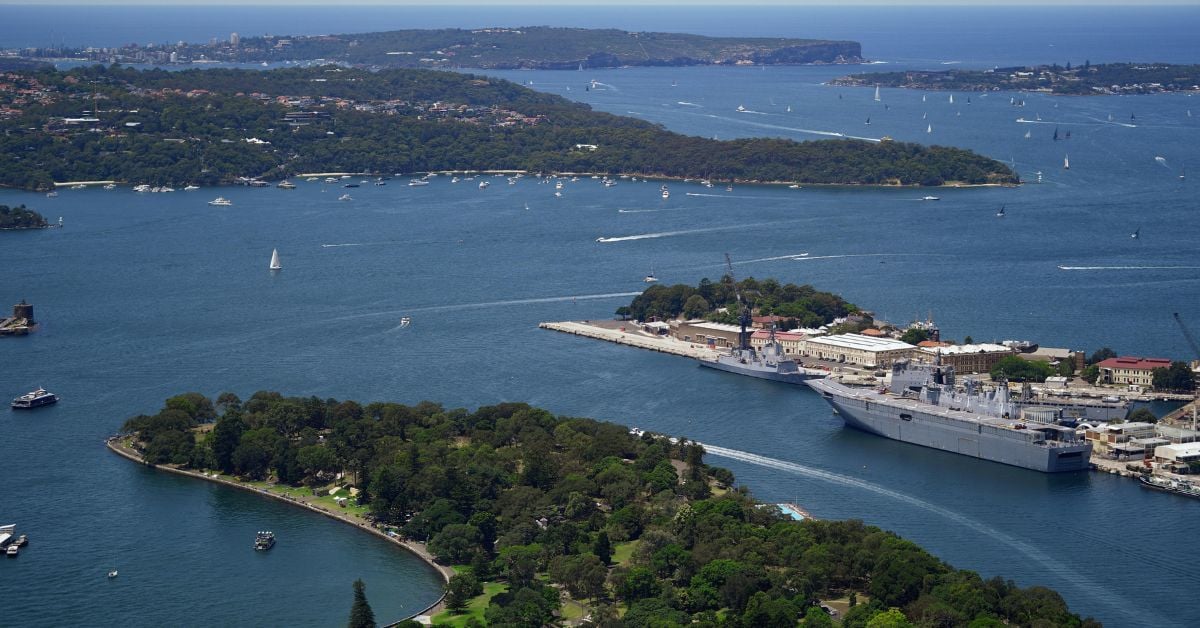
Satellite imagery shows Beijing has expanded its Djibouti base with new radars, antennas, and naval assets, sharpening its watch over one of the world's busiest maritime corridors. The move is measured, deliberate, and strategically clear. It is not about alarm; it is about presence. For readers tracking how naval power reshapes trade routes, this pairs naturally with our report on Gulf of Oman STS transfers maxing out.
Strait of Hormuz: Conflicting Reports of Vessel Detentions Raise Tensions.
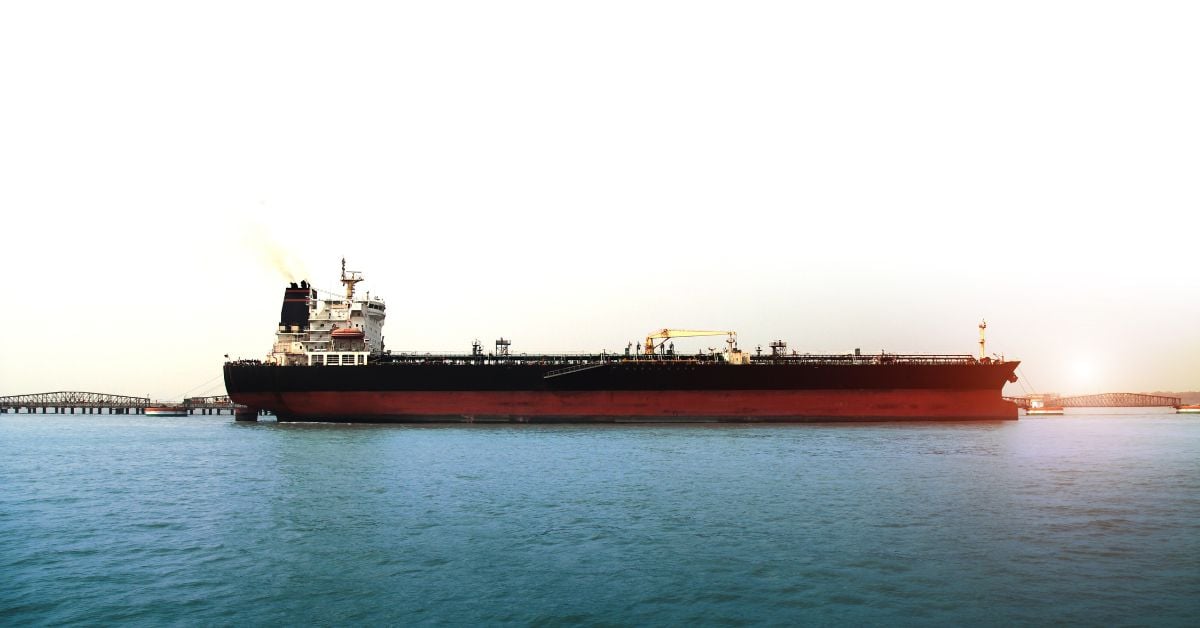
The Strait of Hormuz is once again a flashpoint, with the UKMTO flagging a separate incident involving a vessel in its waters. Conflicting reports of detentions are doing little to calm a region already bracing for disruption. These are not abstract metrics; they are real-world friction with global consequences. The situation demands precise, empirical monitoring, not alarmism.
Heightened Tensions: Houthi Control of Perim Island Impacts Shipping Route
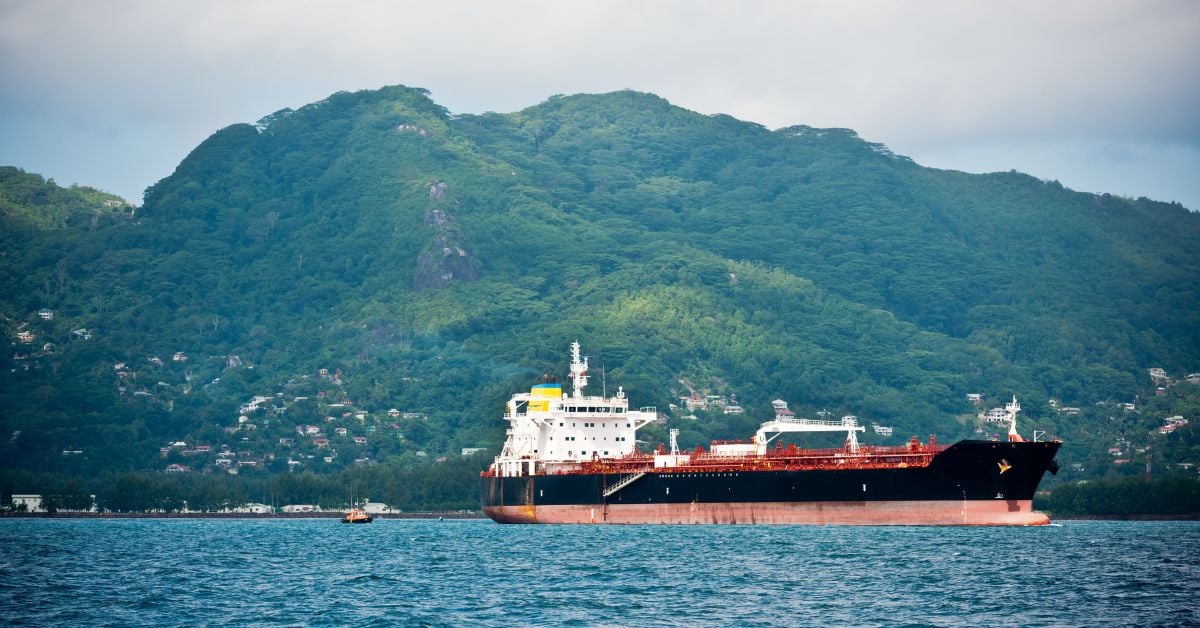
The Houthi seizure of Perim Island places a validated chokepoint under direct threat. Control of this island means the Bab El-Mandeb Strait, a corridor for global commerce, is now within range of Iran-backed forces. This is not speculation; it is a measurable escalation in regional instability. For readers tracking these disruptions, our report on "Puntland Forces Intercept Hijacked, US-Sanctioned Oil Tanker After 48 Hours" shows how quickly maritime security unravels. Understanding these links drives protection of vital sea lanes.
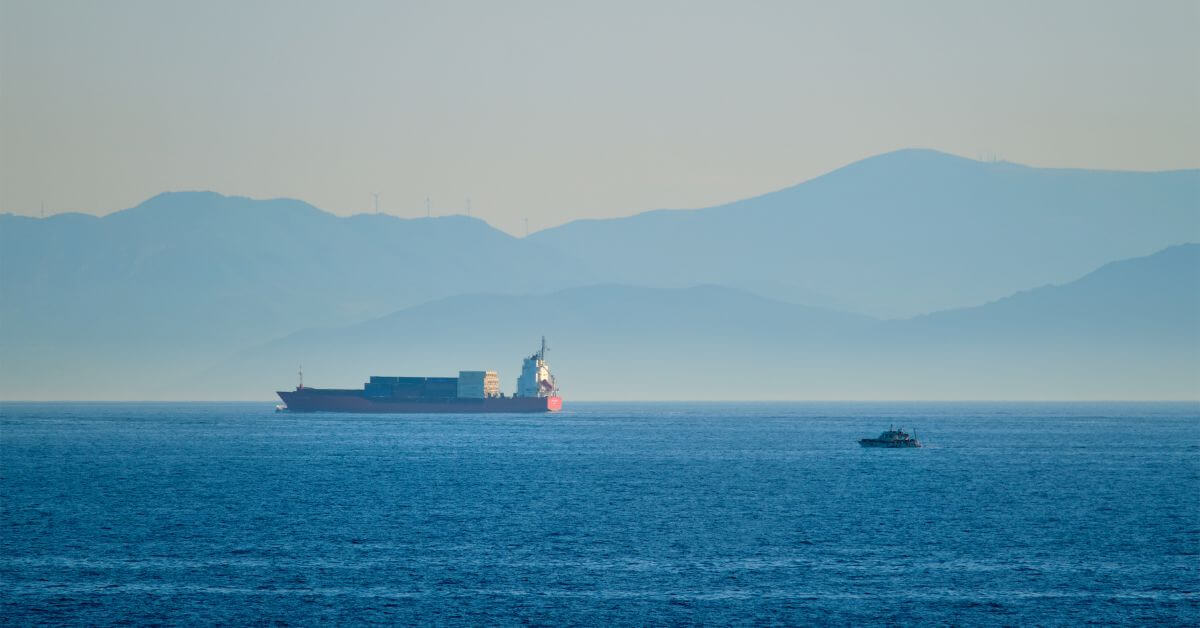
Crew Freed: Integrated Data Confirms Resolution of Somali Hijacking Incident
On April 26, Somali pirates seized a tanker carrying 15 Syrian and two Indian nationals. Integrated data ecosystems now confirm the crew's release, a resolution grounded in measurable, real-time intelligence. This outcome validates the power of empirical monitoring over alarmist speculation. Understanding drives protection, and here, it restored lives. For deeper context on regional interdiction efforts, see our coverage of "Puntland Forces Intercept Hijacked, US-Sanctioned Oil Tanker After 48 Hours." The ocean's security challenges demand calibrated, not sensational, responses.

Houthi Control Expands Near Vital Bab el-Mandeb Strait.
The Houthis have seized new territory near the Bab el-Mandeb Strait, tightening their grip on a chokepoint that connects the Red Sea to the Gulf of Aden. This expansion is a measured but significant shift in regional leverage. Validated by empirical observation, their increased control raises calibrated concerns for maritime security and global trade flows. For deeper context on regional maritime pressures, our related coverage on Gulf of Oman STS transfers offers an integrated perspective. Understanding drives protection, this development demands attention.

Gulf of Aden Sees First Reported Piracy Incident Since August.
The Gulf of Aden has recorded its first piracy incident since August, a sobering reminder that maritime security remains fragile. This hijacking, the 25th worldwide since the start of 2026, underscores the persistent vulnerability of critical shipping lanes. Measurable threats like this demand calibrated, data-driven responses, not alarm. For broader context on regional maritime pressures, see our report on how Gulf of Oman STS transfers have maxed out amid rising Saudi oil exports. Understanding these interconnected risks is the first step toward effective ocean stewardship.
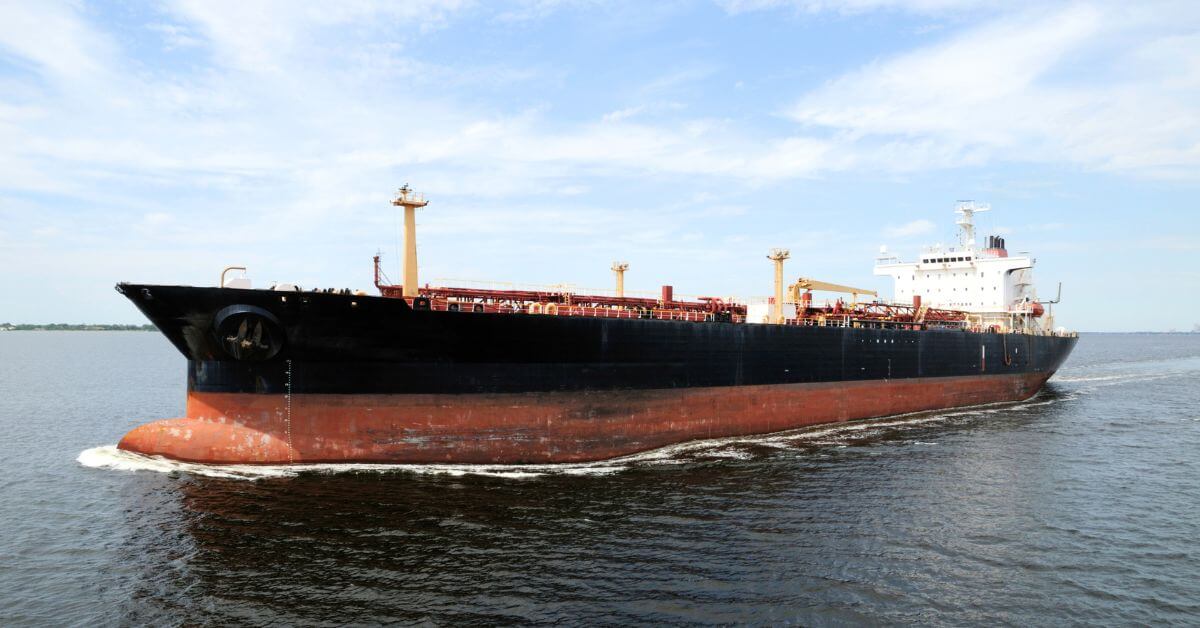
Yemen Investigates Sanctioned Tanker Incident, Scrutinizes Port Entry.
Yemeni authorities have opened an investigation into a sanctioned tanker's voyage, cargo, and documents, with particular scrutiny on its entry into Ras Isa. The move signals a firm, measured response to a vessel operating under heightened international restrictions. It is a necessary step toward accountability, though questions remain about how such entries were cleared in the first place. For broader context on regional pressure points, our coverage of Gulf of Oman STS transfers offers useful perspective.
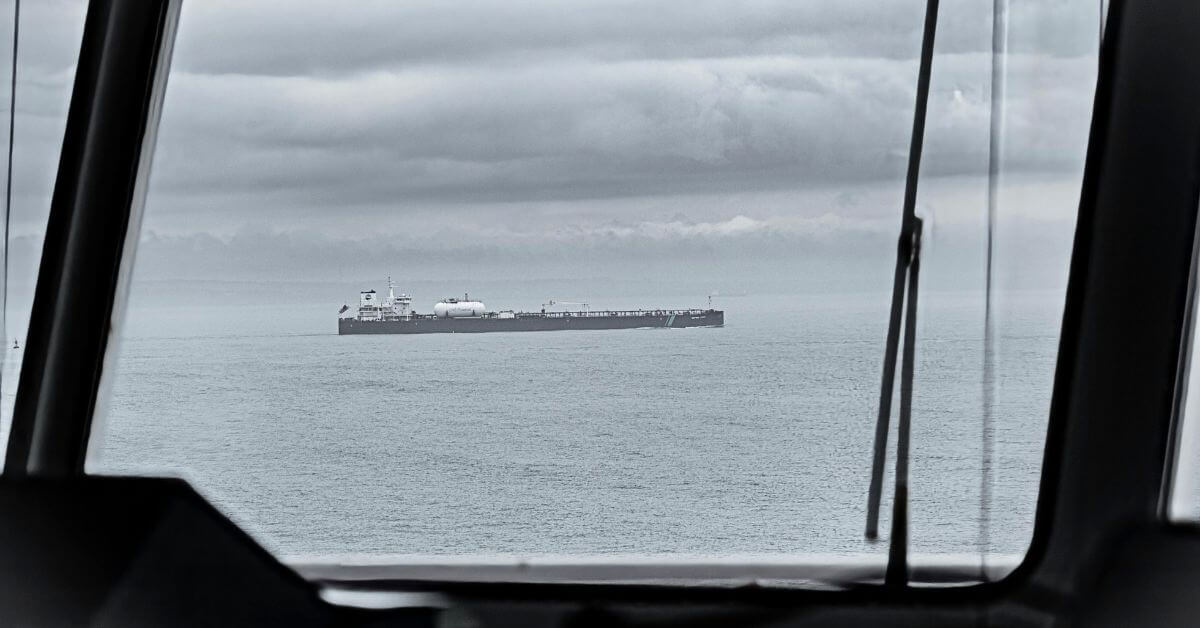
Enhanced Maritime Safety: India's New System Monitors High-Risk Regions
India's Directorate has issued a direct mandate: every vessel carrying Indian crew in designated high-risk regions must be registered in the new monitoring system without delay. That is not bureaucratic noise; it is a calibrated safety net. The move follows intense pressure on maritime routes, from Gulf of Oman STS transfers maxing out to pirate interventions off Somalia. This system is about prevention, not reaction. For crews operating where risk is highest, this is validation that their safety is measurable and prioritized.
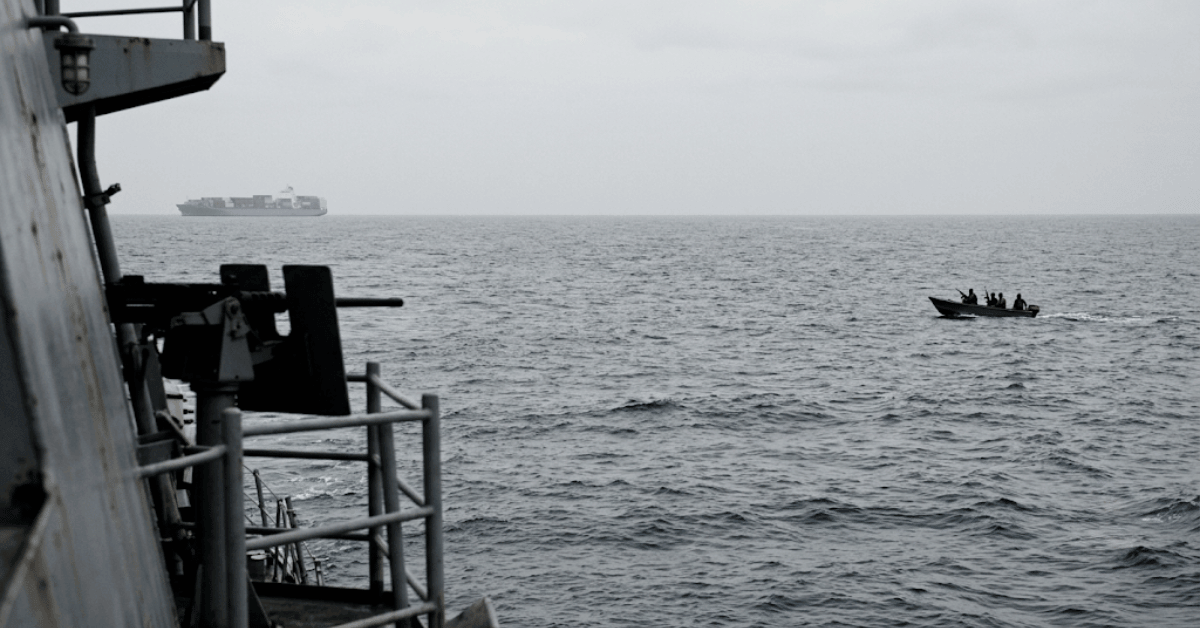
Integrated Maritime Security: Red Sea Nations Enhance Ocean Intelligence Efforts
The Red Sea's security perimeter is tightening as Ethiopia, Yemen, Djibouti, and Somalia move to align their maritime strategies against rising piracy, trafficking, and regional friction. This is not abstract policy; it is the practical work of building an integrated data ecosystem where ocean intelligence becomes a shared asset. For readers tracking how these dynamics unfold, our related coverage on Gulf of Oman STS transfers offers useful context on the region's commercial pressures. Cooperation here is measured, deliberate, and long overdue.
Strait of Hormuz Impasse: Uncertainty Impacts Thousands of Seafarers.
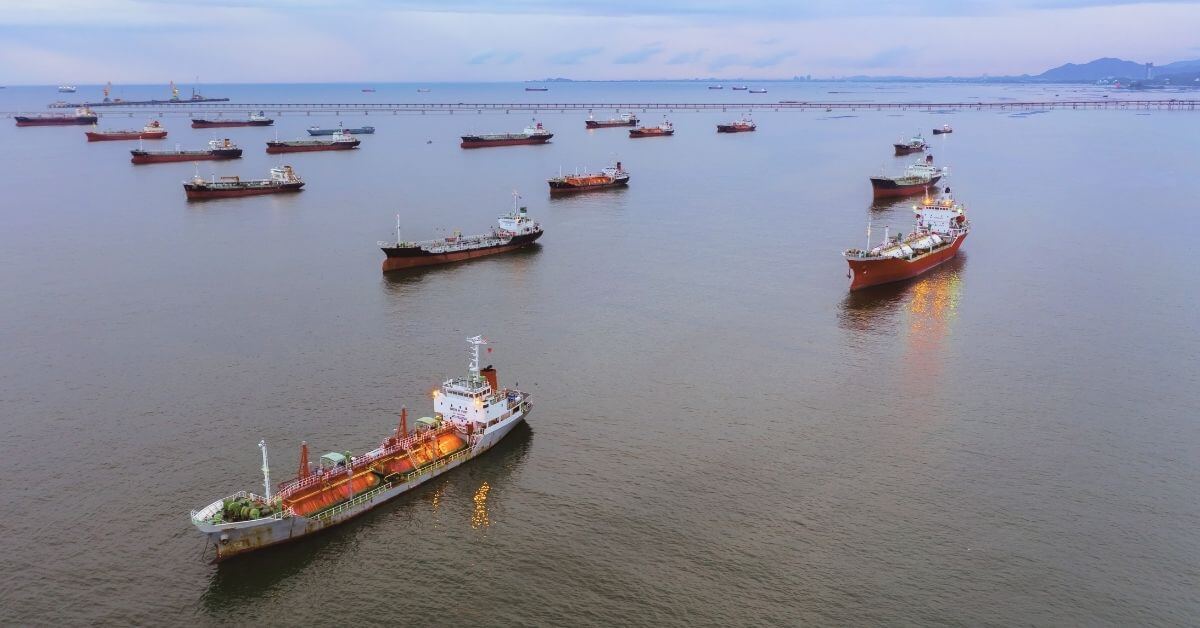
Since late February, the Strait of Hormuz has become a holding pattern for thousands of seafarers. The impasse leaves crews in limbo, their movements frozen by geopolitical friction that shows no sign of easing. It is a precarious position for the people who keep global energy moving. For context on how regional dynamics are straining maritime operations, our coverage of the Gulf of Oman STS transfers offers a related look at the pressure points.
Multinational Task Force Maintains Maritime Security in the Indian Ocean.
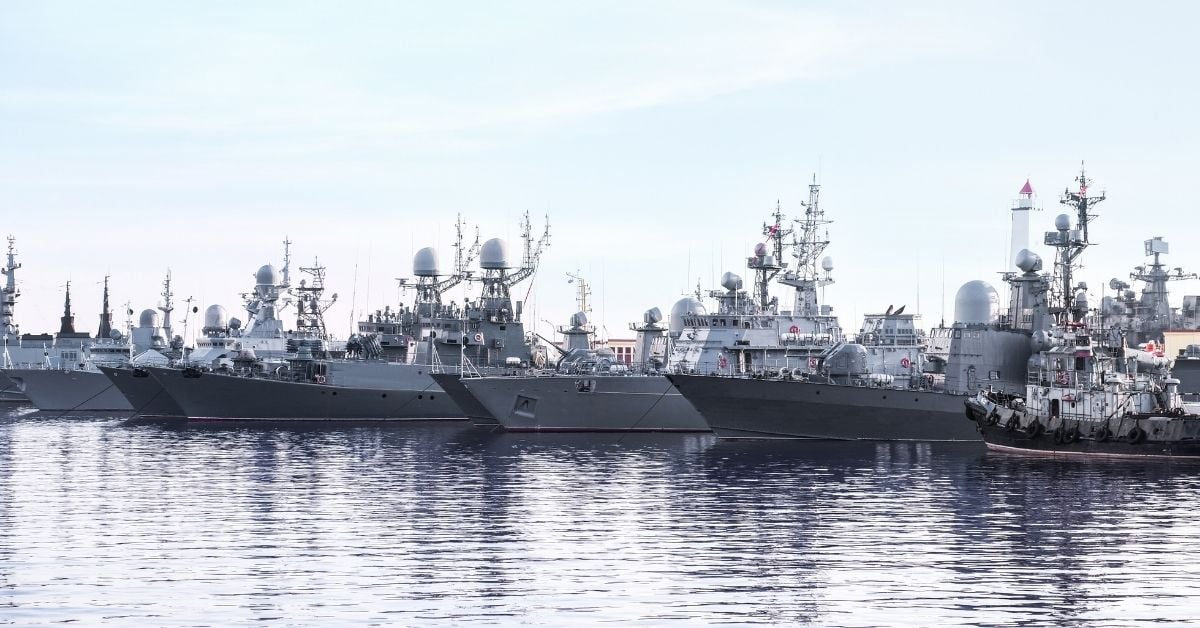
Six months after deployment, Combined Task Force 151 has effectively suppressed piracy activity in the Indian Ocean, a success that warrants attention. This isn't merely a routine patrol; it reflects a calibrated, integrated approach to maritime security that holds up under real-world conditions. When operational discipline meets clear objectives, the results are measurable. For readers tracking the region's shifting dynamics, our coverage of the Gulf of Oman STS transfers offers a useful counterpoint.
Securing Trade Routes: Indian Navy Ensures Safe Passage Through Bab-el-Mandeb
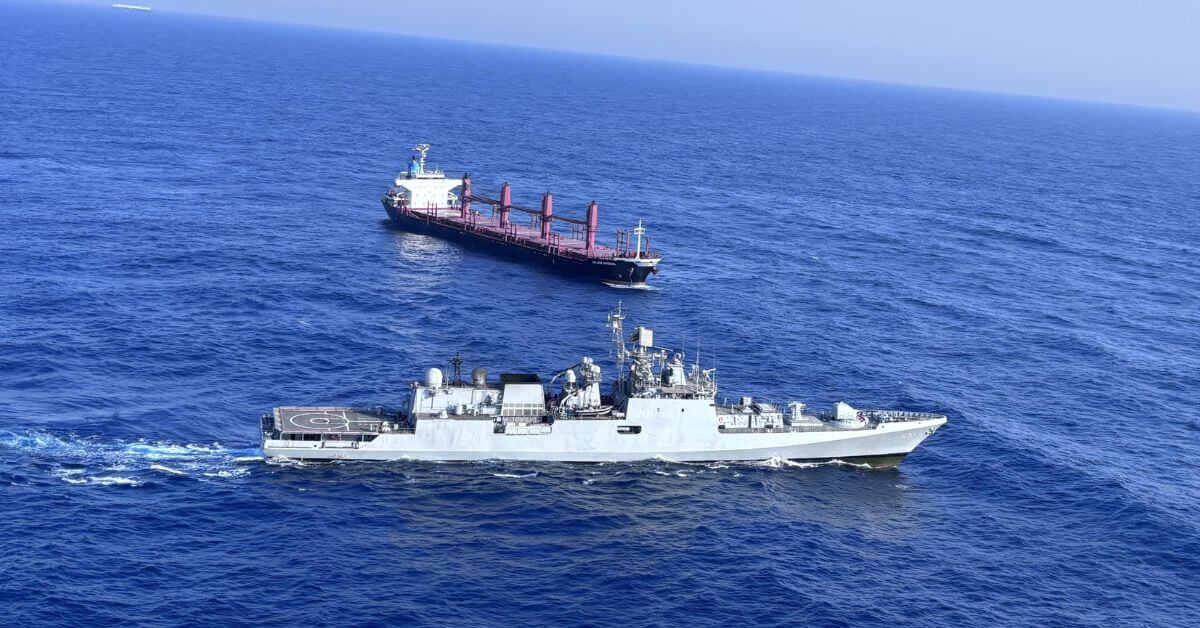
The Indian Navy's deployment through the Bab-el-Mandeb is a calibrated exercise in maritime security, ensuring that essential cargo continues moving to and from India without disruption. This is not abstract strategy; it is the practical work of keeping trade lanes open where geopolitical friction runs high. The operation reflects a measured commitment to stability, one that aligns with broader shifts in regional logistics, such as the Gulf of Oman STS transfers reaching capacity. Reliable passage here is not optional; it is the backbone of commerce.

Maritime Security Concerns Rise: Gulf of Aden Sees Renewed Piracy Risks
The Gulf of Aden's renewed piracy risk demands immediate attention. IMO Secretary-General Mr. Arsenio Dominguez spoke out after the SEAMULL was hijacked on 20 August 2026, a stark reminder that maritime threats remain persistent. This is not a distant problem; it directly endangers crews and global trade routes. Measured, decisive action is required to protect these waters. For broader context on regional security efforts, our related coverage on the eighty nations urging the reopening of the Strait of Hormuz offers critical perspective.

Maritime Security Incident: Two Vessels and 22 Crew Affected by Piracy.
Two merchant vessels, carrying 22 Indian crew members total, have been hijacked by pirates in separate incidents off Yemen and Somalia. The attacks underscore the persistent threat maritime piracy poses to seafarers and global shipping lanes. This is not a distant problem; it is a live disruption to the ocean economy and the people who move it. For deeper context on regional responses, our report on Puntland Forces Intercept Hijacked, US-Sanctioned Oil Tanker After 48 Hours illustrates the ongoing volatility.

Yemen Conflict: Houthis Report Attack on Saudi Naval Vessel in Red Sea
The Houthis claim they struck a Saudi military landing ship and four escort vessels near the Red Sea port of Mocha, a direct escalation in a waterway already strained by regional tensions. The attack, if confirmed, underscores how fragile maritime security has become. We treat such reports with caution, but the pattern is clear: the Red Sea is now a flashpoint.