oil
oil at World Data Ocean is a file of 29 stories. The newest of them: “Rethinking sanctions on shadow tankers to steady global freight rates”, “150 vessels idle in Gulf of Finland as Baltic maritime traffic bottlenecks”, and “Vostok Project Launches Arctic Oil Exports Amid Geopolitical Shifts”. A calibrated adjustment to sanctions on shadow tankers could steady global freight rates by allowing certain previously restricted vessels to carry oil and petroleum products not banned under US sanctions. Nearly 150 vessels sit idle in the Gulf of Finland, a maritime bottleneck gripping Baltic traffic to Russian ports such as Ust-Luga, Primorsk, and St Petersburg. A Global Hub for Ocean Intelligence 4 World Data Ocean is a centralized digital platform where researchers, scientists, and ocean enthusiasts converge to… The list below is every oil story on World Data Ocean, newest first.
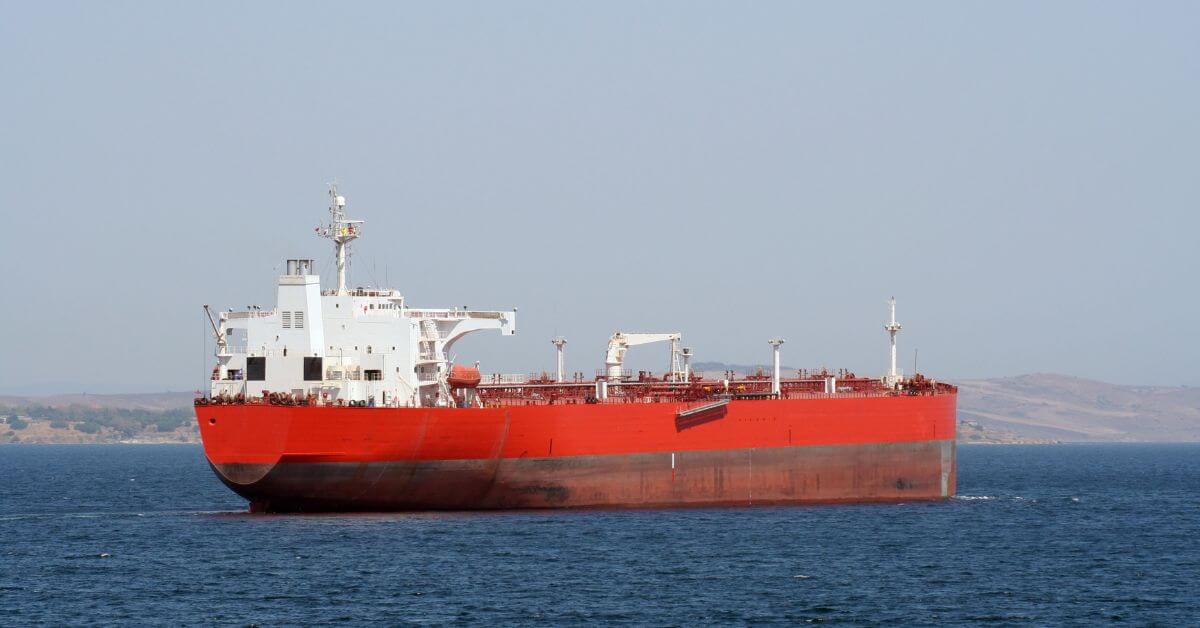
Rethinking sanctions on shadow tankers to steady global freight rates
A calibrated adjustment to sanctions on shadow tankers could steady global freight rates by allowing certain previously restricted vessels to carry oil and petroleum products not banned under US sanctions. This measured approach prioritizes market stability without compromising enforcement integrity. For deeper context on how maritime regulations shape trade friction, our related coverage of "Maritime fees signal friction in trade amid climate and shipping integration" explores similar dynamics.
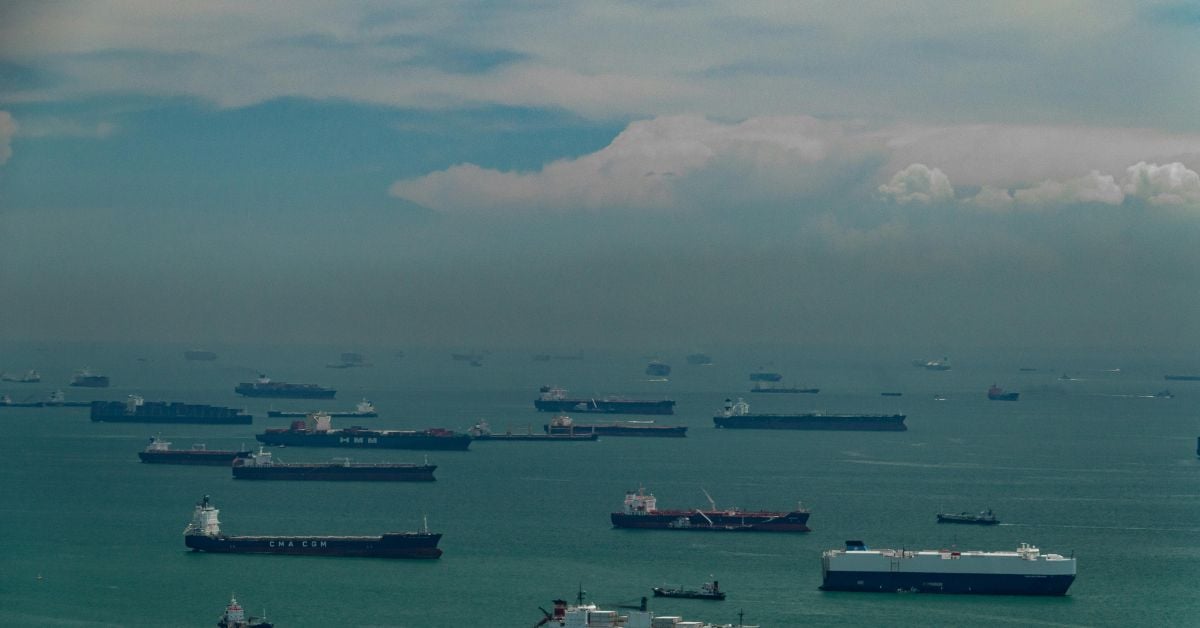
150 vessels idle in Gulf of Finland as Baltic maritime traffic bottlenecks
Nearly 150 vessels sit idle in the Gulf of Finland, a maritime bottleneck gripping Baltic traffic to Russian ports such as Ust-Luga, Primorsk, and St Petersburg. This congestion is more than a logistical snag, it is a measurable disruption in a region already under scrutiny. Such real-time bottlenecks carry empirical weight as climate and geopolitical indicators. For deeper context on maritime security, see our coverage of the captain charged over Ukrainian grain. Understanding these pressures drives protection of both trade and ocean intelligence.
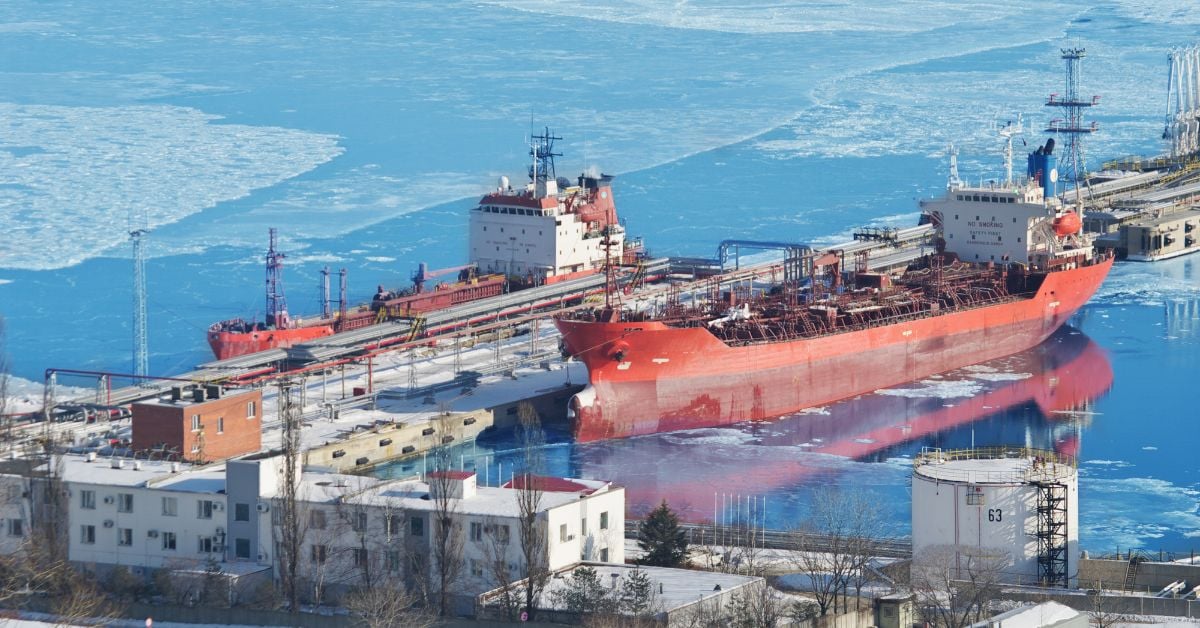
Vostok Project Launches Arctic Oil Exports Amid Geopolitical Shifts
The Vostok project has finally begun producing oil, a long-delayed step for Rosneft's Arctic ambitions after Western sanctions ground progress to a halt. This is not just a commercial milestone; it is a signal of how energy strategy and geopolitics remain deeply intertwined. The Arctic's potential is vast, but so are its logistical and environmental demands. As Russia recalibrates its export revenue to fund icebreaker fleets, the Northern Sea Route's viability grows clearer.
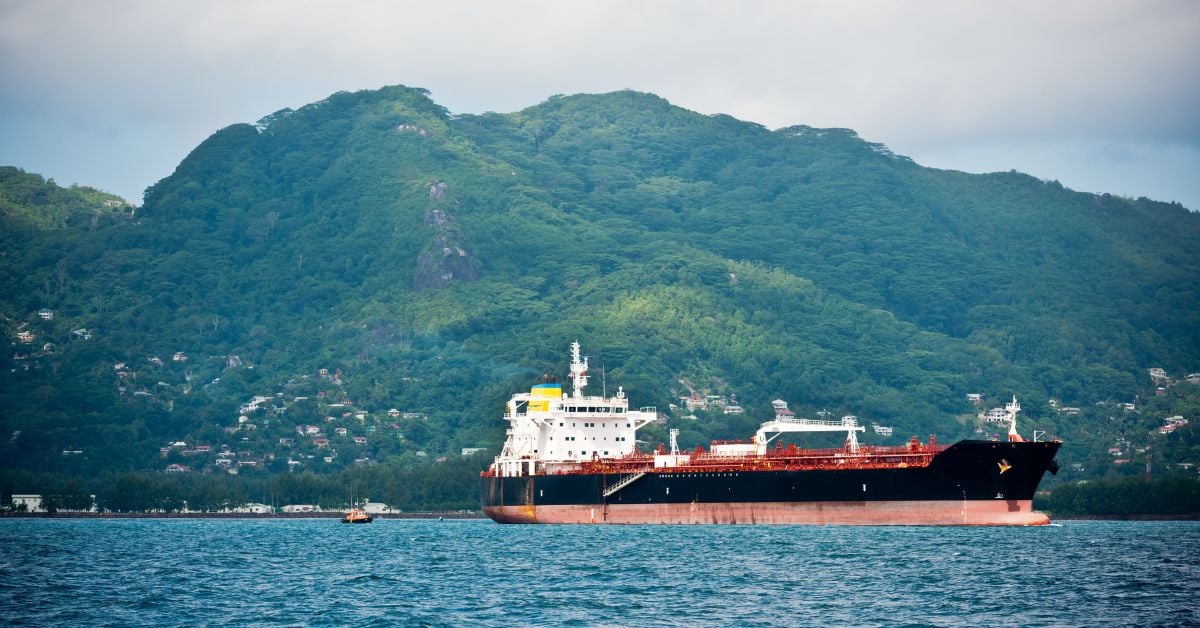
Heightened Tensions: Houthi Control of Perim Island Impacts Shipping Route
The Houthi seizure of Perim Island places a validated chokepoint under direct threat. Control of this island means the Bab El-Mandeb Strait, a corridor for global commerce, is now within range of Iran-backed forces. This is not speculation; it is a measurable escalation in regional instability. For readers tracking these disruptions, our report on "Puntland Forces Intercept Hijacked, US-Sanctioned Oil Tanker After 48 Hours" shows how quickly maritime security unravels. Understanding these links drives protection of vital sea lanes.
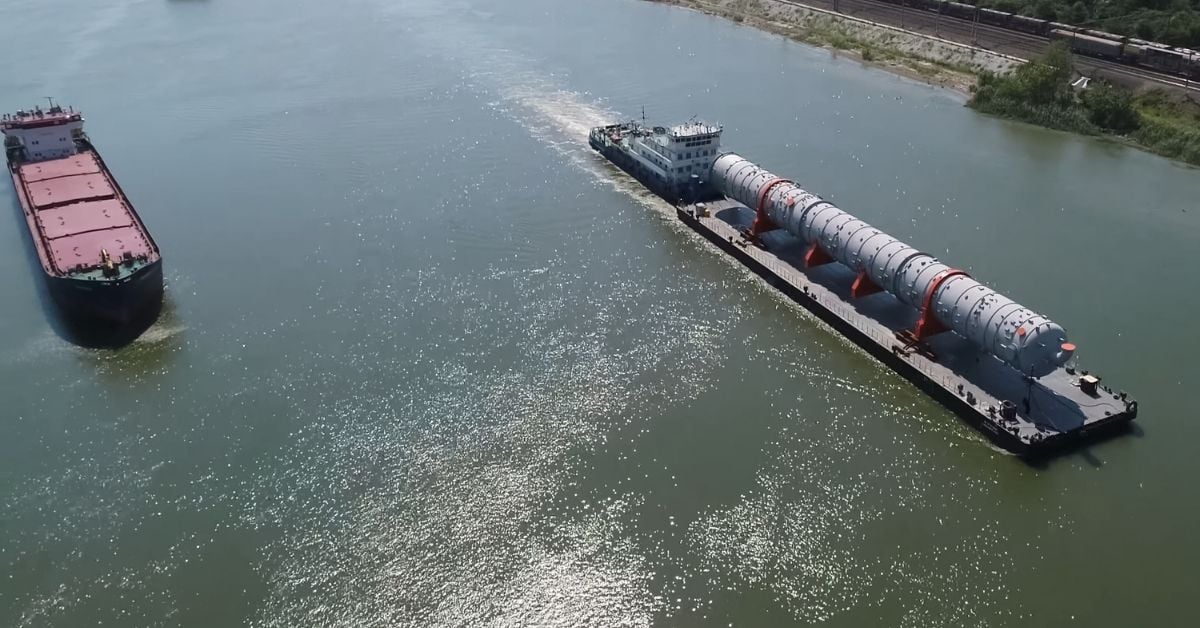
Understanding Barges: Essential Vessels for Inland Waterways and Cargo Transport
A barge is the simplest floating vessel, yet its role in moving cargo across rivers, canals, and shallow waterways is anything but trivial. Barges offer a clear, empirical look at how these unassuming vessels keep inland trade flowing. Understanding their design and function is measurable progress in grasping global logistics. For a contrasting view of large-scale maritime ambition, see our coverage of the Vostok Project's Arctic oil exports.
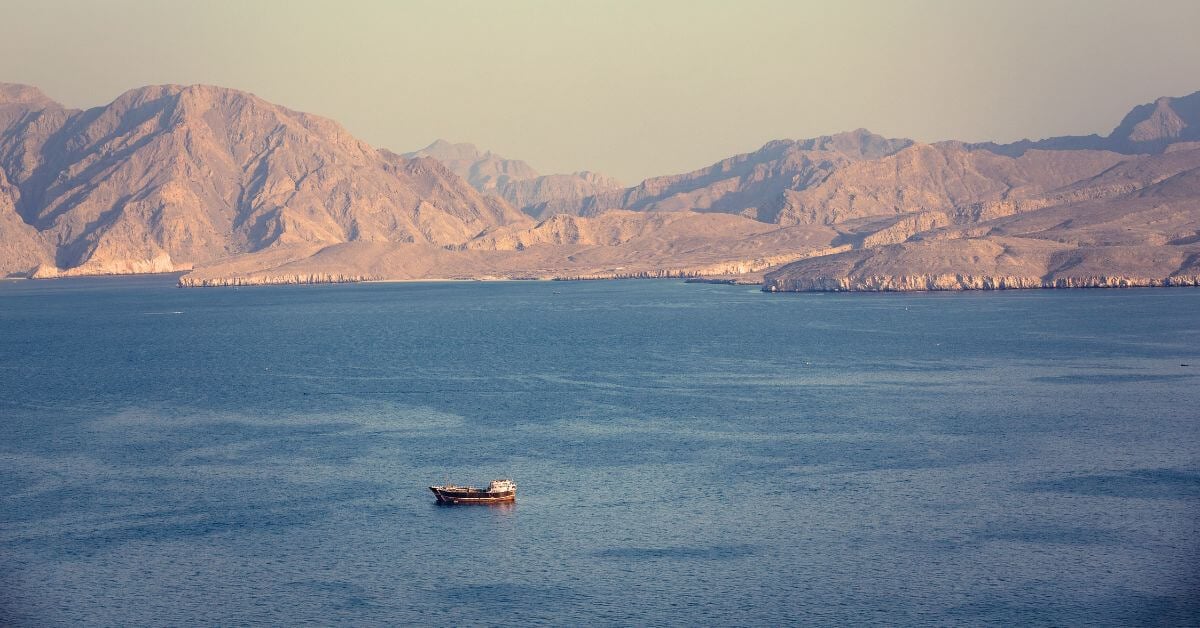
Geopolitical Shifts: Strait of Hormuz Renaming Proposal Sparks Debate
A proposal to rename the Strait of Hormuz has injected geopolitical friction into one of the world's most vital maritime chokepoints. President Trump asserted U.S. control over the strait on Truth Social, questioning whether it should be rebranded. The debate is more than symbolic; it carries real implications for shipping and energy security. For context on the region's mounting pressures, our piece on Gulf of Oman STS transfers maxing out offers a grounded look at the logistical strains nearby. Measured analysis matters here, not hyperbole.
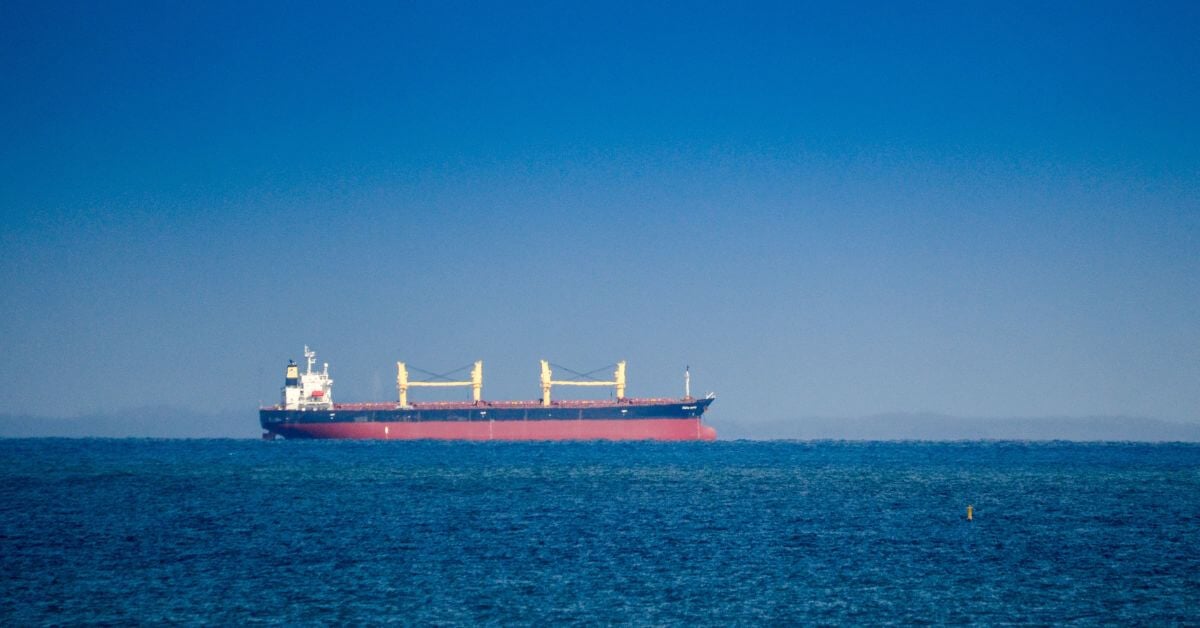
Maritime Traffic and Revenue Sharing Agreement Reached Between Iran and Oman.
Iran and Oman have reached a maritime traffic and revenue sharing agreement, a practical step toward regional coordination. Yet commercial shipping continues to face genuine risk in these waters, even as direct US-Iran hostilities have cooled in recent weeks. We view this pact as a measured, useful move, but not a cure-all. For context on the broader pressures, our related piece on Gulf of Oman STS transfers maxing out shows how strained regional logistics have become. Understanding drives protection.
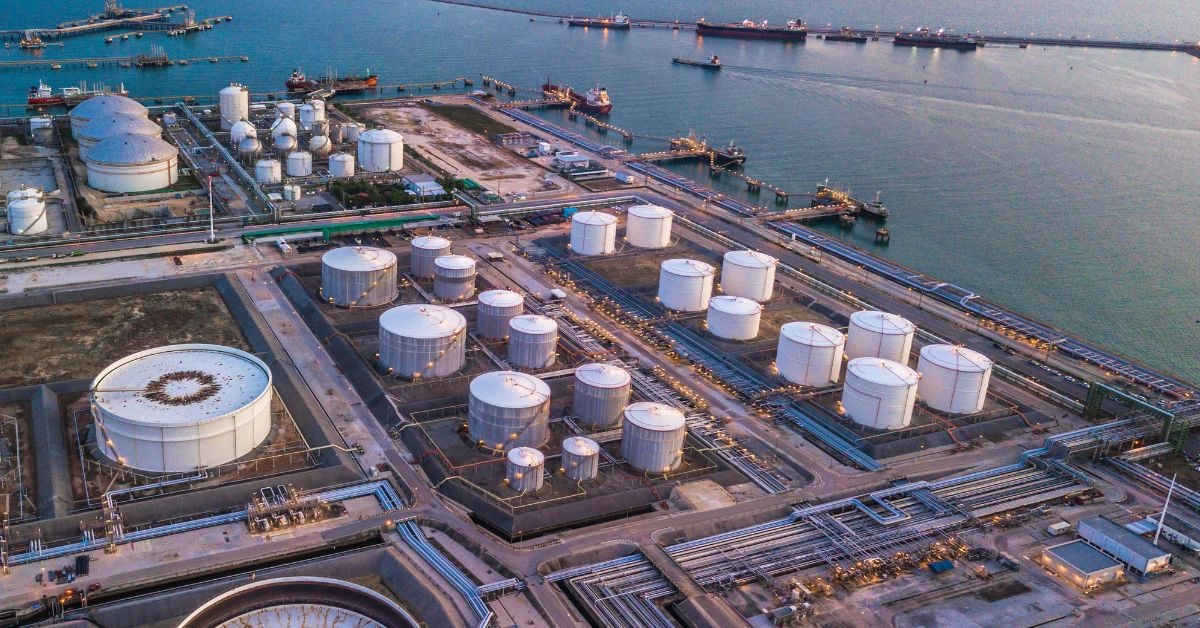
Securing Energy: Japan Plans Integrated Pipeline Network Beyond Hormuz Strait
Japan is moving to secure its energy lifeline with an integrated pipeline network designed to bypass the Strait of Hormuz, a strategic chokepoint where geopolitical friction carries real economic weight. The plan reflects a calculated shift toward resilience, not alarm. It is a measured response to a fragile maritime route, and one that warrants attention as global supply chains recalibrate. For broader context on regional bottlenecks, our related coverage on Gulf of Oman STS transfers offers a useful lens.

Naval Operations Validate Strait of Hormuz Shipping Lane Clearance
The Traffic Separation Scheme in the Strait of Hormuz has been validated as clear, a tangible result of naval mine-clearance operations that underscores the value of methodical, measured action. This is not about grand gestures; it is about ensuring a critical artery for global energy remains open and dependable. The work aligns with the broader push toward maritime stability, and our recent coverage of Gulf of Oman STS transfers maxing out reinforces how vital these lanes are.

Strait of Hormuz Traffic Dips Amid Rising Geopolitical Tensions.
Tanker traffic through the Strait of Hormuz is tightening as Iran vows retaliation against U.S. sanctions designed to sever its economic lifelines. The shift is measurable, and it carries weight for global energy flows. Geopolitical friction is no longer abstract; it is showing up in real-time transit data. For context, our coverage of Gulf of Oman STS Transfers Max Out Amid Rising Saudi Oil Exports highlights how regional chokepoints are already operating at capacity.

Strait of Hormuz Transit Costs Soar, Impacting Global Energy Flows.
The Strait of Hormuz carried roughly a fifth of global oil flows before the Iran war, and now transit costs are soaring. That shift does not just redraw shipping economics; it tightens the margins on every barrel and LNG cargo moving through a chokepoint the world still depends on. The pressure is measurable, and the implications for energy security are immediate. For deeper context on how nearby routes are adapting, our piece on Gulf of Oman STS transfers is worth reading.

Shipping Corridor Established: U.S. Facilitates Oil Flow Through Hormuz
The U.S. military has quietly established a shipping corridor through the Strait of Hormuz, moving millions of barrels of oil daily. It is a measured, logistical response to a volatile region, and one that carries real strategic weight. The move underscores the practical realities of maintaining energy flow when diplomatic channels remain fragile. For context on how pressure is building nearby, our related piece, "Gulf of Oman STS Transfers Max Out Amid Rising Saudi Oil Exports," offers a clearer picture of the strain.

Strait of Hormuz Incident: Vessel Damaged, Crew Member Injured
A vessel was struck while making an outbound transit of the Strait of Hormuz, leaving a crew member injured, according to the Company Security Officer. The incident underscores how quickly risk can escalate in a waterway where geopolitical tension already runs high. Such disruptions are not isolated events; they are part of a broader pattern affecting regional energy flows. For deeper context on these dynamics, our coverage of phased negotiations aimed at easing restrictions on the Strait offers useful perspective.

Strait of Hormuz Traffic Plummets Amidst Escalating Tensions and Attacks
The Strait of Hormuz is tightening under pressure. Ship traffic has plummeted after attacks on five commodity tankers, a stark reminder that instability directly chokes global energy lifelines. While U.S.-Iran negotiations for a peace agreement remain stalled, the cost of inaction is measurable in real-time data. The parallel rise of Gulf of Oman STS transfers, covered in our related piece on maxed-out ship-to-ship operations, underscores how trade adapts, but never without risk.

Iran Asserting Control Over Vital Strait of Hormuz Passage
Iran's assertion that it manages and controls the Strait of Hormuz is a statement of strategic fact, not posturing. For a nation whose economy and security are tied to the waterway, claiming this position is both logical and consequential. The strait's role as a global energy artery makes such declarations inherently significant, and we should treat them with the gravity they demand. For broader context on regional shipping pressures, our coverage of Gulf of Oman STS transfers offers a useful parallel.

Navigating Geopolitics: ADNOC Facilitates Iraqi Oil Transit Through Hormuz.
Amid heightened Strait of Hormuz tensions, ADNOC has distinguished itself as one of the Gulf's most effective producers at moving crude through the critical chokepoint. Its operational discipline underscores how logistical reliability becomes a geopolitical asset. The company's facilitation of Iraqi oil transit reflects a measured, collaborative approach to regional energy flows. For context on how nearby routes are straining, our piece on Gulf of Oman STS transfers shows capacity limits rising. This is pragmatic leadership, not posturing.

Iran Links Strait Passage to U.S. Actions, Raising Geopolitical Tensions
Iran's top military official, Rezaei, has tied the Strait of Hormuz's fate directly to U.S. policy, demanding an end to the war and blockade, the release of frozen assets, and a broader regional ceasefire. The linkage sharpens an already volatile maritime standoff, where every action carries measurable consequence. For those tracking the Gulf's pressure points, this is a clear escalation in rhetoric, not just posturing.

Geopolitical Tensions Ease: US and Iran Dialogue Advances in Strait of Hormuz
The Strait of Hormuz remains a flashpoint, yet Tuesday's talks in Tehran signal a measured step toward de-escalation. Iranian Foreign Minister Abbas Araqchi's meeting with Pakistan's Interior Minister Mohsin Naqvi underscores that dialogue, however tentative, is advancing. We view this as a pragmatic move; the region's stability depends on such channels. For context on how pressure is building elsewhere, our piece on Gulf of Oman STS Transfers Max Out Amid Rising Saudi Oil Exports highlights the logistical strains already reshaping tanker traffic.

Naval Deployment Bolsters U.S. Enforcement of Maritime Restrictions in the Middle East
The U.S. Navy's forward deployment in the Middle East sharpens the teeth of maritime enforcement, with CENTCOM confirming warships are now supporting "strict enforcement" of the blockade against Iran. This is measured, calibrated pressure, not saber-rattling. It signals a firm commitment to contested waters where commercial traffic and geopolitical friction converge. For readers tracking the region's fluid energy flows, the adjacent reporting on Gulf of Oman STS transfers offers useful context on how these restrictions ripple through real-time trade routes.

Charting New Maritime Pathways: Iran and Oman Negotiate Hormuz Route.
Iranian Foreign Minister Abbas Araqchi confirmed that a deal with Oman would establish new shipping routes through the Strait of Hormuz once conditions are met. The negotiation signals a practical step toward stabilizing a waterway critical to global energy flows. Diplomatic progress here matters, though implementation will test both sides. For context on how pressure is building in nearby waters, our piece on Gulf of Oman STS transfers offers useful background. Measured agreements are welcome, but the real measure lies in execution.

Oman Proposes Transit Fees for Strait of Hormuz, Awaits Response.
Oman's proposal to levy transit fees on Strait of Hormuz traffic introduces a pragmatic, if contentious, lever into one of the world's most vital shipping lanes. The move underscores how maritime chokepoints are becoming instruments of economic statecraft. Iran's simultaneous denial of talks with Washington, paired with its conditional pledge to hold fire, keeps the region's temperature measured but uncertain. Measured dialogue, not alarm, is the path forward.

Disagreement Over Hormuz Strait Impacts Vital Shipping Route Accessibility.
The latest disagreement over the Strait of Hormuz marks a direct setback to reopening one of the world's most vital energy arteries after months of conflict. Progress was never guaranteed, but this stalling carries measurable weight for global shipping and climate-dependent supply chains. The path forward demands calibrated negotiation, not posturing. For context on how regional pressures are already reshaping oil flows, our related coverage on Gulf of Oman STS transfers maxing out offers a clearer picture of the strain.

Regional Conflict Impacts Key Oil Shipping Routes in the Red Sea
The Red Sea's role as a critical artery for global oil movement is under direct threat, with Houthi military spokesperson Yahya Saree confirming strikes in response to Saudi drone incursions into Yemeni airspace. This escalation injects fresh volatility into an already strained shipping corridor. The region's fragility demands calibrated attention, not alarm. For context on how these pressures ripple outward, our piece on Gulf of Oman STS Transfers Max Out Amid Rising Saudi Oil Exports illustrates the strain on adjacent routes.

Escalation in Hormuz: Iran Attacks Tanker Amid U.S. Strikes
The 11th consecutive evening of U.S. strikes against Iran concluded at 8:15 p.m. ET on July 21, as CENTCOM confirmed its ongoing campaign. The escalation in Hormuz now includes a direct tanker attack, sharpening a volatile maritime corridor. This is not abstract geopolitics; it is measured, repeated force meeting retaliation. For context on regional pressure points, our coverage of Gulf of Oman STS transfers maxing out shows how commercial chokepoints strain under such tension.