China
99 stories filed under China on World Data Ocean. The newest of them: “Enhanced Monitoring: China Expands Djibouti Base Near Key Shipping Lanes”, “China's Blue and Digital Economies: A 30-Year Evolution in Trade.”, and “Reduced Canal Transits: Drought Impacts Global Shipping Routes.”. Satellite imagery shows Beijing has expanded its Djibouti base with new radars, antennas, and naval assets, sharpening its watch over one of the world's busiest maritime corridors. Thirty years of trade data now show what the blue economy's digital future looks like: broader, more diversified, and increasingly tied to high-tech marine sectors. A Global Hub for Ocean Intelligence 4 World Data Ocean is a centralized digital platform where researchers, scientists, and ocean enthusiasts converge to… The list below is every China story on World Data Ocean, newest first.
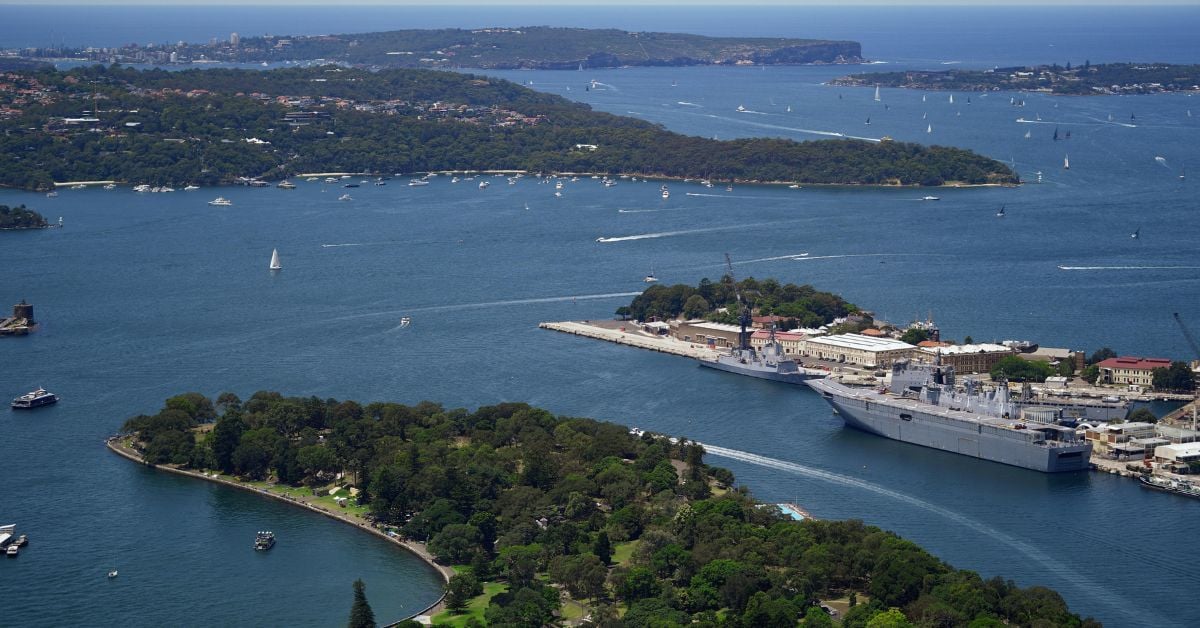
Enhanced Monitoring: China Expands Djibouti Base Near Key Shipping Lanes
Satellite imagery shows Beijing has expanded its Djibouti base with new radars, antennas, and naval assets, sharpening its watch over one of the world's busiest maritime corridors. The move is measured, deliberate, and strategically clear. It is not about alarm; it is about presence. For readers tracking how naval power reshapes trade routes, this pairs naturally with our report on Gulf of Oman STS transfers maxing out.

China's Blue and Digital Economies: A 30-Year Evolution in Trade.
Thirty years of trade data now show what the blue economy's digital future looks like: broader, more diversified, and increasingly tied to high-tech marine sectors. This study's blue, digital product space reveals that relationships between the two groups have deepened, especially in marine equipment, shipbuilding, and observation technologies. It is an exploratory view, not a causal claim, but the pattern is telling. For those tracking maritime digitalization, the shift is measurable.
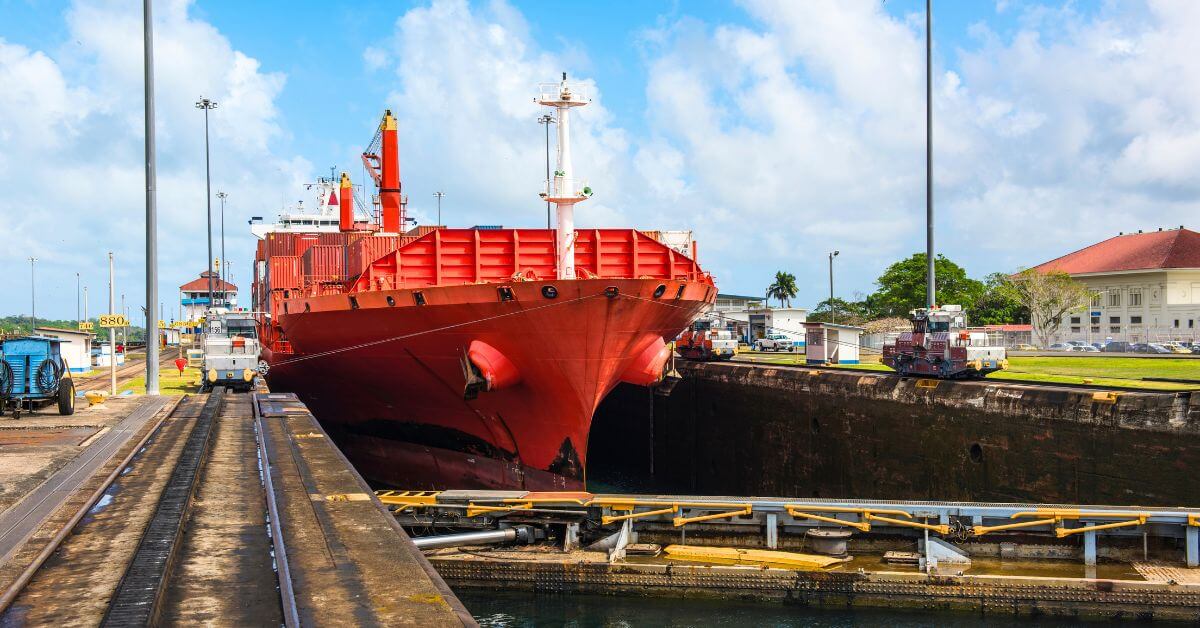
Reduced Canal Transits: Drought Impacts Global Shipping Routes.
The Panama Canal is tightening its grip. Starting in October, an average of 29.5 vessels per day will be allowed through, a direct response to the drought that is reshaping global shipping routes. This is not an abstract climate indicator; it is a measurable constraint on trade. We see the canal's draft plan as a practical, if difficult, calibration of limited resources. For context on how other chokepoints are straining, our piece on Gulf of Oman STS transfers offers a parallel view.
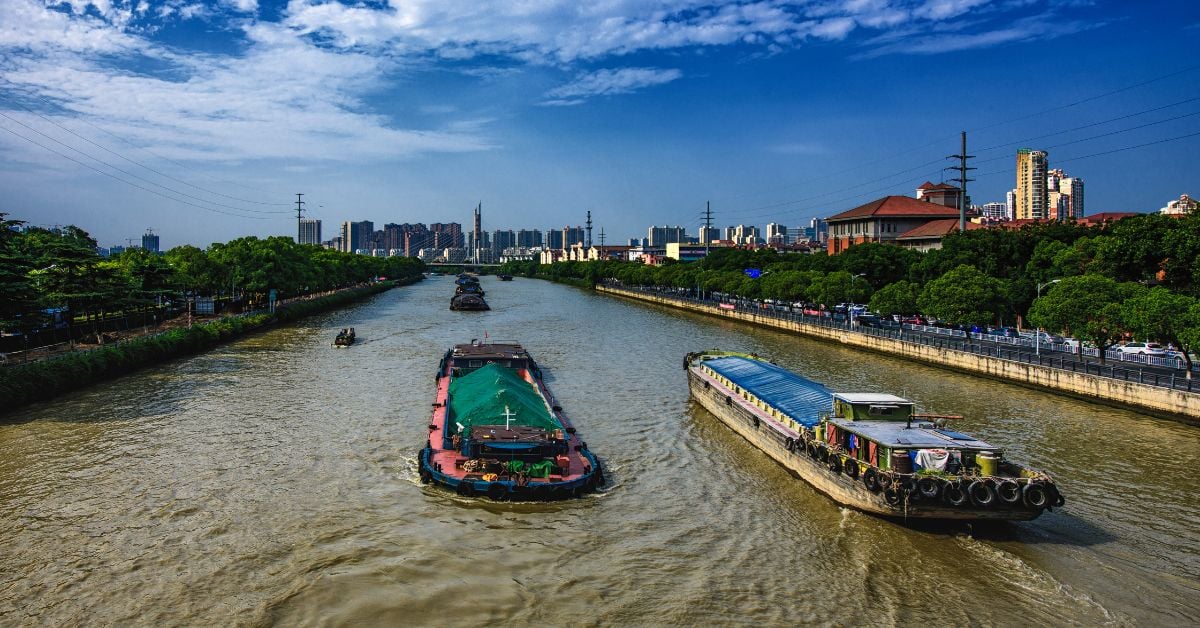
Integrated waterway connects China’s interior to Southeast Asian trade routes.
The Pinglu canal is engineered for ships up to five thousand tonnes, a scale that speaks to its ambition. It will carve a direct line from China's interior to Southeast Asian markets, trimming over 5 billion yuan in annual shipping costs. That is not a marginal efficiency; it is a structural shift in regional logistics. We see this as a deliberate move toward integrated waterway intelligence.
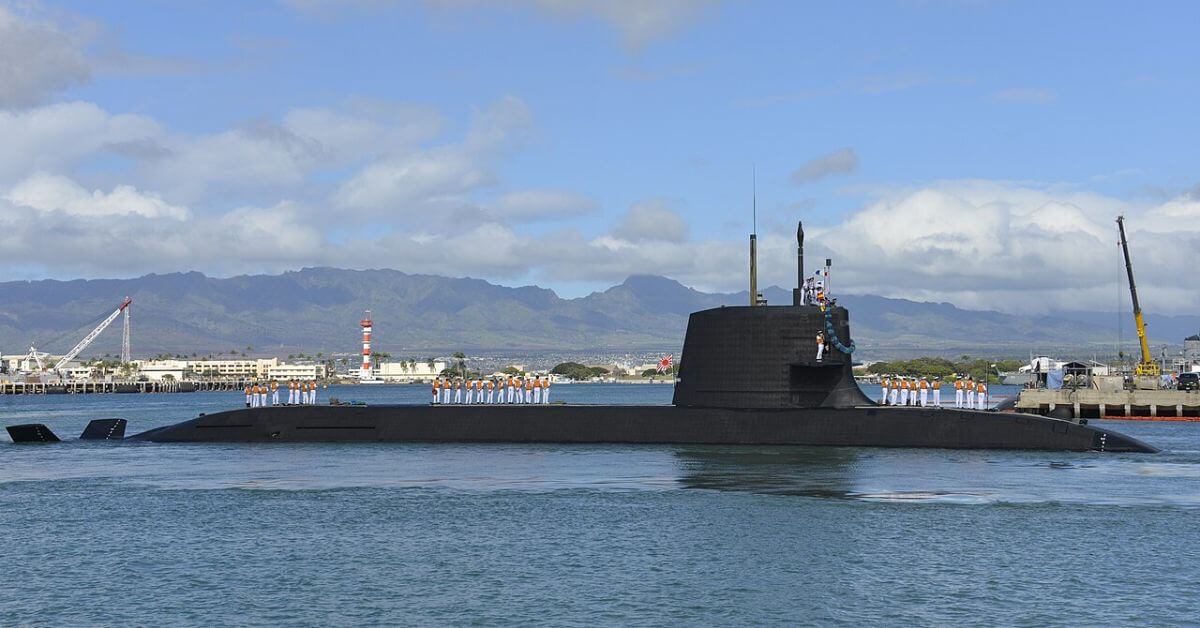
Quantum Sensors on Drones Enhance Underwater Surveillance Capabilities
Quantum sensors mounted on low-cost drones could bring a new layer of precision to underwater surveillance, operating directly from warships near the sea surface. This is practical innovation with measurable impact. The approach pairs validated technology with operational simplicity, strengthening maritime awareness where it matters most. For broader context on regional maritime pressures, our coverage of Gulf of Oman STS transfers offers useful perspective. Understanding drives protection, and this capability moves that principle closer to real-world deployment.
Mapping Ocean Influence: A New Approach for China’s Coastal Regions
China's coastal influence is not uniform, it clusters, diverges, and diffuses inland through distinct pathways. Our new framework integrates LDA topic modeling with complex network theory to map these patterns using marine news data, revealing three networked regions and three diffusion modes. This empirical, scalable approach transforms unstructured media into actionable ocean intelligence for spatial planning. For deeper context on marine connectivity, see our coverage of the Gulf of Oman STS transfers maxing out amid rising Saudi oil exports.

Fatal Fire Aboard Cargo Ship Ocean Melody at Qingdao Port
A fatal fire aboard the *Ocean Melody* at Qingdao Port is a stark reminder that maritime safety remains a work in progress. The 190-metre Liberian-flagged cargo vessel now sits at the centre of an investigation. Understanding such incidents demands empirical scrutiny, not alarm. For broader context on operational pressures at sea, readers may consult our coverage of the Gulf of Oman STS transfers. Validated data, not speculation, drives protection.
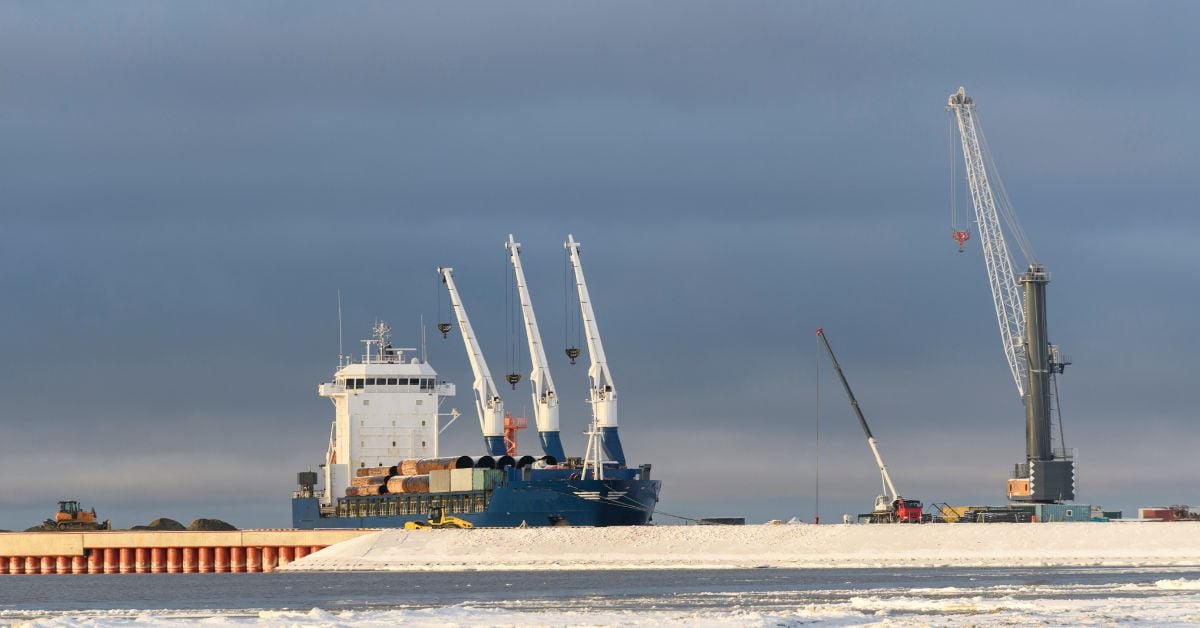
Arctic Passage Time Cut: Container Ship Charts New Route.
A Chinese container vessel has completed the Northern Sea Route in just 25 days, validating the Arctic's potential as a viable commercial passage. This is not an experiment; it is a measurable step in global shipping's realignment. The voyage demonstrates how climate indicators and integrated data ecosystems are reshaping trade logistics. For deeper context on shifting maritime corridors, see our coverage of "Russia Calibrates Export Revenue for Northern Sea Route Icebreaker Fleet." Understanding these routes drives smarter stewardship of our ocean intelligence.

Denisovan Life Unveiled: Fossil Discoveries Offer New Insights
A fragment of tooth, a scatter of bone, and stone tools from a cave in China now sharpen our view of Denisovan life. This is empirical evidence, not speculation. These fossils, alongside animal remains, offer measurable clues about how this enigmatic species lived. Understanding drives protection. For deeper context on how ancient and modern systems connect, see our related coverage on integrated subsea infrastructure shifting Indian Ocean connectivity.
China’s Marine Governance: An Administrative Law Framework for Optimization
China's marine governance relies heavily on red-light instruments, 83.4% of policy references are command-and-control measures. That is a statistically validated imbalance. Our content analysis of 34 national policy documents reveals that ex post regulation dominates, while green-light fiscal tools and amber-light public participation remain underdeveloped. This configuration is institutionally justified by marine risks' irreversibility, but the real challenge is coordination. Prevention must lead. For deeper coverage on shifting maritime dynamics, see our related article on Gulf of Oman STS transfers.
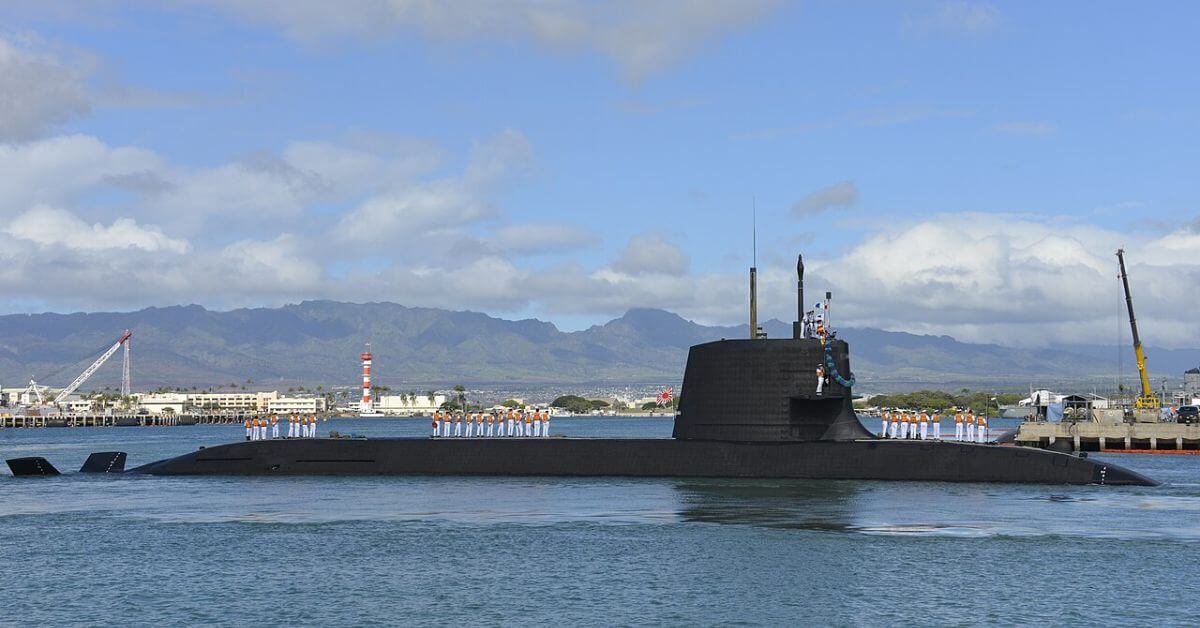
Japan Develops Hypersonic Missile, Expanding Maritime Defense Capabilities.
Japan's Ministry of Defense has folded a hypersonic missile into its FY2027 budget request, a move that sharpens the country's maritime defense posture. The plan, released at the end of August 2026, signals a deliberate step toward deterrence in a region where sea lanes carry increasing strategic weight. Hypersonic capability is not a minor upgrade; it changes the calculus of response.
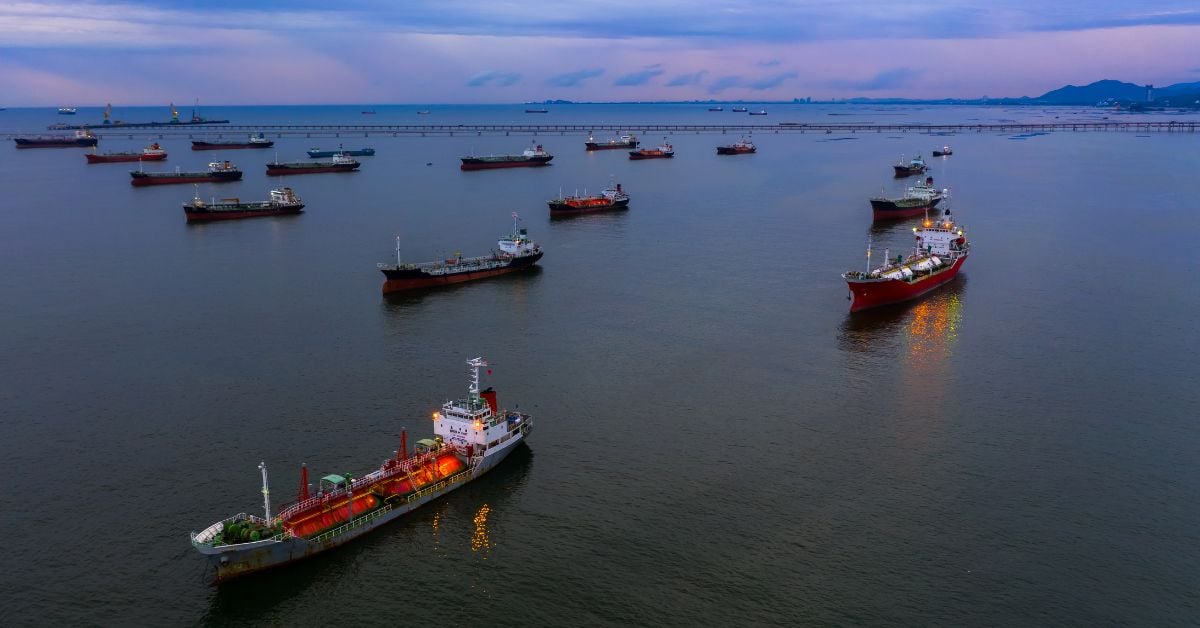
Naval Escort Ensures Oil Transit Through Strait of Hormuz.
On Tuesday, 40 tankers carrying roughly 18 million barrels of crude moved through the Strait of Hormuz under U.S. Navy escort, a measured show of force that underscores how vital this corridor remains to global energy stability. The transit proceeded without incident, but the escort is a reminder that maritime security is not automatic. For those tracking the region's shifting dynamics, our coverage of phased negotiations to ease restrictions on the Strait offers useful context. Reliable passage here is not just strategic; it is foundational.
China's Bill of Lading Practice: Bridging Legal Approaches for Global Trade
China's courts are charting a distinctive course on bills of lading, treating them as both contractual and real-right instruments where global practice leans on constructive possession. Our empirical review of 49 judgments shows this dual-attribute pathway dominates, acting as a judicial shock absorber that yields outcomes broadly comparable to international norms. Yet this compensation exacts a toll: reduced efficiency and heightened uncertainty, costs that paper masked. Trade digitalization and the coming NCD Convention expose these frictions, pressing China toward a more possession-aligned judicial stance.
Analyzing China’s Ocean Policies: A Data-Driven Assessment of Progress
China's marine ecological policies, measured across 30 initiatives from 2015 to 2024, show a mean PMC index of 6.243, signaling strong performance in goal consistency and implementation efficiency. Yet, the data reveals uneven progress: policy scope, timeliness, and issuing institutions lag behind. Fujian's case underscores how policy text design can make or break governance outcomes. This empirical assessment offers a calibrated lens for refining ocean stewardship, a step toward the United Nations Sustainable Development Goals.
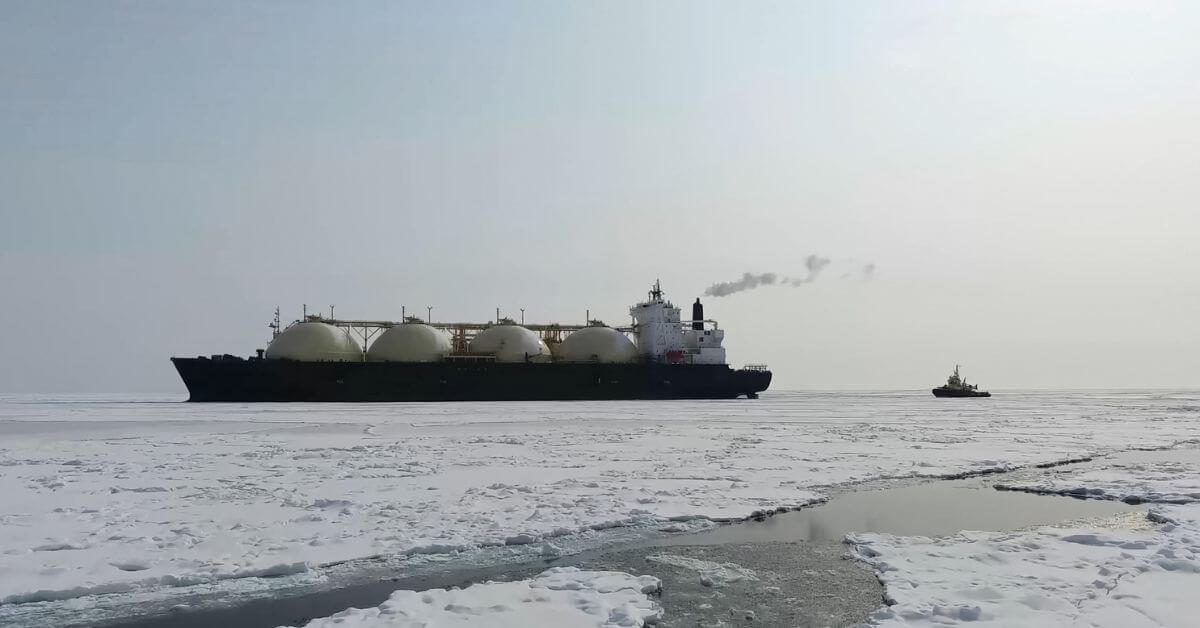
Arctic LNG 2 Capacity Expands with New Ice-Class Carrier Fleet.
The Arctic's harshest routes just became more navigable. A Russian-built, advanced ice-class LNG carrier has joined the fleet serving Arctic LNG 2, enabling year-round operations in waters that once dictated seasonal limits. This is practical ocean intelligence: the capacity to move gas reliably through extreme conditions strengthens the entire maritime energy chain. For readers tracking parallel shifts in global shipping, our coverage of Paradip Port's new mega port status offers another example of infrastructure evolving to meet demand.
Data Integration Drives Low-Carbon Fisheries in China
New digital infrastructure is not a neutral tool; it is a measurable lever for decarbonization. Our analysis of 30 provincial regions from 2004 to 2024 confirms that such infrastructure significantly cuts fishery carbon emissions, with effects that spill across regional lines. The indirect benefits even outweigh local ones. This is empirical proof that integrated data ecosystems can drive real climate progress. For broader maritime context, see our coverage of record port activity reflecting rising Chinese exports.
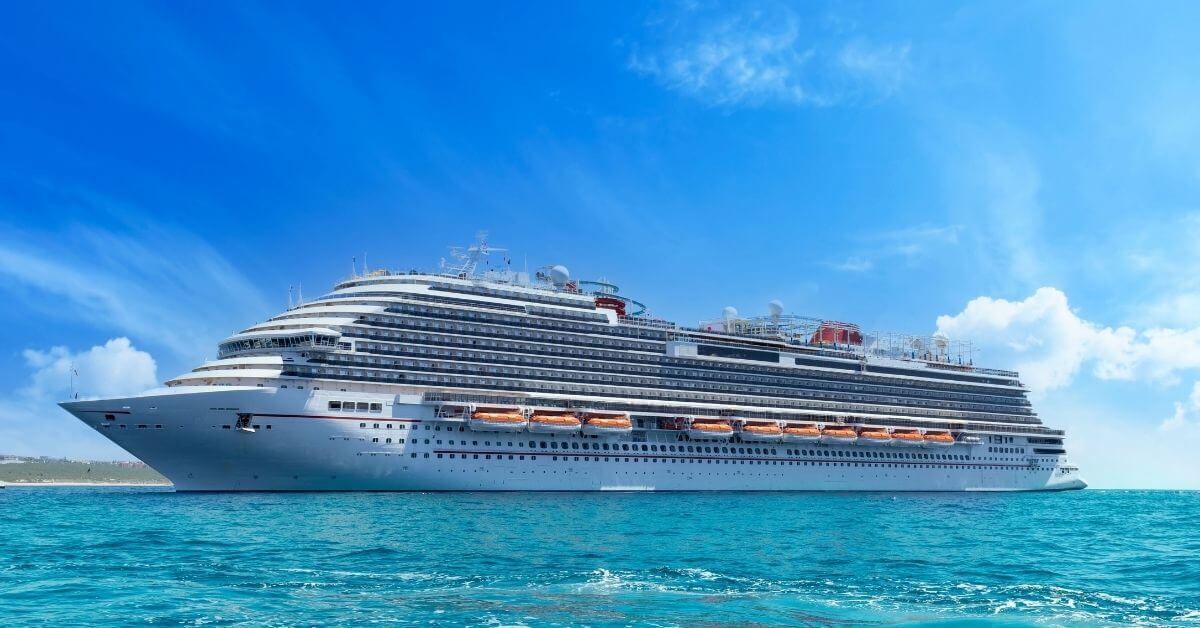
Coastal Cruise Sector Expands with New Service from Tianjin
The 105,000-ton cruise ship *VISIO* departed Tianjin International Cruise Home Port on Saturday, carrying more than 2,700 passengers and marking another step for the coastal cruise sector. This is measured expansion, not spectacle, and that is precisely the point. As Chinese ports post record activity, as we noted in our coverage of trade uncertainty, such sailings add practical momentum to the region's maritime ecosystem. Every departure validates the infrastructure and the demand. Growth here is empirical, and it is worth watching closely.
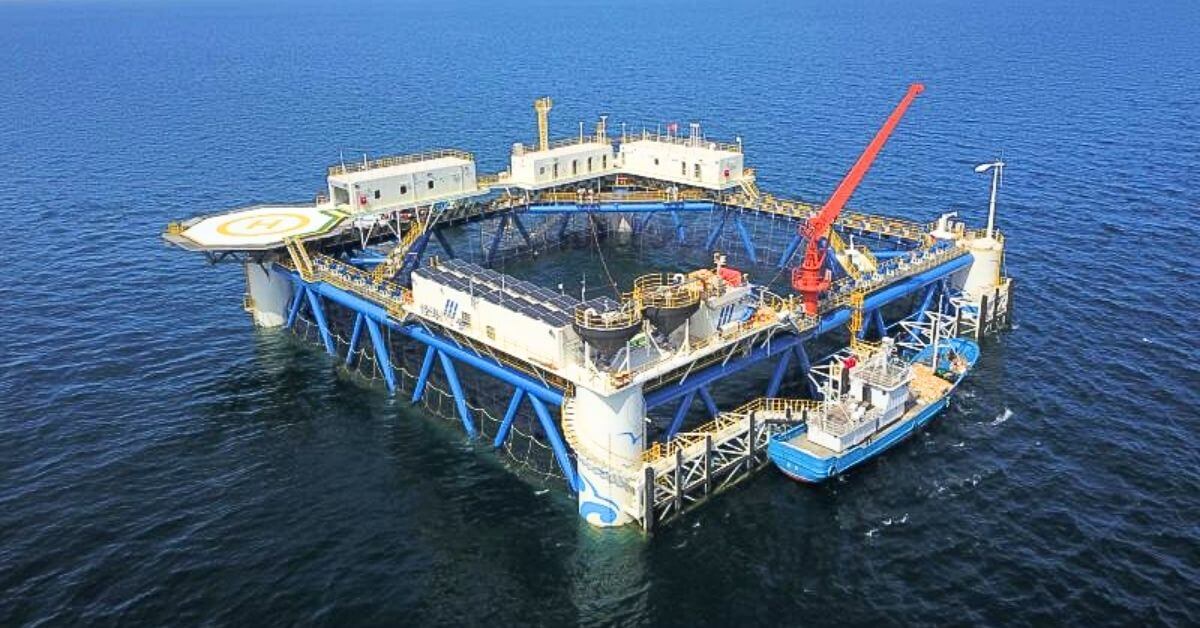
Bamboo Solar Platform Tests Sustainable Offshore Energy Solutions
A new test platform is asking whether bamboo can do what steel and plastic have always done in offshore solar. The design challenges the materials status quo by measuring performance against conventional structures. It is a practical experiment, not a spectacle. If the data holds, it could reshape how we build in marine environments. For more on infrastructure pressures elsewhere, see our coverage of Gulf of Oman STS Transfers Max Out Amid Rising Saudi Oil Exports.
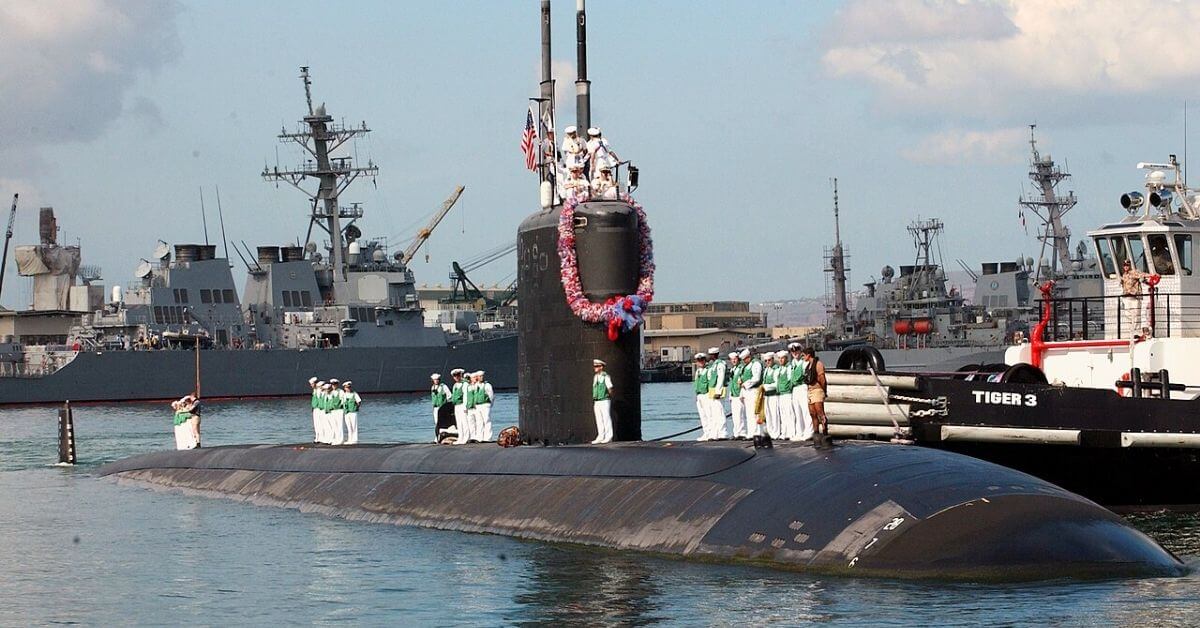
Submarine Maintenance Backlog: $3.4 Billion Cost and Operational Impacts
Fifteen submarines could sit idle for nearly 14,000 days combined between 2026 and 2030, a $3.4 billion backlog that signals a system straining under its own weight. The GAO's estimate is not abstract; it is lost operational capacity with real consequences for maritime readiness. We track these pressures closely, just as we do the Gulf of Oman STS Transfers Max Out Amid Rising Saudi Oil Exports, where infrastructure limits are equally visible.

Wind-Powered Data Hub Monitors Ocean Health in Real-Time, China.
In the South China Sea, the world's first wind-powered underwater data centre is now operational, marking a calibrated step toward integrating renewable energy with ocean intelligence. This is not a distant concept; it is a live, peer-reviewed example of how real-time climate indicators can be measured from the seabed. The innovation is purposeful, and its implications for global data ecosystems are significant.

Lifeboat Recovered, Search Continues for Missing Crew in Bay of Bengal
The Indian Coast Guard ship *Varad* recovered the lifeboat from the Bay of Bengal at approximately 7 a.m. Tuesday, yet the search for the missing crew continues. A boarding team inspected the craft and found no survivors. The absence of personnel raises sobering questions about the sequence of events. This measured outcome underscores the urgency of coordinated search efforts. For broader maritime context, our related coverage, including "Integrated Subsea Infrastructure Shifts to Enhance Indian Ocean Connectivity," highlights the region's growing strategic importance.

Nuclear-Powered Shipping: U.S. Advances Maritime Technology and Global Trade.
The agreement targets the practical hurdles that must be cleared before nuclear-powered merchant ships can operate commercially, a step toward measurable progress in maritime technology. This is not abstract ambition; it is about calibrating safety, regulatory, and operational standards that could reshape global trade routes. The timing aligns with rising pressure on shipping infrastructure, as seen in the Gulf of Oman STS Transfers Max Out Amid Rising Saudi Oil Exports. Validated solutions here would integrate nuclear capability with real-world logistics, advancing ocean intelligence.

Bulk Carrier Sinks in Bay of Bengal; 22 Seafarers Missing.
A bulk carrier carrying 72,000 tonnes of iron ore from India's Paradip Port to China has sunk in the Bay of Bengal, leaving 22 seafarers missing. The loss is a stark reminder that maritime routes, however routine, remain exposed to sudden catastrophe. Search efforts continue, but each hour narrows the window for survival. Such incidents underscore why real-time data and integrated ocean intelligence matter, not as abstract concepts, but as tools that can guide safer passage.

MV Ocean Winner Sinks in Bay of Bengal; 22 Crew Missing
The MV Ocean Winner, a Panama-flagged bulk carrier, has sunk in the Bay of Bengal off Odisha, leaving 22 crew missing and only two survivors rescued from liferafts. The incident underscores the harsh realities of maritime transit in these waters, where operational risks remain high despite advancing navigation technology. Rescue efforts are now the priority, but the loss raises pressing questions about crew safety protocols.