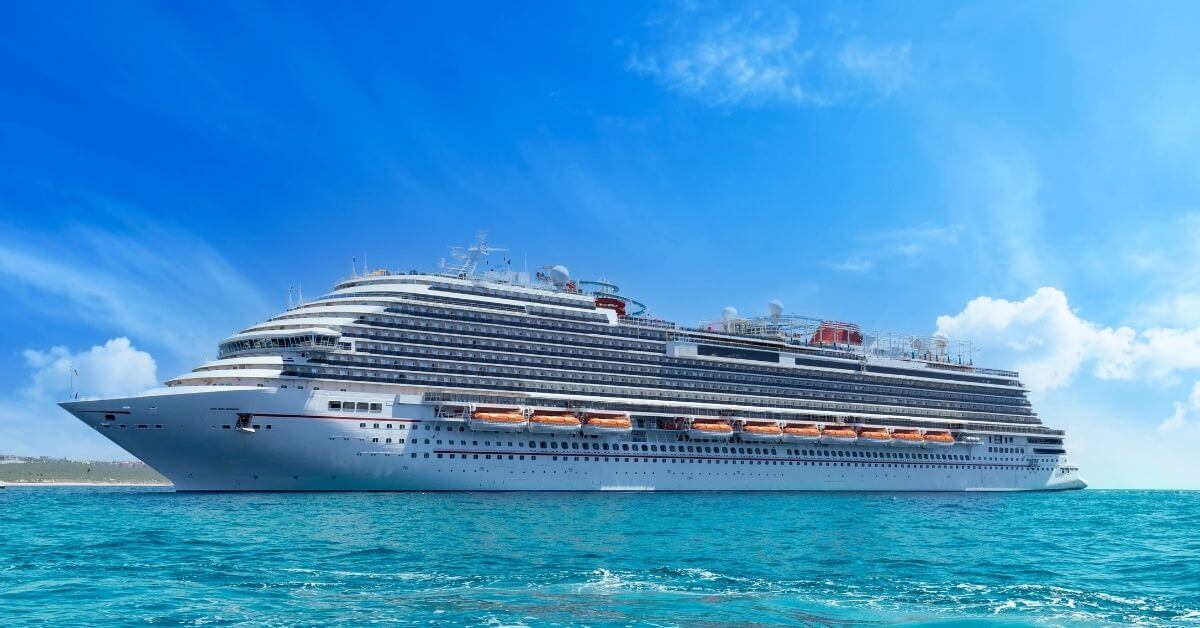
The departure of the VISIO from Tianjin with more than 2,700 passengers marks another measured step in the expansion of China's coastal cruise sector. This is not a speculative leap into unregulated waters, but a calibrated addition to a growing pattern of regional maritime activity. We see the same deliberate momentum in the record port activity reflecting rising Chinese exports amid trade uncertainty, where Chinese ports handled 7.279 million twenty-foot equivalent units in a single week. Both stories point to a simple fact: China's maritime infrastructure is being used at scale, and the operational data supports the narrative of sustained demand.
The cruise-to-nowhere model is an interesting case study in adaptive capacity. It does not require new ports or groundbreaking technology; it repurposes existing assets to meet a clear consumer appetite for ocean experiences. This is pragmatic innovation, not flashy disruption. The same logic applies to the integrated subsea infrastructure shifts enhancing Indian Ocean connectivity, where re-routing cables responds to geopolitical friction rather than waiting for consensus. In both instances, the industry is not waiting for permission to evolve; it is responding to measured risks and observable trends. That is the kind of empirical decision-making we can get behind.
But let's be precise about what this expansion does and does not mean. A single 105,000-ton vessel with 2,700 passengers is not a revolution in ocean transport. It is, however, a signal that the coastal cruise sector has found a workable formula for generating revenue while the international market recalibrates. This fits a broader pattern we have tracked, including the Gulf of Oman STS transfers maxing out amid rising Saudi oil exports. There, too, existing infrastructure is being pushed to its limits rather than expanded prematurely. The takeaway is consistent: operators are optimizing what they have before committing to new builds or routes. That is disciplined, and it deserves recognition rather than hype.
For our readers, the practical question is not whether this cruise is a game-changer. It is not. The question is what the data on passenger volumes, port turnaround times, and regional fuel consumption will look like over the next two quarters. If the VISIO's maiden season holds steady, we would expect other homeports along the Bohai Rim to test similar offerings. If it underperforms, the sector will tighten again. We would tell a reader asking about this story to watch the load factors and the frequency of subsequent sailings, not the promotional material. The real measure of this service's value will be its repeatability, and that is a metric we can all track. One detail to keep an eye on: whether the next port to launch a similar service does so with a vessel of comparable size or pushes toward the 150,000-ton class. That answer will tell us more about the sector's confidence than any press release.