The Strait of Hormuz has become a chokepoint not just for oil, but for the principle that global trade should not be a calculated risk. The validated data showing shipping remains 65% below pre-war levels is not a statistic; it is a verdict on the failure of maritime security. When the United Kingdom Maritime Trade Operations records 106 incidents since February 2026 and rates the threat as "severe," the market has already priced in the danger. The cost of that reality is now measurable: A single Strait of Hormuz crossing now costs $64 million in insurance. That figure is not hyperbole; it is the empirical price of a broken security framework.
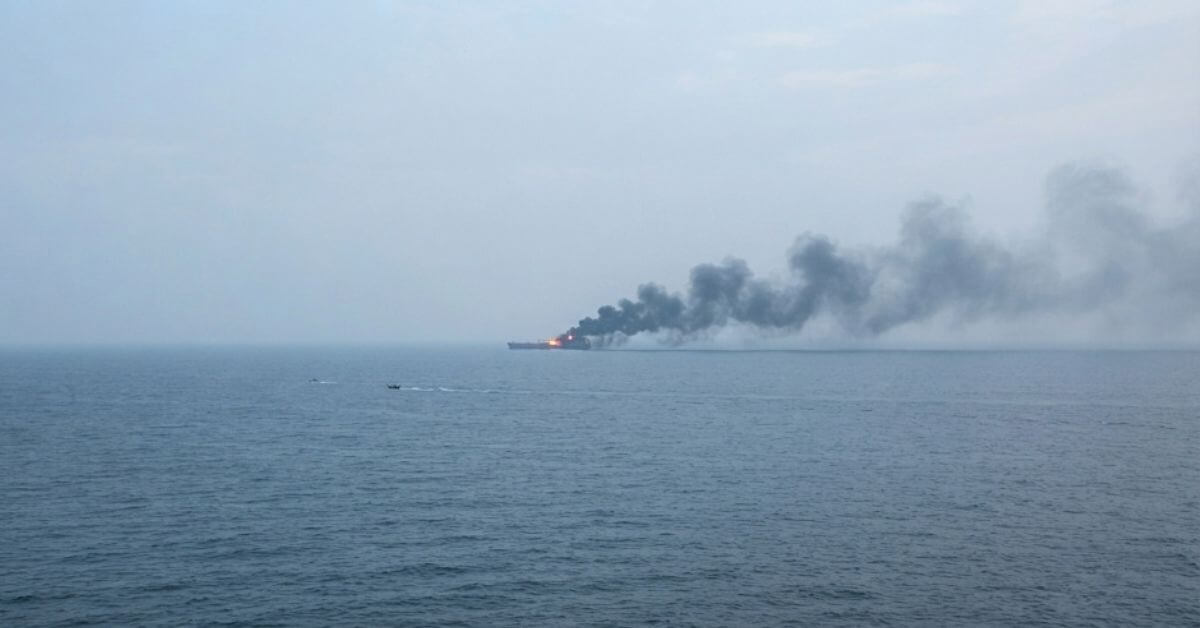
What this means in practical terms is that the global energy supply chain is operating on a wartime footing without a wartime consensus. The weekly transit count of 263 vessels, down from 308 the prior week, is a longitudinal decline that should alarm policymakers. The fact that US-facilitated transits now outnumber AIS-broadcasting vessels by roughly 2.5 to 1 indicates a bifurcated system: one set of ships operates under military protection, while commercial vessels navigate a corridor where six tankers were attacked in a single week. The attacks on the LPG tanker north of Khasab, struck twice, disabled, abandoned, with one crew member missing, are not isolated incidents. They are the new baseline. As Strait of Hormuz tanker incidents add new risk to global oil markets, the cost of inaction compounds daily.
The human toll is the part of the data that cannot be calibrated. The search for the missing Jordanian seafarer after the November 17 attack is a reminder that behind every percentage point is a person. The search widens for missing seafarer after Strait of Hormuz tanker attack injures 11, but the broader question remains: how many more seafarers will be put in harm's way before the international community treats this as a shared crisis rather than a regional skirmish? With 10% of attacked vessels with confirmed outcomes since August now lost or sunk, the threat is not theoretical.
The concrete point to watch is the insurance calculus. When a single crossing costs $64 million, shipping lines will not absorb that cost indefinitely. They will reroute, restructure, or withdraw. The Strait of Hormuz is not just a waterway; it is a pressure gauge for global stability. The reading is clear, and it is not improving.